
Reverse Mortgage for Veterans and Military Retirees in Ontario
How Canadian Armed Forces veterans and military retirees in Ontario can use a reverse mortgage to supplement their military pension, bridge income gaps, and age in place.
You served your country for decades. Now your pension covers the basics — but not the life you planned for. This is the reality for many Canadian Armed Forces (CAF) veterans and military retirees settling into civilian life in Ontario. The military pension is reliable and indexed, but it often falls short of covering rising property taxes, home maintenance, healthcare costs, and the everyday expenses of a comfortable retirement. For homeowners aged 55 and older, a reverse mortgage offers a way to access the equity built in your home without selling, without monthly payments, and without affecting your military pension or Veterans Affairs Canada (VAC) benefits.
This article is for educational purposes only and does not constitute financial advice.
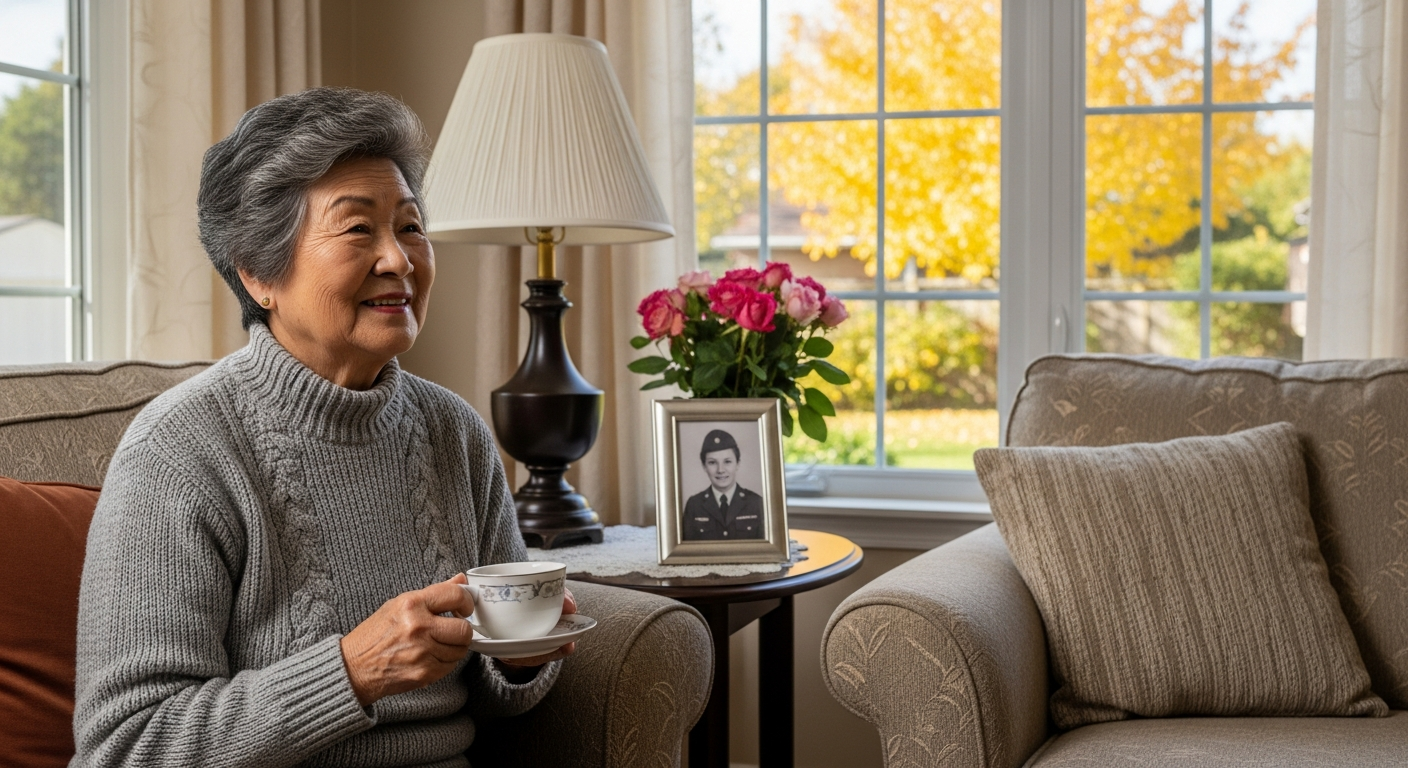
This guide is written specifically for CAF veterans, reservists, and military retirees who own a home in Ontario. It covers how the military pension system works alongside a reverse mortgage, the interaction with VAC benefits, unique considerations for military families, and the practical steps to explore this option with a broker like Rick Sekhon who understands your situation.
Understanding the Canadian Military Pension
The Canadian Armed Forces Superannuation Act provides a defined benefit pension to CAF members who have served for a minimum period. The pension is calculated based on years of service and the average of the best five consecutive years of salary. It is indexed to inflation through the Consumer Price Index (CPI), which means it maintains purchasing power over time — a significant advantage over many private sector pensions.
How the Military Pension Is Structured
| Feature | CAF Regular Force Pension | CAF Reserve Force Pension |
|---|---|---|
| Type | Defined benefit | Defined benefit |
| Eligibility | 2+ years of service | Varies by class of service |
| Calculation | Based on years of service and best 5 years salary | Based on total pensionable earnings |
| Indexed to inflation | Yes (CPI) | Yes (CPI) |
| CPP integration | Reduced at age 65 (bridge benefit ends) | Varies |
| Survivor benefit | Yes — spouse receives a portion | Yes |
The bridge benefit is a critical detail that many military retirees overlook. If you retired before age 65, you receive a temporary bridge benefit that tops up your pension to compensate for the fact that you are not yet receiving CPP. At age 65, the bridge benefit ends, and your military pension payment decreases. While CPP begins, the net effect for many veterans is a noticeable drop in total monthly income — especially if they did not contribute enough to CPP during their military career to receive the maximum benefit.
According to Veterans Affairs Canada, over 600,000 Canadian veterans are alive today, with a significant portion residing in Ontario. Many veterans face financial challenges in retirement that are distinct from the general population, including career transitions, health-related costs, and the income adjustment at age 65 when the bridge benefit ends.
The Income Gap After the Bridge Benefit Ends
For a veteran who retired at 55 and has been relying on the bridge benefit for a decade, the transition at 65 can be jarring. Consider this simplified scenario:
| Income Source | Before Age 65 | After Age 65 |
|---|---|---|
| Military pension (with bridge) | Higher | Lower (bridge removed) |
| CPP | $0 | Begins (amount varies) |
| OAS | $0 | Begins at 65 |
| Net monthly income change | — | Often a net decrease |
The gap between what you were receiving and what you now receive is where a reverse mortgage can play a meaningful role.
How a Reverse Mortgage Supplements Military Retirement

A reverse mortgage allows Ontario homeowners aged 55 and older to convert a portion of their home equity into tax-free cash. The proceeds are a loan, not income, which means they do not count as taxable income under CRA rules and do not affect income-tested benefits.
For military retirees, the key advantages are:
- ✓ No impact on military pension — your CAF pension remains unchanged
- ✓ No impact on VAC benefits — disability awards, pain and suffering compensation, and other VAC payments are not affected
- ✓ No impact on OAS or GIS — reverse mortgage proceeds are not counted as income for clawback or eligibility purposes
- ✓ No monthly payments required — interest accrues and is repaid when you sell or permanently leave the home
- ✓ Tax-free proceeds — the funds are loan advances, not income
- ✓ You keep your home — no need to relocate after years of military moves
Lump Sum vs. Scheduled Advances
Depending on your needs, you can structure the reverse mortgage in different ways:
| Option | Best For | How It Works |
|---|---|---|
| Lump sum | Paying off existing debt, major home repairs | Receive full amount at closing |
| Scheduled advances | Monthly income supplement | Receive regular payments over time |
| Combination | Debt payoff plus ongoing income | Lump sum at closing plus scheduled draws |
Lenders including CHIP (HomeEquity Bank), Equitable Bank, Bloom Financial, and Home Trust offer different structures and terms. Rick Sekhon can compare options across all four lenders to find the best fit for your situation.
VAC Benefits and Reverse Mortgage Interaction
One of the most common questions from veterans is whether taking a reverse mortgage will affect their Veterans Affairs Canada benefits. The short answer is no.
VAC benefits — including disability awards, pain and suffering compensation, the Veterans Independence Program (VIP), career transition services, and the education and training benefit — are administered separately from income-tested programs. They are not loans, and they are not affected by the equity in your home or the existence of a mortgage on your property.
Similarly, reverse mortgage proceeds are not reported as income to CRA, so they do not affect any income-tested VAC program thresholds.
| VAC Benefit | Affected by Reverse Mortgage? |
|---|---|
| Disability award / pain and suffering compensation | No |
| Veterans Independence Program (VIP) | No |
| Career transition services | No |
| Education and training benefit | No |
| Treatment benefits | No |
| War Veterans Allowance (income-tested) | No — reverse mortgage proceeds are not income |
Important: While reverse mortgage proceeds do not affect VAC benefits, always confirm your specific situation with a VAC representative and a licensed mortgage professional. Benefit rules can change, and individual circumstances vary.
Unique Considerations for Military Families
Settling in Ontario After Years of Relocation
Military life often means frequent postings across Canada and abroad. Many CAF members purchase and sell homes multiple times during their career, which can work both for and against them when it comes to home equity.
The positive side: if you purchased your Ontario home during a period of lower property values and have held it through years of appreciation, you may have substantial equity — potentially several hundred thousand dollars — available through a reverse mortgage.
The challenging side: frequent relocations may mean you purchased your current Ontario home later in life, with less time for equity to build. In this case, the amount available through a reverse mortgage may be more modest.
Spousal Protection for Military Families
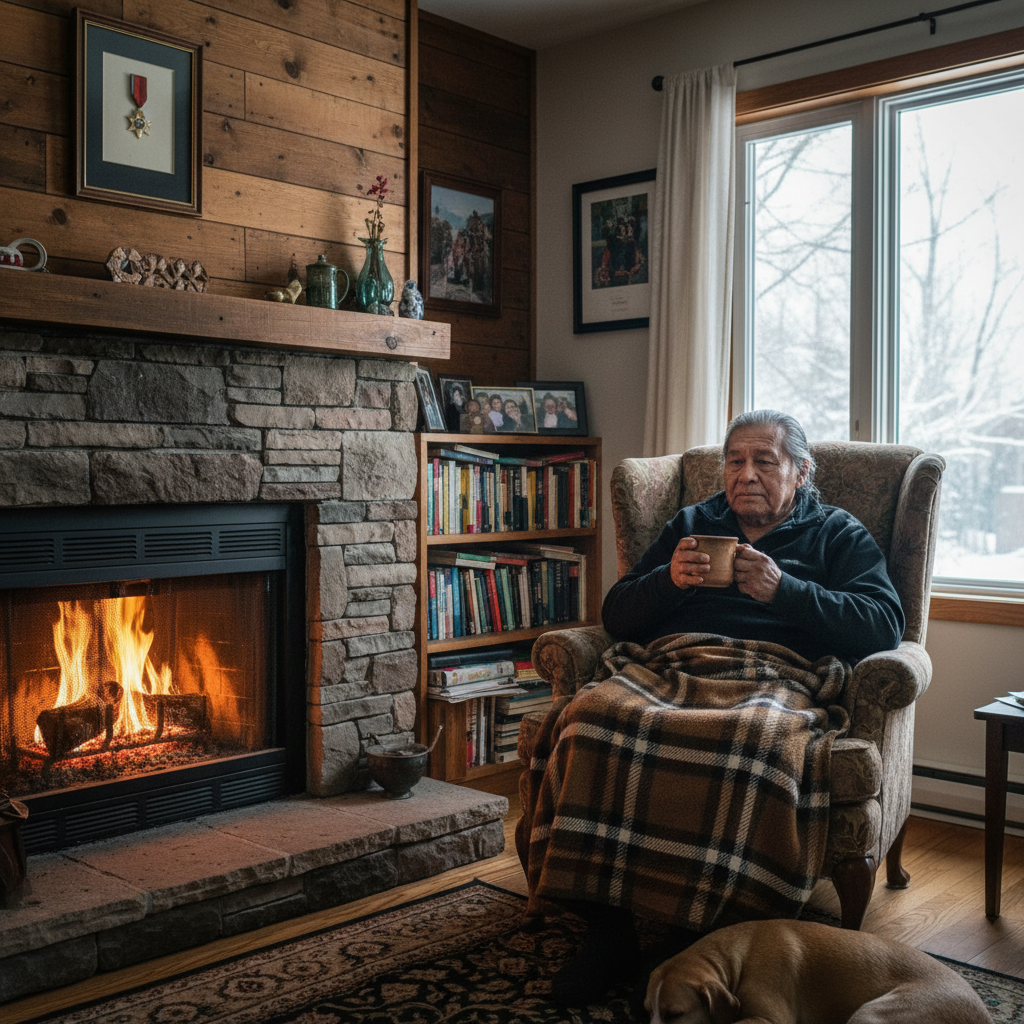
For military couples, spousal protection is a critical consideration. If both spouses are listed as borrowers on the reverse mortgage, the loan does not need to be repaid until both have permanently left the home. This means that if one spouse passes away or moves to long-term care, the surviving spouse can remain in the home with no payments required.
This is particularly important for military families where the veteran may have service-related health conditions that could require a move to a care facility. The non-veteran spouse is fully protected.
Drawbacks and Considerations
A reverse mortgage is not the right solution for every veteran. Key considerations include:
- Compound interest reduces equity over time. The loan balance grows because interest is added to the principal. Over 10 to 20 years, this can significantly reduce the equity remaining in your estate. Veterans who want to leave the full value of their home to their children or grandchildren should carefully weigh this trade-off.
- Costs at setup. Appraisal fees, legal fees, and potential closing costs apply. These are typically modest but should be understood upfront.
- Prepayment penalties may apply. If you decide to repay the reverse mortgage early (for example, if you sell the home within a few years), some lenders charge a prepayment penalty. Ask Rick Sekhon to explain the penalty structure for each lender before proceeding.
- Not a fit if you plan to move soon. If you are considering relocating — whether to be closer to family, to downsize, or to move to a different province — a reverse mortgage may not make sense given the costs of setup and potential prepayment penalties.
How to Get Started: Steps for Veterans
- Assess your income gap. Write down your total monthly income (military pension, CPP, OAS, any other sources) and your total monthly expenses. The difference is the gap a reverse mortgage could help fill.
- Get a property valuation. The amount you can borrow depends on your age, your home's appraised value, and its location in Ontario.
- Contact Rick Sekhon. As a licensed mortgage broker familiar with all four reverse mortgage lenders in Canada, Rick can walk you through your options, compare terms, and help you choose the structure that fits your needs.
- Obtain independent legal advice (ILA). Ontario law requires that you receive independent legal advice before closing a reverse mortgage. This ensures you understand the terms and implications.
- Involve your family. Discuss the decision with your spouse, adult children, and anyone involved in your estate planning. Transparency prevents misunderstandings down the road.
Frequently Asked Questions
Will a reverse mortgage affect my military pension? No. Your CAF pension is a defined benefit paid by the Government of Canada. It is completely separate from any mortgage on your property. Taking a reverse mortgage has no impact on the amount or timing of your pension payments.
Can I use a reverse mortgage to pay off existing debts from my military-to-civilian transition? Yes. Many veterans carry debt from the transition to civilian life — whether from career retraining, home renovations to settle into a permanent residence, or credit card balances accumulated during a period of lower income. A lump-sum reverse mortgage can be used to consolidate and eliminate these debts, freeing up your pension income for daily living.
What happens to the reverse mortgage if I need to move to a long-term care facility? If you are the sole borrower, the reverse mortgage typically becomes due when you permanently leave the home. If both you and your spouse are borrowers, the loan is not due until both of you have permanently left the home. This spousal protection is automatic when both names are on the mortgage.
Does it matter which Ontario city I live in? Location affects the appraised value of your home, which in turn affects how much you can borrow. Homes in the Greater Toronto Area, Ottawa, and other major centres typically qualify for higher amounts. However, reverse mortgages are available across Ontario — including smaller cities and towns where many military families settle after retirement, such as Kingston, Petawawa, Trenton, and Barrie.
Can I still make voluntary payments on the reverse mortgage? Yes. While no payments are required, most lenders allow you to make voluntary interest payments or partial principal payments. This can slow the growth of the loan balance and preserve more equity for your estate. Ask Rick Sekhon about the voluntary payment options available from each lender.
Speak to a licensed mortgage professional. Independent legal advice is required before closing a reverse mortgage in Ontario.
Get your free Ontario Reverse Mortgage Guide →
This content is for illustrative purposes only. Rates may vary. Call Rick Sekhon for the best rates and more information.
Ready to Learn More?
Find out exactly how much you could unlock from your home — free and no obligation.
Related Articles
Reverse Mortgage: Police & Firefighter Pension Strategy
How retired Ontario police officers and firefighters can use a reverse mortgage to bridge pension gaps, optimize CPP/OAS timing, and manage tax brackets.
Read →Reverse Mortgage + Government Pension: Ontario Guide
Ontario government employees: combine your OMERS or federal pension with a reverse mortgage to maximize retirement income and stay in your home.
Read →Bridging the Pension Income Gap with a Reverse Mortgage in Canada
Bridge the pension income gap with a reverse mortgage in Canada. Learn how tax-free home equity supplements CPP, OAS, and workplace pensions for seniors.
Read →