
How a Reverse Mortgage Can Help Cover Pet Care Costs for Ontario Seniors
Ontario seniors on fixed incomes can use a reverse mortgage to cover rising pet care costs — vet bills, food, grooming, and pet insurance — while keeping their beloved companions at home.
"I'd sooner skip my own meals than give up my dog." That is not an exaggeration — it is something Ontario seniors say every day. For retirees living alone or with a partner, a pet is not a luxury. It is a companion, a reason to get up in the morning, and in many cases, a genuine contributor to physical and mental health. But when you are living on CPP, OAS, and a modest pension, the cost of keeping a pet can quietly become one of the hardest line items in your budget. A reverse mortgage can help bridge that gap — without forcing you to choose between your companion and your financial stability.
This article is for educational purposes only and does not constitute financial advice.
Why Pets Matter So Much for Aging Seniors
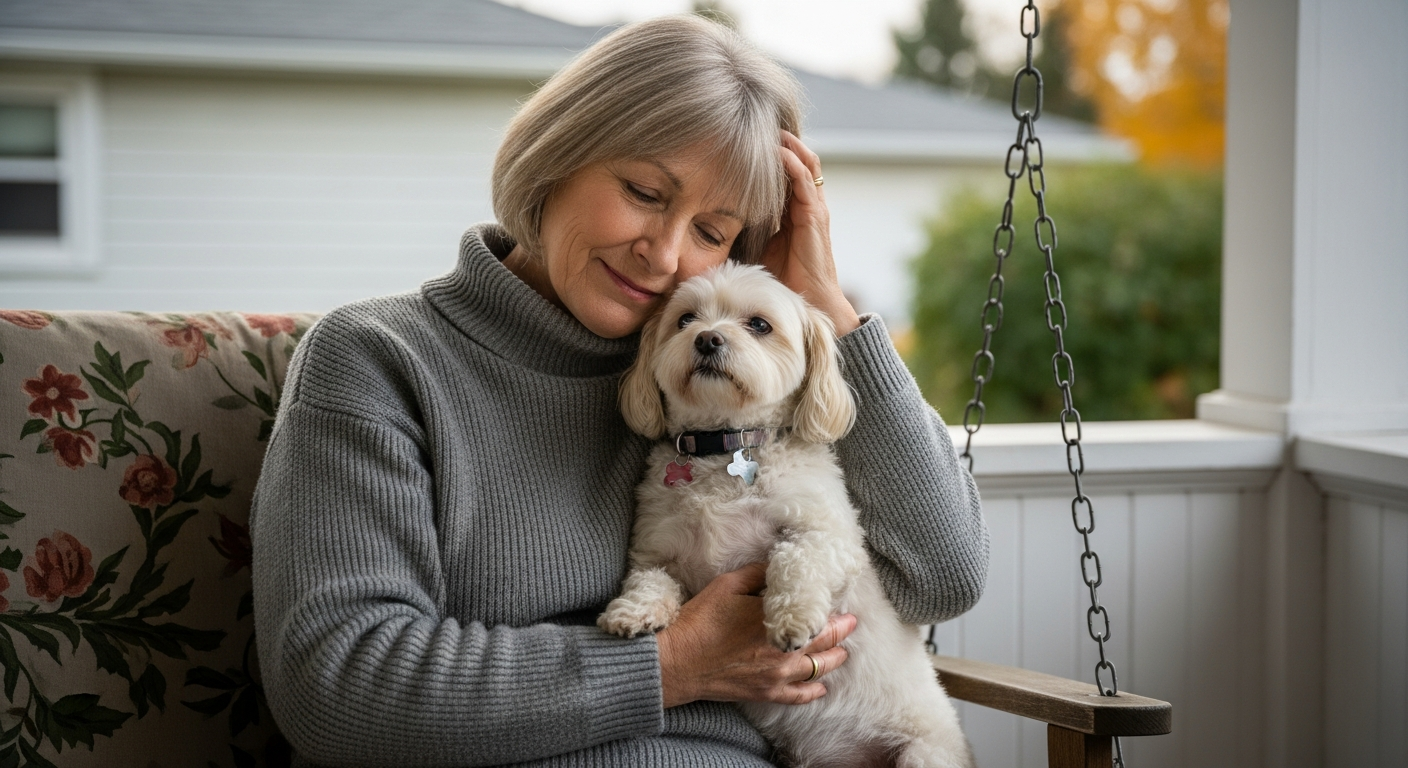
The bond between seniors and their pets is not sentimental fluff — it is backed by substantial research. The Canadian Veterinary Medical Association and multiple public health studies have documented measurable health benefits of pet ownership for older adults.
- Lower blood pressure and reduced cardiovascular risk. Dog owners in particular benefit from the daily walking routine.
- Reduced loneliness and depression. For seniors who live alone — and in Ontario, nearly 30% of seniors aged 75+ live alone — a pet may be the primary source of daily social interaction.
- Improved cognitive function. The routine of caring for another living being provides structure, purpose, and mental stimulation.
- Increased physical activity. Even modest activity like walking a small dog or playing with a cat contributes to mobility and balance.
According to a 2023 report from the Ontario SPCA, approximately 46% of Canadian households include at least one pet. Among seniors aged 65 and older, dog and cat ownership remains particularly common, with many seniors reporting that their pet is their closest daily companion.
For many Ontario seniors, giving up a pet due to cost is not just a financial decision — it is an emotional and health decision with real consequences.
The Real Cost of Pet Ownership on a Fixed Income
Pet care costs in Ontario have risen significantly over the past decade. Veterinary fees alone have increased at a rate well above general inflation. Here is what Ontario seniors are actually paying:
| Pet Care Expense | Annual Cost (Dog) | Annual Cost (Cat) |
|---|---|---|
| Food (quality diet appropriate for aging pets) | $800–$1,800 | $500–$1,000 |
| Routine veterinary care (annual exam, vaccines) | $400–$700 | $300–$500 |
| Dental cleaning (recommended annually for older pets) | $800–$2,500 | $600–$1,500 |
| Emergency veterinary care (average per incident) | $1,500–$5,000+ | $1,000–$3,000+ |
| Medications (arthritis, thyroid, diabetes — common in aging pets) | $600–$2,400 | $400–$1,800 |
| Grooming (breed-dependent) | $400–$1,200 | $0–$300 |
| Pet insurance premium | $600–$1,800 | $300–$900 |
| Supplies (litter, toys, bedding, leashes) | $200–$500 | $200–$400 |
| Dog walking or pet sitting (if mobility-limited) | $2,000–$5,000 | N/A |
Total estimated annual cost: $4,300–$15,900 for a dog; $2,300–$8,400 for a cat.
For a senior living on $24,000–$30,000 per year, even the lower end of these ranges represents a significant portion of their income. And the costs tend to increase as pets age — just as they do for their owners.
The Emergency Vet Bill Problem
Routine costs are manageable with careful budgeting. What tips seniors into financial distress is the unexpected veterinary emergency. A torn cruciate ligament in a dog can cost $4,000–$6,000 in surgery. A urinary blockage in a cat can run $2,000–$4,000. Cancer treatment — increasingly available and increasingly expected by pet owners — can cost $5,000–$15,000.
Without savings or a financial cushion, seniors face an impossible choice: pay for treatment they cannot afford, take on high-interest credit card debt, or surrender or euthanise a beloved companion.
How a Reverse Mortgage Can Fund Pet Care Costs
A reverse mortgage allows Ontario homeowners aged 55 and older to access a portion of their home equity as tax-free funds — without selling their home, making monthly payments, or affecting government benefits like OAS, GIS, or the Ontario Trillium Benefit.
For pet care costs, a reverse mortgage can be structured in ways that make practical sense:
Option 1: Monthly Draw for Ongoing Pet Expenses
By taking a lump sum and placing it in a TFSA or high-interest savings account, you can set up automatic monthly transfers to cover routine pet costs — food, medications, grooming, and insurance premiums. This creates a predictable "pet care budget" funded by your home equity.
Example: A senior with a $450,000 home could access $90,000–$135,000 through a reverse mortgage. Setting aside $15,000 in a TFSA specifically for pet care would fund approximately 3–5 years of routine expenses for a dog, depending on the breed and health needs.
Option 2: Emergency Reserve
Rather than drawing funds monthly, some seniors prefer to establish a pet emergency fund — a dedicated reserve for unexpected veterinary costs. This approach minimises the total interest paid on the reverse mortgage because less capital is drawn upfront.
Option 3: Combined Approach
The most practical structure for many seniors is a combination: enough drawn to cover 12–18 months of routine pet expenses plus a $5,000–$10,000 emergency reserve. Additional draws can be taken later as needed, depending on the lender's terms.
| Lender | Staged Draw Option | Minimum Draw |
|---|---|---|
| CHIP (HomeEquity Bank) | Yes — scheduled advances available | $25,000 initial |
| Equitable Bank | Yes — re-advance feature | $25,000 initial |
| Bloom Financial | Yes — flexible draw schedule | Varies |
| Home Trust | Limited — primarily lump sum | Contact for details |
Budgeting Tips: Keeping Pet Costs Manageable
A reverse mortgage provides the funds, but smart budgeting ensures those funds last. Here are practical strategies Ontario seniors use to manage pet care costs:
1. Invest in pet insurance early. Policies purchased when a pet is young are significantly cheaper and cover pre-existing conditions that develop later. Companies like Trupanion, Pets Plus Us (Canadian), and Desjardins Insurance offer plans starting around $30–$50/month for dogs.
2. Use veterinary colleges for reduced-cost care. The Ontario Veterinary College at the University of Guelph offers clinical services at reduced rates, supervised by licensed veterinarians.
3. Ask about senior and fixed-income discounts. Some Ontario veterinary clinics offer reduced consultation fees for seniors on fixed incomes. It is always worth asking.
4. Buy pet food in bulk. Subscription services and bulk purchases from retailers like Global Pet Foods or PetSmart Canada can reduce annual food costs by 15–25%.
5. Maintain preventive care. Skipping annual checkups to save money often leads to more expensive problems later. Preventive care is the most cost-effective approach long-term.
One Important Consideration: The Compound Interest Reality
A reverse mortgage is a powerful tool, but it is not free money. Interest compounds over time on the amount borrowed, which means the total amount owing grows each year. Using a reverse mortgage to fund pet care costs means that portion of your home equity will be reduced when the loan is eventually repaid — typically when you sell the home or your estate settles.
For a $15,000 draw used for pet care, the total repayment after 10 years of compounding could be $25,000–$35,000 depending on the rate. This is a real cost, and it reduces what is available to your estate or for other future needs.
The question is not whether this cost exists — it does — but whether the value of keeping your companion, maintaining your mental health, and preserving your quality of life is worth it. For most seniors who love their pets, the answer is clear. But it should be a decision made with full awareness of the numbers.
Rick Sekhon, a licensed mortgage broker specialising in reverse mortgages, works with Ontario seniors to structure draws specifically for pet care and other quality-of-life expenses. A proper consultation ensures you borrow only what you need and understand the long-term cost.
The Emotional Cost of Giving Up a Pet
Ontario shelters and rescue organisations report a growing number of "owner surrenders" from seniors who can no longer afford veterinary care or daily pet expenses. The emotional toll of surrendering a pet after years of companionship is significant — and for seniors already dealing with isolation, grief, or health challenges, it can trigger serious mental health consequences.
Programs like the Ontario SPCA's pet food bank and Farley Foundation (which provides subsidised veterinary care for Ontario pet owners in financial need) help bridge some gaps. But these programs have limited funding and eligibility requirements. A reverse mortgage offers a more comprehensive, self-directed solution for homeowners who qualify.
FAQ
Can I use reverse mortgage funds specifically for pet care? Yes. There are no restrictions on how you use reverse mortgage proceeds. Once the funds are advanced, you can allocate them to any purpose — pet care, groceries, travel, home repairs, or anything else. No lender requires you to justify individual expenditures.
Will using a reverse mortgage for pet expenses affect my OAS or GIS? No. Reverse mortgage proceeds are classified as loan advances, not income. They do not appear on your tax return and do not affect any income-tested government benefits, including OAS, GIS, the Ontario Trillium Benefit, or the Ontario Drug Benefit.
What if my pet passes away — can I redirect the funds? Absolutely. Funds drawn from a reverse mortgage are yours to use as you see fit. If your pet passes away and you have remaining funds set aside for pet care, you can redirect those funds to any other expense without notifying the lender or making any changes to the mortgage.
Is pet insurance worth it for seniors on a fixed income? For many seniors, yes — particularly if the pet is still relatively young and healthy. Pet insurance transfers the risk of large, unexpected veterinary bills to the insurer. The monthly premium is predictable and budgetable, while the alternative — paying $3,000–$8,000 out of pocket for an emergency — is not. Compare plans carefully, as coverage varies significantly between providers.
How do I know if a reverse mortgage is the right choice for funding pet care? The decision depends on your overall financial picture — not just pet expenses. A reverse mortgage makes the most sense when you have significant home equity, limited liquid savings, and a strong desire to remain in your home with your pet. It is one tool among several, and it should be evaluated in context with your other income sources and expenses.
Speak to a licensed mortgage professional. Independent legal advice is required before closing a reverse mortgage in Ontario.
Get your free Ontario Reverse Mortgage Guide →
This content is for illustrative purposes only. Rates may vary. Call Rick Sekhon for the best rates and more information.
Ready to Learn More?
Find out exactly how much you could unlock from your home — free and no obligation.
Related Articles
Retirement Budget Planning with a Reverse Mortgage in Canada
Master retirement budget planning with a reverse mortgage in Canada. Learn how to integrate home equity into your income plan for a secure retirement.
Read →Reverse Mortgage to Pay for Home Care in Ontario (2026 Guide)
Learn how Ontario seniors use a reverse mortgage to pay for home care costs. Compare care options, funding strategies, and what's covered in 2026.
Read →Reverse Mortgage as Income Supplement for Fixed-Income Seniors
How fixed-income seniors use a reverse mortgage as an income supplement — tax-free funds that don't affect GIS, OAS, or government benefits in Canada.
Read →