
Reverse Mortgage for MPAC Property Tax Reassessment: Managing Unexpected Tax Increases After Home Renovations
Ontario homeowners using reverse mortgages for renovations face MPAC reassessment and higher property taxes. Learn how to plan and manage the tax impact.
Did you know that home renovations funded by your reverse mortgage could trigger an MPAC property tax reassessment, significantly increasing your annual property tax bill? Many Ontario homeowners are surprised when their municipality reassesses their home's value after completing accessibility renovations or safety upgrades, resulting in unexpected costs that can stretch a fixed retirement income.
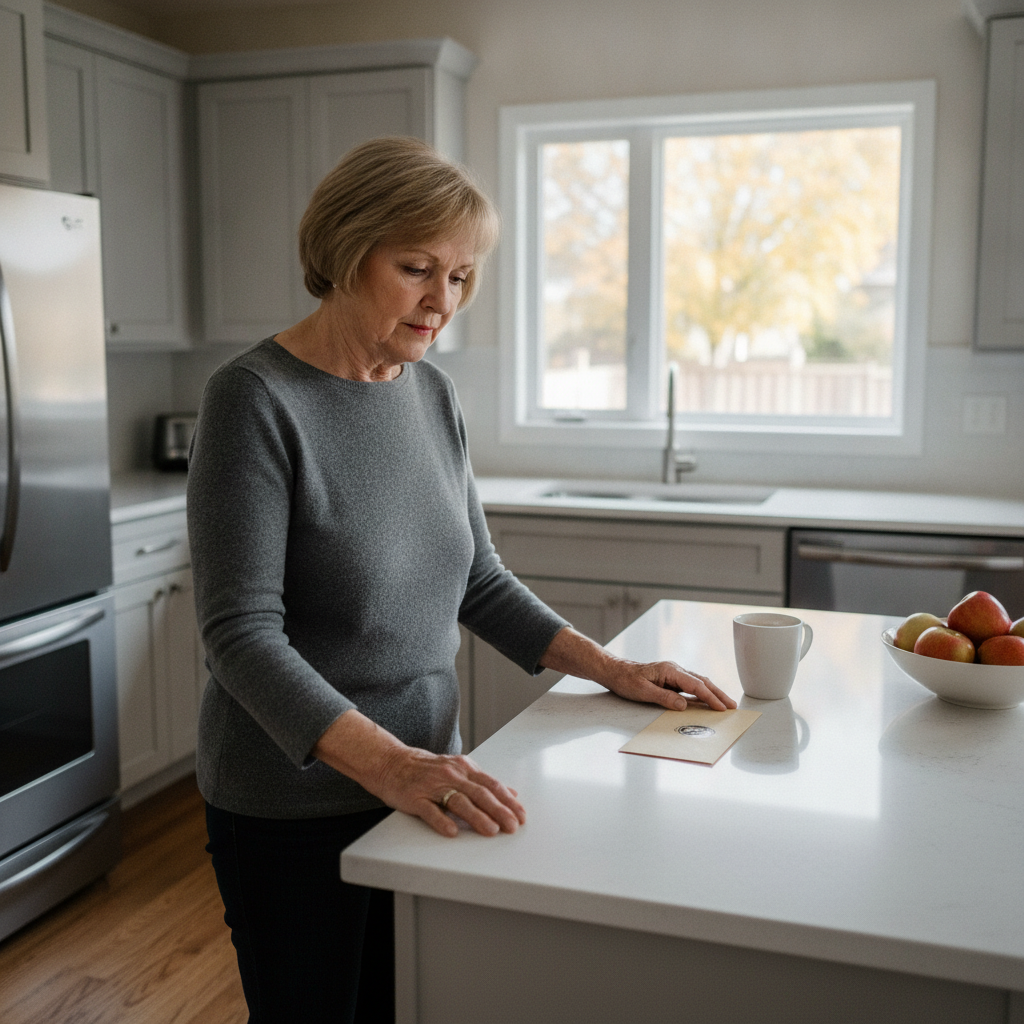
Understanding MPAC Reassessment in Ontario
The Municipal Property Assessment Corporation (MPAC) conducts regular property assessments across Ontario to determine the fair market value of your home. When you make significant renovations or structural improvements, MPAC may reassess your property, which directly impacts your property tax bill.
Here's how it works: When you upgrade a bathroom, install new HVAC systems, add accessibility features, or improve your foundation, MPAC's assessment system may flag your property for reassessment. Unlike some provinces, Ontario has a quadrennial (four-year) assessment cycle, meaning your property is reviewed every four years. However, if you make substantial improvements, MPAC can conduct an interim reassessment outside the normal cycle.
According to Ontario's Assessment Act, MPAC is required to assess all properties at current market value. When your home improvements increase its market value, your assessment increases, and therefore your property tax increases proportionally. For seniors on fixed retirement income, even a $2,000-$5,000 annual property tax increase can strain your budget.
The Reverse Mortgage Connection: Planning Renovations With Tax in Mind
When you fund home renovations using a reverse mortgage, you're solving an immediate accessibility or safety problem—but you may be creating a longer-term tax liability. Here's the challenge:
- You need accessible bathroom modifications, new flooring, or HVAC upgrades to age in place
- Your reverse mortgage provides the equity to pay for these improvements upfront
- But within 1–4 years, MPAC may reassess and increase your property tax
- Your increased loan balance (from the reverse mortgage) now comes with an increased property tax burden

Types of Renovations That Trigger Reassessment
Not all renovations trigger reassessment equally. According to MPAC guidelines, these upgrades are most likely to increase assessed value:
| Renovation Type | MPAC Impact | Typical Tax Increase |
|---|---|---|
| Bathroom accessibility remodel | High | $1,500–$3,500/year |
| Kitchen renovation | High | $2,000–$4,000/year |
| HVAC system replacement | Medium | $800–$2,000/year |
| Roof replacement | Low to Medium | $500–$1,500/year |
| Accessibility ramps and grab bars | Low | $200–$700/year |
| Flooring installation | Medium | $600–$1,800/year |
| Electrical system upgrades | Medium | $800–$2,000/year |
Lower-impact upgrades like handrails, grab bars, or minor accessibility modifications may not trigger significant reassessment. High-impact upgrades like bathroom/kitchen remodels or major system replacements are more likely to be noticed.
How to Challenge or Manage MPAC Reassessment
If you receive a reassessment notice following your renovations, you have 90 days to file a complaint with MPAC. Here's how Ontario homeowners can respond:
1. File a Complaint With MPAC (Free)
- Contact your local MPAC office within 90 days of receiving the reassessment notice
- Provide documentation that your improvements are disability-related accessibility upgrades (if applicable)
- Request a review based on comparable properties in your neighborhood
- MPAC will investigate your complaint at no cost to you
2. Use Ontario's Accessibility Tax Credit
If your renovations are specifically for accessibility purposes (helping you or a dependent with a disability), you may qualify for Ontario's Accessibility (AoO) Tax Credit. This refundable tax credit can offset some of the increased property tax burden.
According to the Ontario Ministry of Finance, the Accessibility Tax Credit provides up to $20,000 in eligible renovation costs per year. If your bathroom modification or accessibility upgrade qualifies, you can claim this credit to reduce your income tax, offsetting higher property taxes.
3. Consider Phased Renovations
Future planning strategy: If you're considering multiple renovations, spreading them over 4+ years may help avoid a single major reassessment spike. This isn't always possible (emergency repairs take priority), but it's worth considering when planning long-term accessibility upgrades.
Case Study: Ontario Homeowner's Experience
Maria, age 68, used a reverse mortgage to fund a complete bathroom and main-floor bedroom renovation to accommodate her mobility challenges. The $85,000 renovation was essential for aging in place safely.
Two years later, MPAC reassessed her property and increased its assessed value by $120,000. Her annual property tax increased by $2,800—a significant hit on her $35,000 annual fixed income.
Maria filed a complaint with MPAC, arguing that accessibility renovations should receive more favorable treatment. MPAC acknowledged her complaint but maintained that market value had increased. However, Maria discovered she qualified for the Ontario Accessibility Tax Credit, which offset approximately $3,000 of her tax burden over the following year.
Strategies to Minimize Tax Impact
Before You Renovate
- Consult MPAC in advance – Call your local MPAC office before major renovations to ask which improvements have the highest assessment impact
- Document disability-related needs – If you're modifying for accessibility, keep medical documentation and receipts; this strengthens appeals
- Combine projects strategically – Large single projects may trigger bigger reassessments than smaller phased projects
- Get a pre-renovation property assessment – Some homeowners document their current assessment before work begins
After Reassessment
- File a property tax appeal – Ontario allows complaints on the assessment itself (not the tax rate)
- Work with a property tax appeal specialist – For significant reassessments (over $300 annual increase), a consultant may save you money through negotiation
- Claim the Accessibility Tax Credit – If applicable, this directly offsets property income tax
- Budget for ongoing increases – Once reassessed, expect that higher tax level to persist unless you appeal successfully
Should You Still Pursue Renovations?
Absolutely yes—but with eyes open to the tax implications. Aging in place safely is worth the investment. The key is to:
- Budget for both the renovation AND the anticipated property tax increase
- Ensure your reverse mortgage strategy accounts for higher ongoing taxes
- Understand that the improved accessibility and home value typically exceed the tax cost over time
- Plan to appeal if the reassessment seems disproportionate to your improvements
According to Statistics Canada housing data, Ontario homeowners who successfully age in place avoid forced moves to institutions that cost 2–3 times more annually than property tax increases. The investment in renovations almost always pays off in quality of life and financial security.
How a Reverse Mortgage Helps Navigate This Situation
A reverse mortgage provides the upfront capital for renovations while you're younger and more able to manage appeals and bureaucracy. By funding renovations earlier (rather than waiting until you have no other options), you gain:
- Time to appeal reassessments while you're still actively engaged
- Flexibility to phase renovations strategically across multiple years
- Income stability to absorb increased property taxes without forcing additional borrowing
Speak with Rick Sekhon, a licensed reverse mortgage specialist in Ontario, to structure your renovation financing in a way that accounts for anticipated tax impacts and protects your retirement income.
Frequently Asked Questions
Can you appeal a MPAC reassessment after renovations?
Yes. You have 90 days from the reassessment notice date to file a complaint with MPAC. For significant reassessments, hiring a property tax consultant may improve your chances of a successful appeal or adjustment.
Does Ontario's Accessibility Tax Credit apply to all renovations?
No. The credit applies to renovations that directly address a disability or mobility impairment for you or a dependent. Cosmetic upgrades or general renovations that improve resale value do not qualify, but accessibility-focused work typically does.
How long does MPAC reassessment take?
Most interim reassessments (those triggered by major renovations) take 4–8 weeks to process. You'll receive a notice with your new assessed value and have 90 days to appeal.
Will my property tax ever go back down?
Assessed values generally increase over time with market conditions. However, if you successfully appeal your reassessment, MPAC may reduce the assessment. Properties are reassessed every four years, so if your neighborhood declines in value, you could see a tax reduction at the next cycle.
Should I tell MPAC about my renovations?
Building permits trigger MPAC's attention automatically. If you've obtained permits (which you should for major work), MPAC likely already knows. However, discrepancies between what you did and what MPAC records may work in your favor if you filed permits incomplete documentation.
Next Steps
- Review your property assessment – Check your current MPAC assessment at mpac.ca
- Plan your renovations – Consult with MPAC before major work to understand potential tax impact
- Document accessibility needs – Gather medical documentation if renovations are disability-related
- Explore reverse mortgage funding – Speak with Rick Sekhon to structure financing that accounts for increased property taxes
- Review tax credits – Confirm your eligibility for Ontario's Accessibility Tax Credit
Ready to Learn More?
Find out exactly how much you could unlock from your home — free and no obligation.
Related Articles
Reverse Mortgage Costs Explained: Fees, Interest & Long-Term Impact
Understand the true cost of a reverse mortgage: setup fees, interest rates, and how compounding affects your home equity over time.
Read →Reverse Mortgage for Property Tax Debt Relief in Ontario: The Hidden Option
Ontario homeowners facing property tax arrears have few options. Learn how a reverse mortgage can settle tax debt, preserve homeownership, and avoid tax sale complications.
Read →Reverse Mortgage for Home Renovations: Aging in Place Guide for Ontario Seniors
Learn how to use a reverse mortgage to fund home renovations and modifications that let you age in place safely and comfortably in your Ontario home. Includes cost examples and step-by-step process.
Read →