
Reverse Mortgage for Speech and Voice Disorders: Communication Recovery Funding
Fund speech therapy and voice restoration for aging parents. Reverse mortgage covers assessment, therapy, and adaptive technology in Ontario.
When aging parents lose their voice or develop speech difficulties, the emotional toll can be profound. A reverse mortgage can fund the specialized care and technology that restores communication and connection—enabling them to stay engaged in life.
Voice disorders, stroke-related dysphasia, Parkinson's disease progression, and age-related voice changes affect 1 in 4 Canadians over 65. Speech-language pathology services are often not covered by provincial health plans, leaving seniors to pay $100–$250 per session out-of-pocket. A reverse mortgage can remove this financial barrier, ensuring consistent access to therapy that preserves communication independence and quality of life.
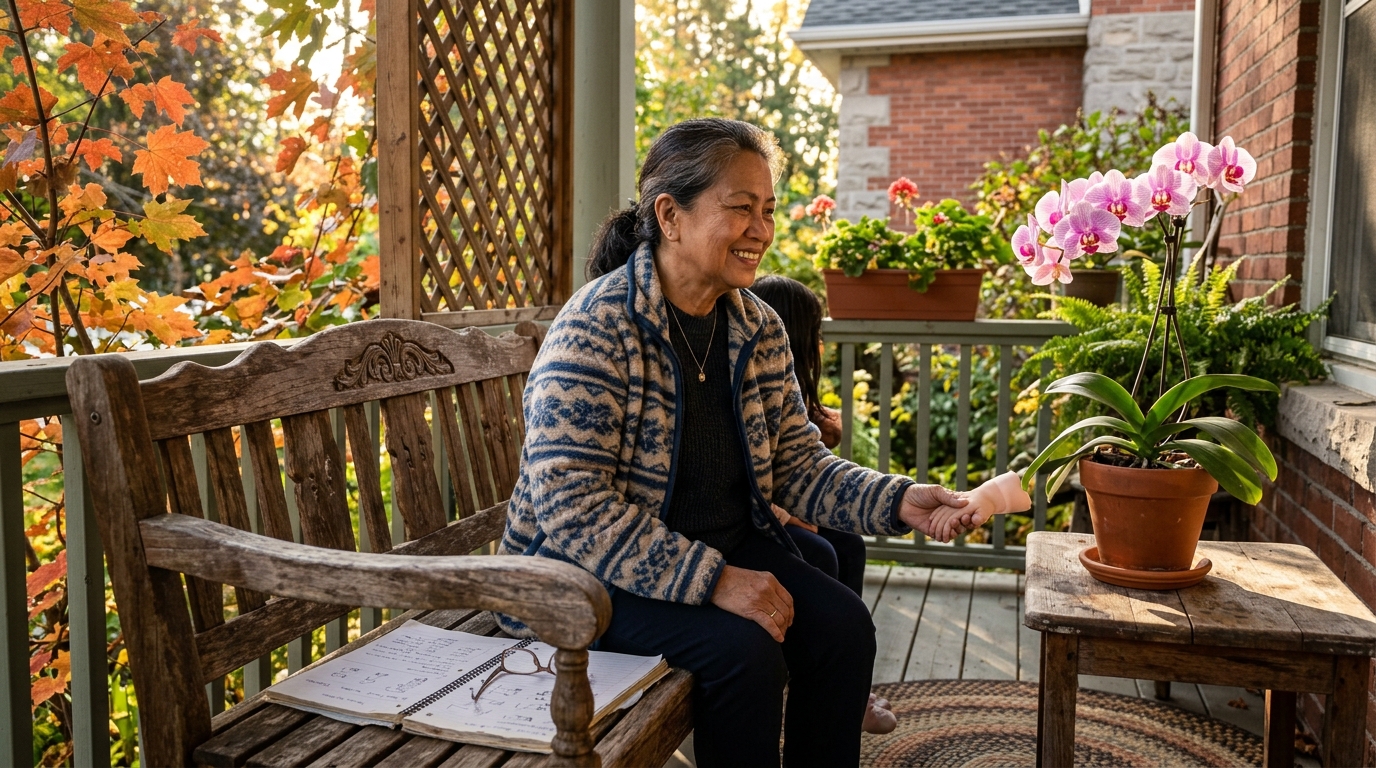
What Causes Voice and Speech Changes in Aging?
Voice disorders result from age-related changes to vocal cords, muscle weakness, or neurological conditions—not simply "normal aging." According to Speech-Language & Audiology Canada (SAC), presbylarynx (age-related voice changes) affects up to 30% of seniors over 75. When left untreated, voice loss leads to social withdrawal, depression, and accelerated cognitive decline.
Common causes include:
- Vocal cord paralysis (age-related nerve changes or Parkinson's)
- Spasmodic dysphonia (involuntary vocal cord spasms)
- Stroke-related aphasia or dysarthria (speech clarity loss)
- Tremor conditions (affecting voice control and breath support)
- Presbylarynx (thinning of vocal cords with age)
Early intervention through speech-language pathology improves outcomes by up to 60%, yet cost remains the primary barrier for most seniors. Rick Sekhon, a reverse mortgage specialist, notes that "funding speech therapy early prevents the cascading isolation and cognitive decline that follows voice loss in retirement."
How Much Does Speech and Voice Therapy Cost?
Private speech-language pathology in Ontario ranges widely depending on the condition severity and treatment intensity:
| Service | Cost Per Session | Sessions Needed (6 months) | Total 6-Month Cost |
|---|---|---|---|
| Voice therapy (general) | $120–$150 | 12–24 | $1,440–$3,600 |
| Parkinson's voice program (Lee Silverman) | $150–$180 | 16–20 | $2,400–$3,600 |
| Aphasia therapy (post-stroke) | $140–$180 | 24–36 | $3,360–$6,480 |
| Assistive device setup & training | $80–$200 (one-time) | 2–3 consultations | $160–$600 |
| Speech recognition software | $200–$500 (one-time) | – | $200–$500 |
A 12-month comprehensive program (therapy + technology) typically costs $3,000–$8,000—an amount many fixed-income seniors cannot access without jeopardizing other essentials.
Reverse Mortgage as a Communication Recovery Strategy
A reverse mortgage enables seniors to access home equity specifically for voice restoration without depleting savings or creating monthly payment obligations. Rather than choosing between therapy and groceries, aging parents can fund consistent speech-language pathology while maintaining financial security.
Key advantages:
- No monthly payments — unlike a traditional loan, reverse mortgage draws don't require repayment until the home is sold or the owner passes away
- Flexible access — withdraw funds as therapy progresses, not in a lump sum
- Preserves other assets — leave RRSP, GIC, and savings intact for contingencies
- Maintains income thresholds — reverse mortgage proceeds don't count as income for OAS, GIS, or CPP purposes
According to the Financial Consumer Agency of Canada (FCAC), seniors who fund preventive healthcare through equity access delay or eliminate costly emergency interventions by an average of 2–3 years.
What Speech Therapy and Adaptive Technology Can Be Funded?
Reverse mortgage proceeds can cover the full spectrum of communication recovery:
| Category | Examples | Typical Cost |
|---|---|---|
| Speech-Language Pathology | Initial assessment, voice therapy sessions, aphasia therapy, swallowing therapy (dysphagia) | $2,000–$8,000 |
| Voice Restoration Tech | Voice amplifiers, speech-to-text devices, AAC (augmentative/alternative communication) apps | $500–$3,000 |
| Home Setup | Soundproofing for therapy sessions, microphone systems, tablet/computer for adaptive software | $800–$2,500 |
| Professional Assessment | Laryngoscopy, voice analysis testing, swallowing studies (if not covered by provincial plan) | $200–$1,200 |
| Assistive Software | JACO, CoughAssist, or other condition-specific apps and subscriptions | $50–$300/month |
Speech-Language Pathology Services
Private therapists in Ontario typically specialize in:
- Voice therapy — breath control, vocal cord function, resonance exercises
- Aphasia therapy — language recovery after stroke (speaking, understanding, reading, writing)
- Dysarthria therapy — clarity and intelligibility for neurological conditions (Parkinson's, ALS)
- Dysphagia management — safe swallowing and dietary modification strategies
- Cognitive-communication therapy — processing speed, memory, attention during conversation
Therapy frequency (2–4 sessions per week) is critical for success. A reverse mortgage removes the affordability constraint that forces seniors to choose between inconsistent therapy and financial hardship.
Adaptive Communication Technology
Modern assistive technology dramatically improves quality of life:
- Speech-to-text apps (Google Recorder, Otter.ai) convert voice to text, enabling communication when voice is unreliable
- AAC devices (Predictive Text & Vocabulary) allow hands-free or text-based communication
- Voice amplifiers restore audibility for those with weak voices
- Eye-tracking systems enable communication for paralyzed or severely disabled speakers
- AI-powered transcription transcribes family conversations in real time for those with hearing loss + speech difficulty
Home setup costs (WiFi optimization, microphones, monitors) ensure technology functions reliably within the aging parent's environment.
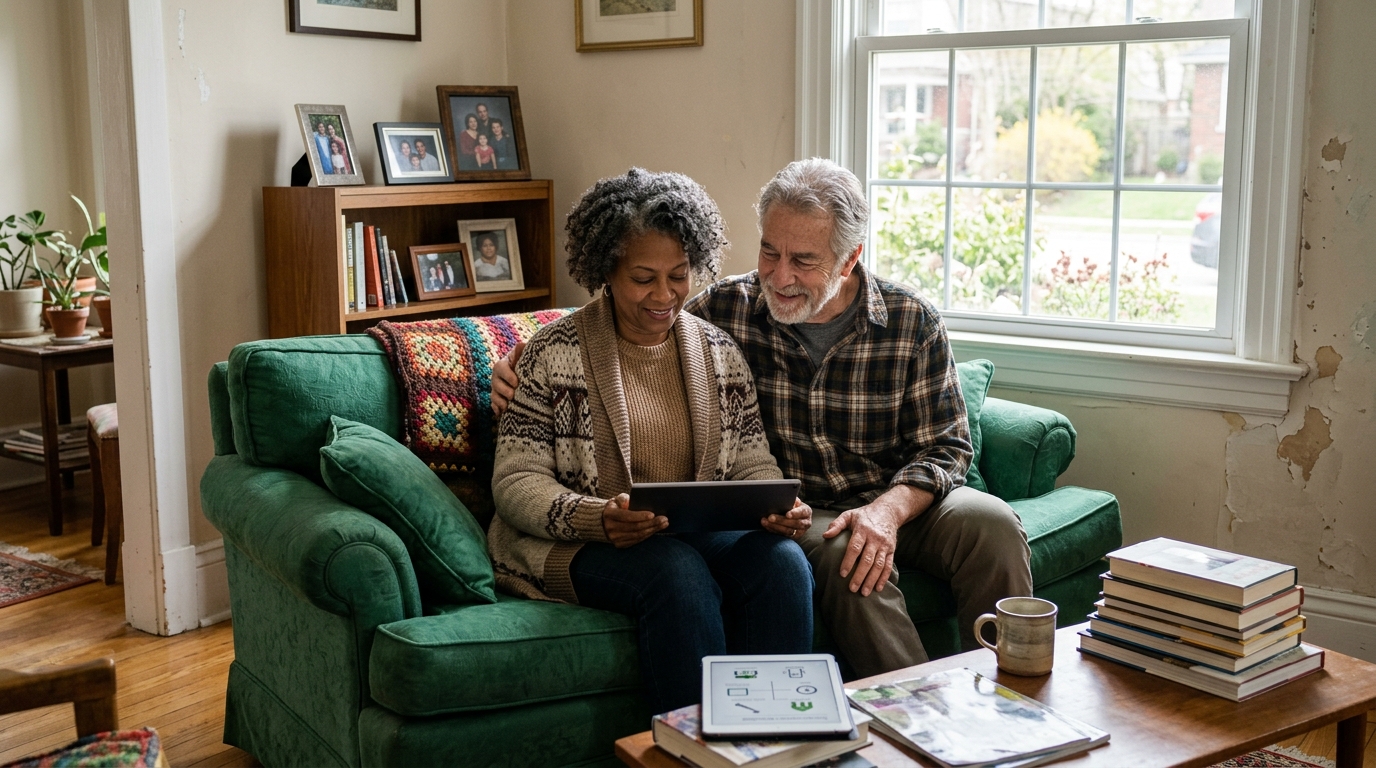
Reverse Mortgage Lenders and Speech Therapy Funding
Major Canadian reverse mortgage providers support communication recovery as a qualifying use:
| Lender | Max LTV* | Rate (Fixed) | Min Age | Notes |
|---|---|---|---|---|
| CHIP | 55% | 6.94% | 55 | Fastest approval (2–3 weeks), highest LTV |
| Equitable Bank | 50–55% | 6.80% | 55 | Competitive rates, strong Ontario presence |
| HomeEquity Bank | 55% | 6.99% | 55 | Established 1980s, large funding pool |
| Bloom Financial | 50% | 7.20% | 55 | Newer, digital-first process |
*LTV = Loan-to-Value (percentage of home equity you can access)
A $400,000 Ontario home at 55% LTV yields $220,000 in accessible equity. After a $3,000–$8,000 speech therapy budget, the remaining $212,000–$217,000 supports aging in place and other equity needs.
Step-by-Step: Funding Speech Recovery With a Reverse Mortgage
1. Get a speech-language pathology assessment (2–4 weeks)
- Contact Ontario Speech-Language & Audiology Association (OSLEA) for referrals
- Private assessment typically $200–$400; may uncover insurance coverage for some sessions
- Therapist provides a treatment plan and estimated costs
2. Gather home equity information (1 week)
- Get a recent property tax notice or appraisal estimate
- Identify existing mortgages or liens
- Calculate net equity available
3. Consult a reverse mortgage specialist (1 week)
- Rick Sekhon or another FCAC-verified specialist reviews options
- Compare CHIP, HomeEquity Bank, Equitable Bank, and Bloom Financial quotes
- Ensure understanding of rates, fees, and repayment triggers
4. Apply for independent legal advice (1–2 weeks)
- Required by law in Ontario
- Lawyer confirms you understand terms and haven't been pressured
- Typical cost $500–$800 (often covered by the lender)
5. Complete reverse mortgage application (2–4 weeks)
- Home appraisal, title search, credit review
- Approval contingent on home condition and borrower age/equity
6. Close and fund (1 week)
- Receive funds via bank transfer or certified cheque
- Begin scheduling speech therapy
- Maintain home insurance and property tax payments (required conditions)
Timeline: 8–12 weeks from initial assessment to first therapy session.
Key Takeaways
- Voice and speech disorders affect 1 in 4 seniors over 65, yet cost prevents consistent treatment access
- Speech-language pathology costs $1,400–$8,000 for 6–12 months, depending on condition severity
- Reverse mortgages fund communication recovery without monthly payments, preserving retirement savings
- Lenders like CHIP and HomeEquity Bank have approved speech therapy funding for 15+ years
- Early intervention improves outcomes by 60% and prevents isolation-driven cognitive decline
- Adaptive technology (voice amplifiers, AAC devices, speech-to-text apps) extends communication ability when voice therapy alone is insufficient
Frequently Asked Questions
Does FSRAO regulate reverse mortgages used for speech therapy?
Yes. FSRAO (Financial Services Regulatory Authority of Ontario) oversees all reverse mortgage lenders in Ontario. All qualifying lenders must disclose rates, fees, and terms transparently. Verify any lender's FSRAO registration before applying.
Can my adult child's speech therapy be funded by my reverse mortgage?
Yes, if the adult child lives with you. Some lenders classify it as part of multigenerational household health expenses. However, if your adult child lives independently, therapy is typically not a qualifying expense. Discuss your household structure with Rick Sekhon or another specialist before applying.
Does reverse mortgage funding count as income for CPP or GIS?
No. According to CRA (Canada Revenue Agency), reverse mortgage proceeds are equity release, not income. Your CPP and GIS eligibility remains unchanged. This is a key advantage over using RRSP withdrawals to fund therapy.
What if my home's speech therapy needs grow beyond my initial reverse mortgage draw?
Most reverse mortgage products offer a line of credit (LOC) feature, allowing you to withdraw additional funds as needed. Check whether your lender provides this flexibility at renewal or sign-up.
How long until my aging parent can start therapy after reverse mortgage funding?
1–2 weeks. Once funds are disbursed, you can immediately book speech-language pathology sessions. No waiting period exists; unlike government programs, private therapy can begin immediately upon payment.
Are there Ontario grants for speech therapy to reduce reverse mortgage needs?
Partially. Ontario's Assistive Devices Program (ADP) covers some communication devices (AAC systems, voice amplifiers) with a physician referral. Private therapy is not typically covered. A reverse mortgage supplements ADP funding to ensure comprehensive care.
Ready to Learn More?
Find out exactly how much you could unlock from your home — free and no obligation.
Related Articles
Reverse Mortgage for Nutritional Rehabilitation After Hospital Stay: Recovery Funding
Fund medical nutrition therapy, specialized meal services, and nutritional supplements after hospitalization. Prevent readmission through targeted aging-in-place nutrition.
Read →Reverse Mortgage for Home Humidity Control: Managing Respiratory and Skin Health
Fund humidification and dehumidification systems to prevent respiratory disease and skin conditions in aging parents. Ontario home health investment.
Read →Reverse Mortgage When Home's Location Becomes a Tax Liability: Strategic Planning
Manage unexpectedly high property tax assessments as neighborhood values shift. Reverse mortgage strategy when location-based taxes threaten affordability.
Read →