
Reverse Mortgage for Multilingual Household Caregiving: Language Support and Cognitive Decline Management
Fund bilingual caregivers, professional interpreters, and language-specific cognitive assessment for aging parents in Ontario multilingual homes.
How do you care for an aging parent whose first language is not English, especially as cognitive decline makes communication difficult? Multilingual families face a hidden cost crisis: hiring bilingual caregivers, interpreter services, and language-specific cognitive assessments can cost 30–50% more than standard English-only care—but a reverse mortgage can bridge this gap.
Aging in a multilingual household adds layers of complexity most seniors' planning assumes away. Your aging parent's cognitive decline may manifest differently in their primary language than in English. Dementia screening tools are normed for English speakers. Home care agencies struggle to find caregivers fluent in both your parent's language and specialized aging care. The costs compound rapidly.
The Hidden Costs of Multilingual Aging-in-Place
Multilingual aging adds these expenses not typically considered in single-language households:
- Bilingual caregiver premium: 20–35% higher wage than monolingual caregivers
- Professional interpreter services: $50–$100+ per hour for medical/legal interpretation
- Language-specific cognitive assessments: $3,000–$5,000 (specialized neuropsychologists)
- Translated medical documents: $200–$500+ per document set
- Specialized dementia care in parent's language: 40% higher cost than standard facilities
- Adult child's lost productivity: Serving as informal translator (unpaid labor)
For a parent requiring 8 hours/day of home care, multilingual needs can cost $50,000–$100,000 more over 5 years than monolingual care.
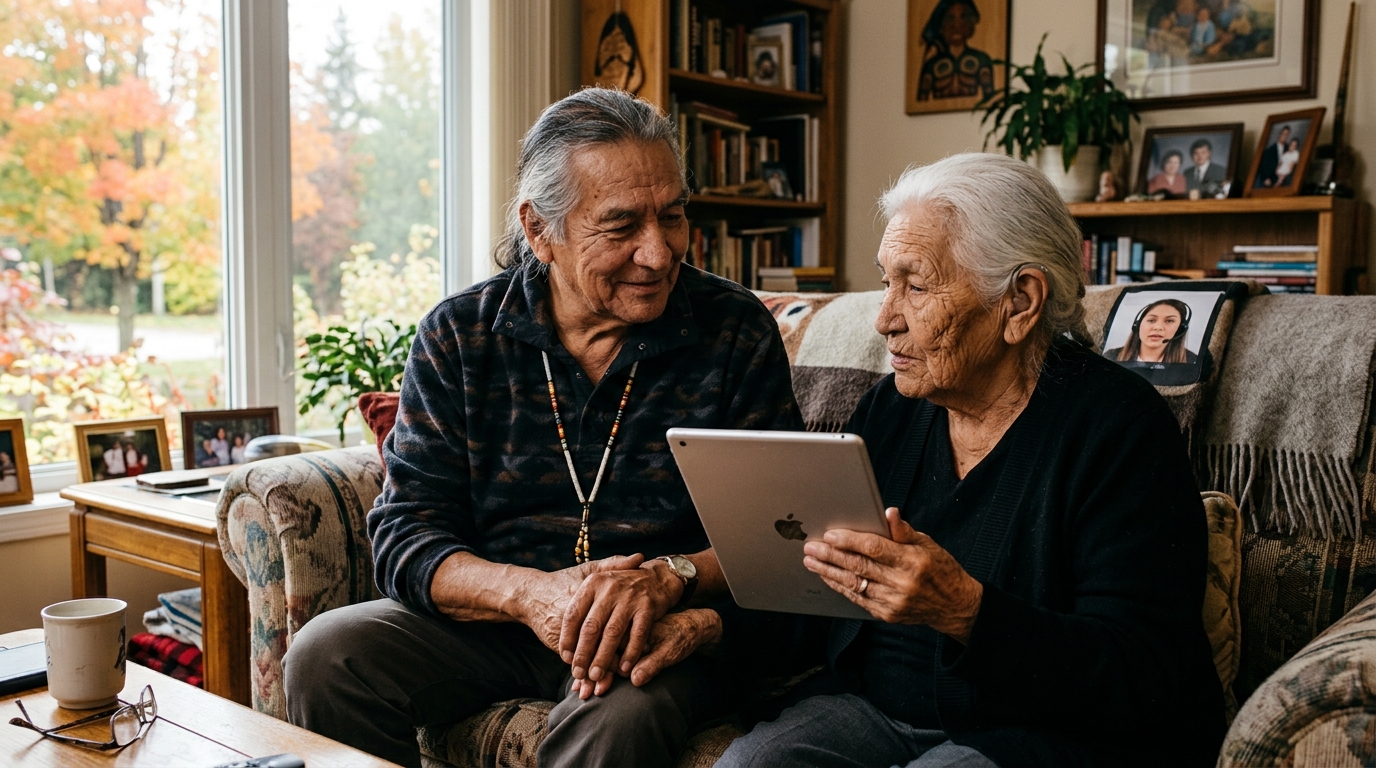
According to Statistics Canada, 22% of Canadians are multilingual. Among seniors 65+, 33% in Ontario report a mother tongue other than English or French. Yet mainstream aging-care planning largely ignores language complexity—creating a cost blindside for immigrant families.
Why Multilingual Cognitive Decline Is Particularly Challenging
Cognitive decline in multilingual individuals presents unique diagnostic and care challenges:
Language Dominance Shifts During Dementia
As cognitive decline progresses, multilingual individuals often regress to their earliest-learned language (usually their mother tongue). Your aging parent may:
- Forget English vocabulary progressively while retaining their first language longer
- Become unable to communicate with English-speaking grandchildren
- Respond only to care instructions in their primary language
- Experience "catastrophic reaction" (agitation, confusion) when addressed in a non-primary language
Implication: Caregivers must speak your parent's primary language fluently, not just English. This limits the available caregiver pool in Ontario.
Cognitive Assessment Complexity
Standardized dementia screening tests (Mini Cognitive Assessment, Montreal Cognitive Assessment) are primarily normed for English speakers. When administered in a second language or through a translator:
- False positives occur (apparent language loss looks like memory loss)
- Cultural factors in cognition are missed (e.g., different conceptual groupings in different languages)
- Bilingual people's brains store information differently; standard tests don't capture this
Implication: Your parent needs a specialized neuropsychologist with multilingual assessment expertise, not a standard physician. These specialists are rare in Ontario; costs are $3,000–$5,000 for comprehensive testing.
Caregiver Shortages in Multilingual Care
Ontario's home care system is English-centric. Finding caregivers fluent in Mandarin, Tagalog, Punjabi, Italian, Spanish, or other languages is difficult. When found:
- Wages are 20–35% higher (demand exceeds supply)
- Availability is limited (concentrated in Toronto/GTA)
- Qualifications vary (some lack formal PSW certification)
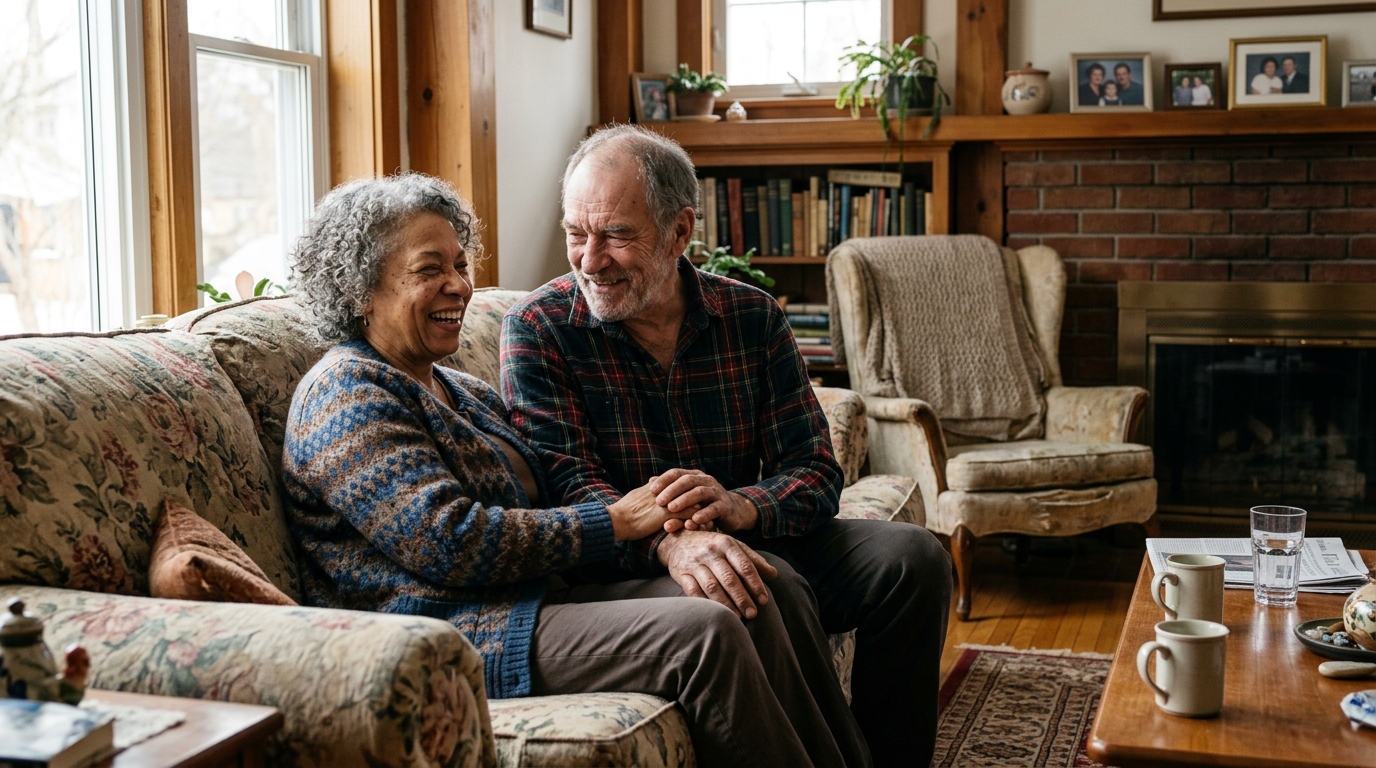
According to FCAC, immigrant seniors are among the most financially vulnerable populations because planning typically assumes English-language care and ignores language-based cost premiums. Many families discover these costs only after a crisis (stroke, dementia diagnosis) when alternatives are limited.
Cost Breakdown: 5-Year Multilingual Aging-in-Place Scenario
| Cost Category | English-Only Home Care | Multilingual Home Care | Annual Difference |
|---|---|---|---|
| Home Care (8 hrs/day, 5 days/week) | $32,000/year | $41,000/year (25% bilingual premium) | +$9,000 |
| Professional Interpreters (medical, legal, financial) | $0 | $4,000/year (40 hours × $100/hr) | +$4,000 |
| Cognitive Assessment (every 2 years) | $1,500/year avg | $4,000/year avg (specialized multilingual) | +$2,500 |
| Translated Medical/Legal Documents | $500/year | $2,000/year | +$1,500 |
| Adult Child's Unpaid Translation Time | $0 | $6,000/year (150 hours × $40/hr opportunity cost) | +$6,000 |
| 5-YEAR TOTAL | $170,000 | $267,500 | +$97,500 |
Over five years, multilingual aging-in-place costs 57% more than English-only care. Most families don't budget for this gap.
Reverse Mortgage Strategy for Multilingual Households
A reverse mortgage provides the equity buffer to fund multilingual care expenses without depleting retirement savings or burdening adult children with translation duties.
Scenario: Toronto Multilingual Family, Mandarin-Speaking Parent
Aging parent: Lin, age 76, primary language Mandarin (Ontario resident 28 years, speaks English fluently but losing vocabulary in dementia stage).
Adult children: Two children; one bilingual (Mandarin-English), one English-only.
Situation: Lin's memory declining; requires 8 hours/day home care. English-only PSW available at $32,000/year. Bilingual PSW available at $41,000/year (25% premium). Cognitive assessment needed in Mandarin (neuropsychologist specializing in multilingual aging: $4,000 one-time).
Home value: $825,000 (Toronto)
Options:
- English-only caregiver ($32k/year) → frequent miscommunications, behavioral crises when Lin regresses to Mandarin-only
- Bilingual caregiver ($41k/year) → continuous bilingual care; smoother emotional/cognitive support
- Reverse mortgage to cover the difference
Lin's adult children chose reverse mortgage:
- Available reverse mortgage capacity: ~$371,250 (45% LTV)
- Borrowed: $60,000 (lump sum to cover 5-year care premium gap + assessment)
- Rate: 6.99% (HomeEquity Bank, 2026)
- Monthly payment: $0 (interest accrues; due at sale/passing)
- Impact: Bilingual caregiver hired; cognitive assessment in Mandarin completed; adult child (bilingual) partially freed from unpaid translation duty
Outcome: Lin's quality of life improved significantly. Communication with caregiver is fluent. Cognitive decline recognized earlier through culturally-appropriate assessment. Adult children experience less caregiver stress and emotional burden of constant translation.
Professional Support Resources for Multilingual Aging
Ontario has specialized services, though often not well-known:
| Service | Cost | Description | Ontario Access |
|---|---|---|---|
| Multilingual Neuropsychological Assessment | $3,000–$5,000 | Dementia/cognitive screening in multiple languages | St. Michael's Hospital (Toronto); private practices |
| Professional Medical Interpreters | $50–$100/hour | Certified interpreters for medical appointments | hospitals cover some; private cost varies |
| Bilingual PSW Home Care | +20–35% vs. English | Certified personal support workers fluent in specific languages | Agencies (Select Home Care, Bayshore); private hiring |
| Multilingual Dementia Support Groups | $0–$20/session | Peer support in parent's language | Some offered by Alzheimer Society chapters |
| Translated Healthcare Power of Attorney | $500–$1,500 | Legal documents translated into parent's language | immigration lawyers; some legal clinics |
Key Takeaways
- Multilingual aging care costs 30–57% more than English-only care ($97,500–$170,000+ over five years); most families don't budget for this hidden cost.
- Cognitive decline in multilingual seniors regresses to earliest-learned language, requiring caregivers fluent in parent's primary language—limiting caregiver availability and increasing wages 20–35%.
- Standardized dementia screening tools fail multilingual patients; specialized multilingual neuropsychological assessment costs $3,000–$5,000 but is critical for accurate diagnosis.
- A reverse mortgage funds the difference between English-only and multilingual care without depleting retirement savings or burdening adult children with unpaid translation duties.
- FSRAO-regulated lenders (CHIP, HomeEquity Bank, Equitable Bank) understand emergency situations and can approve quickly for multilingual aging crises.
- Your adult child's unpaid translation and interpretation work has real economic value (~$40/hour opportunity cost); outsourcing to professional interpreters via reverse mortgage frees them to focus on career and family.
Frequently Asked Questions
Does Ontario's provincial health system cover multilingual caregiver premiums?
No. MOH-funded home care (8 hours/week if approved) is provided in English. Bilingual premium costs are private responsibility. Long-term care homes rarely accommodate language preferences; residents often face language-only care at end of life.
Can adult children claim unpaid caregiver translation time as a tax deduction?
No. Unpaid family labor (translation, caregiving) is not tax-deductible. However, hiring professional interpreters is tax-deductible for your aging parent (if they run a business or have medical expenses). Using a reverse mortgage to pay for professional interpretation frees your adult child's time while potentially creating tax deductions.
Are there government grants for multilingual home care in Ontario?
Limited. Some municipalities offer small grants for ESL seniors' programming, but not for bilingual caregiver costs. Registered Disability Savings Plans (RDSP) can fund certain supports if your parent has a disability; consult a financial advisor on eligibility.
What if my aging parent's cognitive decline worsens and they need specialized long-term care?
Finding multilingual long-term care facilities in Ontario is difficult. Most offer English-only care. A reverse mortgage can fund:
- Private long-term care (multilingual options in Toronto; $3,000–$5,000/month premium)
- Aging-in-place extended care (hire caregivers to delay or prevent institutional care)
- Cross-border care relocation (if parent prefers to return to home country; reverse mortgage can fund relocation travel and setup)
Should I hire an interpreter or rely on my adult child for medical appointments?
Hire a professional interpreter whenever possible. Using adult children as interpreters creates liability (medical decisions made on inadequate information), emotional burden (hearing difficult diagnoses), and lost work productivity. A professional interpreter costs $50–$100/hour—often worth it for medical accuracy and family peace.
Empower Multilingual Aging Today
Multilingual families are aging rapidly in Ontario, but most planning tools ignore language complexity. A reverse mortgage provides the financial flexibility to fund specialized multilingual care without compromising your retirement or burdening adult children with unpaid caregiving translation.
Contact Rick Sekhon Reverse Mortgages, CHIP, HomeEquity Bank, or Equitable Bank for a free estimate. Discuss your multilingual aging goals—lenders increasingly understand these scenarios.
Your parent's dignity and cognitive support depend on language-appropriate care. Make it possible.
Ready to Learn More?
Find out exactly how much you could unlock from your home — free and no obligation.
Related Articles
Reverse Mortgage for Aging Parent's Water Quality and Medication-Nutrient Interaction Management
Fund water quality testing, medication-nutrient interaction assessment, and specialized supplementation for aging parents in Ontario.
Read →Reverse Mortgage for Mandatory Utility Infrastructure Upgrades: Electrical, Water, and Gas Code Compliance
Fund mandatory home utility infrastructure upgrades—electrical panels, water systems, gas lines—to maintain code compliance and aging in place in Ontario.
Read →Reverse Mortgage Before Industrial Rezoning: Securing Equity When Your Neighborhood Changes
Protect your home equity with a reverse mortgage before industrial rezoning or commercial development reduces your property value in Ontario.
Read →