
Reverse Mortgage for Aging Parent's Hobby Farm Expansion: Growing Your Agricultural Operation
Expand your hobby farm or small agricultural operation with a reverse mortgage—livestock infrastructure, land improvements, and equipment funding in Ontario.
You've built a small hobby farm over the years, but expanding to raise livestock, add infrastructure, or develop new revenue streams requires capital that's tied up in equipment, land, and animal housing. A reverse mortgage can unlock that equity to scale your agricultural operation without selling off portions of your property.
Many Ontario homeowners 60+ have successful small farms—they raise chickens, goats, alpacas, or maintain market gardens. But growth stalls without funding for barns, fencing, automated watering systems, feed storage, and animal acquisition. A reverse mortgage provides the capital to expand while you remain in your home.
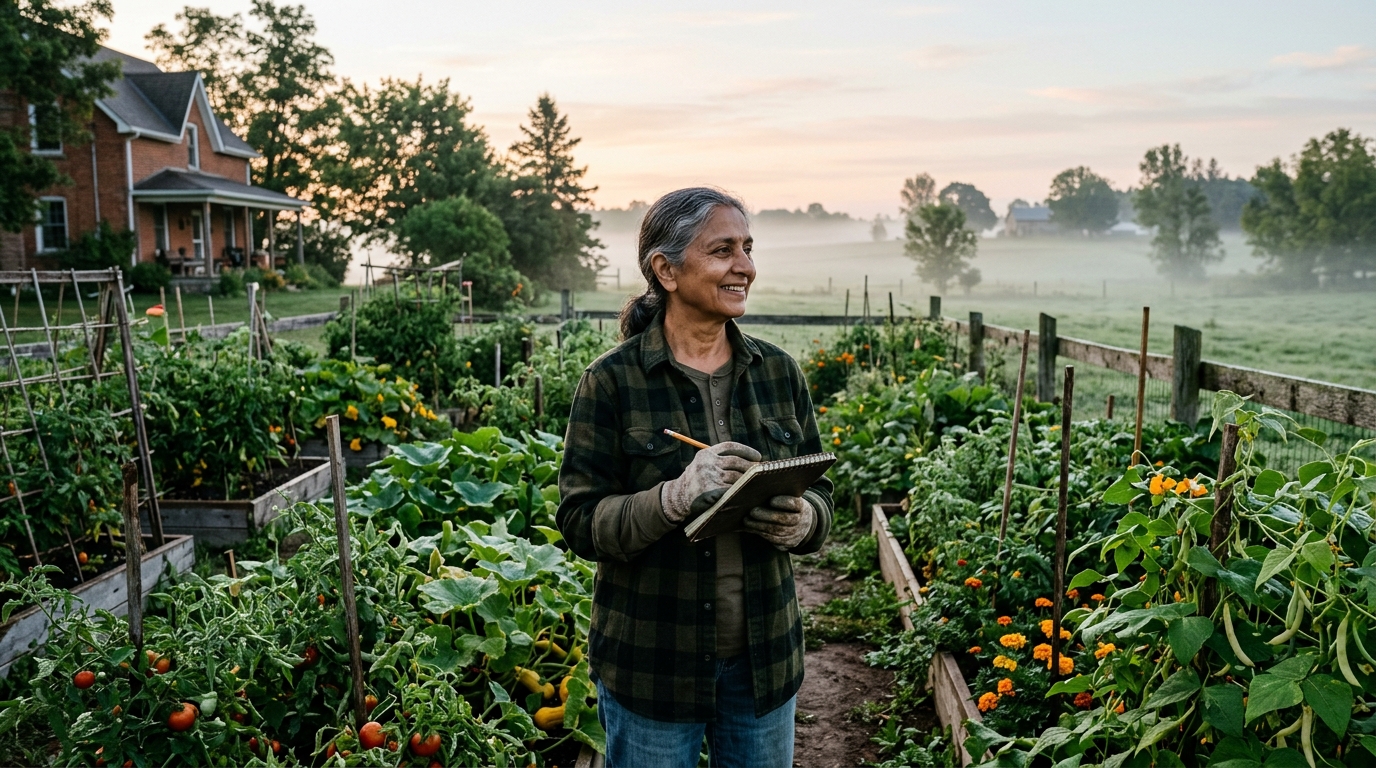
Why Hobby Farm Expansion Requires Significant Capital
Agricultural infrastructure is expensive, and most traditional lenders won't finance hobby farms. Banks classify farms generating under $30,000/year as "hobby farms" and offer poor lending terms. Farmers in this category typically have limited options: take out high-interest personal loans, liquidate other assets, or stall growth.
According to Statistics Canada, the average small farm operation in Ontario requires $15,000–$45,000 in capital for livestock housing, fencing, equipment, and initial animal stock. Expansion (moving from 10 chickens to 50, or adding goats to an existing chicken operation) typically costs $20,000–$80,000.
Typical hobby farm expansion costs:
- Barn or livestock shelter construction: $8,000–$30,000
- Fencing and perimeter enclosure: $2,000–$10,000
- Automated systems (watering, feeding, heating): $3,000–$8,000
- Initial livestock stock (goats, chickens, alpacas, sheep): $2,000–$15,000
- Equipment (feeders, waterers, handling equipment): $1,500–$5,000
- Infrastructure (electrical, water lines, permit costs): $3,000–$12,000
- Working capital for first year of operation: $3,000–$8,000
Total expansion: $22,500–$88,000.
Reverse Mortgage as the Ideal Funding Solution for Farm Operators
Unlike banks, reverse mortgage lenders (like CHIP, HomeEquity Bank, Bloom Financial, and Home Trust) don't scrutinize business plans. They care about one thing: your home's value and your age. Once funds are released, how you use them is your decision.
For hobby farmers, this freedom is transformational. You can:
- Build new infrastructure without proof of existing farm profitability
- Access capital that traditional farm loans would deny
- Keep your agricultural operation independent (no business co-borrowers or guarantees)
- Maintain full ownership of your farm and home
- Preserve your equity for estate planning
Reverse mortgage available equity by age and home value:
| Home Value | Age 62-65 | Age 65-70 | Age 70-75 | Age 75+ |
|---|---|---|---|---|
| $400,000 | $60,000–$120,000 | $80,000–$160,000 | $100,000–$180,000 | $120,000–$200,000 |
| $600,000 | $90,000–$180,000 | $120,000–$240,000 | $150,000–$270,000 | $180,000–$300,000 |
| $800,000 | $120,000–$240,000 | $160,000–$320,000 | $200,000–$360,000 | $240,000–$400,000 |
Bottom line: A $600,000 hobby farm property in Ontario owned by a 68-year-old can unlock $120,000–$240,000 for expansion—more than enough for most small-scale livestock operations.
Profitable Farm Operations That Pay Back the Reverse Mortgage
Hobby farms that generate revenue can potentially offset your reverse mortgage interest, creating a sustainable expansion strategy.
| Farm Type | Annual Revenue Potential | Initial Investment | Payback Period | Net Profit Margin |
|---|---|---|---|---|
| Egg layers (50 chickens) | $3,000–$6,000 | $4,000–$8,000 | 1–2 years | 40–50% |
| Meat chickens (100 birds/year) | $4,000–$8,000 | $5,000–$10,000 | 1–2 years | 35–45% |
| Dairy goats (3–5 goats) | $6,000–$12,000 | $8,000–$15,000 | 1.5–2.5 years | 40–50% |
| Alpaca fiber & agritourism | $5,000–$15,000 | $10,000–$25,000 | 2–3 years | 30–40% |
| Honey bees (10 hives) | $2,000–$5,000 | $2,000–$4,000 | 1 year | 50–60% |
| Market garden/CSA (0.5 acre) | $8,000–$15,000 | $3,000–$6,000 | 1 year | 50–65% |
Example: You invest $12,000 from your reverse mortgage into dairy goat housing, fencing, and 4 goats. In year one, you sell goat milk to local cheese makers and earn $8,000. That income can help offset the reverse mortgage interest accumulating on your loan balance—creating a partial self-funding scenario.
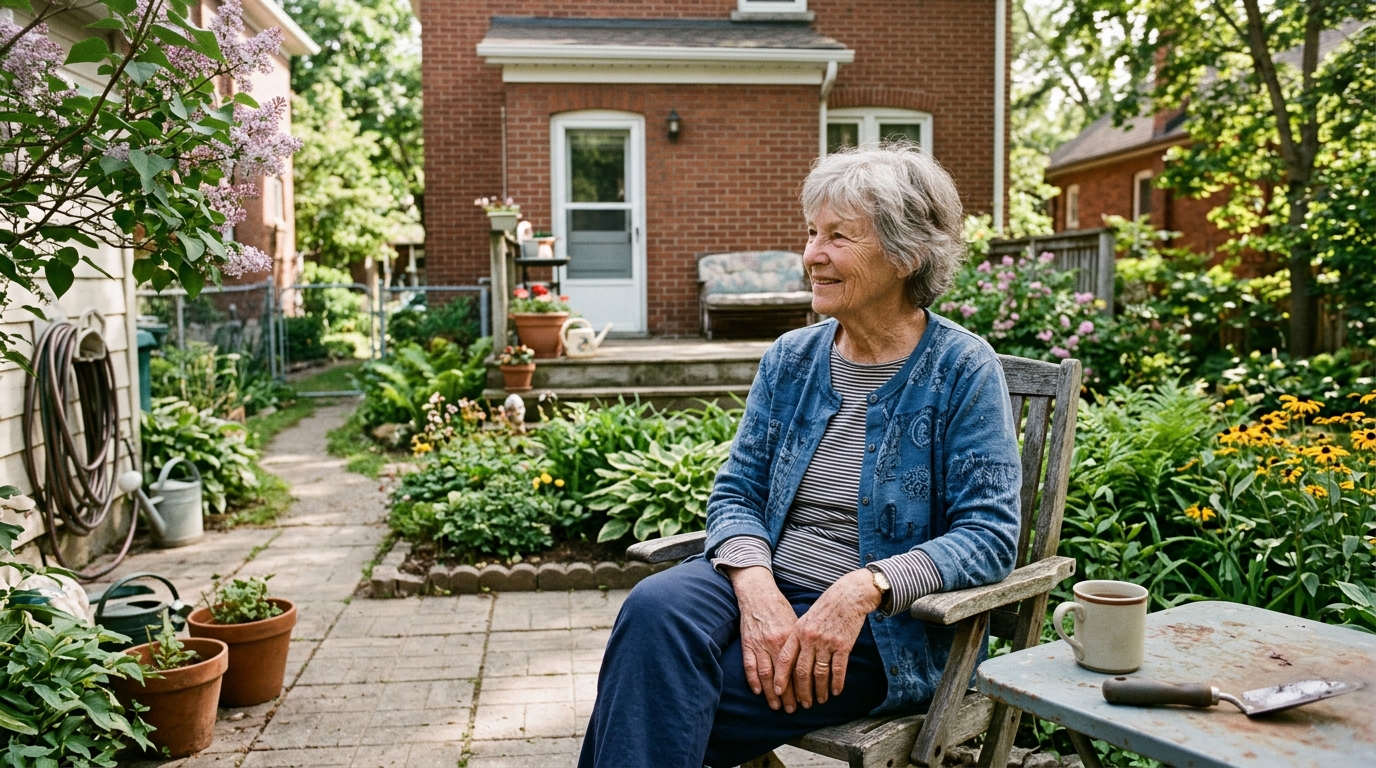
Real Ontario Farm Example: From Chicken Keeper to Mixed Operation
Jennifer, 66, lived on 3 acres outside Cambridge with 20 backyard chickens.
Her reverse mortgage: $600,000 home, access to $180,000
Initial expansion (Year 1): $35,000
- Built a larger chicken coop & run: $8,000
- Added 40 additional chickens: $2,000
- Installed automated watering & feeding: $4,000
- Purchased goat housing & fencing: $12,000
- Acquired 3 dairy goats: $6,000
- Working capital: $3,000
Year 1 Results:
- Egg sales (60 chickens @ $3/dozen): $10,800
- Goat milk sales (to local cheese maker): $8,400
- Total Year 1 revenue: $19,200
- Reverse mortgage interest cost (~4.5% on $35,000): $1,575
- Net positive return to offset interest: $17,625
By year 2, Jennifer expanded to 5 goats and added a market garden. Her total operation generates $28,000/year—enough to pay her property taxes, insurance, and partial reverse mortgage interest, while she maintains the lifestyle she loves: raising animals, aging in place on her farm, and maintaining financial independence.
Estate Planning Consideration: Preserving Your Farm for Heirs
A critical advantage of using a reverse mortgage for farm expansion: your heirs inherit the expanded, more valuable farm operation—not a struggling small-scale version.
For example, if you inherit a 3-acre property with 20 chickens (worth minimal), and invest $40,000 in expansion to build it into a $40,000/year revenue operation, the estate value increases substantially. Your heirs inherit:
- The expanded agricultural infrastructure
- An established market (buyers for eggs, goat milk, honey, etc.)
- Documented revenue history
- A more marketable property
After your death, your heirs have three options: continue the farm (revenue-generating), sell it for more (expanded infrastructure added value), or pay off the reverse mortgage using the farm's market value and keep the home.
How to Structure Your Reverse Mortgage for Farm Expansion
According to the Financial Consumer Agency of Canada (FCAC), reverse mortgage funds can be used for any purpose, including home improvements, business expansion, or lifestyle funding—there are no restrictions on use once funds are in your account.
The timeline looks like:
- Month 1: Apply for reverse mortgage; lender appraises your property
- Month 2: Get approved; choose fixed or variable rate, lump sum or line of credit
- Month 3: Close the reverse mortgage; funds deposited to your bank account
- Months 4–6: Use funds to build barns, purchase livestock, install infrastructure
- Ongoing: Farm operation generates revenue; you decide whether to use that income to offset reverse mortgage interest or fund other household needs
The key advantage: you own the farm free and clear (your reverse mortgage is against your home, not the farm). If you want to sell the farm operation separately later, you can—the reverse mortgage doesn't claim the farm assets.
Key Takeaways
- Hobby farm expansion (livestock, barns, infrastructure) requires $22,500–$88,000 that most traditional lenders won't provide
- A reverse mortgage on a $600,000 property at age 68+ typically unlocks $120,000–$240,000, enough for significant agricultural expansion
- Profitable farm operations (dairy goats, egg layers, market gardens) generate $3,000–$15,000/year, creating partial self-funding scenarios that offset reverse mortgage interest
- Your heirs inherit an expanded, revenue-generating farm operation, not a struggling small-scale setup
- The farm operation stays separate from the reverse mortgage—if you ever sell the farm, that equity is yours to keep
- Fixed-rate reverse mortgages protect against interest rate spikes, ensuring your expansion plan remains sustainable long-term
Frequently Asked Questions
What if my hobby farm operation doesn't generate as much revenue as I expect?
The reverse mortgage obligation is yours alone—not dependent on farm success. If your goat dairy operation underperforms, your reverse mortgage doesn't disappear. You'll owe interest on the borrowed amount. The advantage: you have time to adjust your farm model, add new product lines (goat cheese, fiber), or pivot to agritourism (farm tours, workshops). Many Ontario farms transition through several revenue models over 5–10 years.
Can I use reverse mortgage funds to buy additional land for expansion?
Most reverse mortgages limit use to the primary residence and immediate improvements. You cannot typically borrow against your home to buy more farmland. However, if you already own adjacent land free and clear, you can use reverse mortgage funds to develop that land (build barns, install fencing, add infrastructure). Consult Rick Sekhon Reverse Mortgages about your specific situation.
What if I want to transition to full-time farming—does that affect my reverse mortgage?
No, a reverse mortgage has no impact on your employment status. If you transition from hobby farm to commercial agriculture, your reverse mortgage terms remain unchanged. However, check your homeowner's insurance—commercial operations may require different coverage than hobby farms. Work with your insurance broker to ensure your policy covers increased livestock, equipment, and visitor liability.
How do I know if I can afford the reverse mortgage interest on my fixed income?
You don't have to pay interest immediately—it compounds over time. Many retirees live on fixed income (CPP, OAS, pension) and don't pay down the reverse mortgage. Interest accrues and the debt grows, but only when you die or move does the property sale settle the loan. However, if your farm generates $10,000+/year in revenue, consider directing some profit toward interest payments to reduce long-term costs. Ask Rick Sekhon Reverse Mortgages about prepayment options without penalties.
What's the difference between a variable-rate and fixed-rate reverse mortgage for a long-term farm expansion?
Fixed rates lock your interest rate for 5–7 years; variable rates fluctuate with market conditions. For a $40,000+ farm expansion you plan to maintain for 10+ years, a fixed rate ($35,000–$40,000 total cost @ 4.8% fixed) provides predictability. A variable rate (~4.2% starting) seems cheaper but could spike to 6–7% if rates rise, increasing your total cost by $10,000+. For peace of mind, fixed rates are usually worth the slightly higher initial rate.
Can my adult children help operate the farm even though I hold the reverse mortgage?
Absolutely—family members can work the farm without affecting your reverse mortgage. Your reverse mortgage is your personal debt against your home; it doesn't restrict who operates the farm, lives on the property, or contributes to the agricultural operation. Many multigenerational farms use reverse mortgages this way: the senior borrower funds the expansion, and adult children handle the day-to-day operations.
Ready to expand your hobby farm? A reverse mortgage unlocks the capital to scale your operation—while you stay in your home and maintain full control of your farm. Contact Rick Sekhon Reverse Mortgages to explore how much equity you can access for your agricultural dream.
Ready to Learn More?
Find out exactly how much you could unlock from your home — free and no obligation.
Related Articles
Reverse Mortgage for Adult Child's Career Coaching Business Launch: Supporting Your Coach-Entrepreneur
Fund your adult child's career coaching or life coaching business startup with a reverse mortgage—certification, platform, and client acquisition in Ontario.
Read →Reverse Mortgage for Aging Parent's Philanthropic Legacy: Strategic Charitable Giving Before Death
Fund your aging parent's philanthropic goals with a reverse mortgage—strategic charitable giving, endowments, and legacy funding in Ontario.
Read →Reverse Mortgage for Aging Parent's Home Library and Study Renovation: Creating Your Intellectual Retreat
Fund your aging parent's home library and study renovation with a reverse mortgage—intellectual pursuits, legacy projects, and meaningful retirement spaces in Ontario.
Read →