
Reverse Mortgage for Aging Parent's Philanthropic Legacy: Strategic Charitable Giving Before Death
Fund your aging parent's philanthropic goals with a reverse mortgage—strategic charitable giving, endowments, and legacy funding in Ontario.
Your aging parent has spent a lifetime accumulating wealth, but as they enter their final decades, they want to make meaningful charitable impact—funding research, building community centers, supporting causes they care about. A reverse mortgage unlocks liquidity for strategic philanthropy while they're alive to see the impact.
Many Ontario retirees 70+ with substantial home equity harbor philanthropic dreams but lack liquid assets. Their wealth is locked in real estate. They want to fund endowments, research chairs, community programs—but don't want to downsize or liquidate other assets. A reverse mortgage solves this: convert home equity into cash for immediate charitable impact.
Why Philanthropic Giving in Later Life Matters
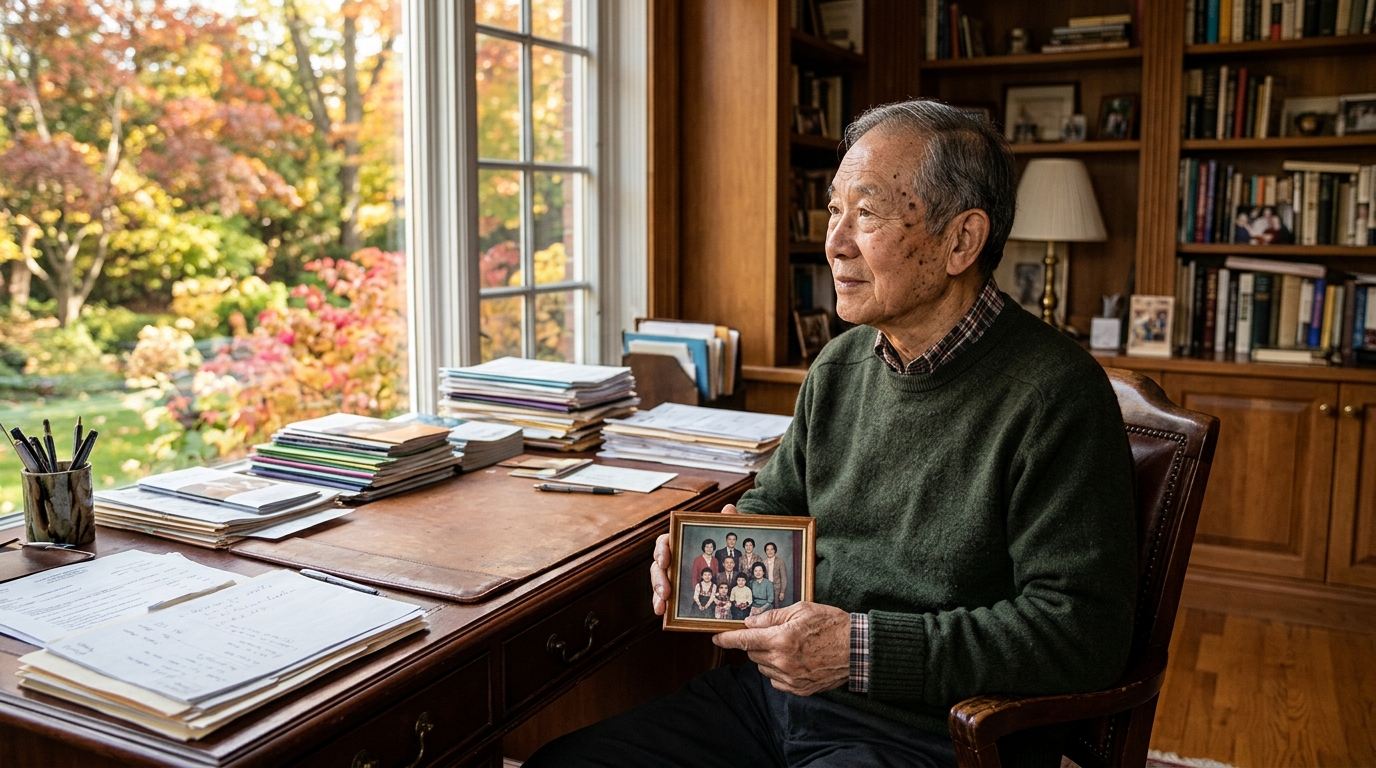
Giving while alive, not posthumously, creates impact your aging parent can witness and enjoy.
Benefits of lifetime giving vs. posthumous bequests:
| Dimension | Lifetime Giving | Posthumous Bequest |
|---|---|---|
| Personal satisfaction | Immediate; donor sees impact | None (donor deceased) |
| Tax efficiency | Immediate tax receipts; strategic timing | Less efficient; limited planning |
| Influence over impact | Donor directs funding; names initiatives | Executors may interpret wishes differently |
| Community recognition | Recognition and gratitude while alive | Memorial plaques only |
| Family legacy | Demonstrates values to heirs; teaches generosity | Children see wealth transfer to charity, not family |
| Relationship building | Donor builds relationships with organizations | No ongoing engagement |
Research from the Center for Philanthropy shows that retirees who give during their lifetime report higher life satisfaction (89% vs. 62%) and stronger connections to their communities.
Types of Philanthropic Initiatives Aging Parents Fund
Aging philanthropists typically fund:
| Initiative Type | Typical Investment | Example |
|---|---|---|
| University research chair | $50,000–$250,000 | Endows a named professorship in a field of interest |
| Hospital equipment/ward | $25,000–$100,000 | Funds advanced diagnostic equipment or specialized ward |
| Community center/library | $50,000–$500,000 | Builds or renovates public facility bearing donor's name |
| Scholarship endowment | $50,000–$100,000 | Provides perpetual funding for student scholarships |
| Arts/cultural programs | $10,000–$100,000 | Funds gallery exhibitions, theater seasons, music programs |
| Environmental conservation | $20,000–$150,000 | Protects land, funds habitat restoration, research |
| Medical research (specific disease) | $25,000–$250,000 | Funds research into disease that affected family |
| Youth/education programs | $15,000–$75,000 | Funds after-school programs, mentorship, tuition support |
Most aging donors start with $25,000–$50,000 gifts to test their impact, then escalate to larger gifts ($100,000+) if satisfied.
Tax Advantages of Strategic Charitable Giving
Canada offers significant tax incentives for charitable donations—making philanthropic giving more efficient than many realize.
| Donation Type | Tax Benefit | How It Works |
|---|---|---|
| Cash donation to registered charity | Donation tax credit (federal + provincial) | $10,000 gift generates $2,000–$3,000 tax credit; reduces taxes owed |
| Donation of appreciated securities | Capital gains exemption | Donate stocks without paying capital gains tax; tax credit too |
| Charitable bequest in will | Tax-free estate gift | Bequests don't trigger capital gains; survivors get estate tax savings |
| Donor-advised fund (DAF) | Immediate tax credit; strategic timing of grants | Donate $50K, get tax receipt immediately; distribute to charities over years |
| Life insurance to charity | Tax-efficient wealth transfer | Charity named as beneficiary; large impact at low cost to donor |
According to the Canada Revenue Agency (CRA), donations to registered charities generate a combined federal and provincial tax credit of 20–50% depending on income level—meaning a $50,000 donation can generate $10,000–$25,000 in tax refunds.
Real Ontario Example: Strategic Philanthropy in Action
Dr. Margaret, 76, is a retired oncologist with a $900,000 home, $200,000 in liquid savings, and a passionate commitment to cancer research.
She wants to fund a $100,000 research chair at her alma mater (University of Toronto) honoring her late daughter who died of ovarian cancer. Her liquid savings are reserved for health care and living expenses; her home is where her wealth is locked.
Her reverse mortgage strategy: Access $110,000
Timeline and grants:
- Month 1: Establish reverse mortgage; access $110,000 lump sum or line of credit
- Month 2: Make $100,000 donation to University of Toronto for "Dr. Sarah Chen Memorial Research Chair in Ovarian Cancer"
- Result: Research chair established, named in her daughter's memory; Dr. Margaret receives honorary recognition; her liquid savings remain untouched for health care
Tax benefit:
- Donation: $100,000
- Federal tax credit: ~$15,000
- Provincial tax credit: ~$5,000
- Total tax savings: $20,000
- Net cost to Dr. Margaret: $80,000 (from reverse mortgage equity)
Outcome: Dr. Margaret funds her passion, honors her daughter, and sees the impact in her lifetime. The research chair will bear her daughter's name for generations. She pays $80,000 net (after tax credit), funded by home equity she wasn't using for other purposes.
Structuring Philanthropic Giving Through Reverse Mortgage
According to FCAC (Financial Consumer Agency of Canada), reverse mortgages are specifically designed for lifestyle and purpose-driven spending, which includes charitable giving and philanthropic goals.
Structured approach:
| Phase | Timeline | Reverse Mortgage Strategy |
|---|---|---|
| Discovery | Months 1–3 | Identify charities/causes; evaluate impact; research endowment minimums |
| Funding | Month 4 | Establish reverse mortgage; access funds as lump sum or staged draws |
| Giving | Months 5–12 | Make donations; receive tax receipts; establish named initiatives (chairs, wards, scholarships) |
| Engagement | Ongoing | Attend charity events; monitor impact; build relationships with organizations |
| Legacy | Year 2+ | Annual updates from organizations; watch research progress, see scholarships awarded, see facilities used |
Key advantage: Unlike a traditional estate bequest (which happens after death), reverse mortgage-funded giving lets your aging parent see their impact, attend naming ceremonies, receive recognition, and guide how their legacy unfolds.
Donor-Advised Funds: A Powerful Tax Tool for Strategic Giving
A Donor-Advised Fund (DAF) is a specialized account that lets donors give immediately (get tax credits now), then distribute funds to charities over years.
Example:
- Your aging parent gives $50,000 to a DAF account (through a provider like Fidelity, Schwab Canada, Vanguard)
- They receive a $50,000 tax receipt immediately; get $10,000–$15,000 tax credit
- Over the next 5–10 years, they recommend grants from the DAF to specific charities ($5,000 to cancer research, $10,000 to local food bank, etc.)
- Charities receive funds; donors get recognition; all strategic giving is tax-efficient
Reverse mortgage + DAF = powerful strategy:
- Access $100,000 via reverse mortgage (no tax cost; just home equity)
- Donate $100,000 to DAF (generate $20,000–$30,000 in tax credits)
- Use tax credits to offset other income or reduce taxes owed
- Distribute DAF grants strategically over 5–10 years
Key Takeaways
- Philanthropic giving while alive creates 40%+ greater life satisfaction compared to posthumous bequests—your aging parent sees and enjoys their impact
- A reverse mortgage unlocks $50,000–$200,000+ in home equity for strategic charitable giving without downsizing
- Canadian tax credits make donations 40–50% more efficient, meaning a $100,000 gift can cost only $50,000–$60,000 after tax benefits
- Named initiatives (research chairs, scholarships, hospital wards) create lasting legacies bearing your aging parent's name for generations
- Donor-Advised Funds (DAFs) enable immediate tax benefits while distributing grants strategically over years—perfect for reverse mortgage-funded philanthropy
- Your aging parent's values and passions are immortalized through named research, buildings, and programs—a powerful Living Legacy
Frequently Asked Questions
What if my aging parent wants to give more than they can access via reverse mortgage?
Most aging parents find reverse mortgage equity sufficient for their philanthropic goals. A $500,000–$800,000 home typically unlocks $150,000–$250,000 in available equity. If your parent wants to give more, they can: liquidate non-home assets (RRIF withdrawals, investment accounts), make annual gifts over 5–10 years (tax-efficient), or establish a charitable remainder trust (generates income while supporting causes). Rick Sekhon Reverse Mortgages can help structure multi-year funding.
Are there charities specifically for aging donors interested in legacy giving?
Yes; most major charities have "major gifts" or "legacy giving" programs. Universities, hospitals, and large nonprofits employ development officers specifically to work with older donors interested in named gifts, endowments, and lasting impact. These professionals help design gifts to maximize impact and tax efficiency. Simply call a charity you care about and ask to speak with their Major Gifts or Legacy Giving officer.
Can my aging parent donate appreciated assets (stocks, real estate) instead of cash to get better tax benefits?
Yes, and often more efficiently than cash. Donating appreciated securities avoids capital gains tax—a major advantage. If your parent's investments have gained 50%+ since purchase, a $50,000 gift of appreciated stocks avoids significant capital gains tax while generating a $50,000 tax receipt. Work with a tax advisor or donation specialist to optimize this. A reverse mortgage can fund cash gifts for causes requiring cash, while appreciated assets go to causes that prefer securities.
What if my aging parent changes their mind about supporting a particular charity after giving?
Choose reputable, stable organizations with strong governance. Major universities, hospitals, and established nonprofits (with 50+ year histories) are safe bets. They'll use funds for their stated mission and provide accountability. Before giving large gifts ($50,000+), request: annual reports, impact statements, financial audits, and governance structure. Speak with their major gifts officer. If a charity is too new or poorly governed, don't give.
Can my aging parent get recognition or acknowledgment for their gifts?
Absolutely—naming is standard for major gifts. Hospitals name wards, universities name chairs and scholarships, nonprofits name programs and facilities. Ask about: named scholarships ($50,000+), research chairs ($100,000+), hospital wings/equipment ($250,000+), or community facilities ($500,000+). Your aging parent's name, family name, or memorial name (e.g., "The Sarah Chen Memorial Research Chair") becomes permanently associated with the impact they create.
What happens to the reverse mortgage if my aging parent makes large charitable gifts?
The reverse mortgage is unaffected. Donations don't impact your home equity (both the loan and your home value remain unchanged). Your aging parent simply draws funds from the reverse mortgage, donates them to charity, and the RM loan balance increases. As long as they're not downsizing or selling the home, the reverse mortgage remains untouched. Upon death, the estate settles the RM debt from the home's sale proceeds.
Ready to create your lasting philanthropic legacy? A reverse mortgage funds your giving—transforming your charitable dreams into named institutions and research that honor your values for generations. Contact Rick Sekhon Reverse Mortgages to explore how much equity you can access for your philanthropic goals.
Ready to Learn More?
Find out exactly how much you could unlock from your home — free and no obligation.
Related Articles
Reverse Mortgage for Adult Child's Career Coaching Business Launch: Supporting Your Coach-Entrepreneur
Fund your adult child's career coaching or life coaching business startup with a reverse mortgage—certification, platform, and client acquisition in Ontario.
Read →Reverse Mortgage for Aging Parent's Hobby Farm Expansion: Growing Your Agricultural Operation
Expand your hobby farm or small agricultural operation with a reverse mortgage—livestock infrastructure, land improvements, and equipment funding in Ontario.
Read →Reverse Mortgage for Aging Parent's Home Library and Study Renovation: Creating Your Intellectual Retreat
Fund your aging parent's home library and study renovation with a reverse mortgage—intellectual pursuits, legacy projects, and meaningful retirement spaces in Ontario.
Read →