
Reverse Mortgage for Home EV Charging and Smart Utility Grid Upgrade: Modernizing Your Ontario Home
Fund electrical panel upgrades, EV charger installation, and smart meter readiness for aging in place with a reverse mortgage in Ontario.
Can a reverse mortgage help you install EV charging and upgrade your home's electrical infrastructure for modern aging? Yes—many Ontario seniors are using reverse mortgages to future-proof their homes with EV-ready electrical panels, Level 2 chargers, and smart utility systems that support decades of independent living.
Home electrification is no longer optional. As gasoline vehicles become obsolete and power grids modernize to accommodate electric vehicles and distributed energy storage, aging-in-place homes need electrical infrastructure that supports these technologies. The upfront costs are significant, but a reverse mortgage makes them accessible without disrupting retirement savings.
Why Electrical Modernization Matters for Aging Homeowners
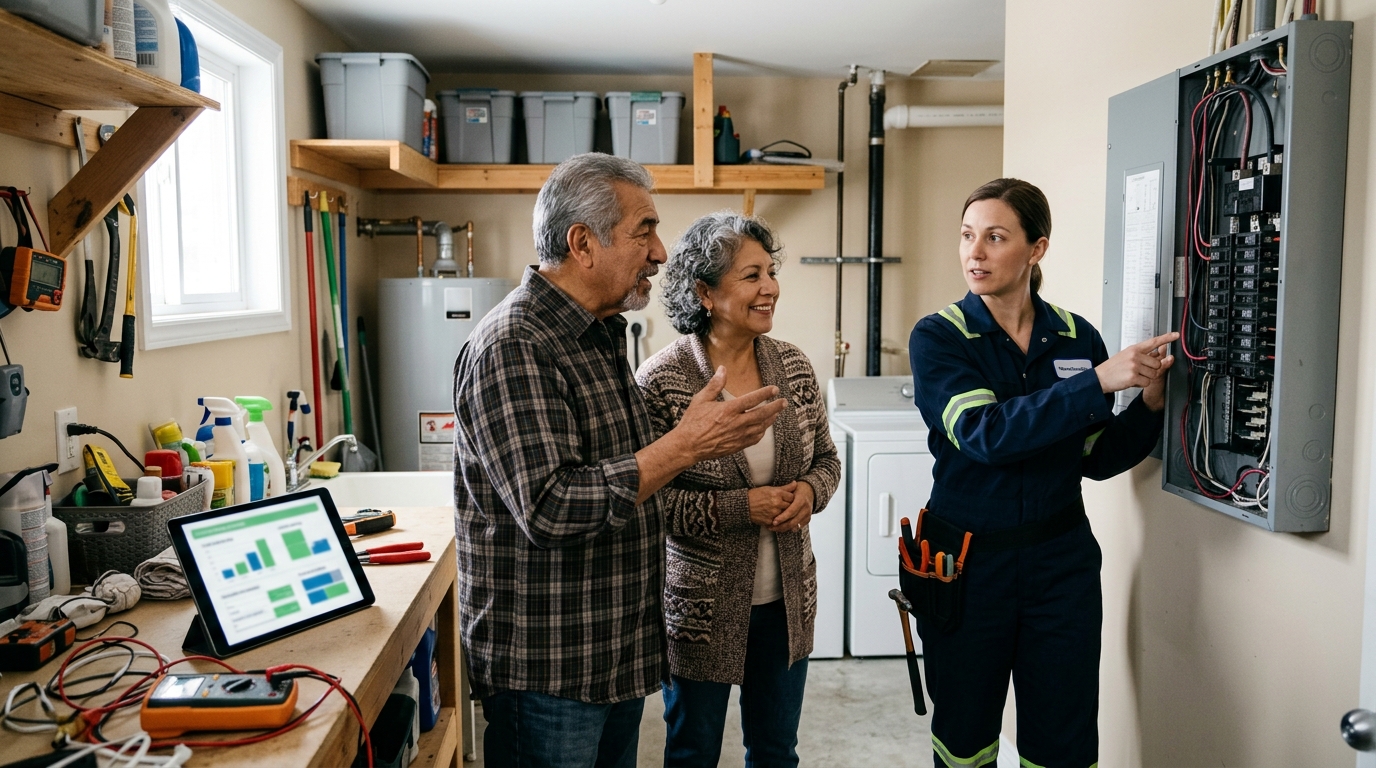
Most Ontario homes built before 2010 have 100–150 amp electrical service, designed for household appliances only. Today's homes need:
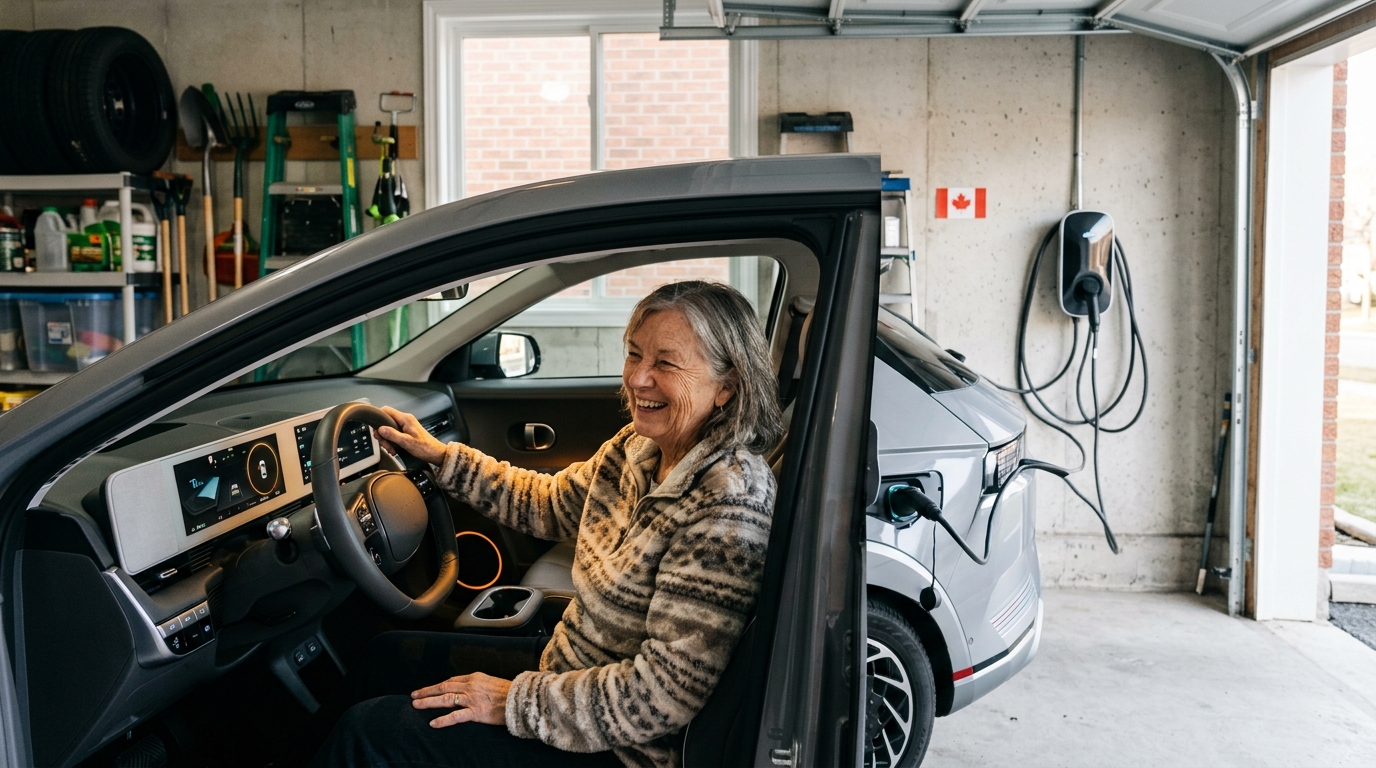
- EV Level 2 charging (240V, 30–60 amp circuit): $1,000–$3,000 for home installation
- Upgraded electrical panel (from 100A to 200A): $2,500–$5,000+
- Smart meter integration (for time-of-use billing and grid communication): $500–$2,000
- Home battery backup systems (Powerwall-style storage): $8,000–$15,000+
- Smart load management (automated charging during off-peak hours): $1,500–$3,000
For aging homeowners planning to age in place for 20+ years, these upgrades are not luxuries—they're infrastructure investments that keep your home viable in a rapidly electrifying world.
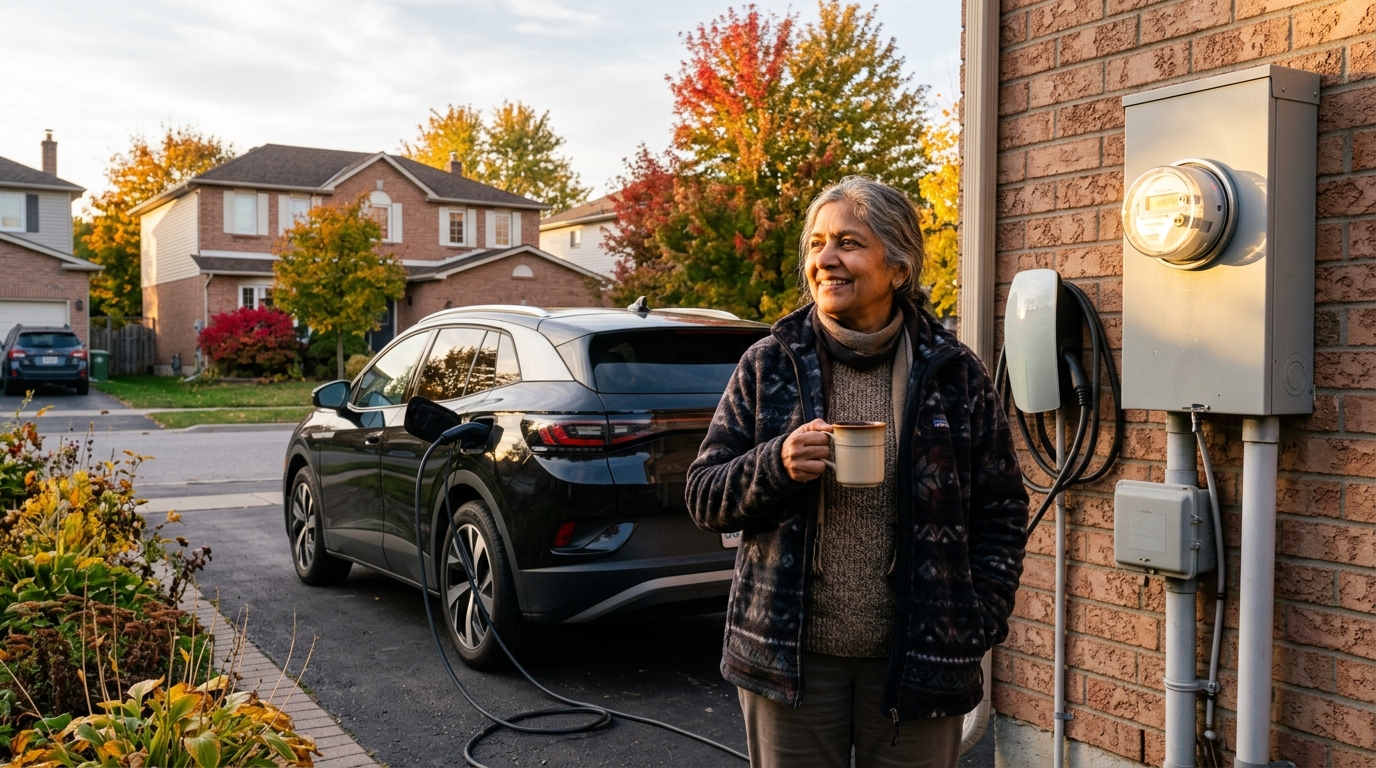
According to Statistics Canada, electric vehicle adoption in Ontario has grown 340% since 2020, and municipalities are increasingly requiring EV-charging-ready electrical panels in homes (mandatory for new builds, soon required for renovations).
The Cost Reality: DIY Financing Is Difficult
| Upgrade Type | Cost Range | Timeline | Impact on Home Value |
|---|---|---|---|
| EV Level 2 Charger Installation | $1,000–$3,000 | 1–2 days | +$2,000–$4,000 (appraisal) |
| Electrical Panel Upgrade (100A→200A) | $2,500–$5,000 | 3–5 days, requires permits | +$5,000–$8,000 (appraisal) |
| Smart Meter Integration + Load Management | $500–$2,000 | 1–2 weeks | +$1,500–$3,000 (appraisal) |
| Home Battery Backup (Powerwall-style) | $8,000–$15,000 | 2–3 days installation | +$8,000–$12,000 (appraisal) |
| TOTAL MODERNIZATION PACKAGE | $12,000–$25,000 | 3–5 weeks | +$16,500–$27,000 value |
The silver lining: electrical upgrades increase home appraisal value. Lenders and appraisers recognize EV-ready homes as more desirable and future-proof. Your $20,000 investment often returns $22,000–$27,000 in added value.
Reverse Mortgage Funding Strategy for Electrical Modernization
A reverse mortgage provides tax-free funds for these upgrades without depleting retirement savings or taking on monthly debt payments.
Structure 1: Lump Sum for Complete Modernization
Borrow $20,000 upfront, pay contractors upon completion. Interest accrues against your home equity only after draw.
Timeline: 6–8 weeks from reverse mortgage application to all systems operational.
Structure 2: Phased Draws During Multi-Phase Projects
Year 1: Panel upgrade + EV charger ($6,000) Year 2: Smart meter integration ($2,000) Year 3: Battery backup system ($12,000)
Using a line of credit reverse mortgage, you draw only what you need, when you need it.
According to OSFI (Office of the Superintendent of Financial Institutions), reverse mortgages used for home improvements that increase property value are considered lower-risk borrowing, and lenders are more favorable toward these draws than consumption-based borrowing.
Case Study: Mississauga Aging-in-Place EV Upgrade
Homeowner: Raymond, age 72, retired accountant, live in 1995 suburban home (Mississauga), home value $725,000.
Situation: Raymond's adult children gifted him a used Tesla Model 3 for his 72nd birthday. His home had only 100A panel service—inadequate for charging. Electrician quote: $4,200 for panel upgrade + $2,000 for Level 2 charger installation.
Options:
- Liquidate GIC ($6,200 from $85,000 in fixed income) → loses 2.5% annual yield
- Take HELOC ($6,200 at prime+0.5% = ~7.45%) → adds $463/month payment
- Reverse mortgage for electrical modernization
Raymond chose reverse mortgage:
- Home value: $725,000
- Reverse mortgage available: ~$326,250 (45% LTV)
- Borrowed: $6,200 (lump sum)
- Rate: 6.99% (HomeEquity Bank, 2026)
- Monthly payment: $0 (interest accrues; due at sale/passing)
- Home appraisal post-upgrade: $735,000 (+$10,000 value)
Raymond's outcome: EV charging installed, no monthly debt service, home value increased, GIC continues earning 2.5% tax-free in his TFSA. If he sells in 10 years, his home has likely appreciated, and the reverse mortgage balance (with accrued interest) is a small fraction of the sale proceeds.
Smart Utility Systems and Future-Proofing
Beyond EV charging, smart utility integration is critical:
- Time-of-use (TOU) billing: Smart meters automatically charge vehicles during off-peak hours (11 PM–7 AM), saving $1,200–$2,400 annually
- Grid-responsive charging: Your home's charger communicates with Ontario's electrical grid, pausing charging during peak demand (preventing outages), earning you grid-service credits
- Home energy management: Smart systems manage your home's electrical load, prioritizing heating/cooling and delaying EV charging to optimize costs
- Outage resilience: Battery backup (if you add one) keeps essentials running during grid outages—increasingly important as extreme weather intensifies
Aging in place means your home continues functioning reliably for 20+ more years. Electrical modernization is part of that strategy.
Key Takeaways
- EV charging and electrical upgrades cost $12,000–$25,000 but add $16,500–$27,000 in home appraisal value, making them a net-positive investment in your aging-in-place strategy.
- Ontario's electrical grid is transitioning to 100% renewable by 2030s, meaning smart-meter-equipped homes will be the norm; older homes will become less desirable.
- Reverse mortgages provide tax-free funding without monthly payments, protecting your retirement income while you modernize electrical infrastructure.
- CHIP, HomeEquity Bank, and Equitable Bank are actively favorable toward reverse mortgages used for home improvements (vs. consumption), often offering slightly better rates.
- Time-of-use (TOU) charging saves $1,200–$2,400 annually for EV owners; combined with reduced electricity from smart optimization, the upgrade pays for itself in 5–8 years.
- Your adult children may benefit: if you install battery backup or grid-responsive systems, you become a microgrid hub, potentially supporting their devices/work-from-home needs during outages.
Frequently Asked Questions
Do I need an EV charger if I don't own an electric vehicle yet?
Yes, for future-proofing. Even if you don't own an EV now, installing a charger adds resale value and positions your home for a future where you (or a buyer) will need one. Charger-ready homes sell faster and at higher prices in Ontario.
Can a reverse mortgage fund both the panel upgrade and charger installation?
Yes. Most reverse mortgages allow lump sum draws for multiple purposes. You can borrow $6,000–$10,000 and allocate it across electrical upgrades, charger installation, and smart meter work all in one project.
How does a smart meter affect my reverse mortgage eligibility?
Smart meters don't affect eligibility. They reduce your electricity costs (by enabling off-peak charging), which improves your overall financial position for lenders. FCAC and FSRAO view smart meter adoption as a positive financial move.
What if I later move to a seniors' residence or retirement community?
Your home retains the upgrades, which add appraisal value. If you sell, the new owners pay less for a non-EV-ready home. The reverse mortgage is repaid from sale proceeds, and any remaining equity is yours or passes to your estate.
Does Equitable Bank or CHIP offer better rates for "green" upgrades like EV charging?
Many lenders offer modest incentives (0.1–0.25% rate reduction) for energy-efficiency upgrades, though they rarely advertise it. Ask Rick Sekhon or call lenders directly; some will waive appraisal fees for EV-charger-related draws.
Will my electrical utility offer rebates for EV charger installation?
Yes. Hydro One and some municipal utilities offer $500–$2,000 rebates for Level 2 charger installation. Use utility rebates first, then reverse mortgage for any remaining balance. This reduces your total borrow amount.
Next Steps: Future-Proof Your Home Today
Electrical modernization is no longer optional for aging homeowners. Ontario's grid is electrifying rapidly, and homes without EV-ready infrastructure will become stranded assets.
Use a reverse mortgage to fund your upgrade today:
- Protect decades of aging-in-place sustainability
- Add $15,000–$25,000 in home value
- Eliminate monthly debt payments (interest accrues only)
- Qualify for utility rebates and grid incentives
Contact Rick Sekhon Reverse Mortgages, CHIP, HomeEquity Bank, or Equitable Bank for a free estimate. Ask about green-home rate incentives and confirm EV charger funding eligibility.
Your home's electrical future is now. Don't wait.
Ready to Learn More?
Find out exactly how much you could unlock from your home — free and no obligation.
Related Articles
Reverse Mortgage for Aging Parent's Water Quality and Medication-Nutrient Interaction Management
Fund water quality testing, medication-nutrient interaction assessment, and specialized supplementation for aging parents in Ontario.
Read →Reverse Mortgage for Multilingual Household Caregiving: Language Support and Cognitive Decline Management
Fund bilingual caregivers, professional interpreters, and language-specific cognitive assessment for aging parents in Ontario multilingual homes.
Read →Reverse Mortgage for Mandatory Utility Infrastructure Upgrades: Electrical, Water, and Gas Code Compliance
Fund mandatory home utility infrastructure upgrades—electrical panels, water systems, gas lines—to maintain code compliance and aging in place in Ontario.
Read →