
Reverse Mortgage for Cognitive Wellness: Brain Health Preventive Investment
Fund cognitive training programs, brain health assessments, and preventive strategies to reduce dementia risk in aging parents. Aging-in-place brain health investment.
Cognitive decline is not inevitable aging—it's a disease process that begins 15–25 years before symptoms appear. Preventive interventions (cognitive training, hearing correction, physical fitness, social engagement, vascular health) reduce dementia risk by 30–40%. A reverse mortgage can fund these proven brain health investments, enabling your aging parent to maintain independence and cognitive sharpness into their 80s and 90s.
According to the Lancet Commission on Dementia Prevention (2020), dementia risk reduction interventions have stronger evidence than most medical treatments. Yet most aging Canadians never invest in cognitive prevention, only seeking care after cognitive decline appears—at which point interventions are far less effective. A reverse mortgage can fund early, preventive brain health strategies that protect decades of independence and quality of life.

The Neuroscience of Cognitive Decline: Prevention Works
Cognitive decline (the pathway to dementia and Alzheimer's disease) is driven by modifiable risk factors: hearing loss, sedentary lifestyle, social isolation, poor sleep, vascular disease, cognitive inactivity. Address these factors before decline appears, and dementia risk drops 30–40%.
According to the Canadian Cognitive Aging and Alzheimer's Prevention Association, seniors who invest in preventive cognitive health maintain independent living 5–10 years longer than those who wait for decline to appear.
Major modifiable risk factors for cognitive decline:
| Risk Factor | Prevalence in Seniors 65+ | Cognitive Impact If Untreated | Preventive Intervention | Cost of Prevention |
|---|---|---|---|---|
| Hearing loss | 65% of adults 70+ | Accelerates cognitive decline 30%; social isolation amplifies risk | Hearing aids, assistive listening devices | $4,000–$8,000 (one-time) |
| Physical inactivity | 40% sedentary | 20–30% increased dementia risk | Fitness coaching, exercise programs, gym access | $1,000–$3,000/year |
| Social isolation | 30% report loneliness | 26% increased dementia risk | Organized social programs, community engagement | $500–$2,000/year |
| Cognitive inactivity | 50% engage in minimal cognitive challenge | 25–35% increased dementia risk | Cognitive training (Lumosity, BrainHQ), education programs | $200–$600/year |
| Poor sleep | 40% report sleep disorders | 25–40% increased Alzheimer's pathology | Sleep medicine consultation, CPAP, sleep optimization | $2,000–$5,000 |
| Uncontrolled hypertension/vascular disease | 50% of seniors | 15–25% increased vascular dementia risk | Blood pressure management, cardiology care, medication adherence | $1,000–$3,000/year |
| Cognitive impairment (undiagnosed) | 20–25% have mild cognitive impairment | Progression to dementia without intervention | Early diagnosis, cognitive assessment, cognitive rehabilitation | $2,000–$4,000 |
Addressing even three of these modifiable risk factors reduces dementia risk by 30–50%. A reverse mortgage can fund comprehensive cognitive health prevention addressing all seven.
Comprehensive Cognitive Wellness Program
A complete brain health strategy combines professional assessment, targeted interventions, and ongoing cognitive engagement—all funded through reverse mortgage.
| Prevention Component | Cost | Purpose | Dementia Risk Reduction |
|---|---|---|---|
| Cognitive baseline assessment | $800–$2,000 (one-time) | Detects early cognitive impairment; establishes baseline for tracking | 5–10% (early detection enables intervention) |
| Hearing assessment & treatment | $5,000–$8,000 | Addresses hearing loss (strongest modifiable dementia risk factor) | 10–15% |
| Cardiovascular health optimization | $2,000–$4,000 | Blood pressure, lipid control, vascular health screening | 8–12% |
| Sleep medicine consultation & treatment | $2,000–$5,000 | Sleep apnea diagnosis, sleep quality optimization | 8–12% |
| Physical fitness program | $2,000–$3,000/year | Cardio, strength, balance training; reduces dementia risk by 20–30% | 15–25% |
| Cognitive training program | $300–$800/year | BrainHQ, Lumosity, or similar evidence-based cognitive exercises | 5–10% |
| Nutritional assessment & Mediterranean diet support | $1,000–$2,000 | Registered Dietitian-guided MIND diet (strongest dietary intervention) | 10–15% |
| Social engagement programs | $1,000–$2,000/year | Organized social activities, community involvement, purpose-driven engagement | 10–15% |
| Cognitive rehabilitation (if early decline detected) | $3,000–$6,000/year | Speech-language pathology, occupational therapy for cognitive strategies | 15–25% (for early cognitive impairment) |
| Medication management & optimization | $500–$1,500/year | Pharmacy review, deprescribing (removing harmful medications) | 5–10% |
| Total Comprehensive Brain Health Program (Year 1) | $17,600–$33,500 | Addresses all modifiable dementia risk factors | 30–50% total risk reduction |
A reverse mortgage funding $20,000–$35,000 enables your aging parent to invest in comprehensive, evidence-based cognitive prevention.
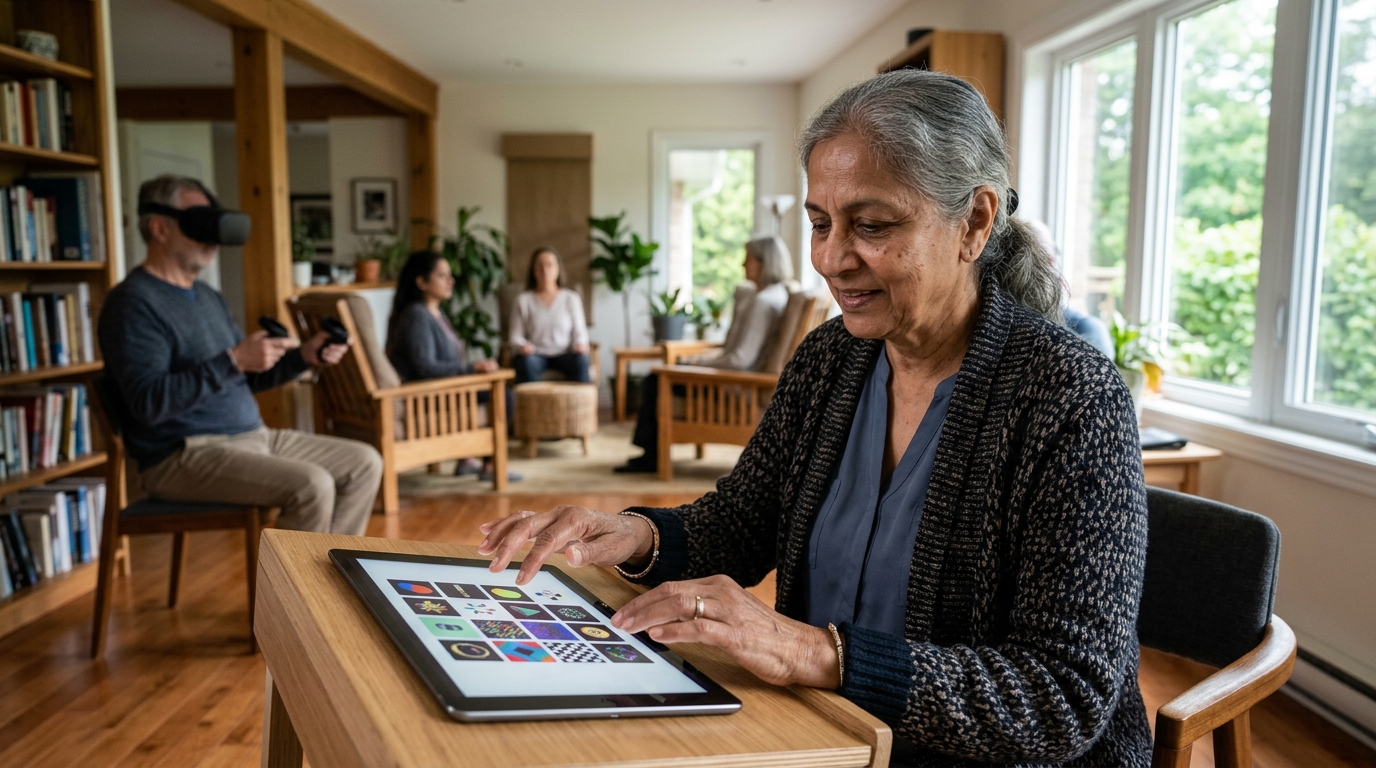
Hearing Loss: The #1 Modifiable Dementia Risk Factor
Untreated hearing loss is the single strongest modifiable dementia risk factor. Seniors with hearing loss have 30% higher dementia risk; treating it reduces dementia progression by 8–12%.
Yet many aging Canadians avoid hearing aids due to cost ($4,000–$10,000) and stigma. A reverse mortgage removes the cost barrier, enabling early hearing intervention.
| Intervention | Cost | Dementia Impact | Quality of Life |
|---|---|---|---|
| Untreated hearing loss | $0 (but risky) | 30% increased dementia risk over 10 years | Social isolation, depression, cognitive decline |
| Hearing aid (behind-the-ear, basic) | $2,000–$4,000/pair | 8–10% dementia risk reduction | Restored social engagement, hearing clarity |
| Advanced hearing aids (programmable, noise-canceling) | $4,000–$8,000/pair | 10–15% dementia risk reduction | Optimal hearing in multiple environments |
| Cochlear implant (severe hearing loss) | $40,000–$60,000 | 15–20% dementia risk reduction | Dramatic hearing restoration for severe loss |
A reverse mortgage can fund hearing aids immediately, preventing years of social isolation and accelerated cognitive decline.
Preventive vs. Reactive Brain Health: Cost-Benefit Analysis
Preventive brain health investment is far cheaper than treating dementia after it develops.
| Scenario | 10-Year Cost | Cognitive Outcome | Quality of Life |
|---|---|---|---|
| No prevention; dementia develops at age 75 | $200,000–$400,000 (long-term care, medications, caregiver costs) | Cognitive decline; loss of independence; end-of-life care | Poor; burden on family |
| Prevention program ($2,000–$3,500/year) | $20,000–$35,000 (cognitive program) + $50,000–$100,000 (any necessary care) | Cognitive preservation; independence maintained to 80+ | Excellent; autonomy maintained |
| Dementia treatment (after onset) | $600,000–$1,000,000 (medications, hospitalization, long-term care, 24-hour supervision) | Cognitive decline continues despite treatment | Very poor; dependence; quality-of-life loss |
Prevention ROI: $20,000 investment prevents $300,000–$600,000 in dementia care costs—a 15–30× return on investment.
Step-by-Step: Funding a Cognitive Wellness Program
1. Assess your aging parent's cognitive and brain health baseline (2–4 weeks)
- Schedule cognitive screening (Montreal Cognitive Assessment, Mini-Cog)
- Hearing assessment (audiometry)
- Cardiovascular health assessment (blood pressure, lipid panel)
- Sleep quality assessment (sleep medicine consultation or at-home sleep study)
- Functional assessment (independence in activities of daily living)
2. Identify cognitive health priorities (1–2 weeks)
- Which modifiable risk factors are present? (hearing loss, sedentary lifestyle, isolation, poor sleep)
- Which interventions would have highest impact?
- Which are your aging parent most motivated to address?
- Create prioritized action plan
3. Research preventive programs and providers (2–4 weeks)
- Cognitive training programs: BrainHQ, Lumosity, CogniFit, Posit Science
- Fitness programs: gym, senior fitness classes, physical therapy, personal training
- Social engagement: senior centers, volunteer programs, hobby groups
- Hearing services: audiology clinics, hearing aid providers
- Nutrition: registered dietitian for MIND/Mediterranean diet counseling
4. Calculate total cognitive wellness budget (1 week)
- Hearing aids: $4,000–$8,000
- Cognitive baseline assessment: $800–$2,000
- Physical fitness: $2,000–$3,000/year
- Cognitive training subscriptions: $300–$800/year
- Social/community programs: $1,000–$2,000/year
- Nutritionist/dietary support: $1,000–$2,000
- Total Year 1 estimate: $17,600–$33,500
5. Evaluate home equity (1 week)
- Obtain property appraisal
- Calculate accessible equity
- Determine reverse mortgage need
6. Consult reverse mortgage specialist (1–2 weeks)
- Meet with Rick Sekhon or FCAC-registered specialist
- Compare lenders: CHIP (fastest approval), HomeEquity Bank (health-focused experience), Equitable Bank
- Discuss brain health prevention as reverse mortgage use
7. Secure independent legal advice (1–2 weeks)
- Required by Ontario law
- Lawyer reviews reverse mortgage terms
- Cost: $500–$800 (often lender-covered)
8. Complete reverse mortgage application (2–4 weeks)
- Home appraisal, title search, age/equity verification
- Approval based on home condition
9. Fund cognitive wellness programs and close mortgage (2–4 weeks)
- Receive reverse mortgage funds
- Fund hearing aids, cognitive assessments, fitness programs
- Enroll aging parent in prevention programs
- Begin ongoing monitoring and program engagement
Timeline: 10–16 weeks from initial assessment to fully funded cognitive wellness program.
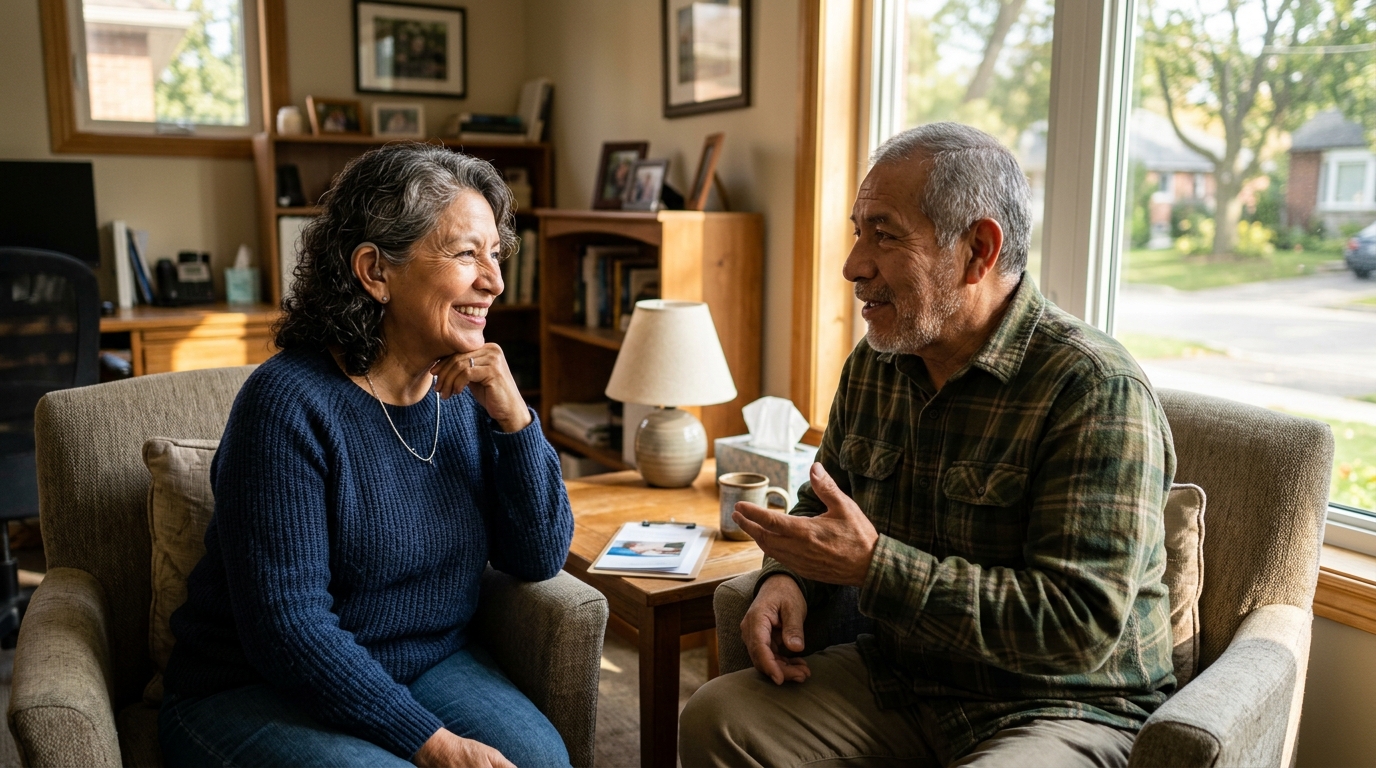
Evidence-Based Cognitive Training and Brain Health Programs
Multiple evidence-based cognitive training programs show dementia risk reduction. Your aging parent should choose programs with published research support:
| Program | Modality | Evidence | Cost |
|---|---|---|---|
| BrainHQ (Posit Science) | Computer/app-based exercises | Reduces cognitive decline by 29% in healthy seniors (NIH study) | $14/month |
| Lumosity | Game-based cognitive training | Modest evidence for cognitive benefits | $10–$15/month |
| CogniFit | Personalized brain training | Evidence for cognitive improvement in aging | $10–$30/month |
| In-person cognitive therapy (Speech-Language Pathology) | Professional-led cognitive rehabilitation | Strong evidence for cognitive improvement, especially post-stroke | $100–$200/session |
| Memory fitness classes (senior centers, libraries) | Group-based memory and cognitive training | Community-based, affordable, social engagement bonus | $0–$50/month |
Most aging parents benefit from combination approach: BrainHQ or similar app (daily independent practice) + professional cognitive therapy (monthly check-in) + social engagement (inherent cognitive stimulation).
Key Takeaways
- Cognitive decline is preventable: 30–40% dementia risk reduction through addressing modifiable factors
- Preventive brain health investment ($17,600–$33,500 Year 1) prevents $300,000–$600,000+ in dementia care costs — 15–30× ROI
- Hearing loss is the #1 modifiable dementia risk factor: treating it reduces dementia progression by 8–15%
- Reverse mortgage removes financial barriers to comprehensive cognitive prevention, enabling aging parents to invest in brain health early
- Evidence-based interventions exist for all major cognitive risk factors: hearing aids, fitness, cognitive training, social engagement, cardiovascular health, sleep optimization
- Early prevention is vastly more effective than treating cognitive decline after it appears
Frequently Asked Questions
Can my aging parent start cognitive prevention if they're already 85 or 90?
Yes, and it still helps. The Lancet Commission found that cognitive interventions benefit aging adults at any age. Late-life prevention may not prevent dementia entirely, but it slows progression, maintains independence longer, and improves quality of life. It's never too late to invest in brain health.
What if my aging parent already has mild cognitive impairment (MCI)?
Prevention becomes even more critical. MCI is an intermediate stage between normal aging and dementia. 10–15% of people with MCI progress to dementia yearly. Aggressive prevention (cognitive training, hearing correction, fitness, vascular health optimization) can slow or halt MCI progression. Reverse mortgage can fund intensive interventions in this higher-risk group.
Does FSRAO or another regulator require reverse mortgages to be used specifically for healthcare?
No specific healthcare mandate, but brain health prevention qualifies. All major lenders (CHIP, HomeEquity Bank, Equitable Bank) explicitly approve healthcare and wellness uses, including cognitive prevention, hearing aids, fitness programs, nutritional counseling. Brain health prevention is well within accepted reverse mortgage uses.
Can my aging parent's spouse or adult child participate in the cognitive prevention program?
Absolutely. Many programs (fitness classes, cognitive training, social engagement) benefit from family participation. Couple-based fitness has stronger adherence. Adult children participating in cognitive training with aging parents increases social engagement (protective factor itself). Family involvement enhances effectiveness.
If my aging parent's cognitive prevention is very successful (they maintain perfect cognition), do costs continue indefinitely?
Yes, but expected. Cognitive health maintenance requires ongoing engagement—similar to physical fitness. However, costs typically decrease over time: initial hearing aids ($4,000–$8,000 one-time) are paid; ongoing costs are subscriptions ($300–$800/year) and program participation ($1,000–$3,000/year). Long-term annual cost: ~$2,000–$4,000, far cheaper than dementia care.
What if my aging parent doesn't want to participate in cognitive prevention programs?
Respect their autonomy, but educate. Many aging adults avoid prevention due to stigma, skepticism, or denial of cognitive aging. Frame as "brain health maintenance" rather than "dementia prevention." Start with one intervention they're motivated for (hearing aids if they have hearing loss; fitness if they value mobility). Build from there. A reverse mortgage funds the opportunity; your aging parent controls the participation.
Ready to Learn More?
Find out exactly how much you could unlock from your home — free and no obligation.
Related Articles
Reverse Mortgage for Speech and Voice Disorders: Communication Recovery Funding
Fund speech therapy and voice restoration for aging parents. Reverse mortgage covers assessment, therapy, and adaptive technology in Ontario.
Read →Reverse Mortgage for Nutritional Rehabilitation After Hospital Stay: Recovery Funding
Fund medical nutrition therapy, specialized meal services, and nutritional supplements after hospitalization. Prevent readmission through targeted aging-in-place nutrition.
Read →Reverse Mortgage for Home Humidity Control: Managing Respiratory and Skin Health
Fund humidification and dehumidification systems to prevent respiratory disease and skin conditions in aging parents. Ontario home health investment.
Read →