
Pausing Professional School: Reverse Mortgage When Adult Child Steps Away for Aging Parent
Your adult child just left law school, medical school, or PhD to support your health crisis. Reverse mortgage to ease guilt and fund their interrupted education's restart.
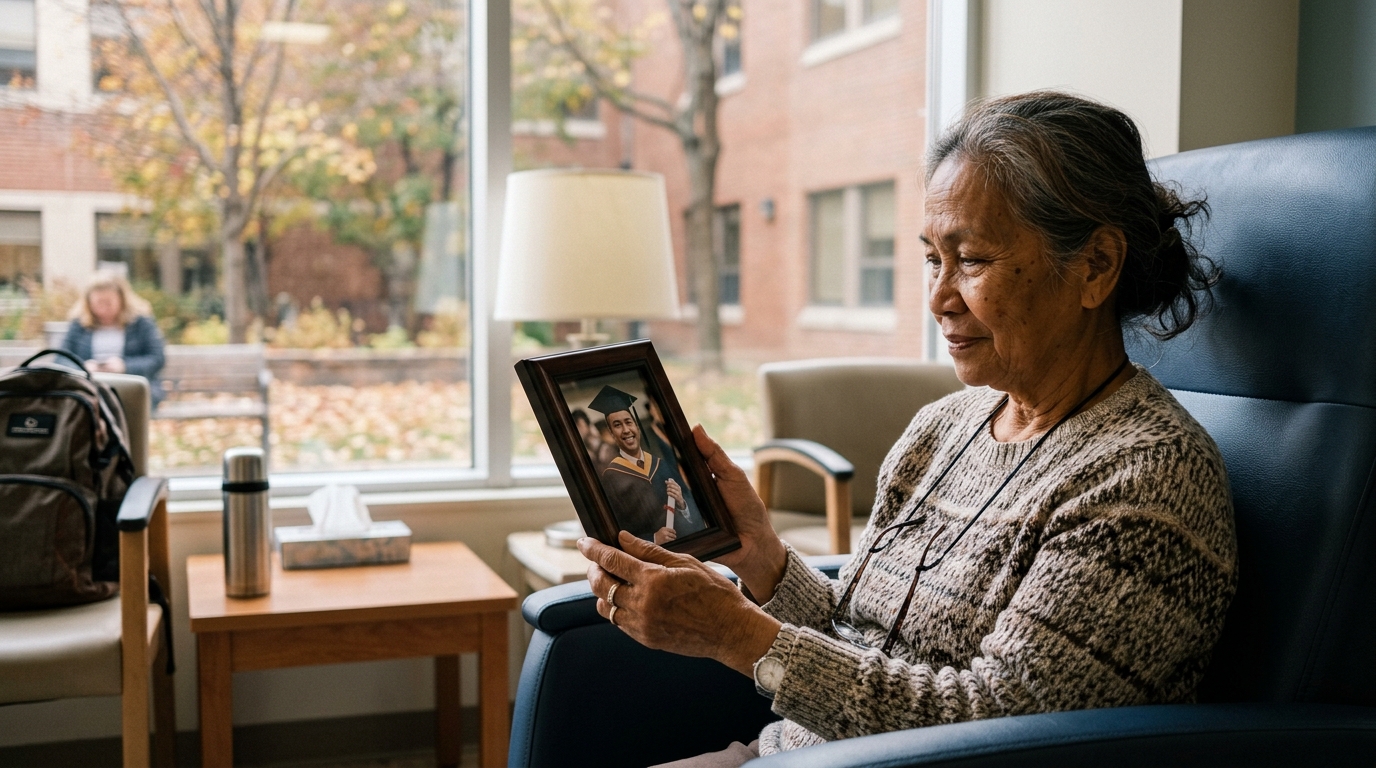
Your adult child just withdrew from law school. They were in their second year with excellent grades. But you had a stroke, and they couldn't do both. So they chose you. Now they're working retail, carrying guilt about the sunk tuition costs, and trying to figure out if they can ever restart their education. A reverse mortgage can mean their sacrifice isn't permanent — it's an interruption, not a derailment.
The Hidden Crisis: Bright Futures Paused for Parental Illness
Across Canada, thousands of adult children withdraw from professional and graduate programs annually to support aging parents with serious illness. Law school, medical school, PhD programs, postdoctoral fellowships — interrupted mid-stream.
The direct costs:
- Withdrawn tuition (often non-refundable): $15,000–$50,000+ already paid
- Forfeited graduate stipends: $20,000–$35,000/year in salary reduction
- Delayed credential completion: 3–4 years of lost earning potential
The indirect costs:
- Guilt ("I could have tried harder")
- Lost cohort and academic relationships
- Career trajectory permanently altered (even if they restart)
- Resentment (often unspoken, toward the aging parent)
- Reduced self-worth ("I failed")
The silence: Most adult children in this situation don't tell people what happened. They describe the gap as "took time off" or "decided to explore other paths." The real reason — parental medical crisis — stays hidden out of shame or sense of duty.
The solution: A reverse mortgage can provide financial runway for your child to eventually restart their education or pursue alternative credentials, acknowledging that their sacrifice was temporary, not permanent.
Why Professional School Interruption Is Unique
Unlike undergraduate education (which can often be resumed with some difficulty), professional school interruption creates specific barriers:
| Scenario | Timeline Impact | Financial Impact | Restart Difficulty |
|---|---|---|---|
| Law school (year 2 of 3 interrupted) | 2 years additional delay to degree | $35–50K sunk costs | High — needs summer articling reset |
| Medical school (year 2 of 4) | 3–4 years delay; may need to reapply | $50–80K sunk costs | Very high — competitive reapply, board exams expire |
| PhD program (year 3 of 5) | 2–3 additional years; advisor relationship lost | $25–50K lost stipends; grants expire | Moderate — can often resume with original advisor |
| Professional designation (CPA, CFA pending exams) | 1–2 years delay for exams | $5–15K sunk costs | Low — can resume exams anytime within validity period |
The longest delay: Medical school dropouts who want to restart often must reapply to the system (2-year wait), as spots aren't simply held. Law school can sometimes be resumed at the same school, but articling (mandatory apprenticeship) must be redone.
Key Takeaways
- Approximately 12–15% of graduate students interrupt their studies for family caregiving (SSHRC research)
- Sunk costs range from $20K–$80K depending on program length and stage
- Most interruptions are framed as permanent dropouts (they tell their cohort they're "done"), creating shame
- A reverse mortgage on your aging parent's home can fund eventual restart of education or alternative credentials, preventing permanent loss
- Starting with alternative credentials (master's degree, professional designation) is often faster/cheaper than restarting the original program
Real Story: Maya's Paused Future
Maya, 29, Ottawa
Maya was in year 2 of an excellent law school program (Osgoode). Her grades were strong. She'd secured a summer articling position. She was on track.
Her father suffered a massive stroke in May of her second year. Partially paralyzed, requiring intensive in-home care, non-verbal (unable to communicate clearly).
The choice: Maya's mother was already in her late 60s, managing the household. Her two younger siblings were in undergrad. Her father's health crisis required 24/7 supervision, medical appointment coordination, and family decision-making.
Maya withdrew in June. Her parents needed her immediately.
The costs:
- Tuition paid (semester): $8,500 (non-refundable)
- Summer articling: forfeited ($18,000 opportunity cost)
- Living costs (back home): lower, but no income
- Psychological cost: sunk effort in law school, future derailed
The next three years: Maya worked retail/administrative positions ($32K/year) while managing her father's care alongside her mother. Her siblings finished undergrad without caregiving burden.
By year 3, her father improved marginally (some speech returned). He could be left alone for short periods. Maya wanted to return to law school.
The barrier: She'd lost her cohort. The law school wouldn't readmit her into a different year (she'd have to reapply as a new student and compete with fresh applicants). Her previous articling firm had moved on to other candidates.
The path to restarting law school was: reapply to law school (1-year wait), accept if admitted (not guaranteed), restart from year 1 or year 2 (unclear).
The reverse mortgage solution: Her father's home had $320K equity. Her parents accessed a reverse mortgage generating $1,200/month to cover his ongoing care (professional home support worker, medical adaptations, respite care).
This allowed Maya to:
- Reduce her caregiving hours (from 30/week to 10/week)
- Return to school part-time (10 months into a 2-year program)
- Complete a master's degree in legal studies (alternative credential) within 2 years
- Launch a legal consulting practice (using the master's credential)
Outcome: Maya didn't restart law school (the cohort barrier was too high). But she obtained a respected master's degree, became a legal consultant, and eventually completed the bar's Professional Practice exam as an alternative pathway to legal work.
Did she become an articled lawyer? No. Did her life derail? Also no. The reverse mortgage provided the financial space for her to redirect her career trajectory while still honoring her father's caregiving needs.
Most importantly: Her sacrifice was acknowledged as temporary, not permanent. Her education was resumed (in different form). Her father's dignity was maintained.
Planning for Education Restart
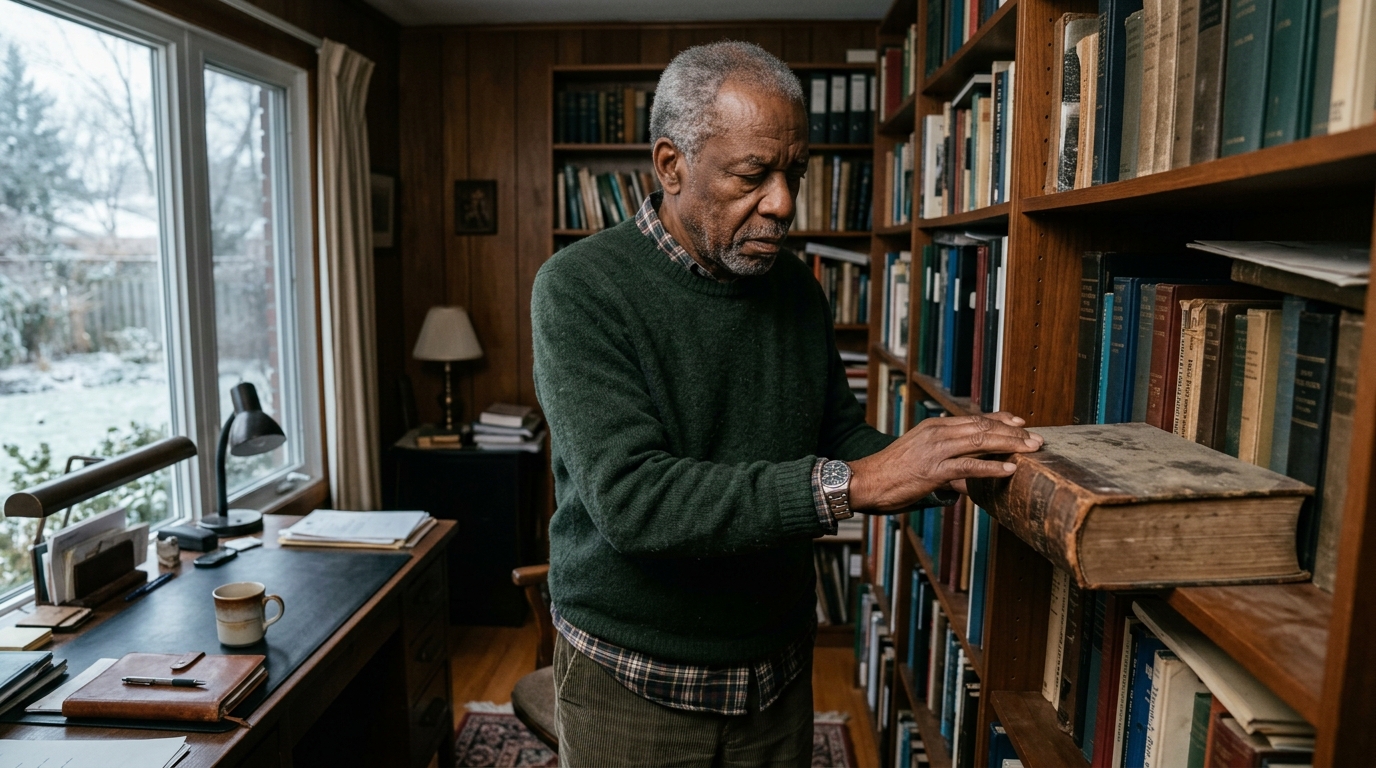
If your adult child has paused professional school to care for you:
- Acknowledge the sacrifice explicitly. Don't minimize it ("you can restart anytime") or guilt them ("you gave up so much"). Simply: "I know pausing school cost you."
- Explore a reverse mortgage. Frame it: "I want to use my home equity so that eventually, you have options to continue your education or pursue alternative credentials."
- Research alternative pathways. They may not reenter their original program (too complex), but parallel credentials (master's, professional designations, certifications) might be faster.
- Set a realistic timeline. If your care needs are ongoing, commit to: "By year 3–5, when I'm more stable, you can explore education restart."
Key Takeaways (Continued)
- A reverse mortgage generates funds for professional home support, reducing caregiving burden on your adult child
- This creates space for them to pursue education or credential programs (not necessarily the original one)
- Many adult children who paused professional school never formally "restart" their original program, but they DO pursue alternative advanced credentials
- The key is preventing permanent loss of momentum and hope in their career trajectory
- Transparency about the sacrifice, and clear planning for eventual opportunity, preserves the parent-child relationship
Frequently Asked Questions
If my adult child restarted law school, would they have to repeat years they already completed?
This depends on the law school and specific circumstances. Some programs allow readmission at the same level; others require restarting from year 1. Contact the school's admissions office to ask about "readmission" versus "reapplication" policies. The answer varies by institution.
What if my adult child no longer wants to be a lawyer/doctor/PhD after their education was interrupted?
This is common and healthy. Pausing education often clarifies whether the original path was chosen freely or due to pressure. If they want to pivot to a different career, use reverse mortgage funds to support that new direction (master's degree, certification, career coaching, etc.). Their happiness is more important than their original educational choice.
If I take a reverse mortgage to ease my child's caregiving burden, does that count as a "gift" for income tax purposes?
No. The reverse mortgage is a loan against YOUR home, in YOUR name. The money is yours. If you give it to your child (directly or indirectly by paying for their education or reducing their caregiving obligation), that's a personal gift, not taxable income to them. No T4 or reporting required.
Should my adult child sign anything that acknowledges they're "entitled" to have my reverse mortgage fund their education?
No. Keep the reverse mortgage separate from education funding. The reverse mortgage is for your care and housing costs. If you choose to redirect some of those funds toward their education restart, that's your decision, not a legal obligation. Avoid creating contractual language that entangles the loan with inheritance or education promises.
What if my adult child's siblings claim the reverse mortgage was unfair because it reduces their inheritance?
This is a valid concern. Have a family meeting before taking a reverse mortgage. Explain: "I'm using my home equity to provide care for myself, which reduces the burden on my adult child who paused their education. The remaining equity will be divided fairly among all of you." Clarity prevents resentment.
If I'm too sick to manage a reverse mortgage application, can my adult child apply on my behalf?
No. YOU must be the applicant and understand the terms. However, your adult child can support you through the process, help with paperwork, and attend meetings as your advocate. Some lenders (CHIP, HomeEquity Bank) provide support for seniors with limited English or health barriers. Ask about accessibility options.
Breaking the Silence
Many adult children who interrupted education feel shame. They don't tell new friends, colleagues, or partners. The gap in their resume becomes a secret.
A reverse mortgage on your aging parent's home can transform this narrative: from "I failed out of school" to "I made a conscious choice to support my parent during crisis, and now I'm pursuing alternative education pathways."
That's not failure. That's integrity.
If your adult child has paused professional school for you, a reverse mortgage isn't just financial relief — it's acknowledgment that their sacrifice doesn't have to be permanent.
Speak with Rick Sekhon Reverse Mortgages about how your home equity might fund both your care and their eventual education restart. Your home can serve both generations' futures.
Ready to Learn More?
Find out exactly how much you could unlock from your home — free and no obligation.
Related Articles
Three-Generation Immigration Sponsorship: Reverse Mortgage for Multi-Level Family Support
Supporting aging parents' immigration while funding your adult child's education. Reverse mortgage strategy for multi-generational Canadian sponsorship planning.
Read →When Undiagnosed Mental Health Complicates Reverse Mortgage Planning
Protecting your reverse mortgage decision when aging parent or adult child shows signs of undiagnosed depression, anxiety, or personality disorders affecting judgment.
Read →Reverse Mortgage to Hire a Professional Palliative Care Transition Coordinator
Before hospice, a care transition coordinator helps plan the shift from treatment to comfort care. A reverse mortgage funds this crucial professional guide.
Read →