
Adult Child's Inheritance Includes Debt: Using Reverse Mortgage to Help Cover Estate Liabilities
Adult child inheriting parent's debts and liabilities? Reverse mortgage can help cover estate shortfalls before inheritance is distributed.
Your adult child has just learned that their inheritance comes with a catch: your aging parent's estate has significant debts—a mortgage, property tax arrears, medical bills, and a lingering business obligation. The inheritance you hoped to gift has become a liability your child must cover.
Or worse: your adult child is now responsible for managing their parent's estate while debts accumulate, forcing them to delay their own life plans (home purchase, education, family) to settle decades-old obligations.
A reverse mortgage on your home can bridge this gap—helping your child avoid generational debt transmission and allowing them to inherit with clarity, not crisis.
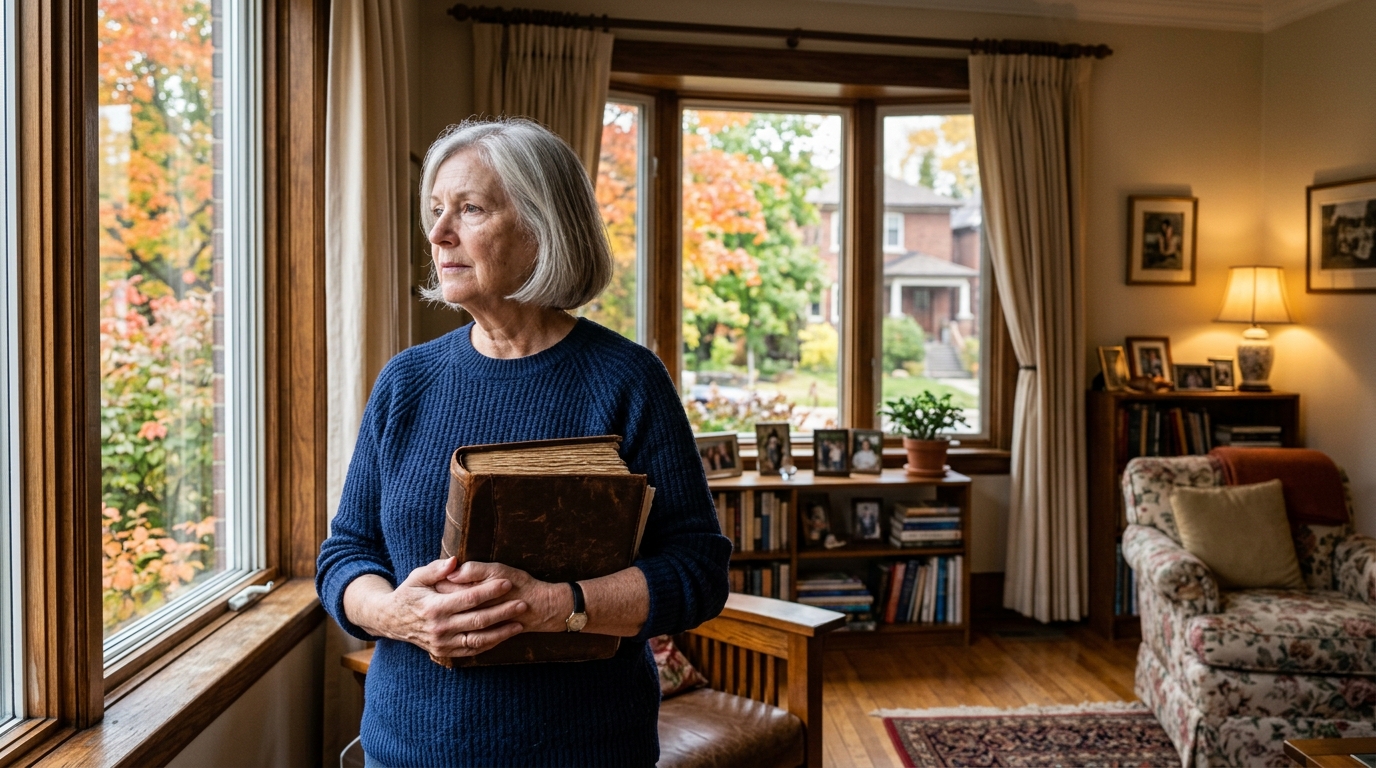
When an Inheritance Becomes a Burden
An estate with negative net value occurs when:
- Debts exceed assets: The deceased left a mortgage, credit card debt, property tax arrears, or personal loans that total more than the home and other assets are worth
- Hidden liabilities surface: Medical debt, business guarantees, or spousal support obligations that weren't apparent until probate review
- Property requires expensive repairs: A home with foundation damage, asbestos, or structural issues that costs $30,000–$100,000 to remediate
- Estate taxes and probate fees exceed expected amount: In Ontario, probate and estate administration can cost 3–5% of estate value
According to Statistics Canada, approximately 12% of Ontario estates have liabilities exceeding 80% of total asset value—meaning the inheritance is minimal or negative.
| Estate Scenario | Assets | Liabilities | Net Inheritance | Adult Child's Burden |
|---|---|---|---|---|
| Typical positive estate | $500,000 | $100,000 | $400,000 | None—clear inheritance |
| Modest estate with mortgage | $400,000 home | $250,000 mortgage + $15,000 taxes owed | $135,000 | Manageable after sale |
| Negative estate scenario | $380,000 home | $300,000 mortgage + $40,000 taxes + $20,000 medical debt | -$0 (zero) | Must pay ~$60k from own funds to settle |
| Severely negative | $350,000 home | $300,000 mortgage + $60,000 debt + $30,000 remediation | -$40,000 | Must pay $40k+ or lose home to creditors |
Impact on adult child: Instead of inheriting, they must contribute $20,000–$80,000+ from their own savings to settle parent's obligations. This delays home purchase, career investment, or family planning by 5–10 years.
How a Reverse Mortgage Prevents Inheritance Crisis
You (the aging parent) can use a reverse mortgage to settle your own estate debts proactively, allowing your adult child to inherit with clarity and no burden.
Strategy: Access a reverse mortgage now, use proceeds to pay down debt (mortgage, taxes, medical bills), so that when you pass, your estate is cleaner and your child inherits equity, not liabilities.
Example:
| Before RM | After RM Strategy |
|---|---|
| Home value: $450,000 | Home value: $450,000 |
| Mortgage: $250,000 | Mortgage: $100,000 (paid down with RM) |
| Tax arrears: $20,000 | Tax arrears: $0 (paid with RM) |
| Medical debt: $15,000 | Medical debt: $0 (paid with RM) |
| Net inheritance: $165,000 | Net inheritance: $350,000 |
| Adult child's burden: None | None |
| But: RM balance owing: $0 initially, grows to ~$150,000 after 10 years | Child inherits cleaner estate; RM is repaid from home sale or equity |
Key insight: By accessing a reverse mortgage at 70–75, you're substituting private family debt (mortgage, tax arrears) with a home equity loan. When you pass, your child inherits a home free of those burdens—and the reverse mortgage (which is secured only against the home) is repaid from the sale or remaining equity.
According to FCAC, this approach is legal and ethical: you're managing your own estate responsibly rather than burdening adult children with parent's debt.
Real-World Example: From Negative to Positive Inheritance
Margaret, 76, in Toronto, had accumulated significant debt over 20 years:
- Mortgage: $180,000 (due to refinancing for home repairs)
- Property tax arrears: $18,000 (missed years due to temporary cash flow crisis)
- Medical debt: $8,000 (cosmetic surgery costs)
- Home value: $520,000
Her estate was worth approximately $314,000—modest, but positive. However, her adult daughter Sarah faced reality: inheriting after probate would net about $280,000 (after legal fees, taxes, and lender payoff).
Margaret, at 76, accessed a $120,000 reverse mortgage:
- Paid off property tax arrears ($18,000)—immediately eliminated creditor claims
- Paid down mortgage to $100,000—reduced interest burden on estate
- Set aside $20,000 for final care costs
- Kept $62,000 in a line of credit for final healthcare needs
Margaret died at 82. Her reverse mortgage had grown to approximately $145,000 (compound interest over 6 years). When her estate sold the home:
- Sale price: $540,000 (modest appreciation over 6 years)
- Reverse mortgage owed: $145,000
- Remaining mortgage: ~$95,000 (paid down but still present)
- Probate and legal costs: $18,000
- Net inheritance to Sarah: $282,000
Without the reverse mortgage strategy, Sarah would have inherited approximately $280,000 (after dealing with tax arrears and arrears penalties). The difference was modest, but Margaret had peace of mind knowing:
- Tax arrears wouldn't create creditor claims against her estate
- Her daughter wouldn't face surprise liabilities
- The estate would be settled cleanly

Types of Debts You Can Clear With Reverse Mortgage
| Debt Type | Should You Clear It With RM? | Why | Tax Impact |
|---|---|---|---|
| Mortgage | Yes | Reduces final estate burden; interest compounds less than RM interest in most cases | No tax benefit |
| Property tax arrears | Yes | Creates creditor claims; eliminates future penalty accumulation | Tax-deductible as property expense |
| Credit card debt | Yes, if significant | High-interest debt should be eliminated before RM interest accumulates | No tax benefit |
| Medical/hospital debt | Yes | Prevents creditor collection attempts after death | Potentially deductible as medical expense |
| Business guarantees | Yes, if you're personally liable | Eliminates personal liability against your child's inheritance | No tax benefit |
| Vehicle loans/leases | Maybe | Only if the vehicle is essential; otherwise sell vehicle and eliminate debt | Sales proceeds can offset |
| Student loans (your own) | No | Reverse mortgage doesn't forgive student debt; federal/provincial discharge may apply upon death instead | Check with lender |
Coordination With Your Adult Child
Important: This strategy requires transparency with your adult child. Discuss:
- Estate plan: Explain that you're using reverse mortgage to clean up debts so they don't inherit liabilities
- Reverse mortgage details: They should understand a reverse mortgage will exist against the home and will be repaid when you pass or the home sells
- Timeline: How long you plan to live in the home affects the reverse mortgage balance
- Alternatives: Are there other ways to address debt (downsizing, part-time work, family gifting)?
According to FCAC, adult children often feel relieved when parents proactively address debt, rather than discovering it during estate settlement.
Tax and Benefit Implications
Using a reverse mortgage to pay estate debts doesn't trigger:
- OAS clawback: Proceeds are home equity, not income
- GIS reduction: Similarly, no income assessment impact
- Capital gains tax: Paying down mortgage isn't a capital event
- CRA audit risk: Properly structured, this strategy is routine estate planning
However:
- Interest on reverse mortgage is not tax-deductible (unlike mortgage interest); discuss this with your accountant
Key Takeaways
- Negative estates affect 12% of Ontario families, forcing adult children to cover parent's debts
- Reverse mortgage strategy allows you to proactively clear debts, leaving adult child with clean inheritance
- Net effect: Adult child inherits significantly more equity because parent's debt burdens are eliminated
- Tax implications are minimal: Reverse mortgage proceeds aren't taxable; clean estate is worth it
- Transparency with adult child is essential—discuss the plan before proceeding
- Timing matters: Address debts while you're 70–78, not in final illness when reverse mortgage becomes harder to access
- Rick Sekhon Reverse Mortgages can structure draws specifically for estate debt payoff
Frequently Asked Questions
Will using a reverse mortgage to pay debts affect my adult child's inheritance?
Yes, positively. By eliminating parent's debts, adult child inherits cleaner equity. The reverse mortgage itself becomes a lien against the home (like any mortgage), which is repaid from the sale or estate. Net effect: adult child inherits more usable equity, not less.
What if I use reverse mortgage funds for something other than debt payoff?
That's your choice—reverse mortgage funds can be used for any purpose. However, if your goal is preventing inheritance crisis, focus on eliminating high-interest debt and tax arrears. Use remaining funds for healthcare or care.
Does my adult child have to pay off the reverse mortgage, or is it inherited as a debt they must cover?
The reverse mortgage is secured against the home, not against your personal assets or your child's. When you pass, the reverse mortgage is repaid from:
- Sale of the home (most common), or
- Adult child refinancing with a traditional mortgage to keep the home
Your adult child can choose to keep the home and refinance the reverse mortgage balance—it converts to a regular mortgage, which they can carry as long as they qualify.
If the reverse mortgage balance exceeds the home's value, what happens?
Reverse mortgages have a "no negative equity guarantee"—meaning you can never owe more than your home is worth. If you live a very long time and interest accumulates, the balance may approach 80–90% of home value, but it cannot exceed it. When the home sells, any shortfall is absorbed by the lender, not your estate.
Can I leave my adult child instructions about reverse mortgage repayment?
Yes. In your will or a letter of intent, you can specify whether you want your child to:
- Sell the home and repay the reverse mortgage (most common)
- Refinance and keep the home
- Release the home to the lender if it's financially not viable
Clear instructions prevent confusion and conflict.
Is there a better way to prevent inheritance crisis—like life insurance or downsizing?
Each has trade-offs:
- Life insurance: Expensive at 75+; reverse mortgage is cheaper
- Downsizing now: Forces you to move before you're ready; reverse mortgage lets you stay
- Reverse mortgage: Lets you stay home, access equity, and manage debt on your timeline
A negative estate doesn't have to be your adult child's burden. Proactive debt elimination through a reverse mortgage gives your child a true inheritance: clarity, equity, and freedom to plan their own future without settling your past.
Ready to explore reverse mortgage debt payoff strategy for your estate? Contact Rick Sekhon Reverse Mortgages for a consultation on legacy planning.
Ready to Learn More?
Find out exactly how much you could unlock from your home — free and no obligation.
Related Articles
Reverse Mortgage for DEI Consulting Practice: Launching Diversity, Equity, and Inclusion Consulting in Retirement
Start a diversity and inclusion consulting practice. Help corporations and nonprofits build equitable cultures; reverse mortgage funds training, business setup, and market entry.
Read →Reverse Mortgage for Residential Sustainability Auditing Practice: Certifying Aging in Place
Launch a professional home energy and sustainability auditing business. Help Ontario homeowners certify efficiency; reverse mortgage funds training, tools, and market entry.
Read →Reverse Mortgage for Archival and Digital Preservation Consulting: Preserving Institutional History and Heritage
Launch archival consulting practice preserving records for institutions. Help libraries, archives, nonprofits; reverse mortgage funds training, tools, and market entry.
Read →