
The Sandwich Generation's Reverse Mortgage: Supporting Aging Parent and Adult Child Simultaneously
Caught between aging parent and struggling adult child? Reverse mortgage funds simultaneous caregiving for two generations.
You're 62, supporting your 85-year-old mother (increasing care costs), while your 32-year-old child is rebuilding after a job loss and asking for temporary housing help. You're squeezed from both directions—and your own retirement savings are being depleted just as you should be protecting them.
You're in the sandwich generation: supporting aging parents and adult children simultaneously while your own retirement is supposed to be starting. A reverse mortgage can fund both relationships without destroying your financial security.
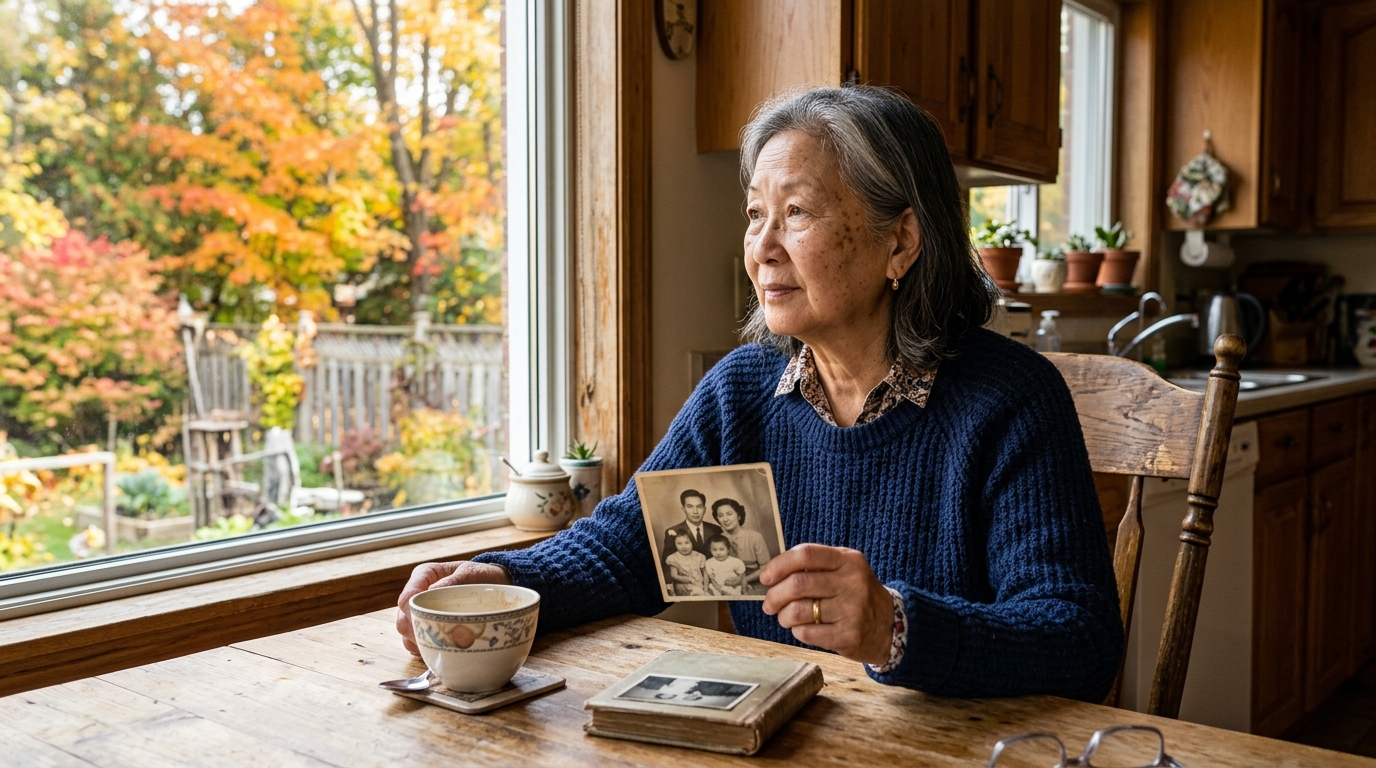
The Sandwich Generation Crisis: By the Numbers
According to Statistics Canada, nearly 8 million Canadian adults (ages 45–65) are simultaneously supporting aging parents and adult children. The financial toll is severe:
| Age | % Providing Parent Care | % Supporting Adult Child | Avg Annual Cost (Both) | Years of Caregiving |
|---|---|---|---|---|
| 45–54 | 25% | 35% | $8,000–$12,000 | 10–15 years |
| 55–64 | 38% | 28% | $12,000–$18,000 | 15–20 years |
| 65+ | 15% | 15% | $6,000–$10,000 | 5–10 years (reduced; own retirement) |
Crisis trigger: By age 60, sandwich generation members report depleting retirement savings 5–10 years faster than planned. Without intervention, they enter retirement 15–20% poorer.
Why Sandwich Generation Members Resist Asking for Help
- Guilt about aging parent: "Mom sacrificed for me; I should sacrifice for her without complaint"
- Shame about adult child: "They should be independent by now; I shouldn't need to help"
- Denial about impact: "It's just temporary; we'll manage; I don't need external help"
- Fear of reverse mortgage stigma: "Reverse mortgages are for desperate people; I can't possibly..."
According to FCAC, most sandwich generation members don't seek help until they're 6–12 months into financial crisis. A reverse mortgage accessed at 60–62 (proactively) prevents crisis at 65–68 (when options are fewer).
Dual Caregiving Costs: What Actually Gets Funded
| Aging Parent Costs | Annual | Adult Child Costs | Annual | Total |
|---|---|---|---|---|
| Home care (2x/week) | $3,600 | Housing assistance (rent subsidy) | $3,000 | $6,600 |
| Medical transport | $1,200 | Job transition support/training | $2,000 | $3,200 |
| Medication | $1,800 | Childcare for grandchild | $4,000 | $5,800 |
| Home modifications | $2,000 | Legal costs (custody, divorce) | $1,500 | $3,500 |
| Meals/nutrition | $1,500 | Move/relocation costs | $1,500 | $3,000 |
| TOTAL | $10,100 | TOTAL | $12,000 | $22,100/year |
Reality: A sandwich generation household with modest-to-moderate support for both generations spends $18,000–$28,000 annually. Multiplied over 15–20 years of caregiving, this is $270,000–$560,000 of retirement income diverted from your own security.
How a Reverse Mortgage Funds Both Relationships
Strategy 1: Lump-Sum Approach
Access $100,000–$150,000 in a lump sum, allocate strategically:
- $40,000–$50,000 to aging parent: Home care costs, modifications, medical expenses
- $30,000–$40,000 to adult child: Housing assistance, education/training, emergency support
- $30,000–$40,000 reserve: Remaining costs, healthcare inflation, unexpected crises
This frontloads caregiving costs and allows both relationships to stabilize while you preserve remaining retirement income for your own needs.
Strategy 2: Monthly Distribution Approach
Structure reverse mortgage as monthly draws:
- $800–$1,000/month to aging parent care: Home support, medical costs
- $600–$800/month to adult child: Rent assistance, support costs
- $200–$300/month personal reserve: Healthcare, unexpected needs
This spreads caregiving evenly over 15–20 years and mimics a salary replacement—matching your caregiving costs to available monthly income.
| Access Method | Lump Sum | Monthly Draws |
|---|---|---|
| Best for: Crisis stabilization | Long-term, predictable costs | |
| Timeline: Single access; funds immediately | Ongoing; flexible over years | |
| Cost control: Tempting to overspend | Forces discipline; set amount each month | |
| Flexibility: Can adjust later if needs change | Can increase draws if caregiving intensifies |
Strategy 3: Line of Credit Approach
Access reverse mortgage as a line of credit (instead of lump sum or fixed draws). This allows:
- Draw when parent's home care needs spike
- Draw when adult child faces crisis (job loss, housing emergency)
- Skip draws in months when costs are lower
- Maximum flexibility with minimum borrowing
Cost: Only interest on amounts you actually draw, not the full authorized amount.
Real-World Example: Dual Crisis, Single Solution
Michael, 61, in Hamilton, Ontario:
- Parent situation: 84-year-old mother with early dementia; needs increasing home care; current cost $3,600/year, rising 8% annually
- Child situation: 30-year-old daughter recently divorced; managing two kids; working part-time teacher; needs rent subsidy ($4,000/year) and childcare backup
- Michael's situation: Divorced himself; still working (age 60, plans to retire at 65); retirement savings not growing because caregiving costs are consuming 40% of his income
Michael accessed a $120,000 reverse mortgage structured as monthly draws:
- $900/month ($10,800/year) to mother's care: Home care escalates to 4x/week; medication management; future long-term care planning
- $700/month ($8,400/year) to daughter: Rent subsidy ($400/month) + childcare backup ($300/month) = stabilizes her housing and parenting
- $400/month ($4,800/year) personal reserve: His own healthcare, aging-related costs
Total monthly outflow: $2,000. Michael's retirement income (from part-time work + future CPP at 62 + eventual pension) is sufficient to cover his personal expenses; the reverse mortgage covers caregiving.
Outcome 5 years later (Michael now 66, retired):
- Mother: Transitioned to long-term care; Michael's monthly draws reduced to $300/month (occasional support vs. ongoing care)
- Daughter: Remarried; financially stable; Michael's draws to her stopped entirely
- Michael: Retired with stable income from CPP, pension, and controlled reverse mortgage draws now focused entirely on his own care and lifestyle
The reverse mortgage, originally $120,000, was partially repaid through draws being redirected to personal expenses. When Michael eventually sells his home or passes, the remaining balance is manageable against his home equity.
Protecting Yourself: Essential Boundaries
Critical: A reverse mortgage funds caregiving, not dependency. Without boundaries, adult children and aging parents can consume unlimited resources.
Set clear rules:
- Adult child support: Temporary assistance (rent for 12–24 months), not permanent subsidy
- Aging parent care: Supplement, not replacement for their own income/assets; parents should use their own savings first
- Your retirement: Reserve 40–50% of reverse mortgage funds for your own aging and healthcare needs
- Annual review: Reassess caregiving costs yearly; adjust if situations change
According to FSRAO, sandwich generation members who set boundaries avoid the "infinite support" trap where adult children or aging parents come to expect unlimited assistance.
Key Takeaways
- Sandwich generation caregiving costs $18,000–$28,000 annually for 15–20 years; without strategy, this depletes retirement savings prematurely
- Reverse mortgage proactively accessed at 60–62 funds both aging parent and adult child support without delaying your own retirement
- Three access methods (lump sum, monthly draws, line of credit) allow flexibility matching your dual caregiving patterns
- Lump sum ($100,000–$150,000) stabilizes both relationships immediately; monthly draws ($1,500–$2,000) provide long-term support matching actual costs
- Boundaries are essential: Clarify that assistance is temporary and supplementary, not permanent dependency
- Your retirement remains priority: Reserve 40–50% of funds for your own aging and healthcare needs
- Rick Sekhon Reverse Mortgages can structure draws matching your specific dual caregiving timeline
Frequently Asked Questions
Won't a reverse mortgage just create more dependency, encouraging my parent and child to expect unlimited support?
Only if you lack boundaries. A reverse mortgage is a tool; your values determine whether it enables dependency or healthy support. Set clear timelines ("Rent subsidy for 24 months, then you're on your own") and communicate them in writing to both parent and child.
Should I tell my adult child and aging parent about the reverse mortgage?
Yes. Transparency prevents misunderstanding later. You might say: "I've accessed a reverse mortgage to help with both of your situations for the next 10–15 years. After that, you'll need to be self-sufficient. Here's my plan." This sets expectations.
What if my parent or adult child's situation gets worse, requiring more support than anticipated?
That's why a line-of-credit reverse mortgage is ideal—you can increase draws if genuine crises emerge. However, also develop alternative plans (long-term care for parent, separate housing for adult child) so you're not the only safety net.
Can I access a reverse mortgage if I'm still working and not technically retired?
Yes. Reverse mortgage eligibility is age-based (55+) and equity-based, not employment-based. You can access RM while still working; the funds are available whether you retire at 62 or 68.
If my parent passes away or my adult child becomes self-sufficient, can I reduce or stop RM draws?
Yes. Many people access larger reverse mortgages than they immediately need, then reduce draws as caregiving demands decrease. Fewer draws mean less interest accumulation, reducing final balance when you eventually sell or pass.
Does supporting aging parent and adult child through RM affect my inheritance to my children?
Yes. Reverse mortgage borrowing reduces home equity available to heirs. However, if the goal is supporting both parent and sibling while you're alive, this is a conscious choice about how to use your equity—essentially gifting to support family rather than preserving for inheritance.
The sandwich generation doesn't have to choose between supporting aging parents, helping adult children, and protecting retirement. A strategically structured reverse mortgage funds all three simultaneously—and prevents the financial crisis that catches most sandwich generation members by surprise at 65–70.
Ready to fund dual caregiving without sacrificing your retirement? Contact Rick Sekhon Reverse Mortgages for a consultation on sandwich generation planning.
Ready to Learn More?
Find out exactly how much you could unlock from your home — free and no obligation.
Related Articles
Reverse Mortgage for Aging in Place With Fibromyalgia: Home Modifications for Invisible Illness
Fund home modifications for aging with fibromyalgia. Reverse mortgage enables accessible design for pain management, energy conservation, and quality of life.
Read →Reverse Mortgage for Accessible Community Kitchen: Culinary Training and Aging in Place
Convert your home kitchen into an accessible commercial culinary training space. Reverse mortgage funds renovation while creating community impact.
Read →Reverse Mortgage When You Previously Gifted Home Down Payment to Adult Child: Reclaiming Equity for Aging in Place
Reverse mortgage strategy when aging in place after gifting down payment to adult child. Recover equity for home modifications and care.
Read →