
Reverse Mortgage in Rural Depopulation Zone: Property Value Decline Strategy for Aging Homeowners
Reverse mortgage when aging in place in declining rural community. Navigate property value stagnation and population loss. Ontario rural aging strategy.
Your small rural Ontario town is depopulating. Young people move to cities; your community has lost 15% of population in 15 years. Your home (once worth $350,000) hasn't appreciated in 8 years—it's still $340,000, maybe less if you were selling. Meanwhile, inflation and healthcare costs climb. A reverse mortgage on a non-appreciating asset in a declining community is still viable—but the strategy differs from suburban/urban reverse mortgages. This post addresses the unique challenge of aging in place in rural depopulation zones.
This is an undercover reality in rural Ontario: aging homeowners in communities experiencing population decline face unique financial pressures. Reverse mortgages can still work, but with adjustments.
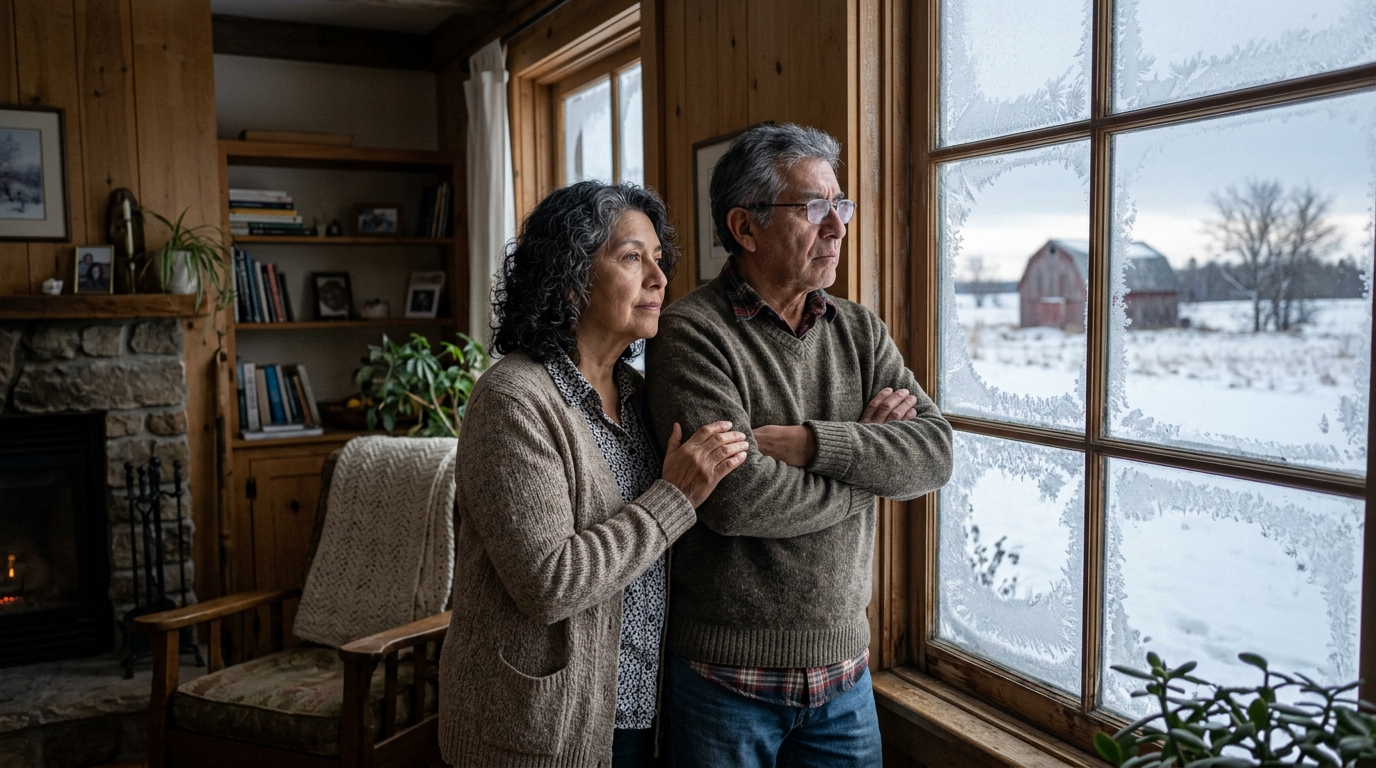
The Rural Depopulation Reality in Ontario
Your rural community is losing people. Not just young people leaving for cities—entire families, businesses, services. Schools consolidate; medical clinics close; grocery stores downsize. Property values stagnate because fewer people want to live there.
According to Statistics Canada, rural Ontario communities (populations under 10,000) have experienced:
- Average population decline: 12–18% over 15 years (2009–2024)
- Young adult out-migration: 25–35% of 18–35 year-olds moved to urban centers
- Property value stagnation: Homes appreciate 0.5–1% annually (vs. 2–3% in urban areas)
- Aging population: Average age increasing 1.5 years/decade (vs. 0.5 years nationally)
The result: Your home has been your anchor for 30–40 years, but it's not an appreciating asset anymore. It's a lifestyle choice, not a wealth-building tool.
Rural Depopulation Impact on Home Values
| Community Type | Home Value (2010) | Home Value (2024) | Annual Appreciation | Status |
|---|---|---|---|---|
| Urban GTA | $350,000 | $700,000 | 3.5%/year | Strong appreciation |
| Suburban Ontario | $300,000 | $550,000 | 2.8%/year | Steady appreciation |
| Rural (stable community) | $250,000 | $320,000 | 1.6%/year | Modest appreciation |
| Rural (depopulating) | $300,000 | $310,000 | 0.2%/year | Stagnation |
| Rural (severe decline) | $280,000 | $240,000 | –0.8%/year | Depreciation |
Your situation: You're in the "stagnation" or "modest appreciation" zone. Your home isn't losing value dramatically, but it's not a wealth generator either.
Why Reverse Mortgages Still Work in Rural Depopulation Zones
Counterintuitive insight: A reverse mortgage on a non-appreciating asset can actually be better than in appreciation zones.
The Logic: Equity Access Regardless of Appreciation
| Scenario | Urban Home (3% annual appreciation) | Rural Home (0.5% annual appreciation) | Comparison |
|---|---|---|---|
| Home value at 65 | $500,000 | $350,000 | Urban has more equity |
| RM draw at 65 (typically 40% of value) | $200,000 | $140,000 | Urban has more accessible equity |
| RM balance at 6.2% after 20 years | $660,000 | $462,000 | Urban RM grows faster |
| Home value at 85 (3% vs 0.5% appreciation) | $900,000 | $370,000 | Urban appreciates; rural stagnates |
| Estate after RM at 85 | $240,000 | $—92,000?? | CRITICAL: Urban heirs inherit; rural heirs owe |
Wait—this shows a problem. If your rural home doesn't appreciate, and your reverse mortgage balance grows at 6%+ annually, eventually the RM balance exceeds your home value. This is the "house shortfall" scenario.
However, this only matters if you plan to leave the home to heirs. If you're aging in place with no heirs (or indifferent heirs), reverse mortgage is fine—you're converting equity into income for your own use.
When Reverse Mortgage Works in Depopulation Zones
| Your Situation | Reverse Mortgage Works? | Why |
|---|---|---|
| Aging in place (plan to stay 15+ years); no strong heirs attachment | YES | You benefit from income now; home sale pays off RM at your death |
| Want to leave home to heirs; home appreciating even slowly | YES | Home appreciation > RM balance growth; heirs inherit with equity |
| Want to leave home to heirs; home stagnating 0% annual | RISKY | RM debt grows; heirs may inherit underwater (owe RM more than home worth) |
| Want to leave home to heirs; home depreciating | NO | Avoid reverse mortgage; consider downsizing instead |
| Forced to leave community (health decline, need care elsewhere) | FINE | Sell home; pay off RM; move to care facility |
| Plan to die in place (expected lifespan 20+ years) | YES | Home doesn't need to appreciate; your income needs are what matter |
Verdict: Reverse mortgages in depopulation zones work for people planning to age in place and use home equity for their own living, not as inheritance planning.
Strategic Reverse Mortgage Use in Declining Rural Communities
Strategy 1: Access Equity Before Decline Accelerates
At 68, your rural home is $350,000. In 10 years, will it be $320,000 (continued stagnation) or $280,000 (accelerated decline)? You don't know. But you do know your equity is real today.
Smart approach:
- Apply for reverse mortgage at 68–70 while home is at current value
- Secure $120,000–$150,000 lump sum or LOC
- Use for aging-in-place modifications, healthcare, or relocation if needed
- Lock in your equity access before further market decline
Why this matters: Lenders base RM amounts on current home value. If your community declines further, you'll qualify for less reverse mortgage in 5 years. Lock in your access now while the home is at peak value (relative to local trend).
Strategy 2: Balance Aging-in-Place with Realistic Exit Planning
The hard truth: If severe decline accelerates (homes worth 30–40% less), you may eventually want/need to relocate.
Realistic rural aging plan:
- Use reverse mortgage to age in place comfortably (years 65–75): Home modifications, healthcare, quality of life
- At 75–80, reassess: Is community still viable? Are healthcare services declining?
- If relocation needed: Sell home, pay off reverse mortgage from proceeds, move to urban care/retirement community
- Your RM was medium-term aging-in-place funding, not permanent inheritance tool
This is healthier than forcing yourself to stay in a depopulating community just to preserve a house for heirs.
Strategy 3: Remain Connected to Community While Accessing Equity
Some aging rural residents view their home as place, not just asset. They want to stay connected to multigenerational community, neighbors, church, heritage. A reverse mortgage lets them do this affordably.
Scenario:
- Your rural home: $350,000; you're 72
- Draw $120,000 reverse mortgage for aging-in-place improvements
- Use proceeds for: Renovations, better heating (harsh winters), accessibility
- Live comfortably in your rural community for 15+ more years
- Your "staying in place" is the point—inheritance is secondary
This is legitimate. Rural aging-in-place can be optimal if you value community, not just the home.
Government Benefits and Reverse Mortgage in Rural Communities
CPP/OAS and Service Access
Critical rural consideration: Your CPP/OAS benefits don't change, but your costs for services might increase.**
| Service | Urban Availability | Rural Availability | Cost Impact |
|---|---|---|---|
| Doctor visits | Walk-in clinics abundant | Doctor shortage; wait months | Travel costs; may need private specialist |
| Prescription delivery | Pharmacy on every corner | Nearest pharmacy 30km away | Delivery fees; travel costs |
| Home care services | PSW home care readily available | PSW shortage; hard to find | Pay premium rates; or go without |
| Emergency services | Ambulance 5–10 minutes | Ambulance 30+ minutes | Impact of delayed response |
| Healthcare coordination | Multiple specialists available | Limited specialists; travel to city | Gas, accommodation costs |
Reality: Rural aging costs more in healthcare access, even if housing costs are lower.
Reverse mortgage helps by:
- Funding home modifications to stay healthy longer (reduce need for doctor visits)
- Paying for private PSW care when public services unavailable
- Covering specialist travel costs
- Funding technology (telehealth equipment, monitoring) to substitute for in-person care
Does OAS/GIS Depend on Community Location?
No. You receive the same OAS/GIS in rural depopulating community as in urban centers. Benefits don't change based on location.
However, if your community completely disappears (unlikely, but extreme example), moving triggers benefit review:
- OAS: No impact; benefit follows you
- GIS: May be affected if you move provinces; within Ontario, no impact
- Reverse mortgage: No impact on either benefit
Case Study: Norbert and Ingrid, Ages 74 and 75, Depopulating Rural County
The situation:
- Married couple; small rural farming community (population declining 2%/year)
- Home: 4-bedroom farmhouse on 2 acres; valued $340,000 (stagnant 8 years)
- Income: CPP/OAS combined $48,000/year
- Living costs: $35,000/year (modest; rural property taxes, utilities, food)
- Current surplus: $13,000/year
- Challenge: Ingrid's mobility declining; home needs accessibility modifications ($20,000), and professional caregiver costs are rising (PSW availability is poor; they're paying $25/hour premium vs. urban $20/hour)
The reality: "We want to stay in our home. We know the community is declining. We don't care about leaving inheritance—we're focused on staying comfortable and safe as we age. But PSW costs are rising; we need modifications. Our modest CPP/OAS surplus isn't enough."
Norbert and Ingrid's reverse mortgage solution:
- Apply for reverse mortgage jointly at ages 74/75
- Draw $80,000 lump sum
- Use $20,000 for home accessibility modifications (ramp, bathroom, etc.)
- Set aside $50,000 for PSW care costs over next 5–7 years (covers $10,000–$12,000/year PSW premiums beyond their budgeted surplus)
- Keep $10,000 as emergency reserve
- Now they can afford quality home care and stay in place safely through their 80s
20-year projection:
- RM balance at 6.2% after 10 years (drawing stops after year 7): ~$98,000
- Home value (0.5% appreciation, modest): $350,000 → $365,000
- Estate at 85: $365,000 – $98,000 = $267,000
- Norbert and Ingrid lived comfortably, received quality care, stayed in their community ✓
- If they have no heirs (or indifferent heirs), inheritance is still positive ✓
The beauty: Reverse mortgage was right tool for aging in a depopulating community because they weren't trying to build inheritance; they were trying to maintain quality of life.
Key Takeaways
- Reverse mortgages work in depopulating rural communities for aging-in-place income, not for inheritance building (due to stagnant property values).
- Apply for reverse mortgage at 68–72 while home is at current peak value—lock in equity access before further community decline.
- Rural aging-in-place is more expensive than expected due to healthcare scarcity—reverse mortgage covers PSW premium costs, specialist travel, telehealth equipment.
- Plan realistically for potential relocation at 75–80—reverse mortgage is medium-term tool, not permanent; home sale will eventually pay it off.
- Your values matter: If you value community over inheritance, rural aging-in-place via reverse mortgage is optimal and healthy.
- OAS/GIS are unaffected by rural location or reverse mortgage; benefits move with you if you eventually relocate.
Frequently Asked Questions
If my rural home depreciates (goes down in value), can the reverse mortgage exceed my home's value?
Yes, it's possible. This is called being "underwater" (owing more than home worth). If home depreciates and RM debt grows (via compound interest), eventually debt could exceed value. However, "no negative equity" clause in most reverse mortgages means lender can't pursue you for shortfall. But your heirs inherit nothing (RM consumes all home value). If this concerns you, better to downsize or plan relocation earlier.
If my rural community continues declining and services disappear entirely, can I leave without penalty from my reverse mortgage?
Yes. You can sell your home at any time, pay off the RM from proceeds, and relocate. No penalty for early repayment (most reverse mortgages). Selling gives you liquidity to move to care facility, urban retirement community, or downsize. Reverse mortgage is not a trap.
Can I use reverse mortgage proceeds to leave my rural community and relocate to a better-serviced urban area?
Yes, absolutely. Some rural seniors use RM strategically: Draw $100,000–$150,000 now; use it to fund relocation to urban senior community/retirement home in 3–5 years. Sell rural home; pay off RM; keep remaining equity. Reverse mortgage can fund the transition, not just permanent aging-in-place.
If I'm depressed about my community's decline, is a reverse mortgage making the situation worse?
Not financially, but psychologically matters. A reverse mortgage doesn't cause community decline; it helps you navigate it. However, if you're aging in a place that makes you unhappy, the right solution might be relocation, not reverse mortgage. Consider your emotional attachment to place when deciding whether to age in place or move.
Does my rural community's depopulation affect lender approval for a reverse mortgage?
No. Lenders base qualification on current home value and your age, not on community trends. A $340,000 rural home qualifies the same as a $340,000 suburban home. Community decline doesn't directly block approval. However, if your home is worth significantly less than regional average, appraisal might come in lower than expected.
If I take a reverse mortgage in a rural area and then move to a city for better healthcare, do I still owe the reverse mortgage immediately?
No. Moving doesn't trigger repayment. You can move, keep the home as a second property (or rent it), and pay off RM when you sell. However, if your home is your principal residence, lender may require you to maintain it as such. Discuss relocation scenarios with lender before applying.
Aging in place in rural Ontario? Contact Rick Sekhon Reverse Mortgages to explore how a reverse mortgage can fund comfortable, high-quality aging in your community—regardless of population trends. Rural Ontarians deserve dignity and access to care, even as communities change. Your home equity can support that.
Ready to Learn More?
Find out exactly how much you could unlock from your home — free and no obligation.
Related Articles
Reverse Mortgage When You Previously Gifted Home Down Payment to Adult Child: Reclaiming Equity for Aging in Place
Reverse mortgage strategy when aging in place after gifting down payment to adult child. Recover equity for home modifications and care.
Read →Reverse Mortgage When Supporting Multiple Adult Children With Disabilities: Protecting Long-Term Financial Obligations
Reverse mortgage strategy for aging parents as primary breadwinner for multiple disabled adult children. Secure long-term caregiving costs.
Read →Reverse Mortgage When Aging Parent and Adult Child Both Relocate to Smaller Ontario Town
Moving aging parent and adult child to a smaller Ontario town for quality of life? Fund home purchase, renovations, and transition costs with a reverse mortgage.
Read →