
Reverse Mortgage When Neighboring Development Impacts Your Property: Development Proximity Funding
Major development adjacent to your home reduces property value and livability. Reverse mortgage funds relocation, soundproofing, or market recovery in Ontario.
A major development just announced for the vacant lot next door—and your once-quiet neighborhood is transforming overnight. Whether it's a large residential tower, industrial facility, shopping center, or highway expansion, neighboring development can dramatically reduce your property's value, increase noise and disruption, and compromise the aging-in-place lifestyle you planned. A reverse mortgage can fund soundproofing, help you relocate to a more stable neighborhood, or bridge the financial gap while your property recovers from the development shock.
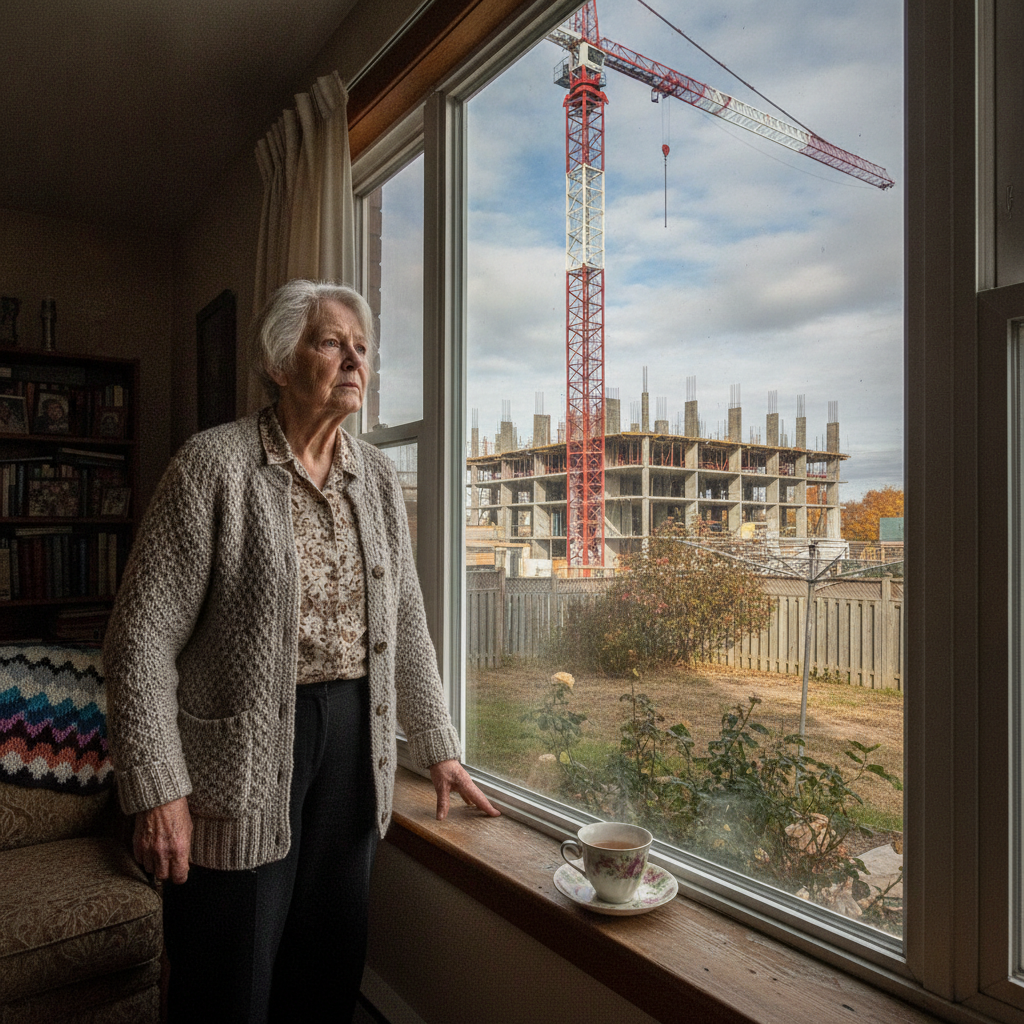
How Development Impacts Neighboring Properties
When major development happens adjacent to residential properties, the effects are significant and often permanent:
| Impact Type | Financial Consequence | Aging-in-Place Disruption |
|---|---|---|
| High-rise tower next door | -15% to -30% home value loss | Loss of privacy, natural light, views |
| Industrial facility | -20% to -40% value loss; insurance increases | Noise, air quality, heavy traffic |
| Shopping center/commercial | -10% to -25% value loss | Constant traffic, noise, congestion |
| Highway expansion | -25% to -50% value loss; insurance may cancel | Noise, air pollution, vibration damage |
| Multi-family apartment complex | -10% to -20% value loss | Increased parking, noise, foot traffic |
| Data center or telecom tower | -15% to -35% value loss; health concerns | EMF exposure concerns, industrial appearance |
Timeline: Property value loss is often immediate (announced before construction) and may take 3–5 years to stabilize (if it does at all).
Real Ontario Development Scenarios
Scenario 1: Waterfront Neighborhood Tower Development
Robert, 72, has owned a cottage-style home in Lakeshore, Toronto for 30 years, valued at $850,000. A developer announces a 40-story residential tower for the neighboring vacant lot.
Impact:
- Loss of lakefront views (tower blocks sun)
- Construction noise for 4 years (daytime disruption)
- Post-construction density increases parking, congestion
- Home value drops: $850,000 → $700,000 (18% loss = $150,000)
Robert's aging-in-place plan relied on home equity for future care costs. The tower announcement threatens his financial security.
Options:
- Stay and soundproof: Reverse mortgage for $50,000 (soundproofing, triple-pane windows, interior renovations to minimize noise)
- Relocate: Reverse mortgage for $80,000 (realtor fees, legal costs, down payment on quieter home in less-disrupted neighborhood)
Robert chooses relocation, using reverse mortgage to fund move costs while accepting property loss.
Scenario 2: Industrial Development in Residential Area
Margaret, 68, in a semi-rural part of Ontario, learns that a 24-hour data center will be built 500 meters from her home.
Impact:
- Noise (cooling systems, truck deliveries)
- Air quality concerns (backup generators)
- Property value: $500,000 → $375,000 (25% loss = $125,000)
- Home insurance increases or coverage changes
- Aging in place becomes less attractive (noise disrupts sleep, health)
Margaret applies for a reverse mortgage for $120,000. She uses it to:
- Soundproof her home ($40,000)
- Install air filtration systems ($15,000)
- Bridge the property value loss while waiting for other neighbors to relocate, stabilizing price
Reverse Mortgage Solutions for Development Impact
Option 1: Soundproofing and Environmental Protection
If the development is unavoidable and you want to stay, a reverse mortgage can fund:
✓ Soundproofing (walls, windows, HVAC): $30,000–$80,000
✓ Air filtration and HVAC upgrades: $10,000–$25,000
✓ Blackout solutions and privacy screening: $5,000–$15,000
✓ Structural reinforcement (if vibration is concern): $15,000–$40,000
These upgrades can mitigate (not eliminate) the impact and preserve aging-in-place feasibility.
Option 2: Strategic Relocation
If staying is untenable, a reverse mortgage funds:
✓ Real estate transaction costs (realtor fees): $15,000–$50,000
✓ Legal and closing costs: $5,000–$10,000
✓ Down payment on property in less-disrupted area: $50,000–$150,000
✓ Moving and setup costs: $10,000–$20,000
The goal is to relocate before your current property depreciates further, preserving remaining equity.
Option 3: Hold and Wait (Bridge Funding)
Some developments stabilize in value after 5–7 years. Others don't. A reverse mortgage can bridge the holding period:
✓ Cover mortgage/tax/insurance increases during depressed value period
✓ Avoid forced sale at the worst possible time
✓ Maintain aging-in-place position while waiting for market recovery
This works best if you can afford to wait and if the development type typically sees value recovery.
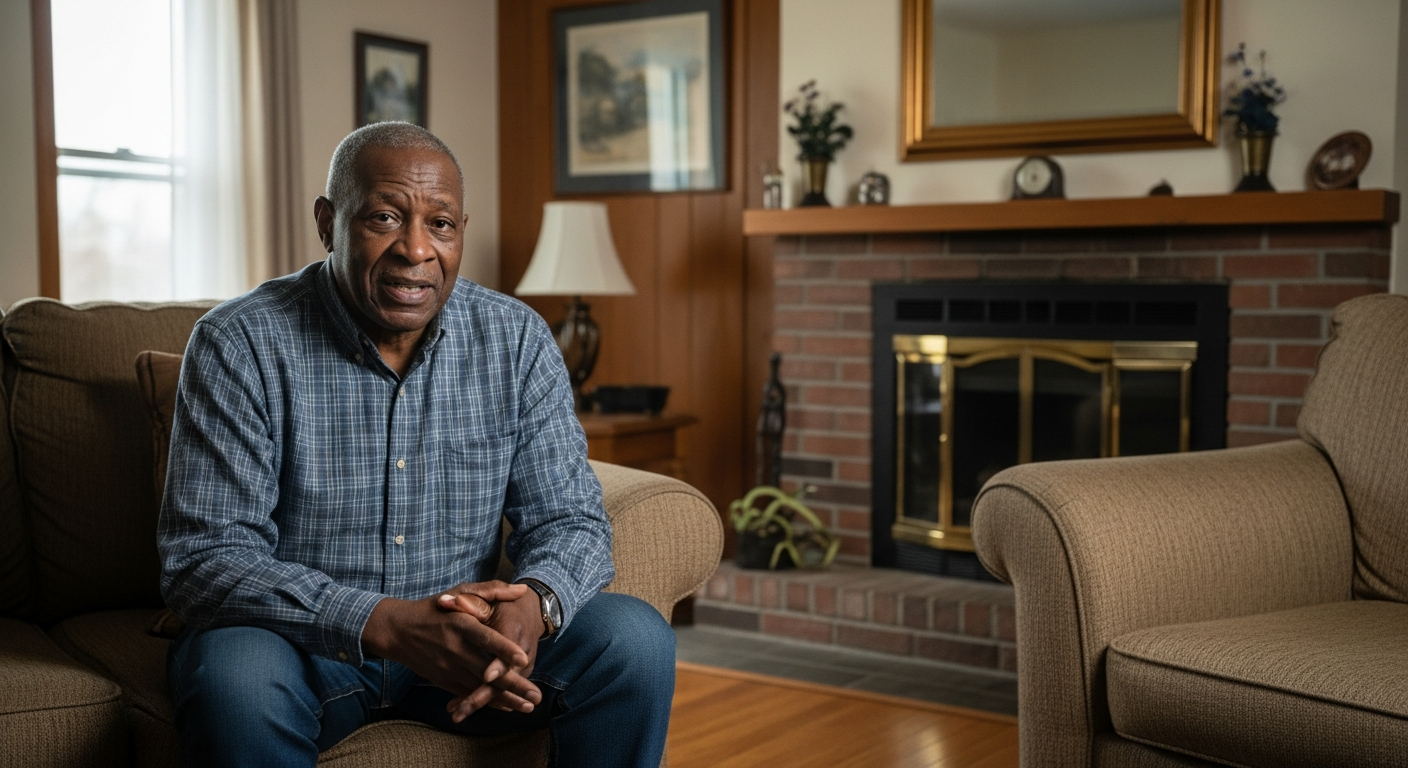
Timeline: Development Announced to Stabilization
| Phase | Timeline | Property Impact | Reverse Mortgage Role |
|---|---|---|---|
| Announcement | Month 0 | Value drops 10–20% immediately | Assess options; apply for RM if staying |
| Construction | Months 3–48 | Continued disruption; value stabilizes low | RM covers soundproofing or relocation costs |
| Post-Construction | Months 48–60 | Disruption ends; value may recover slowly | RM repaid from improved value or sale |
| Long-Term (5+ years) | Year 5+ | Value recovers 20–50% of initial loss (variable) | RM may be fully repaid if market recovers |
Development Type and Property Recovery Likelihood
| Development Type | Construction Duration | Typical Value Recovery |
|---|---|---|
| Residential tower (luxury) | 3–4 years | 30–60% value recovery over 5–10 years |
| Residential apartment (mid-market) | 2–3 years | 20–40% recovery over 5–7 years |
| Retail/shopping | 1–2 years | 10–30% recovery over 5–10 years |
| Industrial facility | 1–2 years | 0–10% recovery (rarely recovers) |
| Highway expansion | 3–5 years | 0–20% recovery (rarely significant) |
| Mixed-use (residential + retail) | 2–4 years | 40–70% recovery over 7–10 years |
Key insight: Residential developments show better long-term value recovery than industrial or highway projects. Properties next to luxury towers often recover; properties next to data centers rarely do.
Legal Recourse and Advocacy
Before accessing a reverse mortgage, investigate:
- Zoning disputes: Is the development legally permitted? Some communities successfully block incompatible development.
- Environmental assessment: Does development require mitigation measures to reduce noise/air impact?
- Class action lawsuits: Have other affected homeowners organized legal action?
- Municipal appeals: Can you appeal the development through your municipality?
FCAC advises: Explore legal remedies before financial ones. A successful zoning challenge saves you the need for a reverse mortgage entirely.
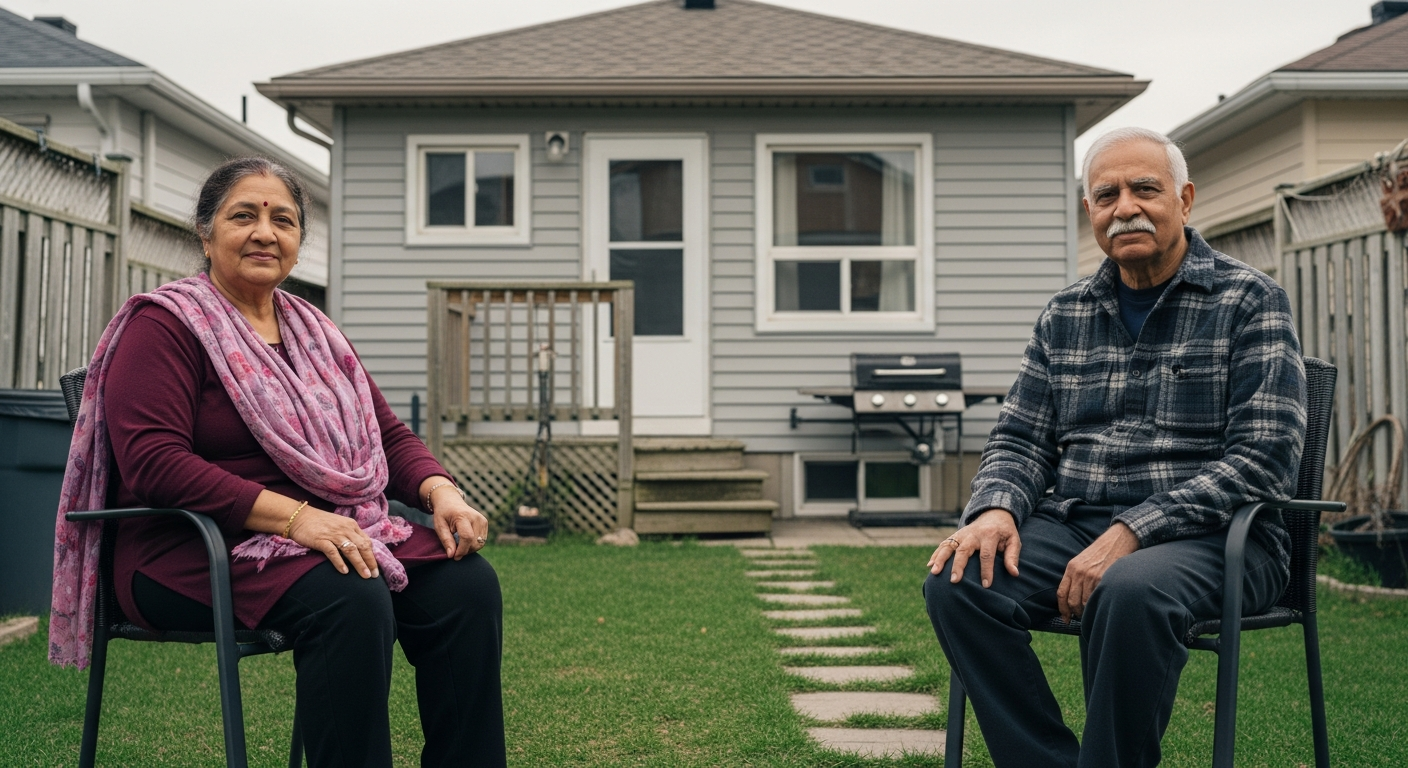
When Relocation Makes Sense
You should consider relocation if:
✓ Development is major (40+ story tower, industrial facility, highway)
✓ Property value loss exceeds $100,000
✓ Your neighborhood was selected for aging in place due to quiet/stability
✓ The development is 10+ years away from completion (long disruption period)
✓ You're young enough (55–70) to establish yourself in a new neighborhood
✓ Property value may never recover to pre-announcement levels
When Soundproofing Makes Sense
You should soundproof if:
✓ Development is moderate (mid-rise, retail, not industrial)
✓ You have deep emotional attachment to your home
✓ The neighborhood has intrinsic value independent of the adjacent development
✓ Property value loss is limited ($50,000–$100,000)
✓ Post-construction, the neighborhood likely remains desirable
Tax and Insurance Implications
According to the CRA, property value loss from neighboring development is not tax-deductible (homes are not investment property). However, if the property IS an investment (rental), depreciation and losses may be claimable. Consult a tax professional.
According to OSFI guidance, home insurance companies must disclose any coverage changes or exclusions due to neighboring development within 30 days. If your insurer changes terms, you have the right to appeal or shop for alternative coverage—don't accept unfavorable changes without comparison shopping.
Insurance implications: Insurance companies may:
- Increase premiums due to changed neighborhood risk profile
- Exclude certain perils (if industrial development creates contamination risk)
- Cancel coverage if property becomes uninsurable
Verify insurance implications before deciding whether to stay.
Key Takeaways
- Neighboring development reduces property value by 10–50%, sometimes permanently
- Reverse mortgages fund soundproofing ($30,000–$80,000) if staying
- Reverse mortgages fund relocation costs ($80,000–$120,000) if moving
- Property value recovery varies by development type; industrial projects rarely recover
- Explore legal remedies (zoning appeals) before financial ones
- Work with Rick Sekhon Reverse Mortgages to structure funding aligned with your decision (stay, soundproof, or relocate)
Frequently Asked Questions
Can I claim the property value loss as a tax deduction?
No. Under Canadian tax law, principal residences cannot be depreciated, and personal use property losses are not deductible. However, if your property is a rental investment, consult a tax professional about potential loss deductions.
Should I sue the developer for reduced property value?
Class action lawsuits against developers are rare and often unsuccessful. Property value loss from permitted development is generally not recoverable through litigation. Focus on legal remedies (zoning appeals) before the development is approved, not after.
How long should I wait for property value to recover before accepting the loss?
If the development is residential (tower, apartments), value often recovers 30–60% within 5–10 years. If industrial or highway-related, recovery is unlikely. After 5 years with no signs of recovery, consider relocation rather than waiting indefinitely.
Can I refinance my mortgage to fund soundproofing instead of using a reverse mortgage?
If you have a traditional mortgage, refinancing may be possible but requires income verification. A reverse mortgage is simpler for 55+ homeowners without employment income. Compare both options with Rick Sekhon.
What if my reverse mortgage is more than the property is worth after development devalues it?
This is the risk of holding a declining-value property with debt. The "no negative equity guarantee" in reverse mortgages means you can never owe more than the home is worth, but the debt can become a large claim against a smaller estate. This is another reason to consider relocation rather than holding.
Should I try to organize neighbors to block the development, or accept it and use a reverse mortgage to adapt?
Both approaches are valid. If the development hasn't been approved, neighborhood advocacy can be effective. If it's already approved, focus on adaptation (soundproofing) or relocation rather than spending energy on unsuccessful appeals. Discuss timing with Rick Sekhon to coordinate reverse mortgage strategy with your neighborhood's situation.
Ready to Learn More?
Find out exactly how much you could unlock from your home — free and no obligation.
Related Articles
Aging in Gentrifying Neighborhood: Reverse Mortgage to Stay in Your Community
Your neighborhood is gentrifying fast—property taxes rising, community changing. Use reverse mortgage to stay in place while property values surge.
Read →Climate-Ready Aging in Place: Reverse Mortgage for Weather Adaptation in Ontario
Fund climate adaptation for aging in place in Ontario. Reverse mortgage for extreme weather home upgrades and resilience.
Read →Stay in Your Neighborhood as It Gentrifies: Reverse Mortgage Strategy
Your neighborhood is changing—property taxes rising, longtime friends moving. Use a reverse mortgage to afford aging in place where you belong.
Read →