
Climate-Ready Aging in Place: Reverse Mortgage for Weather Adaptation in Ontario
Fund climate adaptation for aging in place in Ontario. Reverse mortgage for extreme weather home upgrades and resilience.
Can your current home protect you as Ontario's climate becomes more volatile? Summers are hotter, winters more unpredictable, flooding more common, and heat waves more intense. For aging homeowners planning to age in place, climate adaptation isn't a luxury—it's infrastructure. A reverse mortgage funds the upgrades that keep you safe and comfortable as weather extremes accelerate.
From upgraded insulation and air conditioning to sump pumps and backup power, climate-ready homes cost $8,000–$25,000 to adapt. That investment pays dividends over 20+ years of aging in place, reducing energy costs, preventing heat-related health crises, and avoiding catastrophic water damage. A reverse mortgage makes that future-proofing accessible without liquidating investments.
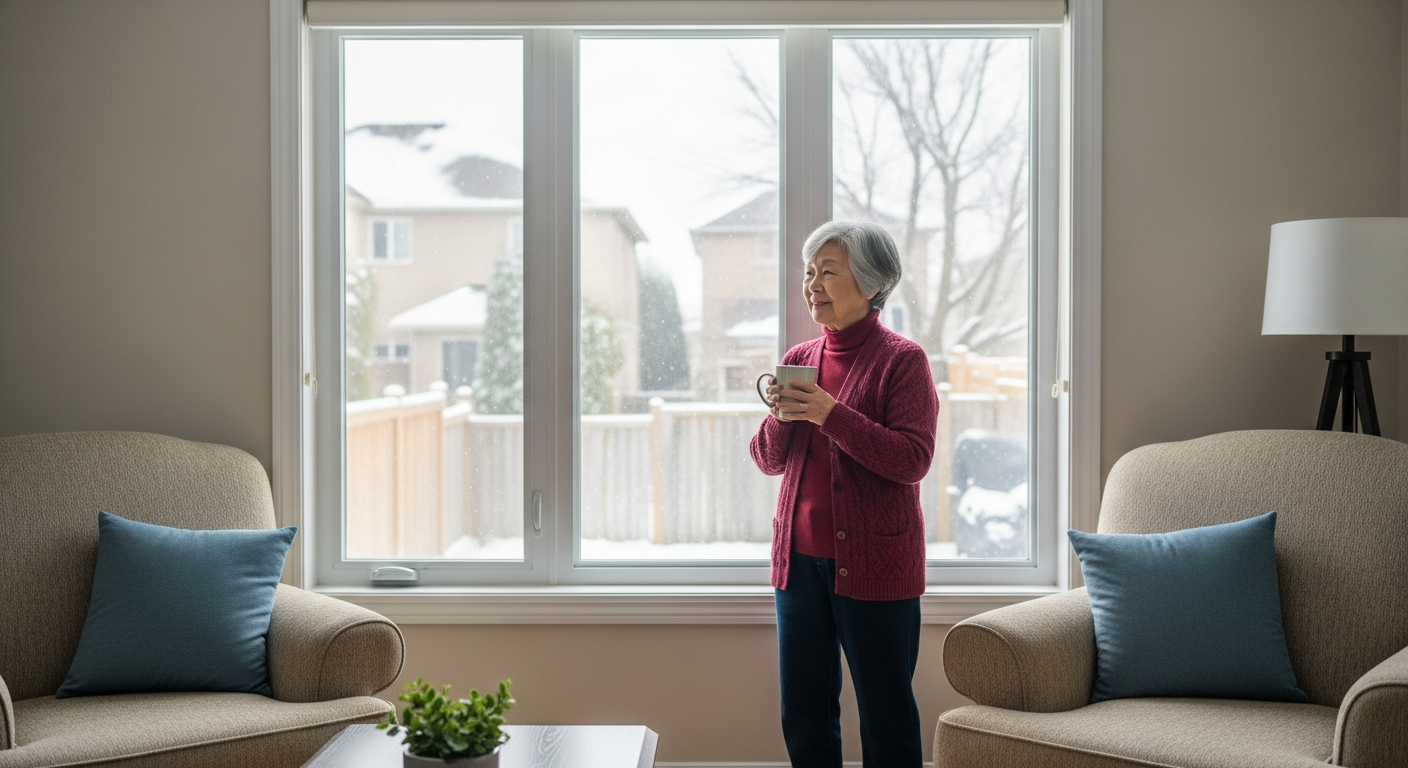
Ontario's Changing Climate and Aging-in-Place Risk
The data is stark:
- Heat waves lasting 5+ days have increased 300% since 1990 (Environment Canada)
- Heavy rainfall events exceeding 50mm in 24 hours have increased 15% (Canadian Climate Institute)
- Winter ice storms causing power outages have doubled in frequency since 2000
- Spring flooding from rapid snowmelt and heavy rain affects 5+ Ontario communities annually
For aging seniors, these extremes are life-threatening:
- Heat waves: Dehydration, stroke, falls from dizziness. Isolated seniors without AC are at highest risk.
- Flooding: Water damage destroys homes and forces rapid displacement (often into institutional care).
- Winter storms: Power outages eliminate heating; seniors hypothermic within hours without backup systems.
- Extreme cold: Slips/falls on ice; inability to access medications if roads become impassable.
The strategic imperative: If you're aging in place, invest in climate adaptation now, before a climate crisis forces emergency (and expensive) repairs or displacement.
According to Statistics Canada, heat-related deaths among seniors aged 65+ have increased 35% in the last decade, primarily in homes without air conditioning. Adaptation saves lives.
Climate Adaptation for Ontario Aging Homes: What to Upgrade
| Upgrade | Estimated Cost | Climate Risk It Addresses | Aging-in-Place Benefit |
|---|---|---|---|
| Energy efficiency & cooling | — | — | — |
| High-efficiency windows (whole home) | $8,000–$15,000 | Heat waves; high AC costs | Cooler summer, warmer winter; reduced energy bills |
| Air conditioning system (central or mini-split) | $5,000–$12,000 | Heat waves; health risk | Heat wave safety; prevents heat stroke in vulnerable seniors |
| Attic insulation upgrade (R-60+) | $2,000–$4,000 | Extreme temperatures | Stable interior temps; reduces heating/cooling costs 15–20% |
| Flood resilience | — | — | — |
| Sump pump + backup battery | $2,000–$4,000 | Flooding; basement water damage | Prevents catastrophic foundation/basement flooding |
| Grading and drainage improvements | $1,500–$3,500 | Surface water pooling | Directs water away from foundation and basement |
| Backwater valve installation | $800–$1,500 | Sewage backup during floods | Prevents sewage backup into home |
| Power & heating resilience | — | — | — |
| Backup generator (portable or installed) | $3,000–$8,000 | Winter power outages; summer AC failure | Can run furnace, AC, or fridge during outages |
| Heat pump or dual-fuel heating upgrade | $8,000–$15,000 | Winter cold; heat dependence | More efficient; can heat during power outages |
| Fireplace or wood stove (backup heat) | $2,000–$5,000 | Winter heating loss | Emergency heat source if furnace fails |
| Accessibility in severe weather | — | — | — |
| Heated garage or covered entry | $5,000–$12,000 | Winter ice/snow hazards | Shelter from elements; reduces fall risk |
| Outdoor lighting + slip-resistant surfaces | $1,500–$3,000 | Winter darkness; ice/snow slips | Safer navigation in winter conditions |
| Total climate adaptation package | $20,000–$45,000 | — | Future-proof aging in place |
Prioritization for limited budgets:
- Tier 1 (critical): AC system, sump pump, backup generator ($10K–$20K)
- Tier 2 (important): Window/insulation upgrades, heating backup ($8K–$15K)
- Tier 3 (nice to have): Grading, covered entry, advanced lighting ($5K–$10K)
How a Reverse Mortgage Funds Climate Adaptation
Example: Dorothy is 74, retired, owns a $475,000 bungalow in suburban Toronto.
Dorothy's home was built in 1982 (pre-modern insulation standards). Last summer's heat wave hit 42°C; Dorothy's single window AC struggled. She worried about heat stroke but feared expensive system upgrades. She has $70,000 in savings but needs that for medical care as she ages.
Dorothy's reverse mortgage strategy:
-
Apply for reverse mortgage — Age 74 with $475K home qualifies for approximately $100,000–$140,000 available. She accesses a $20,000 line of credit.
-
Fund Tier 1 climate upgrades:
- Central AC system upgrade: $8,500
- Sump pump + backup battery: $2,500
- Backup generator (portable, 7,000-watt): $3,500
- Window upgrades (main living areas): $5,000
- Total: $19,500
-
Energy and resilience benefits:
- Heating/cooling efficiency: New AC + windows reduce summer cooling costs from $300/month to $150/month ($1,800/year savings)
- Winter heating: Better insulation and window efficiency reduce heating from $200/month winter to $120/month ($960/year savings)
- Total annual energy savings: ~$2,760
- Heat safety: AC system protects Dorothy from heat-wave health crises (value: priceless)
- Flood resilience: Sump pump prevents $15,000+ in water damage if basement floods
- Power resilience: Backup generator keeps AC, fridge, lights running if power outages occur
-
Reverse mortgage repayment:
- Dorothy borrowed: $19,500
- Interest at 6.5%: ~$1,267/year (deferred)
- Energy savings offset interest: $2,760/year saves more than accruing interest
- Reverse mortgage balance: Essentially paid for itself within 7–10 years via energy savings
-
Estate impact:
- Dorothy's home: Still worth $475,000+
- Reverse mortgage balance after 10 years: ~$28,000 (including accrued interest)
- Home equity available to heirs: $447,000+
- Plus: Adapted home is more valuable and attractive to future owners/heirs
Climate Risks Unique to Ontario Homeowners
Heat Waves:
- Increasing frequency: 3–5 days of 35°C+ heat now common in summer
- Aging in place risk: Seniors without AC are vulnerable to heat stroke, especially if immobile or on medications affecting thermoregulation
- Solution: Central AC or mini-split system; cost ~$7,000–$12,000
Basement Flooding:
- Toronto, Ottawa, and southern Ontario at high risk for 100-year floods
- Basement damage: $5,000–$50,000+ per incident
- Solution: Sump pump + battery backup + grading; cost ~$4,000–$6,000
Winter Power Outages:
- Ice storms causing multi-day outages becoming more common
- Aging in place risk: Without power, furnace doesn't run; seniors face hypothermia within hours
- Solution: Backup generator or heat pump with battery storage; cost ~$5,000–$12,000
Spring Flooding (Snowmelt + Rain):
- Rapid snowmelt + heavy spring rains overwhelm stormwater systems
- Ontario communities experience "once-a-century" flooding now every 5–10 years
- Solution: Grading, sump pump, backwater valve; cost ~$4,000–$8,000
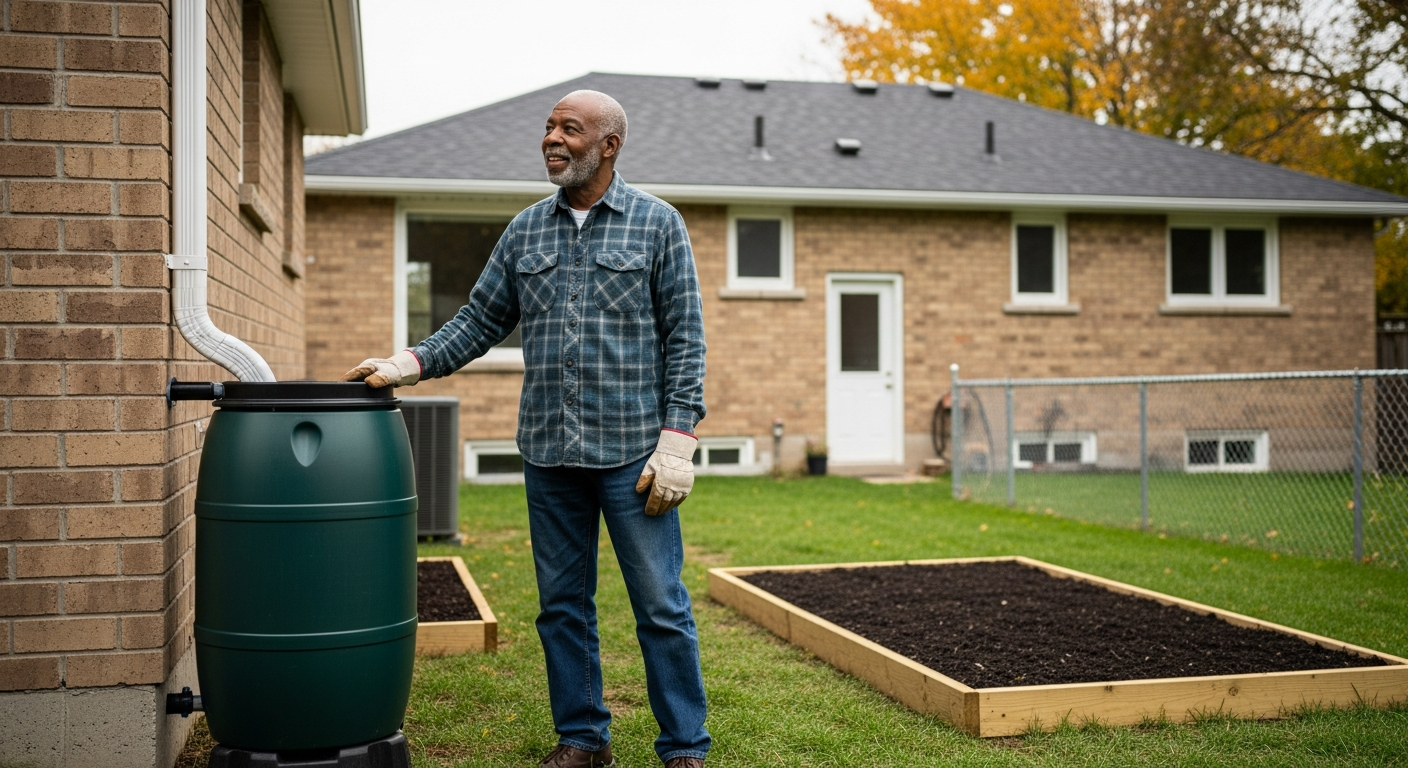
Coordinating Climate Adaptation with Accessibility Modifications
Many aging-in-place seniors need both accessibility (ramps, grab bars, widened doors) and climate adaptation (AC, windows, insulation). A comprehensive reverse mortgage strategy addresses both:
| Upgrade Type | Purpose | Cost | Example |
|---|---|---|---|
| Accessibility | Enable mobility with disability | $10K–$30K | Ramps, grab bars, accessible bathroom |
| Climate | Protect from weather extremes | $15K–$35K | AC, windows, backup power |
| Combined renovation | Accessibility + climate | $20K–$50K | Modern accessible kitchen + insulation + AC |
A single renovation project addressing both accessibility and climate is more efficient and cost-effective than two separate projects.
Example: Renovate main floor kitchen for accessibility (new cabinets, wider appliances, grab bars) while upgrading windows, insulation, and AC. One contractor, one timeline, one disruption—but addressing both aging and climate needs.
Key Takeaways
✓ Climate adaptation for Ontario aging-in-place homes costs $15,000–$40,000 — a significant but achievable reverse mortgage draw
✓ Energy efficiency upgrades pay for themselves through reduced utility bills ($2,000–$3,000/year savings common)
✓ AC and backup power systems are non-negotiable for aging in place — health and safety, not luxury
✓ Flood resilience (sump pump, grading) prevents catastrophic damage — one flooding event can cost more than climate adaptation
✓ Reverse mortgage interest accrues slowly; energy savings offset it — over 10 years, energy savings often exceed cumulative interest, making the upgrade essentially self-funded
✓ Climate-adapted homes are more valuable and attractive — your heirs inherit a more resilient, efficient property
✓ Act now before a climate crisis forces emergency repairs — proactive adaptation is cheaper and less disruptive than reactive repairs after disaster
Planning Your Climate Adaptation Strategy
Step 1: Energy Audit
Many Ontario utilities offer free or subsidized home energy audits. They identify where your home loses heat/cool and recommend priority upgrades.
Cost: $0–$300 Time: 2–3 hours Outcome: Professional roadmap for climate adaptation
Step 2: Assess Your Specific Climate Risks
Ask yourself:
- Heat risk: Does your home get above 28°C indoors during summer? Is your AC struggling?
- Flood risk: Is your basement at risk (low-lying area, history of water intrusion)? Do you have a sump pump?
- Power risk: Has your neighborhood experienced extended power outages? Can your furnace/AC run during an outage?
- Cold risk: Are your windows drafty? Does your furnace keep you warm during winter?
Step 3: Prioritize Upgrades
Based on your risks, prioritize Tier 1 (critical), Tier 2 (important), Tier 3 (nice-to-have).
Step 4: Get Quotes
Contact 2–3 contractors for each major upgrade (AC, windows, generator, sump pump). Average the quotes and budget accordingly.
Step 5: Get a Reverse Mortgage Quote
Contact Rick Sekhon Reverse Mortgages for available funds. A $20,000–$35,000 line of credit is typical for climate adaptation.
Step 6: Execute and Monitor
Complete upgrades in priority order. Track energy bills to verify savings. Maintain systems annually (AC filters, generator, sump pump test).
Frequently Asked Questions
Are there tax deductions for climate adaptation work?
Ontario offers:
- Ontario Accessibility Tax Credit: If upgrades include accessibility (not just climate), you may claim tax credits (~15% refund)
- Federal Home Builders' Plan: Not applicable to existing homes
- Donation to environmental nonprofits: If you donate part of the cost, you may claim a charitable deduction (unusual)
Mostly, climate adaptation is not tax-deductible (unlike business expenses or investment property improvements). However, increased home value may reduce capital gains tax when you eventually sell.
Can I use a reverse mortgage to install solar panels?
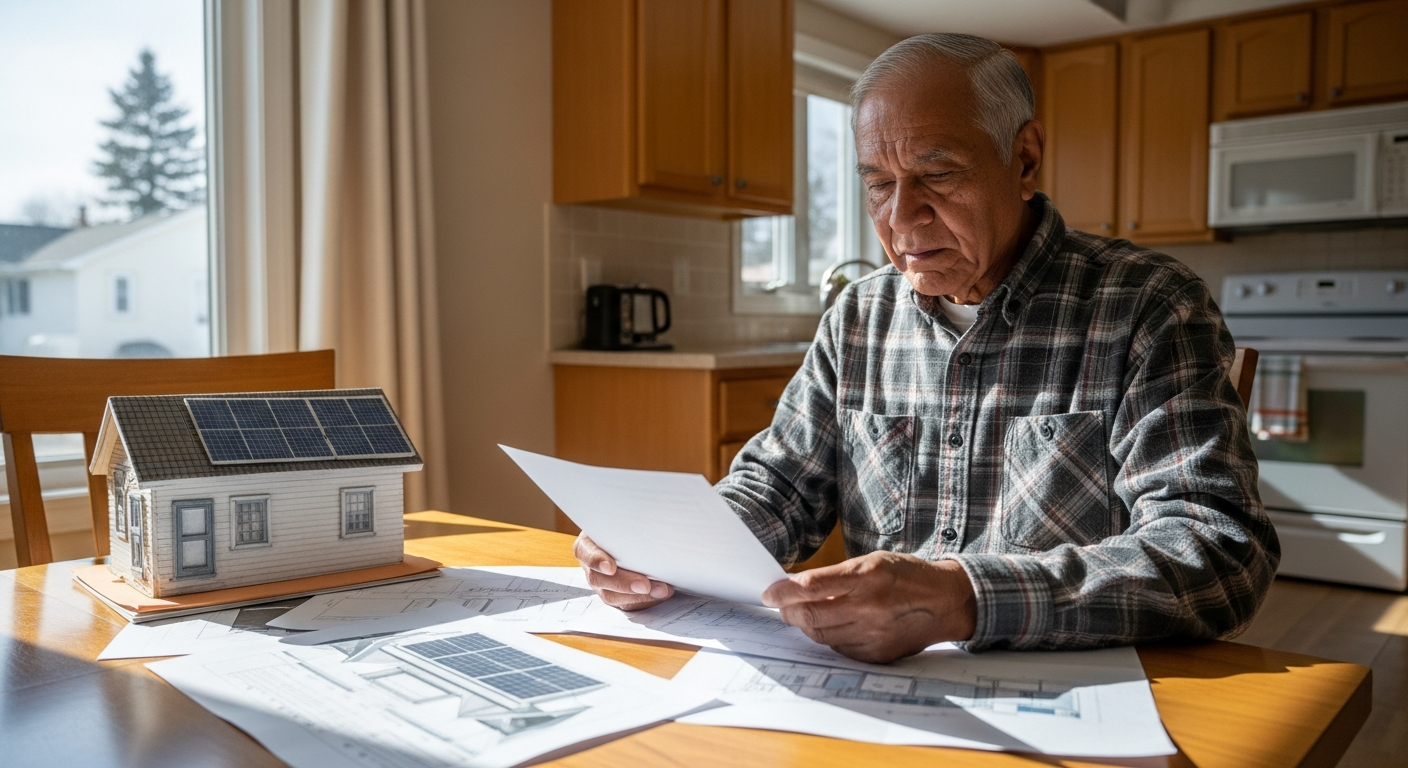
Yes, though solar is a different calculation. Solar systems cost $15K–$30K; they generate electricity (reducing your hydro bill). Some Ontario homeowners pair solar with reverse mortgages for long-term energy independence. However, solar requires a 15–20 year payback and is best for homes you're staying in long-term.
What's the difference between climate adaptation and climate resilience?
- Climate adaptation: Home modifications to protect you from climate impacts (AC, windows, sump pump)
- Climate resilience: Broader strategy including adaptation + disaster preparedness (emergency supplies, evacuation plan, backup power)
Both matter. A reverse mortgage funds adaptation; you handle resilience planning independently.
Should I wait for government incentives/rebates on climate upgrades?
Ontario offers some incentives:
- Enbridge rebates: For natural gas efficiency upgrades
- Hydro One rebates: For electricity efficiency
- Federal Canada Greener Homes Grant: Up to $5,000 for energy efficiency (application process is slow; typically 6–12 months)
Don't wait for these. The application process is lengthy; grants are capped; and your immediate climate risk doesn't wait. Use a reverse mortgage to fund upgrades now; apply for rebates to offset the cost afterward.
Is a heat pump better than traditional AC for aging in place?
Heat pumps are superior for aging in place because:
- They cool in summer (AC function) and heat in winter (heating function)
- They're highly efficient (use less energy than separate systems)
- Modern cold-weather heat pumps work even in Ontario winters
- They can run on battery backup or generator during power outages
Cost is higher ($10K–$15K vs. $7K–$10K for standalone AC), but the dual function justifies it for long-term aging in place.
What's the lifespan of climate adaptation upgrades?
- AC systems: 12–15 years (maintenance-dependent)
- Windows: 20–25 years (modern windows)
- Insulation: 50+ years (doesn't degrade)
- Sump pumps: 7–10 years (replace battery annually)
- Backup generators: 15–20 years (maintain annually)
Most climate upgrades last 15+ years, well within the aging-in-place timeline for seniors 65–85.
What if I'm planning to move in 5–10 years and don't want to stay aging in place?
Climate adaptation increases home value and appeal. Even if you eventually sell, the upgrades:
- Make your home more attractive to buyers (lower utility costs, modern systems)
- May increase resale value by $10,000–$20,000 (efficiency and AC appeal)
- Are deducted from reverse mortgage balance only if you haven't repaid it; if sold, proceeds cover the loan
No loss.
Can I do incremental climate adaptation (one upgrade per year) instead of all at once?
Yes. A reverse mortgage line of credit allows you to draw incrementally:
- Year 1: AC system ($8,000)
- Year 2: Windows ($5,000)
- Year 3: Backup generator ($4,000)
- Year 4: Sump pump upgrade ($2,000)
You only pay interest on what you've drawn, not the full line of credit. This spreads cost and allows you to learn from early upgrades before proceeding to later ones.
Next Steps
If you're an Ontario senior planning to age in place:
- Get a free energy audit — Contact your local utility for a professional assessment
- Assess your climate risks — Review flooding history, heat wave risk, winter storm frequency in your area
- Prioritize upgrades — Based on your specific risks, decide Tier 1, 2, and 3
- Get contractor quotes — Obtain 2–3 quotes for each major upgrade
- Get a reverse mortgage quote — Contact Rick Sekhon Reverse Mortgages for available funds
- Apply for government rebates — Check Enbridge, Hydro One, and federal grants
- Execute and maintain — Complete upgrades; maintain systems annually
Climate-adapted aging in place isn't a luxury—it's a health and safety investment. A reverse mortgage makes it accessible now, before a climate crisis forces emergency (expensive, disruptive) repairs.
Ready to Learn More?
Find out exactly how much you could unlock from your home — free and no obligation.
Related Articles
Reverse Mortgage for Extreme Weather Resilience: Wildfire, Heat Dome, and Climate Adaptation
Protect your aging-in-place home from extreme weather. Learn how a reverse mortgage funds heat dome safety, wildfire preparation, flood resilience, and climate adaptation for Ontario seniors.
Read →Reverse Mortgage for Home Winterization and Climate Adaptation in Ontario Winters
Aging in Ontario winters means costly heating bills, roof maintenance, and ice dam prevention. A reverse mortgage funds climate-resilient home upgrades.
Read →Aging in Place with a Reverse Mortgage: Home Modification Guide
How Ontario seniors can fund aging-in-place home modifications with a reverse mortgage — costs, top modifications, grants, and a complete planning guide.
Read →