
Reverse Mortgage for Extreme Weather Resilience: Wildfire, Heat Dome, and Climate Adaptation
Protect your aging-in-place home from extreme weather. Learn how a reverse mortgage funds heat dome safety, wildfire preparation, flood resilience, and climate adaptation for Ontario seniors.
Your Ontario home has served you well for decades, but extreme weather events are becoming more frequent and severe. Heat domes, wildfires creating dangerous air quality, flooding, and intense storms are no longer rare—they're the new normal for Ontario aging in place. Preparing your home for climate extremes isn't a luxury; it's essential to stay safely at home as you age. A reverse mortgage provides the capital to make critical climate resilience upgrades.
Ontario's Extreme Weather Reality
Ontario's climate is shifting. The summers of 2021–2024 revealed how vulnerable homes can be to heat, poor air quality, flooding, and storms. If you're aging in place in Ontario, you're vulnerable to:
Heat Domes and Extreme Heat
- Frequency: 3–4 heat waves per summer now common (vs. 1–2 historically)
- Duration: Multi-day heat domes lasting 5–7 days with temperatures 35°C+ (95°F+)
- Health risk: Extreme heat is Ontario's leading weather-related killer; seniors 65+ at highest risk
- AC failure cost: Air conditioning failure during heat dome is life-threatening emergency
- Energy costs: Running AC during heat domes: $300–$600/month for peak period
Wildfire Smoke and Air Quality
- Frequency: Summer 2024 saw Ontario blanketed with smoke for weeks from Northern Canadian wildfires
- Air quality index (AQI): Days when AQI exceeds 150 dangerous; seniors with heart/lung disease at severe risk
- Respiratory impact: Even one day of hazardous air quality can trigger emergency room visits
- Cost of air filtration: HEPA filters, air purifiers, air conditioning upgrades needed ($3,000–$15,000)
Flooding and Water Damage
- Flash floods: Heavy rainstorms overwhelm aging storm drains; basements flood
- Spring snowmelt flooding: Large snow loads followed by rapid thaw; sump pumps fail
- Sewer backup: Combined sewers overflow during heavy rain; sewage backs up into homes
- Cost of flooding: Restoration, mold remediation, replacement: $30,000–$100,000+
Severe Storms and Wind
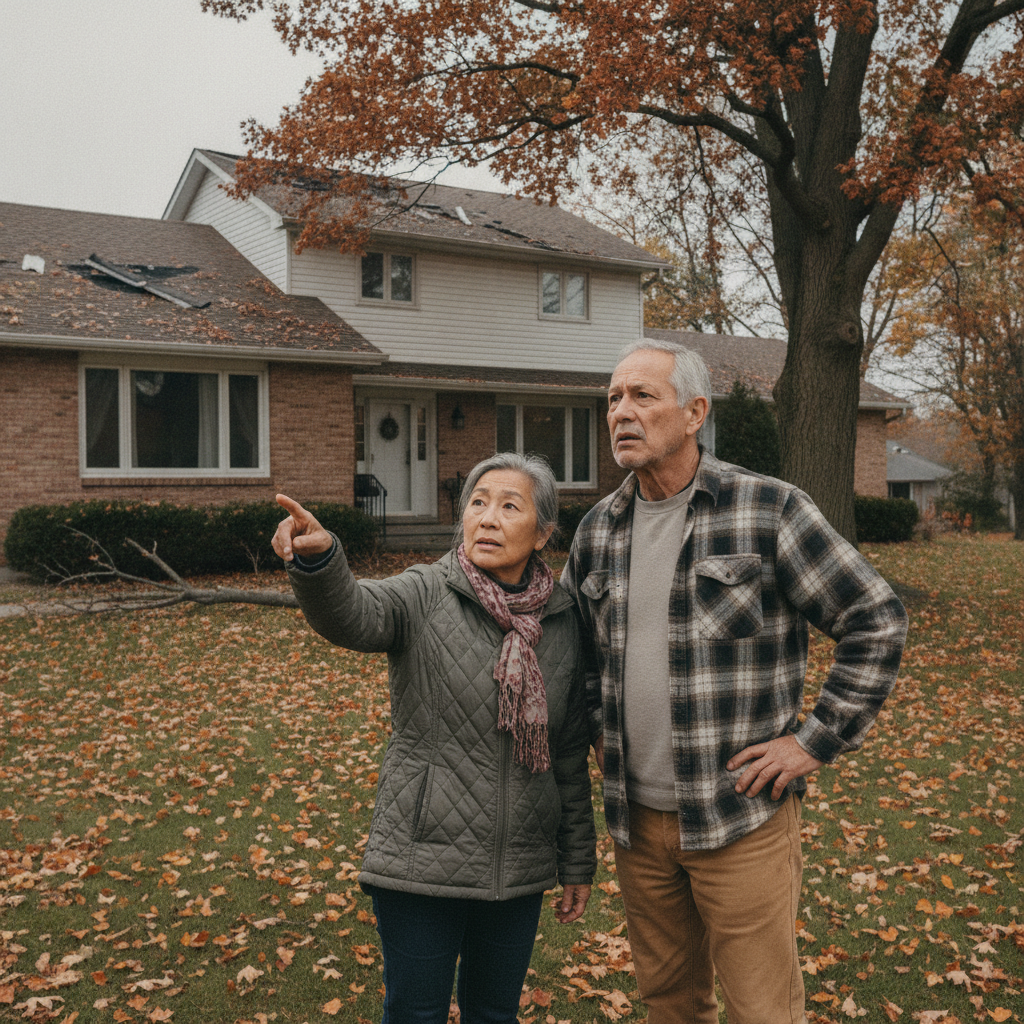
- Increasing intensity: Straight-line wind storms (derechos) more common
- Roof damage: Wind-driven rain, shingle loss, structural damage
- Tree damage: Falling branches, tree loss threatening home
- Outages: Extended power outages during storms (1–7 days common)
Ice Storms and Winter Extremes
- Weight on roof: Heavy ice loads can collapse roofs or weaken structure
- Outages: Ice storms cause extended power outages (3–7 days); heating systems fail
- Pipe freezing: Inadequate insulation leads to frozen pipes during extreme cold
- Dangerous conditions: Icing makes mobility extremely difficult for aging seniors
The Financial Cost of Climate Vulnerability
Many Ontario seniors are woefully unprepared for extreme weather, creating emergency expenses:
Emergency Response Costs
- Emergency AC repair during heat wave: $1,500–$3,500 for urgent service during peak demand
- Emergency heating repair during winter: $2,000–$4,000 for emergency furnace service
- Water damage restoration: $5,000–$50,000+ depending on damage extent
- Emergency evacuation: Relocation to hotel, assisted living during emergency ($2,000–$5,000)
- Medical costs from heat or air quality: Emergency room visit, hospitalization, ongoing care ($5,000–$50,000)
Repeated Emergency Expenses
- Multiple heat wave summers: Three severe heat domes in summer = $1,500–$3,000+ in emergency AC service
- Seasonal property damage: Roof leaks from storms; water infiltration; mold remediation
- Lost possessions: Flooding ruins furniture, keepsakes, documents ($10,000–$30,000)
Displacement and Relocation Costs
- Forced temporary relocation: Fire evacuation, flooding, or extended power outage forces temporary move
- Long-term displacement: Wildfires force evacuation for weeks; flooding requires months of restoration
- Alternative housing costs: Hotel, rental, assisted living temporary stay ($3,000–$8,000/month)
- Psychological cost: Displacement trauma, anxiety about returning home
Reality: A single extreme weather event can cost $20,000–$100,000 in emergency response, repairs, relocation, and medical costs. Preparing proactively costs far less.

Reverse Mortgage-Funded Climate Resilience Upgrades
Heat Management Infrastructure
Preparing your home for heat domes requires multiple systems:
Air Conditioning and Cooling
- Central air conditioning installation: $8,000–$15,000 (if currently cooling-system absent)
- AC upgrade to higher capacity: $5,000–$12,000 (larger units for extreme heat)
- Backup AC units: Window or portable units for critical spaces ($1,000–$3,000)
- Smart thermostat and scheduling: Maximize efficiency ($500–$1,500)
- Cost: Total heat-resilience AC: $12,000–$25,000
Passive Cooling and Insulation
- Reflective window film or solar screens: Reduce heat gain 30–40% ($2,000–$5,000)
- Insulation upgrades: Attic insulation, thermal breaks in walls ($5,000–$15,000)
- Shade trees or arbors: Strategic tree planting cools exterior ($2,000–$8,000)
- Light-colored roof coating: Reduces heat absorption; some grants available ($2,000–$5,000)
Air Quality and Filtration
Protecting from wildfire smoke requires layered filtration:
- HEPA air purifiers: Multiple units for critical spaces ($2,000–$6,000)
- Central AC with MERV-13 filters: Upgraded filters capture wildfire particles ($500–$1,500 annually)
- Portable air cleaners: Bedrooms, living areas ($300–$800 each; multiple units)
- HVAC system cleaning: Remove accumulated particulates ($500–$1,500)
- Smart monitoring: Air quality sensors with alerts ($500–$1,500)
- Cost: Total air quality resilience: $5,000–$12,000
Flood Prevention and Water Management
Basement flooding is preventable with proper infrastructure:
- Sump pump system: Primary and backup pump systems ($2,000–$5,000)
- Flood vents or backwater valves: Prevent sewer backup ($1,500–$3,000)
- Grading and drainage: Redirect water away from foundation ($3,000–$8,000)
- Basement waterproofing: Seal cracks, install vapor barriers ($5,000–$15,000)
- Raised electrical panels: Move circuits above flood line ($1,500–$3,000)
- Cost: Total flood resilience: $13,000–$35,000
Backup Power and Energy
Extended outages during extreme weather require backup power:
- Whole-home generator: Natural gas or propane; automatic switch ($10,000–$20,000 installed)
- Battery backup systems: Solar battery storage or residential battery ($15,000–$40,000)
- Portable generator: Propane; smaller capacity; less convenient ($2,000–$5,000)
- Fuel storage: Safe propane or generator fuel storage ($500–$1,500)
- Cost: Total power resilience: $15,000–$40,000
Structural and Roof Resilience
Extreme weather puts stress on roof and structure:
- Roof inspection and reinforcement: Add wind resistance; reinforce connections ($2,000–$5,000)
- Roof upgrade: Shingles, flashing, vents designed for extreme wind ($8,000–$20,000)
- Gutter and downspout upgrade: Larger capacity; strategic placement ($1,500–$4,000)
- Tree trimming and removal: Remove branches threatening home ($2,000–$8,000)
- Cost: Total structural resilience: $14,000–$37,000
Interior Comfort and Safety
Human comfort during extremes requires layered approach:
- Window upgrades: High-efficiency, reflective windows; reduced heat transfer ($8,000–$20,000)
- Insulation upgrades: Walls, basement, crawlspace ($8,000–$25,000)
- Sealing and air-tightness: Reduce infiltration and heat loss ($2,000–$6,000)
- Emergency supplies and preparation: Water, food, medications, blankets, flashlights ($500–$1,500)
Building a Climate Resilience Upgrade Plan
Assessment Phase
Before spending reverse mortgage funds, honestly assess your home's vulnerabilities:
- Current AC capacity: Can your AC handle 35°C+ temperatures? Multiple days?
- Air filtration: Do you have HEPA filtration for wildfire smoke?
- Flood risk: Has your basement ever flooded? Is sump pump functional?
- Roof condition: What's the age and condition? Wind-resistant?
- Backup power: What happens if power goes out for 3–7 days?
- Insulation: Is your home well-insulated against heat and cold?
- Structural vulnerabilities: Trees, windows, weak points?
Prioritization Framework
Not all climate upgrades are equal. Prioritize by:
Tier 1: Life-Safety (Priority)
- AC for heat dome resilience (heat kills seniors)
- HEPA filtration for air quality
- Backup heating for winter emergencies
- Flood prevention if basement-prone
- Backup power for medical devices or life-sustaining equipment
Tier 2: High-Impact (Important)
- Structural resilience (roof, windows)
- Backup power for extended outages
- Insulation upgrades for efficiency and comfort
- Sump pump backup systems
Tier 3: Quality-of-Life (Nice-to-Have)
- Solar shading systems
- Tree removal/landscaping
- Advanced monitoring systems
- Smart automation
Sample Reverse Mortgage Allocation for Climate Resilience
| Climate Upgrade | Priority | Cost | Timeline |
|---|---|---|---|
| AC system and backup | Tier 1 | $15,000 | Immediate |
| Air filtration system | Tier 1 | $8,000 | Immediate |
| Sump pump backup | Tier 1 | $3,000 | Month 1 |
| Backup generator | Tier 2 | $18,000 | Month 2 |
| Roof inspection & upgrade | Tier 2 | $12,000 | Month 3 |
| Insulation upgrades | Tier 2 | $15,000 | Month 4 |
| Window/solar control | Tier 3 | $10,000 | Month 6 |
| Total Climate Resilience | $81,000 | 6 months |
Ontario Government Support and Grants
Before spending all reverse mortgage funds, explore government programs:
- Canada Greener Homes Grant: $5,000–$50,000 for energy efficiency (includes some climate resilience)
- Ontario Flood Mitigation Program: Some municipalities offer flood prevention grants
- Weatherization Assistance: Some organizations provide insulation support
- Tax deductions: Some energy efficiency upgrades may have tax implications
Combined with grants, a $60,000 reverse mortgage could yield $100,000+ in total resilience upgrades.
Implementation Timeline
Months 1–2: Life-Safety Systems
- Install or upgrade AC system
- Implement air filtration (HEPA filters, portable units)
- Install backup sump pump or water management
- Total: $25,000–$30,000
Months 3–4: Power and Structural
- Install backup generator or battery system
- Inspect and upgrade roof
- Reinforce structure, gutter systems
- Total: $30,000–$40,000
Months 5–6: Insulation and Finishing
- Insulation upgrades
- Window treatments or upgrades
- Landscaping for shade and wind resistance
- Total: $20,000–$25,000
Real-World Example: Margaret's Heat Wave Preparation
Margaret's Situation
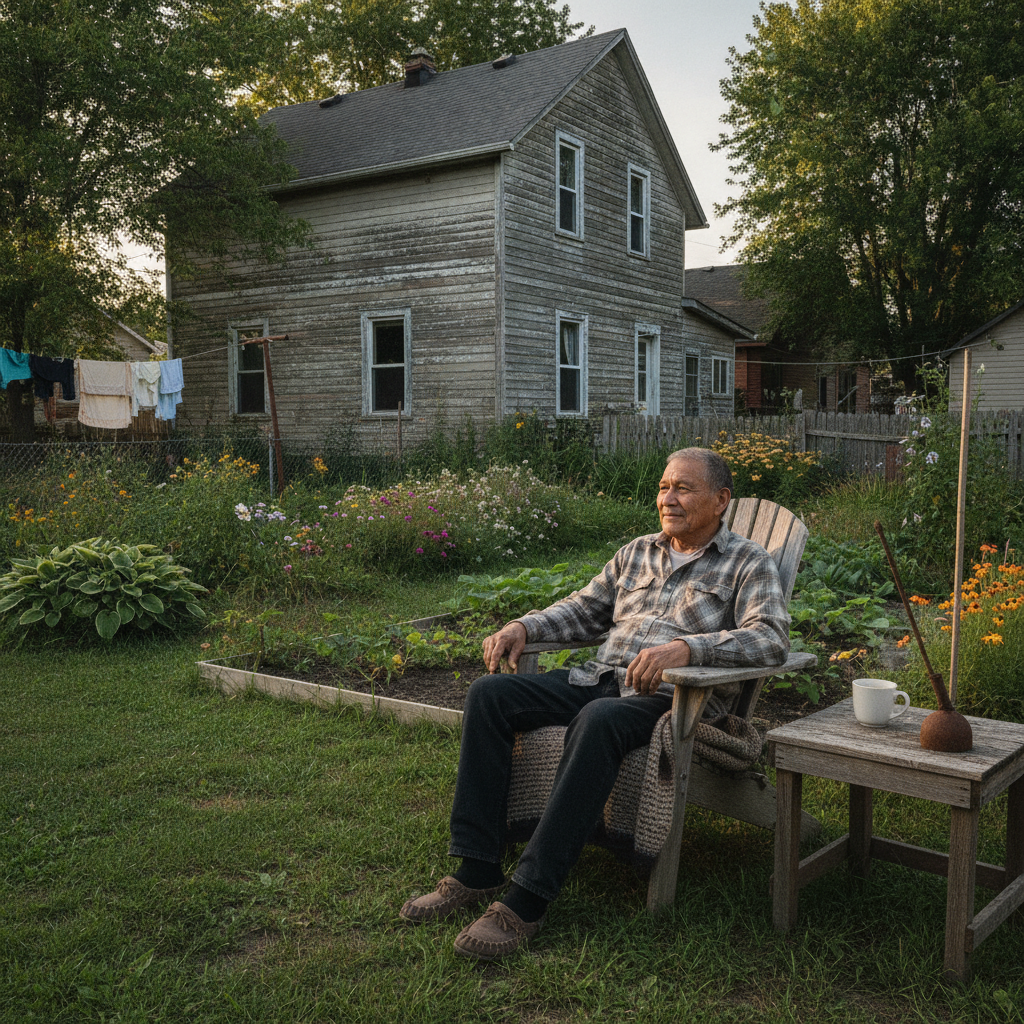
- Age: 72, widowed, living alone in Toronto home of 45 years
- Health: Mild heart condition; sensitive to heat and poor air quality
- Current state: No AC, adequate furnace, basement has history of minor seepage
Heat Wave Crisis (Summer 2023)
- Margaret experienced heat dome; temperature hit 38°C
- No AC; home temperature reached 32°C indoors
- Air quality hit "hazardous" levels from wildfire smoke
- Margaret ended up in ER with heat-related chest pain
- Friends insisted she couldn't safely age in place without climate resilience
Margaret's Reverse Mortgage Solution
- Accessed $80,000 reverse mortgage line of credit
- Investment plan:
- AC system installation and upgrade: $15,000
- HEPA air filtration system: $8,000
- Backup sump pump and flood mitigation: $4,000
- Insulation upgrades (attic, basement): $20,000
- Backup generator: $18,000
- Window upgrades and solar shading: $12,000
- Professional weatherization assessment and fine-tuning: $3,000
Outcome
- Margaret's home now resilient to heat domes, wildfire smoke, floods, and power outages
- Peace of mind knowing she can safely age in place through climate extremes
- Reduced emergency medical visits (no more heat-related ER visits)
- Energy efficiency reduced heating/cooling costs by ~15%
- Can host family during power outages knowing home is comfortable
Important Considerations
Maintenance Requirements
Climate resilience systems require regular maintenance:
- AC servicing: Annual check-ups ($150–$300)
- Generator maintenance: Annual testing, fuel rotation ($200–$400)
- Filter replacement: HEPA and AC filters need monthly/seasonal replacement ($100–$300/year)
- Backup systems testing: Quarterly testing of sump pumps, generators ($500–$1,000/year)
Future Upgrade Costs
Climate resilience isn't static; systems degrade:
- AC replacement: Typical lifespan 15–20 years; replacement cost $5,000–$12,000
- Generator replacement: Lifespan 20–30 years; replacement cost $10,000–$20,000
- Roof replacement: Lifespan 20–30 years; replacement cost $8,000–$20,000
Insurance Considerations
Climate resilience upgrades may affect insurance:
- Better rates: Some insurers offer discounts for flood mitigation, wind-resistant roofs
- Higher deductibles: Flood insurance may be required; check coverage
- Documentation: Keep records of all upgrades for insurance claims
Key Takeaways
- Heat domes, wildfire smoke, flooding, and ice storms are now regular Ontario occurrences, and a single extreme weather event can cost $20,000–$100,000 in emergency response, repairs, and relocation.
- A full climate resilience upgrade plan (AC, air filtration, flood prevention, backup power, roof and insulation) typically runs $60,000–$85,000, funded through a reverse mortgage without monthly payments.
- Canadian reverse mortgages are available to homeowners 55 and older (all title holders must meet this minimum), letting you access 15–59% of your home's value.
- Combining reverse mortgage funds with programs like the Canada Greener Homes Grant can stretch $60,000 into $100,000+ of resilience upgrades.
- Tier 1 life-safety upgrades—AC, HEPA filtration, backup heating, flood prevention, and backup power for medical equipment—should be prioritized first.
- Proceeds from a reverse mortgage are tax-free and the loan isn't due until you sell, move out, or pass away, with negative-equity protection built in.
Frequently Asked Questions
Can a reverse mortgage really pay for climate resilience upgrades like AC and backup generators?
Yes. Reverse mortgage funds can be used for any purpose, including home resilience upgrades such as central air conditioning, HEPA filtration, sump pumps, backup generators, and roof reinforcement. Many Ontario seniors use a reverse mortgage line of credit to phase in these upgrades over several months.
How much of my home's value can I access for these upgrades?
Most Canadian reverse mortgage lenders, including HomeEquity Bank (CHIP) and Equitable Bank, allow homeowners to borrow between 15% and 59% of their home's appraised value, depending on age, location, and property type. The older you are, the higher the percentage typically available.
Will I have to make monthly payments on the funds I use for climate upgrades?
No. A reverse mortgage requires no monthly payments. The loan, including accumulated interest, becomes due only when you sell your home, move out permanently, or pass away, which makes it well suited to funding large one-time resilience projects.
Are there government grants I should apply for before using reverse mortgage funds?
Yes. Programs like the Canada Greener Homes Grant can provide $5,000–$50,000 toward energy efficiency and some resilience upgrades. Applying for available grants first can stretch your reverse mortgage funds further, as illustrated by Margaret's $80,000 line of credit combined with grant support.
Do climate resilience upgrades affect my home insurance?
They can. Insurers sometimes offer discounts for flood mitigation systems, wind-resistant roofing, or backup power installations. Keep documentation of all upgrades, as insurers may require proof for claims or discount eligibility.
Is my home at risk if home values decline after I take a reverse mortgage?
No. Canadian reverse mortgages include negative-equity protection, meaning you or your estate will never owe more than the fair market value of your home at the time it is sold, regardless of how much you've borrowed or how home values change.
Moving Forward
If you're aging in place in Ontario:
- Assess your climate vulnerabilities: Heat, air quality, flooding, storms, power outages
- Prioritize life-safety systems: AC, filtration, heating, backup power
- Get professional assessment: Home inspector can identify specific vulnerabilities
- Research government grants: Maximize rebates before reverse mortgage funds
- Plan reverse mortgage allocation: Sequence upgrades for maximum protection
- Schedule implementation: Don't delay; climate threats accelerate annually
- Plan maintenance: Budget for regular maintenance of systems
- Communicate with family: Let adult children know about preparations
Extreme weather is no longer a possibility for Ontario—it's a certainty. Preparing your home for heat domes, wildfire smoke, flooding, and severe storms isn't paranoia; it's practical wisdom. A reverse mortgage that funds climate resilience systems allows you to age safely in place through whatever Ontario's climate brings.
With thoughtful preparation, reliable systems, and adequate backup capacity, you can maintain your home and independence even as climate extremes intensify. Your reverse mortgage makes that possible.
Ready to Learn More?
Find out exactly how much you could unlock from your home — free and no obligation.
Related Articles
Reverse Mortgage for Home Winterization and Climate Adaptation in Ontario Winters
Aging in Ontario winters means costly heating bills, roof maintenance, and ice dam prevention. A reverse mortgage funds climate-resilient home upgrades.
Read →Foundation Repairs and Reverse Mortgage: Funding Structural Issues
Foundation cracks, settling, or water damage can cost $15,000–$50,000 in Ontario. Learn how a reverse mortgage funds critical structural repairs.
Read →Reverse Mortgage for Aging in Place With Fibromyalgia: Home Modifications for Invisible Illness
Fund home modifications for aging with fibromyalgia. Reverse mortgage enables accessible design for pain management, energy conservation, and quality of life.
Read →