
Reverse Mortgage for Managing Late-Stage Lyme Disease: Complex Chronic Illness Costs and Home Adaptation
Reverse mortgage for aging with late-stage Lyme disease. Managing treatment costs, home modifications, and specialized care. Ontario chronic illness strategy.
You were diagnosed with Lyme disease 5 years ago—now late-stage, with persistent neurological symptoms (fatigue, cognitive fog, pain). Standard Ontario healthcare won't cover specialized IV antibiotic treatments, Lyme-literate doctor visits, or home modifications needed for energy management. Your aging-in-place costs are $15,000–$25,000/year beyond insurance. A reverse mortgage can fund this complex, ongoing care while you maintain independence in your home. This post addresses an often-overlooked chronic illness scenario: late-stage Lyme disease and the financial burden of specialized treatment.
Lyme disease—particularly late-stage cases—creates unique financial pressure on aging Ontarians. This post explores how reverse mortgages bridge the gap between standard healthcare and specialized Lyme disease management.
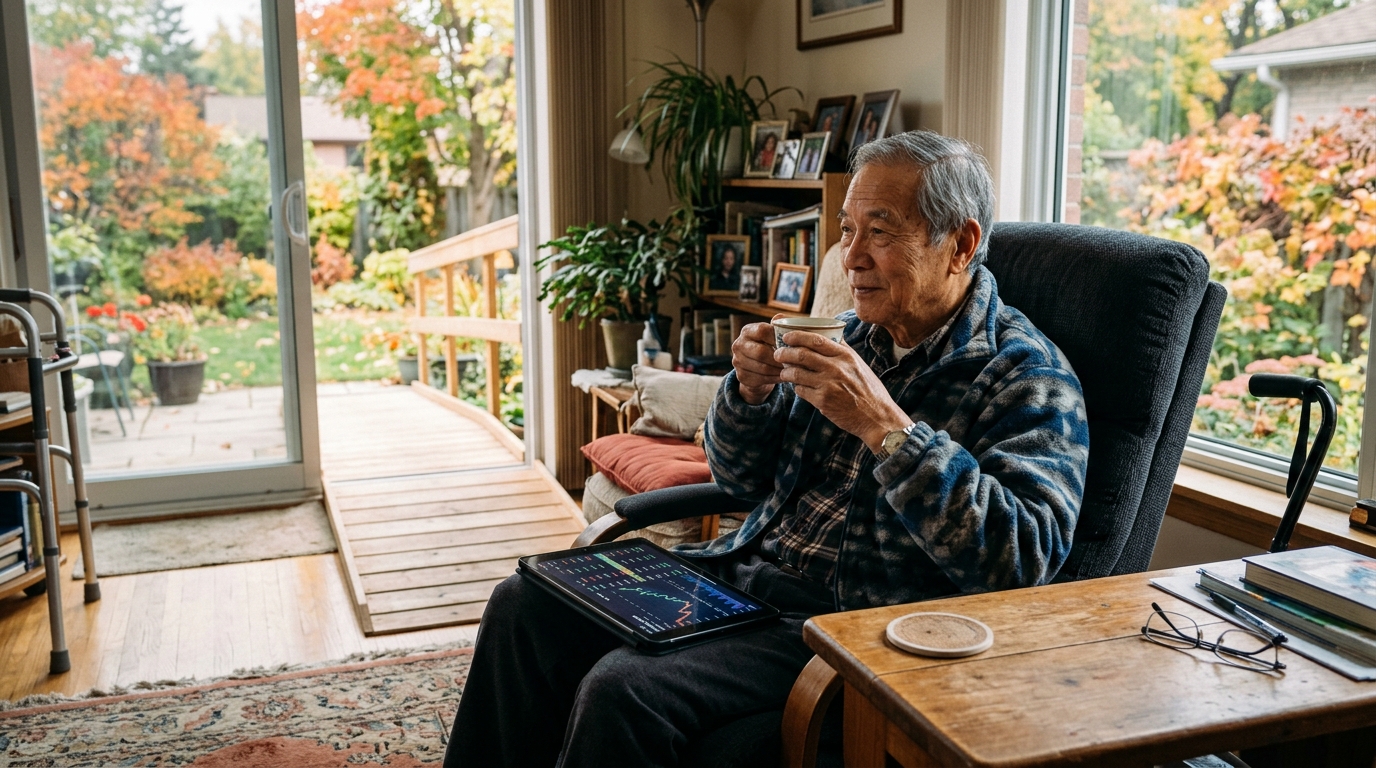
Late-Stage Lyme Disease: The Financial Reality
Early-stage Lyme disease (caught quickly) is treatable with 3–4 weeks of antibiotics (~$200–$500, covered by insurance). Late-stage Lyme disease (diagnosed years after infection) is different—it's complex, expensive, and poorly covered by Ontario healthcare.
According to Lyme Disease Association of Canada, an estimated 60,000–100,000 Canadians have undiagnosed or late-stage Lyme disease. Treatment costs for late-stage patients average $18,000–$35,000/year.
Why Late-Stage Lyme is Expensive
| Treatment/Cost Category | Early-Stage Lyme (Caught Quickly) | Late-Stage Lyme (Years Into Illness) | Why the Difference |
|---|---|---|---|
| Initial antibiotics | $200–$500 (covered by insurance) | $500–$1,500/year ongoing (partially covered) | Late-stage requires longer or rotating antibiotic protocols |
| Lyme-literate doctor visits | $0 (covered by OHIP) | $200–$400/visit; 4–8 visits/year = $800–$3,200/year | Specialists not recognized by OHIP; pay out-of-pocket |
| IV antibiotic therapy | Not needed (early stage responds to oral) | $8,000–$15,000/year (not covered by insurance) | Requires PICC line, home nursing, specialized pharmacy |
| Diagnostic testing (specialty) | Western blot covered (~$50) | Specialty testing ($500–$1,500 per test); 2–3 tests/year | OHIP doesn't cover advanced Lyme testing |
| Co-infections treatment | N/A | $2,000–$5,000/year | Lyme often comes with Babesia, Bartonella, Ehrlichia; each requires separate treatment |
| Supplements/herbal protocols | N/A | $2,000–$3,000/year | Herbals, probiotics, immune support (not covered) |
| Home care/support services | N/A | $3,000–$8,000/year | Due to fatigue/cognitive symptoms, many need part-time home support |
| Total Annual Cost (Late-Stage) | $500–$1,000 | $15,000–$35,000 | 15–35x more expensive |
The result: Aging Ontarians with late-stage Lyme face annual healthcare costs of $15,000–$35,000—entirely out-of-pocket. This is unsustainable on CPP/OAS alone.
Home Adaptation Costs for Late-Stage Lyme
Beyond medical treatment, late-stage Lyme causes disability-like limitations:
- Cognitive fog ("Lyme brain")
- Extreme fatigue (some days bedbound)
- Neurological pain
- Post-exertional malaise (exertion worsens symptoms for days)
These require home modifications:
| Modification | Cost | Purpose | Examples |
|---|---|---|---|
| **Lighting (specialized) ** | $3,000–$5,000 | Light sensitivity is common; specialized lighting reduces symptoms | Smart lighting that dims automatically; low-blue-light systems |
| Energy management spaces | $5,000–$10,000 | Create "rest zones" in home for managing fatigue cycles | Bedroom with blackout curtains; lounge area with recliner + ottoman |
| Climate control | $2,000–$4,000 | Temperature sensitivity; need precise control | Mini-split AC, smart thermostat |
| Accessibility (cognitive fog) | $3,000–$6,000 | Prevent falls, confusion due to brain fog | Handrails, better storage for meds, calendar/reminder systems |
| Air quality | $2,000–$3,500 | Lyme affects immune system; clean air critical | HEPA filtration, VOC removal |
| Total Home Adaptation | $15,000–$30,000 | — | — |
Combined: Medical treatment ($15K–$35K/year) + home modifications ($15K–$30K upfront) = $30K–$65K total over first 1–2 years.
Reverse Mortgage for Late-Stage Lyme Disease Management
Strategy: Line of Credit for Ongoing Medical + One-Time Home Modifications
Scenario at age 70:
- Diagnosed with late-stage Lyme disease 5 years ago
- Current annual medical costs: $22,000 (IV therapy, Lyme-literate doctor, testing, supplements)
- Home modification needs: $25,000 (lighting, rest zones, climate control, accessibility)
- Insurance covers: ~$2,000/year (some antibiotics, some testing)
- Your annual gap: $20,000 for ongoing medical + $25,000 for modifications (first year)
- CPP/OAS: $26,000/year
- Living expenses: $30,000/year
- Total annual need: $50,000 + home mods
- Your income: $26,000 (CPP/OAS)
- Annual shortfall: $24,000, plus $25,000 upfront home modifications
Reverse mortgage solution:
- Home value: $500,000
- Draw reverse mortgage: $120,000
- Use $25,000 for immediate home modifications (lighting, rest zones, climate control)
- Use $95,000 as line of credit for ongoing medical costs
- Each year, draw $15,000–$20,000 for Lyme-specific medical treatment
- Your CPP/OAS covers basic living; reverse mortgage covers the specialized care gap
Financial projection to 20 years:
- Total RM draws over 20 years: $25K upfront + ($18K/year × 20 years) = $385,000
- RM balance at 6.2% interest: ~$675,000
- Home value at 2% appreciation: $500K → $740K
- Estate after RM payoff: $65,000
- Your 20 years of specialized care funded; modest inheritance remains ✓
Lyme Disease Treatment: What's Covered, What's Not
Ontario Healthcare Coverage for Lyme
| Treatment | OHIP Coverage | Reality | You Pay |
|---|---|---|---|
| Early-stage antibiotics (doxycycline, amoxicillin) | Yes, fully covered | Works well if Lyme caught early | $0 |
| Late-stage oral antibiotics | Partially covered; formulary restrictions | May cover first-line antibiotics; specialty antibiotics or extended protocols not fully covered | $500–$1,500/year |
| IV antibiotic therapy (ceftriaxone, etc.) | NO; not considered standard of care by OHIP | Standard in US but discouraged by Ontario doctors | $8,000–$15,000/year |
| Lyme-literate specialist doctor | NO; not recognized by OHIP | Lyme-literate doctors often operate outside OHIP system | $200–$400/visit; often pay directly |
| Advanced diagnostic testing | Partially; Western blot covered | CDC supplemental testing, co-infection testing NOT covered | $500–$2,000 per test |
| Co-infection treatment (Babesia, Bartonella, etc.) | NO; considered experimental | Common in Lyme patients; not covered | $2,000–$5,000/year |
| Herbal/supplement protocols | NO; never covered | Widely recommended by Lyme doctors; essential for many | $2,000–$3,000/year |
| Hyperbaric oxygen therapy | NO; not standard for Lyme in Canada | Used for some Lyme patients; evidence mixed | $200–$300/session; 20–40 sessions = $4,000–$12,000 |
Bottom line: OHIP covers maybe 15–20% of late-stage Lyme treatment costs. You're paying 80–85% out-of-pocket.
Disability Benefits and Late-Stage Lyme
Can you qualify for CPP-D or ODSP based on late-stage Lyme?
Theoretically yes, but practically difficult:
- CPP-D requires "severe and prolonged" disability; Lyme is often episodic (good days, bad days)
- ODSP has asset limits ($40K); many aging Lyme patients have homes (don't qualify)
- OHIP doctors often don't recognize late-stage Lyme; won't certify severe disability
- Evidence requirements are strict; Lyme-literate specialist letters may not convince CRA
Most aging Lyme patients do NOT qualify for disability benefits. They're left to self-fund treatment or access a reverse mortgage.
Home Environment Design for Late-Stage Lyme
Beyond Medical: Creating a Healing Home
Late-stage Lyme often involves sensory sensitivities and energy limitations. Your reverse-mortgage-funded home modifications should address this.
Key design principles:
- Lighting: Low-blue-light (warm), dimmable, smart control (no harsh fluorescents)
- Noise: Quiet (soundproofing for bedrooms); avoid HVAC noise
- Air quality: HEPA filtration, VOC-free (off-gassing from materials is common Lyme trigger)
- Temperature: Precise control; many Lyme patients have fever sensitivity
- Layout: Minimize walking/energy expenditure; rest zones in main living areas
- Odor control: Scent sensitivities common; unscented, VOC-free products throughout
Reverse mortgage can fund:
- Smart lighting system installation ($3,000–$4,000)
- Soundproofing materials/installation ($3,000–$5,000)
- HEPA + VOC filtration ($2,000–$3,000)
- Smart thermostat + zoned climate control ($2,000–$3,000)
- Furniture/layout optimization ($3,000–$5,000 for ergonomic pieces)
- Air purification & VOC-free paint/finishes ($2,000–$3,000)
Total: $15,000–$25,000 for comprehensive Lyme-optimized home environment.
Case Study: Patricia, 72, Late-Stage Lyme Disease, Wants to Age in Place
The situation:
- Diagnosed with late-stage Lyme disease 6 years ago (tick bite at 62, went undiagnosed for years)
- Current symptoms: Chronic fatigue, neurological pain, cognitive fog, post-exertional malaise
- Works part-time from home as consultant ($15,000/year, declining as symptoms worsen)
- Current healthcare costs: $20,000/year (IV antibiotics, Lyme-literate doctor, testing, supplements)
- Home: $520,000, paid off 15 years ago
- CPP/OAS: $27,000/year
- Living expenses: $32,000/year
- Annual shortfall: $20,000 (medical gap) + $25,000 (home modifications needed) = $45,000 first year
Patricia's situation without reverse mortgage:
- Use personal savings: $45,000/year × 3 years = $135,000 depleted
- By age 75, savings gone; only CPP/OAS left ($27K/year); must cut medical treatment to survive
- Health declines without treatment; trapped in poverty + illness cycle
Patricia's reverse mortgage solution:
- Apply for reverse mortgage at 72 (still consulting; strong qualification)
- Draw $120,000 as lump sum + establish LOC for additional draws
- Use $25,000 immediately for home modifications (specialized lighting, rest zones, climate control)
- Use $95,000 as reserve for medical costs; draw $15,000–$20,000/year as needed
- Consulting income ($15K) + CPP/OAS ($27K) + RM draws ($18K) = $60,000/year income
- Continue comprehensive Lyme treatment; manage illness from comfortable, optimized home
- Consult income may decline over time; reverse mortgage ensures treatment never stops
20-year projection:
- RM draws: ~$380,000 total (includes initial $25K modifications + $18K/year medical)
- RM balance at 6.2%: ~$665,000
- Home value appreciation (2% conservative): $520K → $765K
- Estate after RM: ~$100,000
- Patricia received 20 years of optimal Lyme care while aging in optimal home environment ✓
- Inheritance modest but meaningful ✓
Government Benefits and Reverse Mortgage for Chronic Illness
Does Late-Stage Lyme Affect Your CPP/OAS?
No. Reverse mortgage draws are not income and don't trigger OAS clawbacks. Your CPP/OAS remains constant regardless of illness or RM.
However, if you stop working due to Lyme:
- Consulting income drops → Your taxable income is lower → Possible tax benefits (more tax-free income room)
- Reverse mortgage draws: Still not income; no effect on taxation
- OAS: Unaffected; you get full OAS regardless of income loss
Smart tax strategy:
- Your consulting income (self-employment) is deductible for medical expenses
- Late-stage Lyme treatment (part of it) may qualify as medical expense on tax return
- Consult accountant on Medical Expense Tax Credit eligibility
Key Takeaways
- Late-stage Lyme disease costs $15,000–$35,000/year—mostly out-of-pocket, not covered by OHIP. Reverse mortgage bridges this critical gap.
- Home modifications for Lyme ($15,000–$30,000) are legitimate aging-in-place investment—specialized lighting, climate control, and rest spaces are medical necessities, not luxuries.
- Line of credit model is ideal for ongoing Lyme treatment—draw $15,000–$20,000/year as medical costs evolve; pay interest only on drawn amounts.
- Apply for reverse mortgage early if Lyme-diagnosed—lenders prefer applicants with some consulting/employment income; easier qualification before income fully drops.
- Reverse mortgage funding for Lyme is not a "last resort"—it's optimal planning for managing chronic illness while aging in place in your own optimized home.
- Your CPP/OAS is unaffected by reverse mortgage; disability benefits (CPP-D, ODSP) are hard to access for Lyme but RM supplements what you do have.
Frequently Asked Questions
If I have late-stage Lyme disease and take a reverse mortgage, will the lender ask about my health status?
No medical exam is required for reverse mortgages. Lenders approve based on age, home value, and equity. Your health status doesn't matter for qualification. However, be honest with yourself about your life expectancy—if you have 10–15 years, RM works well; if terminal diagnosis, downsizing might be better.
Can I use reverse mortgage proceeds specifically to pay for IV antibiotic therapy, which OHIP won't cover?
Yes, absolutely. Reverse mortgage is "no restrictions" financing. Use it for IV antibiotics, Lyme-literate doctor visits, testing, supplements—whatever your medical protocol requires. The lender doesn't dictate how you spend proceeds.
If my Lyme disease goes into remission and I no longer need $20,000/year treatment, can I reduce my reverse mortgage draws?
Yes. With a line of credit model, you draw only what you need each year. If treatment costs drop to $10,000/year, draw only that. Interest accrues only on drawn amounts, not the total approved LOC. This flexibility is powerful for illness management.
Should I tell my Lyme-literate doctor that I'm taking a reverse mortgage to fund treatment?
Not necessary, but it may help clarify treatment options. If your doctor knows you have funding via reverse mortgage, they might recommend more comprehensive protocols (IV therapy, co-infection testing, etc.) that you couldn't otherwise afford. Transparency can actually improve care.
If my Lyme disease is linked to work exposure (occupational Lyme), can I get workers' compensation instead of reverse mortgage?
Occupational Lyme is difficult to prove for workers' compensation in Ontario. Most Lyme cases aren't recognized as work-related. If you can qualify for workers' comp or employer disability, that's preferable to RM. However, for most aging Lyme patients, workers' comp is not viable; reverse mortgage is the practical solution.
Can I claim my reverse mortgage interest as a medical expense deduction on my taxes?
No. Reverse mortgage interest is not deductible for personal residences. The interest simply accrues against your home. However, the medical treatments you fund with RM proceeds (if you itemize) may qualify as medical expenses. Consult an accountant for optimal tax positioning.
Aging with late-stage Lyme disease and seeking comprehensive treatment? Contact Rick Sekhon Reverse Mortgages to structure a reverse mortgage that funds both specialized medical care and home environment optimization. Ontario residents with chronic Lyme deserve access to the treatment their bodies need—regardless of OHIP coverage gaps. Let your home equity support your healing.
Ready to Learn More?
Find out exactly how much you could unlock from your home — free and no obligation.
Related Articles
Reverse Mortgage for Managing Escalating Prescription Drug Costs: Polypharmacy in Aging
Learn how a reverse mortgage can fund rising medication costs when aging parents on multiple drugs face affordability crises in Ontario healthcare.
Read →Reverse Mortgage for Managing Aging Parent's Medication Non-Adherence Due to Cost
When aging parents skip doses to save money, serious complications follow. Use reverse mortgage to fund full medication compliance and prevent costly hospitalizations.
Read →Reverse Mortgage When Aging Parent Receives Conflicting Medical Advice From Multiple Specialists
Different specialists recommend different treatments. Fund independent medical second opinions and coordinated care to resolve contradictions safely.
Read →