
Reverse Mortgage for Home Security Upgrades After Break-In or Home Invasion
Restore safety and peace of mind after break-in. Fund comprehensive security systems, reinforcement, and peace of mind with a reverse mortgage in Ontario.
Your home has been violated. A break-in or home invasion has shattered your sense of safety, and you can't sleep without fear. Upgrading security isn't just practical — it's essential for your mental health and wellbeing. A reverse mortgage funds comprehensive security upgrades that restore safety and peace of mind.
The Invisible Trauma of Home Invasion
A break-in or invasion affects seniors disproportionately. According to Statistics Canada, seniors 65+ are significantly more vulnerable to repeat victimization after the first break-in — both because homes appear easier targets and because the psychological impact makes them anxious about risk.
Beyond the immediate loss or damage:
- Sleep disruption: You can't relax enough to sleep; hypervigilance becomes chronic
- Mobility restriction: You're afraid to leave the home, reducing independence
- Mental health impact: Anxiety, depression, PTSD-like symptoms emerge
- Social isolation: Fear makes you reluctant to have friends visit or travel
A proper security system addresses all of this, restoring the peace that's essential for aging safely in place.
Real Scenarios: When Security Investment Changes Everything
Scenario 1: Helen's Home Invasion Recovery
Helen, 76, was in her home when someone broke in at 11 PM. The intruder fled when she screamed, but the trauma was severe. She couldn't sleep, jumped at every sound, and wanted to leave the home. Her daughter helped her access a $15,000 reverse mortgage for comprehensive security:
- Professional alarm system with monitoring
- New locks on all doors and windows
- Motion-sensor lighting outside
- Security cameras (interior and exterior)
- Panic button systems
Within 3 months, Helen's anxiety normalized. She could sleep, feel safe, and remain in her home. The security system cost $15,000; her peace of mind was invaluable.
Scenario 2: George's Neighborhood Crime Prevention
George's neighborhood experienced a string of break-ins. Though his home wasn't targeted, he felt vulnerable. A reverse mortgage funded $8,000 in security upgrades (alarm, cameras, reinforced doors). His sense of safety returned, and he stayed in his home rather than downsizing out of fear.
Comprehensive Security System Costs
| Component | Cost | Purpose |
|---|---|---|
| Professional alarm system | $2,000–$4,000 | 24/7 monitoring; emergency response |
| Door and window reinforcement | $1,500–$3,500 | Solid doors, deadbolts, reinforced frames |
| Security cameras (4–8 camera system) | $2,000–$5,000 | Deterrent and video evidence |
| Motion-sensor lighting | $800–$2,000 | External deterrent; safety lighting |
| Glass break sensors | $300–$600 | Additional layer of protection |
| Smart locks | $400–$1,000 | Keypad entry; emergency access |
| Panic button systems | $300–$800 | Personal safety device |
| Safe for valuables | $500–$2,000 | Secure storage for documents, jewelry |
| Professional installation | $1,000–$2,000 | Proper integration and setup |
| Annual monitoring fee | $30–$50/month | Ongoing professional response |
| Total upfront cost | $8,800–$22,900 | Comprehensive protection |
A reverse mortgage covering $10,000–$20,000 funds a complete, professional security upgrade.
Security System Components Explained
1. Professional Alarm System with 24/7 Monitoring
Cost: $2,000–$4,000 upfront + $30–$50/month monitoring
How it works:
- Sensors on doors and windows detect opening
- Motion detectors inside the home
- If triggered, central station is alerted
- Professional responders contact you and dispatch police if needed
Why it matters: A sign on your window ("System armed") is a powerful deterrent. If someone breaks in, police response is immediate.
2. Door and Window Reinforcement
Cost: $1,500–$3,500
Upgrades include:
- Solid core or metal doors (vs. hollow)
- Deadbolts rated Grade 1 (professional standard)
- Reinforced door frames and strike plates
- Window locks or security bars on ground-floor windows
Why it matters: Most break-ins are opportunistic — a reinforced entry makes your home harder to access, so burglars move on.
3. Security Cameras (CCTV System)
Cost: $2,000–$5,000 for 4–8 camera system
Features:
- High-resolution recording (1080p or higher)
- Night vision capability
- Cloud storage (so footage survives if cameras are damaged)
- Remote monitoring via smartphone
Why it matters: Cameras are both deterrent and evidence. Criminals avoid homes with visible cameras. If a break-in occurs, you have video to give police.
4. Motion-Sensor Outdoor Lighting
Cost: $800–$2,000
Benefit: Activates when motion is detected, deterring burglars who prefer darkness. Also improves your nighttime safety if you need to go outside.
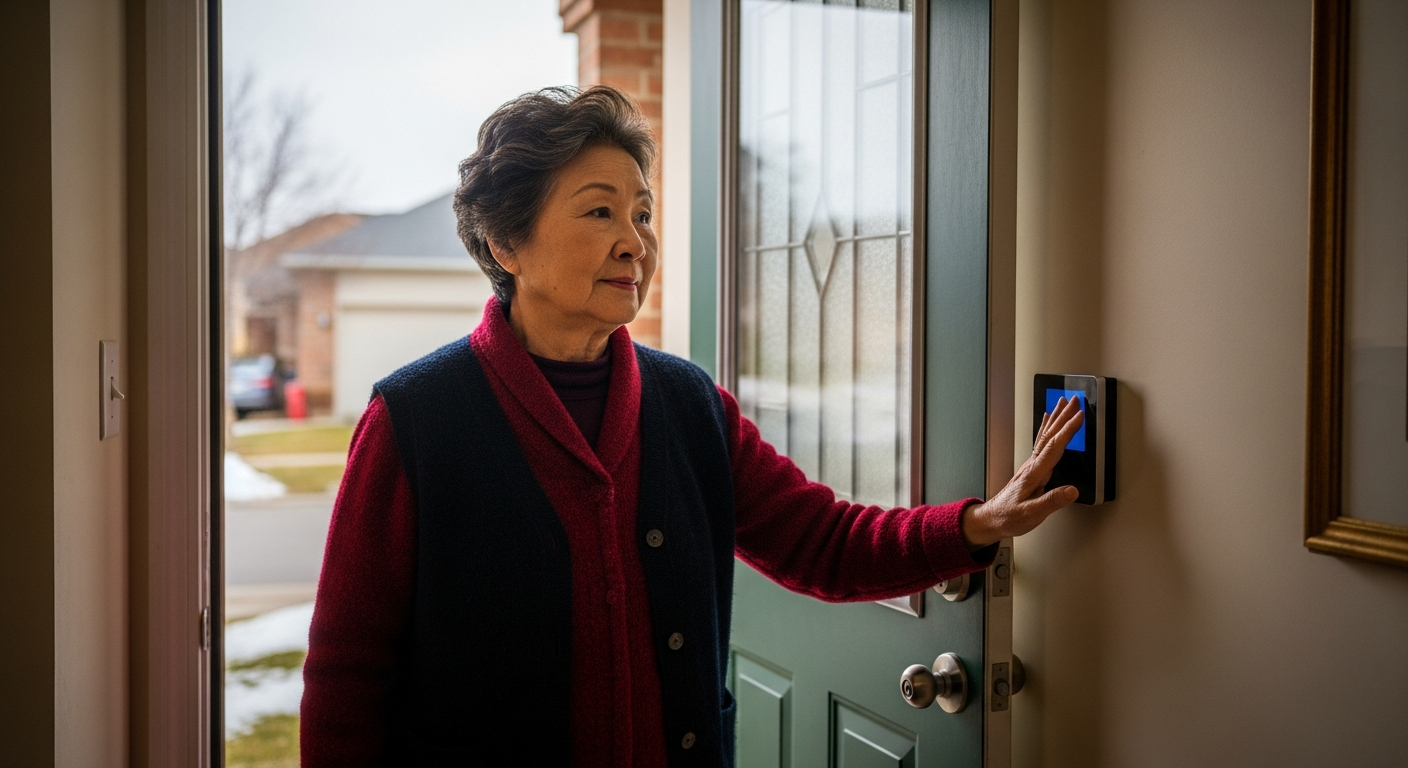
5. Smart Locks and Panic Buttons
Cost: $400–$1,000 (smart locks) + $300–$800 (panic buttons)
Features:
- Keypad or smartphone entry (no key required)
- Temporary access codes for caregivers or emergency responders
- Personal alarm (wears like a pendant) that alerts authorities with one press
Mental Health Recovery From Break-In
A reverse mortgage investment in security also funds psychological recovery:
| Recovery Element | Cost | Benefit |
|---|---|---|
| Trauma-informed therapy | $2,000–$4,000/year | Process the violation; reduce PTSD |
| Sleep support (sleep study if needed) | $500–$2,000 | Address sleep disruption |
| Anxiety management program | $1,000–$2,000 | Develop coping strategies |
The combination of physical security (locks, cameras, alarm) + psychological support (therapy) creates genuine recovery.
Insurance and Legal Implications
Home Insurance Impact
Good news: Installing a security system often reduces your home insurance premiums by 5–15% because you're a lower-risk customer. This can offset part of your reverse mortgage cost.
- Alarm system discount: 10–15% off
- Security camera discount: 5–10% off
- New deadlocks discount: 5% off
Potential savings: $300–$600/year. Over 10 years, a $15,000 security investment might be partially offset by insurance savings.
Police Reports and Follow-Up
After a break-in:
- File a police report (necessary for insurance claims and future evidence)
- Install security immediately (cameras can capture repeat offenders)
- Document everything (damage, missing items, dates/times)
Security systems help police catch repeat offenders targeting the same neighborhood.
Aging in Place + Security Integration
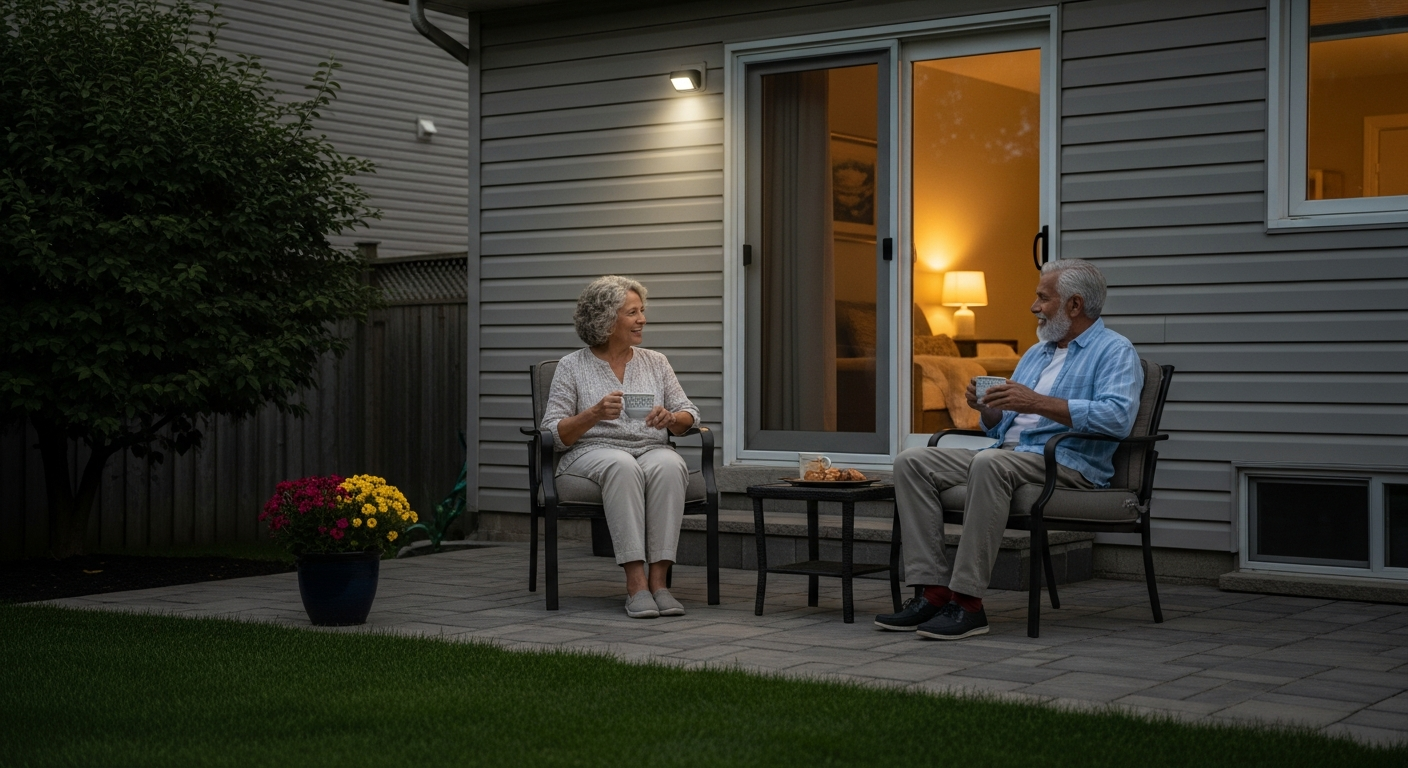
A reverse mortgage security investment is part of holistic aging-in-place planning:
| Need | Security Investment |
|---|---|
| Fall prevention | Motion-sensor lights reduce fall risk in hallways |
| Emergency response | Panic buttons allow rapid help if you fall or have health crisis |
| Independence | Smart locks mean you can let caregivers/family in without giving out keys |
| Peace of mind | Core foundation for staying in your home safely |
A security system isn't just about preventing crime — it's about creating a safe environment where you can age confidently.
Choosing Security Providers in Ontario
| Provider Type | Best For | Examples |
|---|---|---|
| National monitoring companies | 24/7 professional response | ADT, Telus, Bell Mobility |
| Local security firms | Personal service, customization | Independent local companies |
| DIY systems | Budget-conscious | Ring, SimpliSafe (less professional monitoring) |
For seniors post-break-in, professional monitoring is recommended over DIY because:
- Direct police dispatch (vs. you calling)
- Peace of mind knowing someone's always monitoring
- Faster response in emergencies
Frequently Asked Questions
Will my home insurance cover the security cost if I've had a break-in?
Usually not directly, but your insurance may cover a portion of installation (check your policy). Many insurers offer discounts for systems installed after a claim, but won't reimburse the full cost. A reverse mortgage makes it accessible without waiting for insurance.
What if I can't afford the full $15,000–$20,000 system?
Start with the essentials: alarm system with monitoring ($2,500–$3,500) + door/window reinforcement ($1,500–$2,000) = $4,000–$5,500. Cameras and smart locks can be added later. A reverse mortgage line of credit lets you phase the investment.
Will installing a security system make my home look like a fortress?
Modern security systems are quite subtle. A sign in the window is a deterrent, but cameras are compact, lights are standard, and locks look normal. You don't have to sacrifice aesthetics for safety.
What if the break-in was traumatic and I want to move?
That's valid. But before downsizing, try a comprehensive security upgrade first. Many seniors find that restoring safety allows them to stay in their beloved home. If you still want to move after 3–6 months, you have that option.
Can I get a reverse mortgage specifically for security?
Yes. Rick Sekhon can help you structure a reverse mortgage for security purposes specifically, focusing the funds on these upgrades rather than other uses.
Will having cameras in my home violate my privacy or my guests' privacy?
Cameras typically cover external entry points and common areas; your bedroom and bathroom are off-limits. Guests should be informed that security cameras exist (a sign is usually sufficient). This is standard and generally accepted.
How often do I need to update the security system?
Technology evolves, but a system installed today will be relevant for 5–10 years. Monitoring services continue indefinitely (for a monthly fee). Cameras may need upgrades in 7–10 years for better resolution, but the core system is durable.
Key Takeaways
-
Break-in trauma is real and complex, affecting sleep, mobility, independence, and mental health for months or years without intervention.
-
Comprehensive security systems ($10,000–$20,000) are completely fundable with a reverse mortgage and provide professional 24/7 monitoring and rapid emergency response.
-
Home insurance discounts often offset 5–15% of security costs, reducing your net investment by $300–$600/year.
-
A reverse mortgage security investment enables you to age in place safely, rather than forcing premature downsizing due to fear.
-
Physical security + psychological therapy (trauma counseling) together create genuine recovery from the break-in trauma.
-
Professional monitoring is recommended over DIY systems for seniors post-break-in because police response is faster and oversight is continuous.
Moving Forward
Your home should be your sanctuary, not a source of fear. A break-in or home invasion violates that sanctuary, but a comprehensive security upgrade can restore it.
Work with Rick Sekhon to structure a reverse mortgage that funds professional security installation. Combine this with trauma-informed therapy to process the violation. Within 3–6 months, you'll feel safe enough to sleep peacefully and maintain the independence you've earned.
Your safety and peace of mind are worth the investment. Let's restore your home.
Ready to Learn More?
Find out exactly how much you could unlock from your home — free and no obligation.
Related Articles
Reverse Mortgage for Home EV Charging and Smart Utility Grid Upgrade: Modernizing Your Ontario Home
Fund electrical panel upgrades, EV charger installation, and smart meter readiness for aging in place with a reverse mortgage in Ontario.
Read →Reverse Mortgage Before Industrial Rezoning: Securing Equity When Your Neighborhood Changes
Protect your home equity with a reverse mortgage before industrial rezoning or commercial development reduces your property value in Ontario.
Read →Reverse Mortgage for Multilingual Household Caregiving: Language Support and Cognitive Decline Management
Fund bilingual caregivers, professional interpreters, and language-specific cognitive assessment for aging parents in Ontario multilingual homes.
Read →