
Reverse Mortgage for Hearing Restoration: Advanced Hearing Aid Technology and Cochlear Implant Funding
Fund advanced hearing aids, cochlear implants, and auditory rehabilitation for aging parents experiencing progressive hearing loss and isolation.
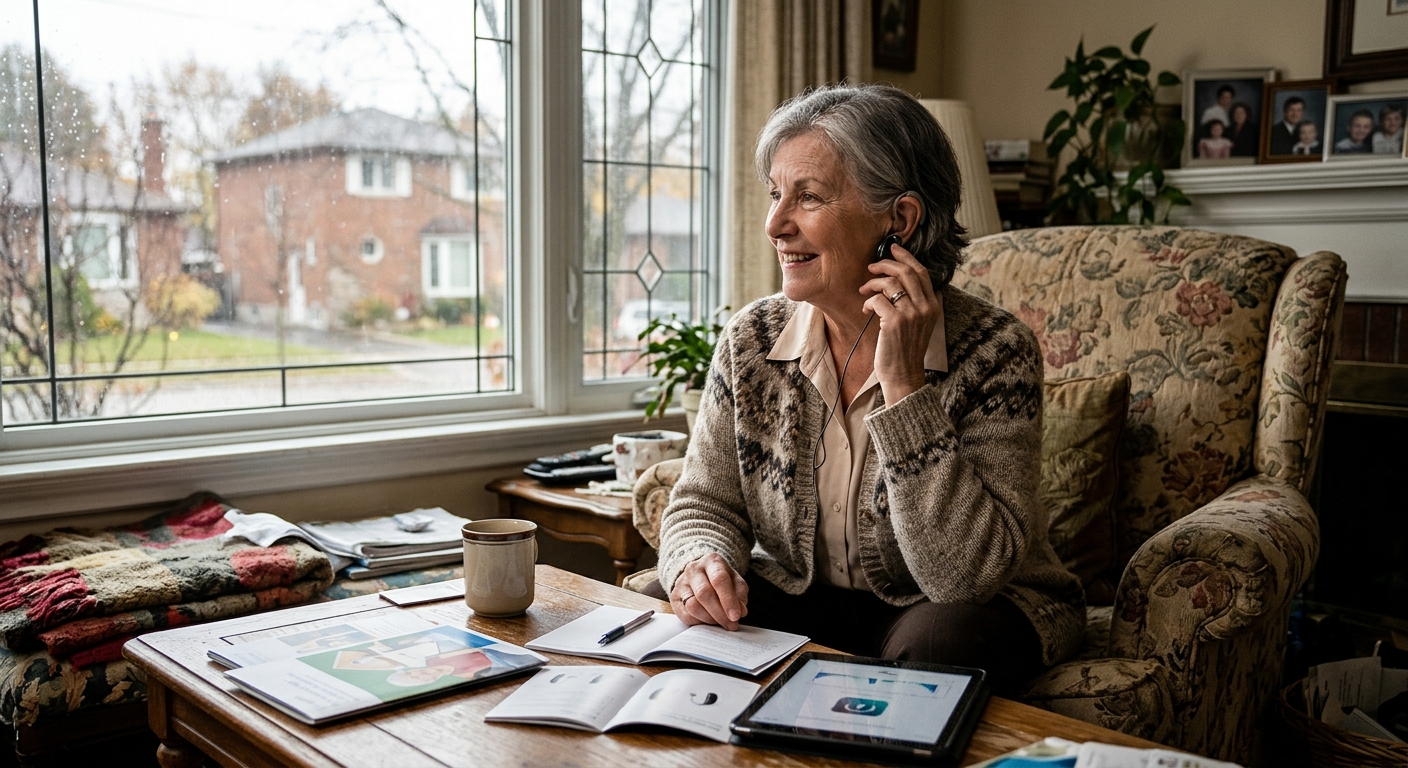
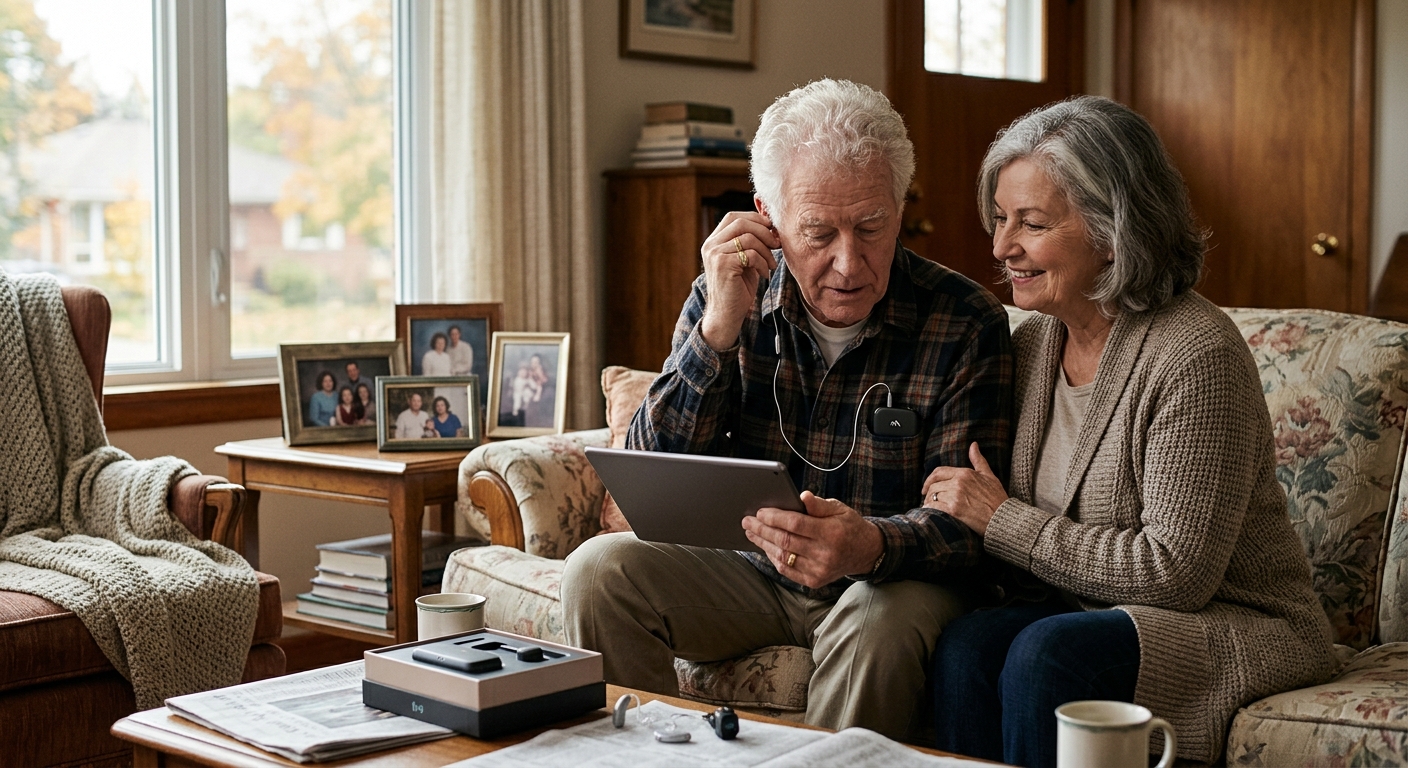
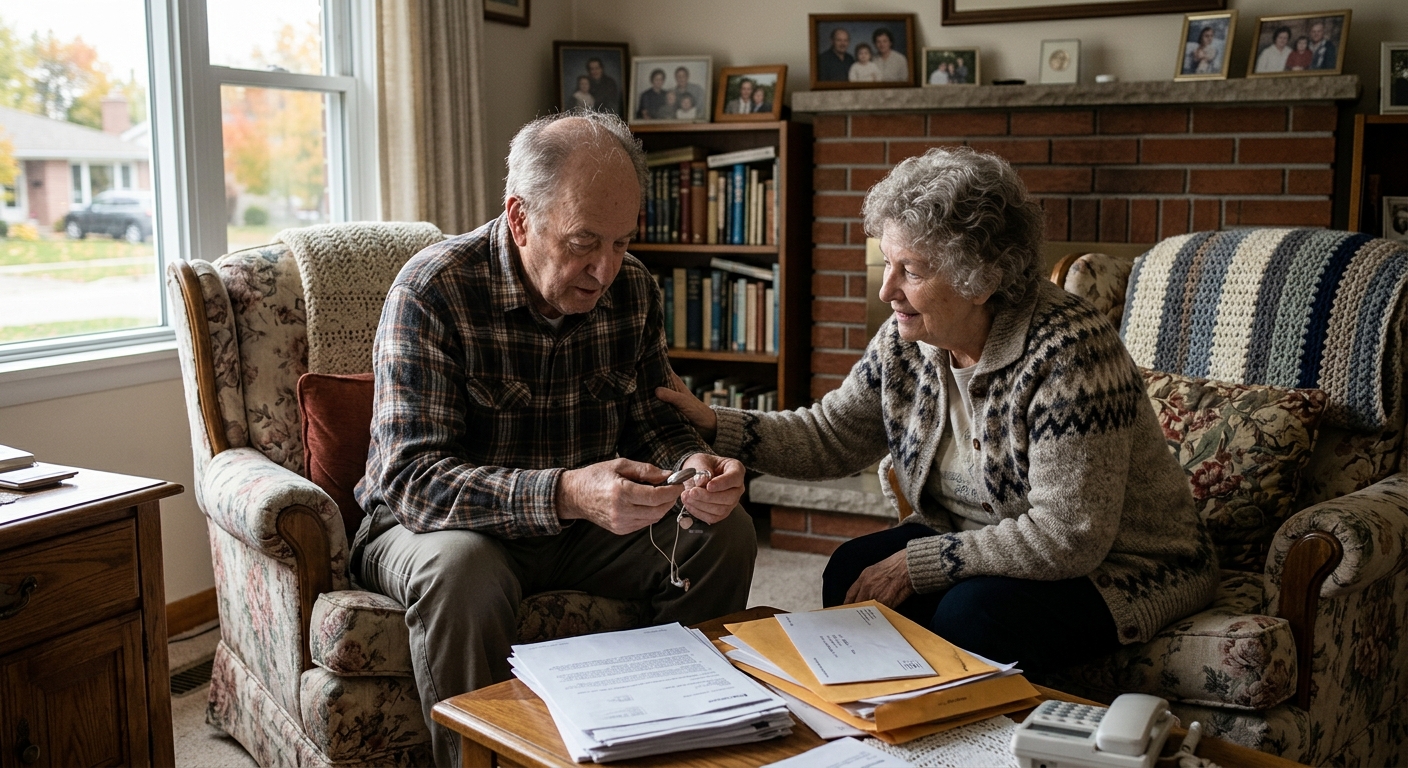
Your aging parent is withdrawing from family gatherings, avoiding phone calls, and watching television with subtitles because hearing loss is isolating them. Hearing loss in seniors directly correlates with cognitive decline, depression, and accelerated aging. Yet many Ontario seniors delay hearing restoration because modern hearing aids ($3,000–$8,000 per pair) and cochlear implants ($50,000–$80,000) aren't covered by provincial health plans.
A reverse mortgage can fund the hearing restoration that reconnects your parent to life and slows cognitive decline.
The Hidden Cost of Untreated Hearing Loss in Seniors
According to Statistics Canada, 40% of Canadians aged 65+ experience age-related hearing loss (presbycusis). But only 35% of those who could benefit from hearing aids actually use them—primarily due to cost and stigma. The consequences are severe:
- Cognitive decline: Untreated hearing loss is linked to 30–40% faster cognitive decline and increased dementia risk
- Social isolation: Hearing loss triggers withdrawal from social activities, leading to depression
- Falls and safety risks: Seniors with untreated hearing loss have higher fall rates (can't hear warnings, reduced awareness)
- Caregiver burden: Communication difficulty increases caregiver stress significantly
Research from the Journal of the American Geriatrics Society shows that hearing restoration through hearing aids or cochlear implants actually reverses some cognitive decline and restores social engagement—making it one of the highest-return health investments seniors can make.
Hearing Restoration Options & Costs
| Hearing Solution | Cost per Pair | Lifespan | Maintenance | Coverage in Ontario |
|---|---|---|---|---|
| Standard hearing aids | $2,500–$4,000 | 5–7 years | New batteries, annual cleaning | Not covered; private purchase only |
| Premium hearing aids (Bluetooth, AI, rechargeable) | $4,000–$8,000 | 5–7 years | Charging, occasional repair | Not covered; private purchase only |
| Cochlear implants (bilateral) | $50,000–$80,000 | 20+ years | Device replacement $15,000–$25,000 every 15–20 years | PARTIALLY covered by OHIP; 30–50% out-of-pocket |
| Auditory brainstem implants (for severe cases) | $60,000–$100,000 | 20+ years | Specialized maintenance and adjustment | Rarely covered; mostly out-of-pocket |
Provincial health plans (OHIP) provide limited coverage—typically 20–50% of implant costs, and NO coverage for hearing aids. A reverse mortgage bridges this gap.
Reverse Mortgage vs. Other Funding Options
| Funding Source | Cost | Timeline | Impact on Senior's Autonomy |
|---|---|---|---|
| Reverse mortgage line of credit | 6.5–7.5% interest | 4–6 weeks approval; immediate access | Senior maintains independence; family provides support |
| Hearing aid clinic financing | Often 0% for 12 months, then 8% | Same-day decision | Creates monthly payment obligation on fixed income |
| Children co-paying | Depends on children's income | Variable | May create family obligation/guilt dynamics |
| Personal savings | Depletes emergency reserves | Immediate | Sacrifices financial security for one health need |
| Delaying treatment | Free initially | Ongoing hearing loss | Cognitive decline, isolation, eventual crisis |
A reverse mortgage is strategically superior because it funds hearing restoration without creating monthly payment pressure on a fixed-income senior.
The Timeline from Hearing Loss to Hearing Restoration
| Phase | Duration | Cost | Action |
|---|---|---|---|
| Audiological assessment | 1 visit, 1 hour | $200–$500 | Determine degree of hearing loss, type of solution needed |
| Hearing aid trial period | 30–60 days | $2,500–$8,000 (refundable if unsatisfied) | Test if hearing aids provide sufficient benefit |
| Cochlear implant evaluation (if needed) | 2–4 visits, several weeks | $2,000–$5,000 (diagnostic tests, imaging) | Determine candidacy; imaging; psychological evaluation |
| Cochlear implant surgery and activation | 1 day surgery + 2-week recovery | $50,000–$80,000 (mostly upfront) | Surgery; hospital costs; initial programming |
| Ongoing auditory rehabilitation | 6–12 months | $3,000–$8,000 | Therapy sessions, programming adjustments, brain adaptation |
| Long-term device maintenance | Ongoing | $500–$2,000/year | Battery replacement, repair, periodic recalibration |
A reverse mortgage line of credit allows staged draws aligned with this timeline, rather than one lump-sum payment upfront.
Advanced Hearing Technology: Why Premium Devices Matter
Your aging parent shouldn't settle for basic hearing aids when advanced technology dramatically improves outcomes:
| Hearing Aid Feature | Basic Model | Premium Model | Impact on Senior Quality of Life |
|---|---|---|---|
| Bluetooth connectivity | No | Yes | Connect directly to phone, TV, hearing aids synchronize |
| Artificial intelligence (AI) adjustment | Manual adjustment at clinic | Real-time background noise filtering | Works in restaurants, crowds, church—where seniors socialize |
| Rechargeable batteries | No (disposable batteries) | Yes | No weekly battery changing; easier for arthritic hands |
| Fall detection | No | Yes | Alerts family if senior falls; critical safety feature |
| Directional microphones | Limited | Advanced | Focuses on speaker in front while reducing background noise |
Premium hearing aids (often $5,000–$8,000 per pair) restore functional hearing in complex social environments—exactly where isolated seniors need support most.
Key Takeaways
- 40% of Canadian seniors 65+ have age-related hearing loss; only 35% seek treatment due to cost (hearing aids $2,500–$8,000 not covered by OHIP)
- Untreated hearing loss accelerates cognitive decline 30–40%, triggers depression, and increases fall risk and mortality
- Advanced hearing aids ($5,000–$8,000) with AI, Bluetooth, and rechargeable batteries dramatically improve outcomes in social environments
- Cochlear implants ($50,000–$80,000, PARTIALLY covered by OHIP) restore near-normal hearing for severe cases but require 6–12 month auditory rehabilitation
- Reverse mortgage line of credit allows staged draws as your parent progresses from audiological assessment through long-term device maintenance
Restoring Connection
Hearing restoration is more than fixing ears—it's reconnecting your aging parent to family conversations, grandchildren's voices, music, and the social engagement that keeps minds sharp and lives meaningful.
Frequently Asked Questions
My aging parent resists hearing aids due to stigma. How can I address this?
Focus on function, not disability. Many seniors accept premium hearing aids when framed as "technology tools" (like glasses) rather than "disability devices." Modern hearing aids are nearly invisible. Additionally, hearing restoration often dramatically improves quality of life within weeks—once your parent experiences the benefit (hearing their grandchild's voice clearly, understanding restaurant conversations), stigma usually disappears. Consider inviting a successful hearing aid user (friend, family member) to share their positive experience.
Will my aging parent qualify for a cochlear implant?
Possibly, if hearing aids aren't sufficiently beneficial. Cochlear implants require severe-to-profound hearing loss AND evidence that hearing aids alone don't provide functional benefit. A formal audiological evaluation determines candidacy. Additionally, your parent must be psychologically prepared for a 6–12 month rehabilitation period (their brain needs to learn to interpret implant signals). Not all seniors are willing to commit to this rehabilitation; honest discussion about expectations is essential before pursuing cochlear implants.
Are there any Ontario government programs that help seniors pay for hearing aids?
Very limited coverage. OHIP covers 20–50% of cochlear implant costs (bilateral implants cost $50,000–$80,000, so OHIP might cover $10,000–$40,000). Hearing aids are NOT covered by OHIP. Some hearing clinics offer financing plans (often 0% for 12 months). Hearing instrument dispensing can sometimes be funded through occupational health services if hearing loss is work-related. For most seniors, hearing aids are entirely out-of-pocket.
Will hearing restoration through a reverse mortgage affect my aging parent's CPP, OAS, or GIS?
No. The reverse mortgage is your loan against your home, not your parent's income. Your parent's government benefits depend on their own assets and income, not your borrowing. However, if you're using reverse mortgage funds to pay down your parent's personal debts or restructure their financial situation, consult a benefits specialist about GIS (Guaranteed Income Supplement) asset tests, which have income thresholds that could be affected.
What's the difference between regular hearing aids and prescription cochlear implants?
Regular hearing aids amplify sound (like turning up volume). Cochlear implants bypass damaged inner ear structures and directly stimulate the auditory nerve, providing sensation of sound to the brain. Cochlear implants require surgery and work best for people with profound hearing loss where hearing aids provide little to no benefit. Most seniors start with hearing aids; only about 5–10% eventually progress to cochlear implants. A reverse mortgage should prioritize hearing aid trial first, then reassess for implants if needed.
Can my aging parent's hearing restoration be covered by their private insurance if they have employer-sponsored benefits?
Sometimes. Some group health insurance plans (through former or current employer) cover 50–80% of hearing aid costs, with annual limits of $2,000–$5,000. Check your parent's previous employer benefits or any supplementary coverage they maintained in retirement. If covered, pursue that reimbursement first, then use a reverse mortgage for out-of-pocket costs. Coordinate with the insurance company regarding which devices are covered before purchasing.
Your aging parent deserves to hear—and connect—again. A reverse mortgage can fund the hearing restoration that restores their independence and quality of life. Contact Rick Sekhon Reverse Mortgages to discuss how to unlock your home equity for your parent's hearing health.
Ready to Learn More?
Find out exactly how much you could unlock from your home — free and no obligation.
Related Articles
Reverse Mortgage for Aging in Place With Fibromyalgia: Home Modifications for Invisible Illness
Fund home modifications for aging with fibromyalgia. Reverse mortgage enables accessible design for pain management, energy conservation, and quality of life.
Read →Reverse Mortgage for Accessible Community Kitchen: Culinary Training and Aging in Place
Convert your home kitchen into an accessible commercial culinary training space. Reverse mortgage funds renovation while creating community impact.
Read →Reverse Mortgage When You Previously Gifted Home Down Payment to Adult Child: Reclaiming Equity for Aging in Place
Reverse mortgage strategy when aging in place after gifting down payment to adult child. Recover equity for home modifications and care.
Read →