
Reverse Mortgage for Accessible Community Kitchen: Culinary Training and Aging in Place
Convert your home kitchen into an accessible commercial culinary training space. Reverse mortgage funds renovation while creating community impact.
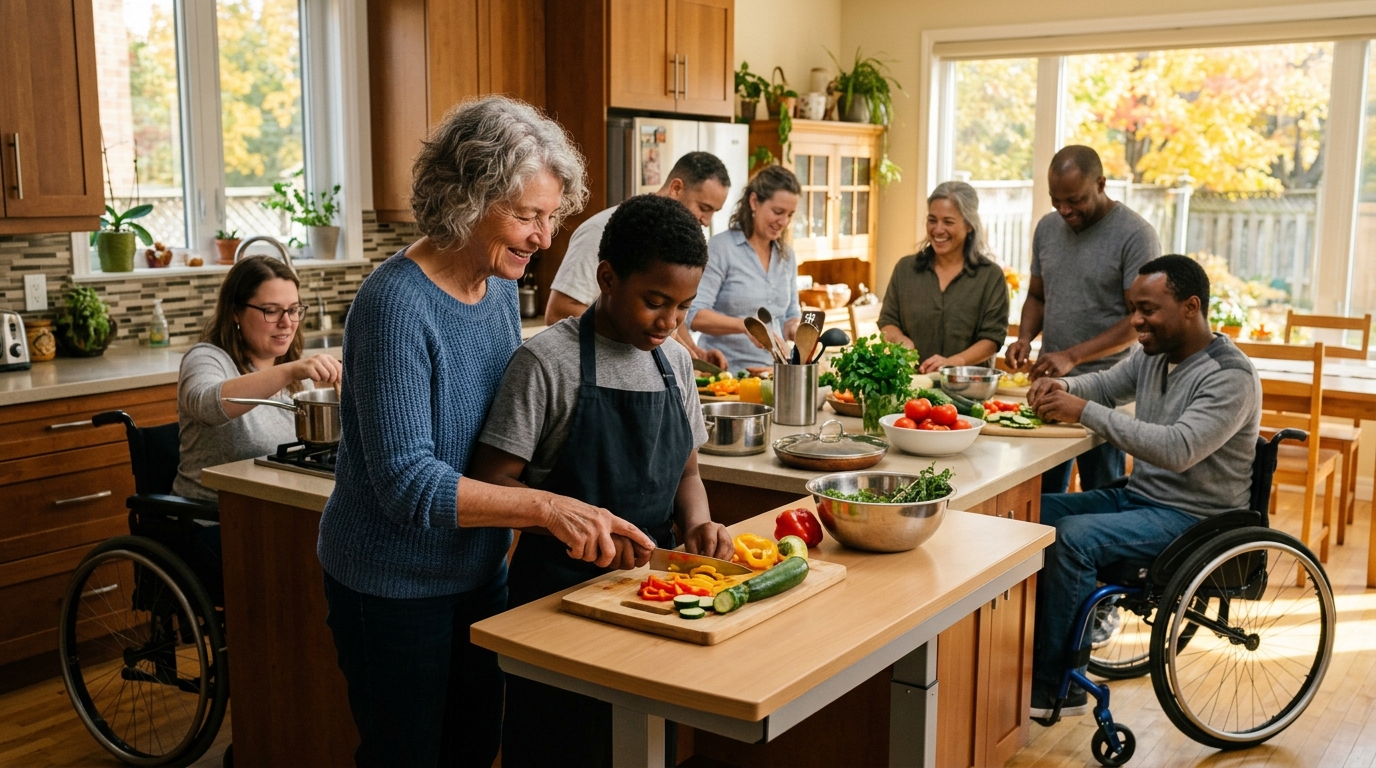
What if your aging-in-place kitchen renovation could also serve your community and generate income? A reverse mortgage can fund the conversion of your home kitchen into an accessible, fully certified culinary training space—allowing you to teach, host workshops, and mentor the next generation while staying in your home.
The Growing Demand for Accessible Culinary Education
Community kitchens and culinary training spaces are increasingly valuable in Ontario. Food literacy, dietary accessibility, and intergenerational cooking are priorities for aging populations. An accessible, commercial-grade kitchen at home becomes a gathering place, a teaching space, and a legacy project—all while supporting your own aging in place.
Kitchen Renovation Costs for Accessibility and Commercial Use
Converting a residential kitchen to commercial-grade, accessible culinary space requires $60,000–$120,000. Here's the breakdown:
| Renovation Component | Cost Range | Details |
|---|---|---|
| Cabinetry and countertop (lowered, varied heights) | $8,000–$15,000 | ADA-compliant heights: 28–42 inches |
| Commercial-grade appliances (induction, oven, range) | $12,000–$25,000 | Dual ovens, commercial ventilation required |
| Flooring (non-slip, accessible) | $5,000–$10,000 | Slip-resistant tile, easy wheelchair access |
| Accessibility modifications (grab bars, ramps, widened doorways) | $6,000–$12,000 | Meets Ontario Building Code accessibility standards |
| Commercial ventilation and hood system | $4,000–$8,000 | Meets health/safety code requirements |
| Health department compliance and upgrades | $5,000–$15,000 | Triple sink, grease trap, proper drainage |
| Plumbing and electrical upgrades | $8,000–$15,000 | Commercial-grade capacity and safety |
| Lighting (task lighting, accessibility-focused) | $3,000–$6,000 | Full-spectrum, dimmable options |
| Storage systems (accessible, organized) | $3,000–$8,000 | Lowered shelving, open cabinetry for mobility aids |
| Contingency and permits (15%) | $9,000–$18,000 | Unexpected structural issues, inspections |
| TOTAL RANGE | $63,000–$132,000 | Luxury finishes on high end |
A reverse mortgage can fund the full renovation without disrupting your retirement income.
Licensing and Operational Requirements in Ontario
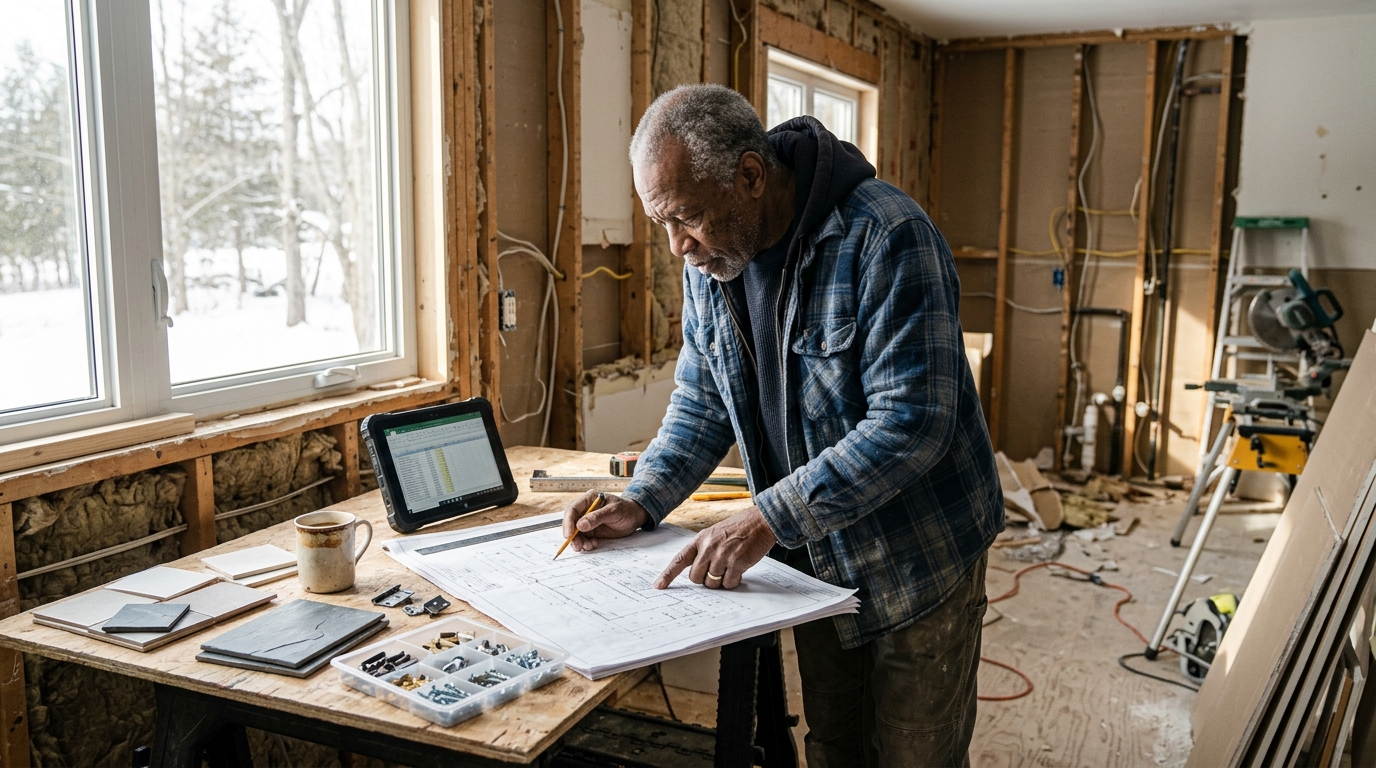
Before launching your community kitchen, you'll need compliance certifications:
| Requirement | Timeline | Cost | Authority |
|---|---|---|---|
| Health department inspection and license | 4–8 weeks | $500–$2,000 | Public Health Unit (PHU) |
| Building permit and accessibility inspection | 2–6 weeks | $400–$1,200 | Municipal Building Services |
| Commercial kitchen certification (food handling) | 2–4 weeks | $300–$800 | Health and Safety Ontario |
| Liability insurance (commercial kitchen + instruction) | Ongoing | $2,500–$5,000/year | Insurance broker (necessary) |
| ADA accessibility audit and certification | 2–4 weeks | $1,500–$3,000 | Accessibility consultant |
| Business registration and tax setup | 1–2 weeks | $200–$500 | CRA, Ontario Business Registry |
Total pre-launch investment: $5,400–$12,500 (plus renovation costs)
Programming Ideas: Income + Community Impact
Your accessible kitchen can host multiple types of programming:
Culinary Classes & Workshops ($25–$50 per participant)
- "Cooking for One" workshops for aging singles
- Diabetes-friendly meal prep for seniors with chronic disease
- International cuisine and cultural food traditions
- Adaptive cooking techniques for mobility-limited participants
Food Skills Training & Certification
- Food handler certification courses
- Nutrition fundamentals for caregivers
- Budget meal planning for fixed-income seniors
- Pressure canning and food preservation
Intergenerational Programs
- Grandparent-grandchild cooking days
- Youth mentorship in culinary arts
- Seasonal cooking traditions and heritage food preparation
- Teen job training in commercial kitchen operations
Private Events & Catering
- Intimate dinners, small wedding receptions
- Culinary team-building for local businesses
- Cookbook testing and development with authors
- Cooking demonstrations for nutrition specialists
A successful community kitchen can generate $2,000–$8,000 monthly once established, quickly offsetting reverse mortgage costs.
Real-World Example: Margaret's Community Kitchen Legacy
Margaret, 67, lived in a 3-bedroom home worth $520,000 in a Toronto suburb. She had 35 years of culinary arts teaching experience and wanted to remain in her home while creating something meaningful.
She took a $90,000 reverse mortgage, allocating:
- $75,000 for full kitchen renovation (commercial-grade, accessible)
- $8,000 for licensing, permits, and initial certifications
- $7,000 for initial liability insurance and contingency
Year 1 Results:
- Launched 6 weekly culinary workshops (15 participants each, $35/person)
- Offered intergenerational "Cooking with Grandma" events (4 per month, $60 per family)
- Generated $18,000 in workshop revenue
- Covered all licensing and liability costs
Ongoing Impact:
- By Year 2, workshops generated $28,000 annually
- Margaret reduced her reverse mortgage balance by paying down early
- The community kitchen became a beloved neighborhood gathering place
- Local food banks referred low-income participants to budget meal prep classes
According to the Ontario Ministry of Health, accessibility-focused culinary education addresses food insecurity and health literacy gaps in aging populations—making your kitchen eligible for grant funding from nonprofits and government agencies.
Reverse Mortgage Strategy for Kitchen Conversion
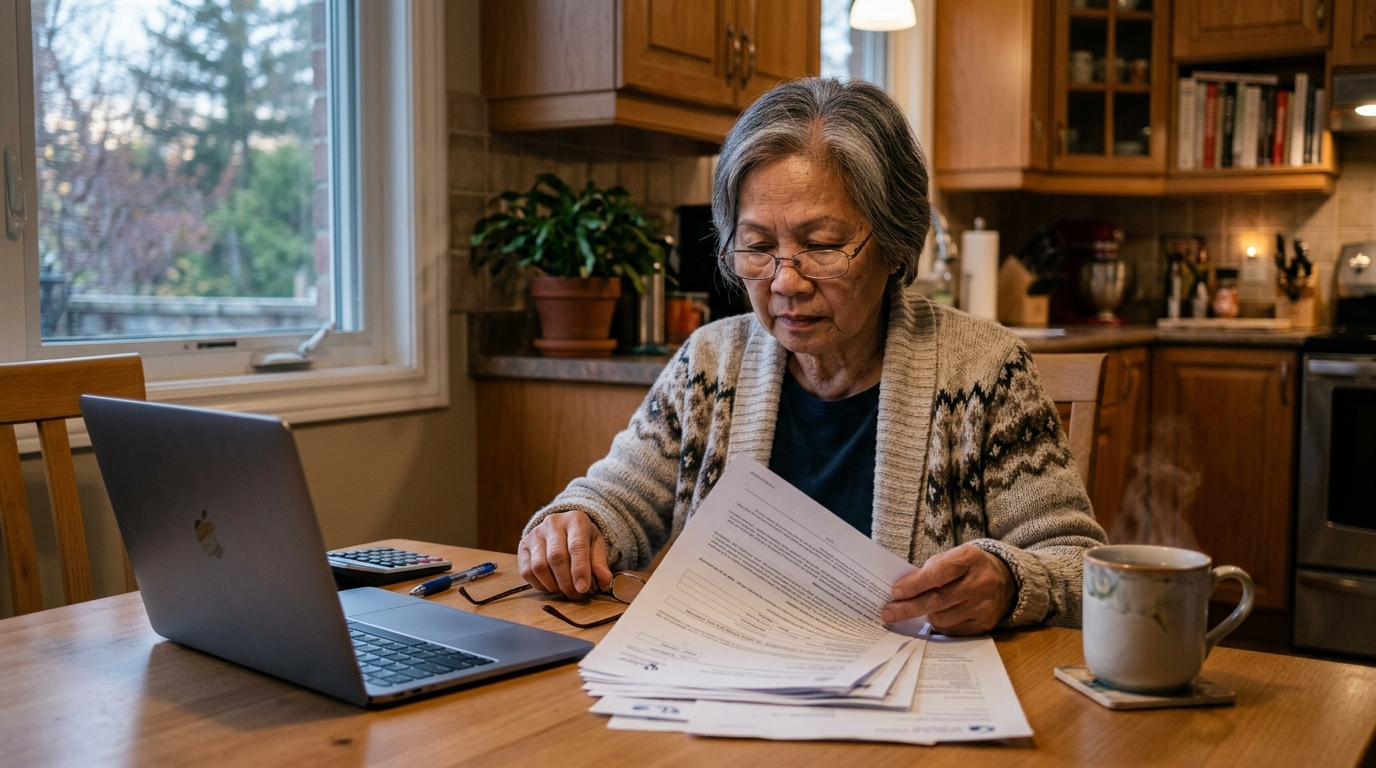
Working with a reverse mortgage specialist like Rick Sekhon at Rick Sekhon Reverse Mortgages ensures your renovation funding aligns with:
- Home equity requirements – You'll need at least 35–40% equity to borrow $60K–$120K
- Appraisal adjustments – A certified commercial kitchen may increase your home's value by $40K–$60K, strengthening your loan-to-value ratio
- Insurance requirements – Liability coverage for commercial kitchen use is non-negotiable and required by all lenders
- Tax-free funding – Reverse mortgage proceeds don't trigger OAS clawback or GIS impact
Accessibility Design Best Practices
To maximize your kitchen's usability for all participants:
- Counter heights: Provide both standard (36") and lowered (28–32") sections for wheelchair users
- Aisles and pathways: Minimum 48" wide for wheelchair turning radius
- Seating: Include both seated (bar stools at 36" counters) and standing work areas
- Equipment: Induction cooktops are safer and more accessible than gas ranges
- Storage: Open shelving at multiple heights; avoid overhead cabinets
- Lighting: Full-spectrum, dimmable lights reduce eye strain and create welcoming atmosphere
Key Takeaways
- A fully accessible, commercial-grade kitchen renovation costs $60K–$120K—fully fundable through a reverse mortgage without affecting retirement income
- Multiple income streams (workshops, classes, events, catering) can generate $2K–$8K monthly once established
- Licensing and compliance costs are modest ($5K–$12K upfront) and manageable through workshop fees within Year 1
- Reverse mortgage proceeds are tax-free, protecting your OAS/GIS while funding the renovation
- Your kitchen becomes a community asset, fulfilling aging-in-place goals while creating meaningful legacy impact
- Grant funding opportunities exist through nonprofits and government agencies supporting food literacy and accessibility initiatives
Frequently Asked Questions
Will a commercial kitchen increase my home's market value?
Likely yes, but it's specialized. A certified accessible kitchen may add $30K–$60K in value to the right buyer (food entrepreneur, culinary educator). However, resale value varies by market. Focus on your goal—staying in place while serving community—rather than resale appreciation.
Can I operate a food business from my home in Ontario?
Yes, Ontario's Health Protection and Promotion Act (HPPA) allows licensed home-based food production for certain products (non-potentially hazardous foods like granola, jams, baked goods). However, instruction and meal preparation require a certified commercial kitchen—which this renovation provides.
What insurance do I need for a community kitchen?
You'll need commercial general liability insurance ($2,500–$5,000/year) plus product liability if you're serving food. Work with an insurance broker familiar with home-based culinary operations. Rick Sekhon Reverse Mortgages can connect you with brokers who understand reverse mortgage requirements.
How do lenders (CHIP, Equitable Bank, Home Trust) view community kitchen conversions?
Most major lenders support well-planned renovations that improve accessibility and add functional value to your home. Provide a detailed renovation plan, budget breakdown, and accessibility certification goals. Commercial kitchen conversions are increasingly viewed favorably as aging-in-place investments.
Can I eventually hire staff or take a partner in the kitchen business?
Absolutely. As your kitchen business grows, you can hire part-time instructors, cooks, or administrative support. A reverse mortgage doesn't prevent business growth—it simply funds the initial capital conversion.
What happens to my community kitchen if I need to move to long-term care?
Your home can be sold with the commercial kitchen as an asset, attracting buyers (food entrepreneurs, nonprofits, community organizations) willing to pay premium prices. Alternatively, you could train a successor and transition the program. Your reverse mortgage obligation is resolved through the home sale proceeds.
Ready to Learn More?
Find out exactly how much you could unlock from your home — free and no obligation.
Related Articles
Reverse Mortgage to Launch Home-Based Tax Prep and Retirement Planning Business
Fund your home-based tax and retirement planning practice with a reverse mortgage. Serve aging Canadians while accessing home equity in Ontario.
Read →Reverse Mortgage for Adult Child Launching Independent Scientific Research Consulting
Fund your adult child's independent scientific consulting practice. Reverse mortgage provides startup capital for research-focused entrepreneurship in Ontario.
Read →Reverse Mortgage for Home Inspection and Accessibility Assessment Business
Fund your adult child's dual home inspection and accessibility assessment practice. Reverse mortgage provides startup capital for underserved home services market.
Read →