
Reverse Mortgage for Foundation Waterproofing Before Accessibility Renovations: Protecting Your Home Investment
Fund foundation waterproofing to protect accessibility renovations. Ontario basement modifications and moisture prevention strategy.
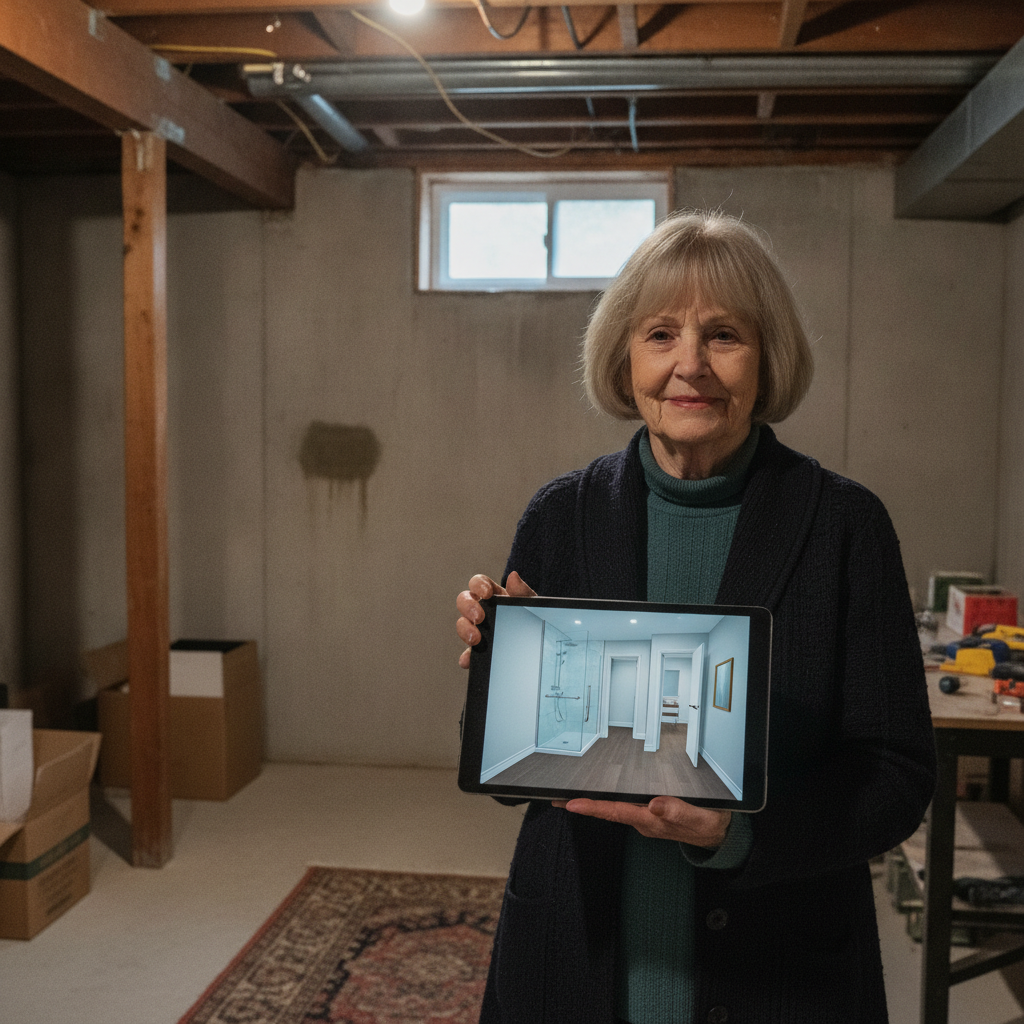
You're planning to convert your basement into an accessible bedroom or living space for aging-in-place or to accommodate an adult child with mobility issues. But a home inspector reveals a troubling reality: your foundation has moisture seepage, cracks, and active water intrusion. Converting the basement without waterproofing first would result in a damaged accessibility reno—flooded bedroom, moldy air quality, failed equipment—within 12 months. A reverse mortgage can fund both the essential waterproofing AND the accessibility modifications, protecting your long-term investment.
Why Foundation Waterproofing Before Accessibility Matters
Basement accessibility conversions are expensive ($20,000–$50,000+). Installing an accessible bedroom, bathroom, or living space with:
- Flood-resistant flooring ($3,000–$8,000)
- Accessible bathroom ($8,000–$15,000)
- HVAC/dehumidification ($3,000–$6,000)
- Electrical/code compliance ($2,000–$5,000)
- ADA-compliant doors, ramps, widened openings ($3,000–$8,000)
...into a wet basement is financial suicide.
According to CMHC (Canada Mortgage and Housing Corporation), basement moisture problems affect 25–30% of Ontario homes. If your foundation has active water intrusion, post-conversion damage will cost:
- Mold remediation: $2,000–$15,000+
- Equipment replacement (wheelchair, mobility aids, flooring): $5,000–$20,000+
- Health impacts: Respiratory issues, mold allergies
The solution: Waterproof first, renovate second. A reverse mortgage funds both in proper sequence.
Waterproofing Options and Costs
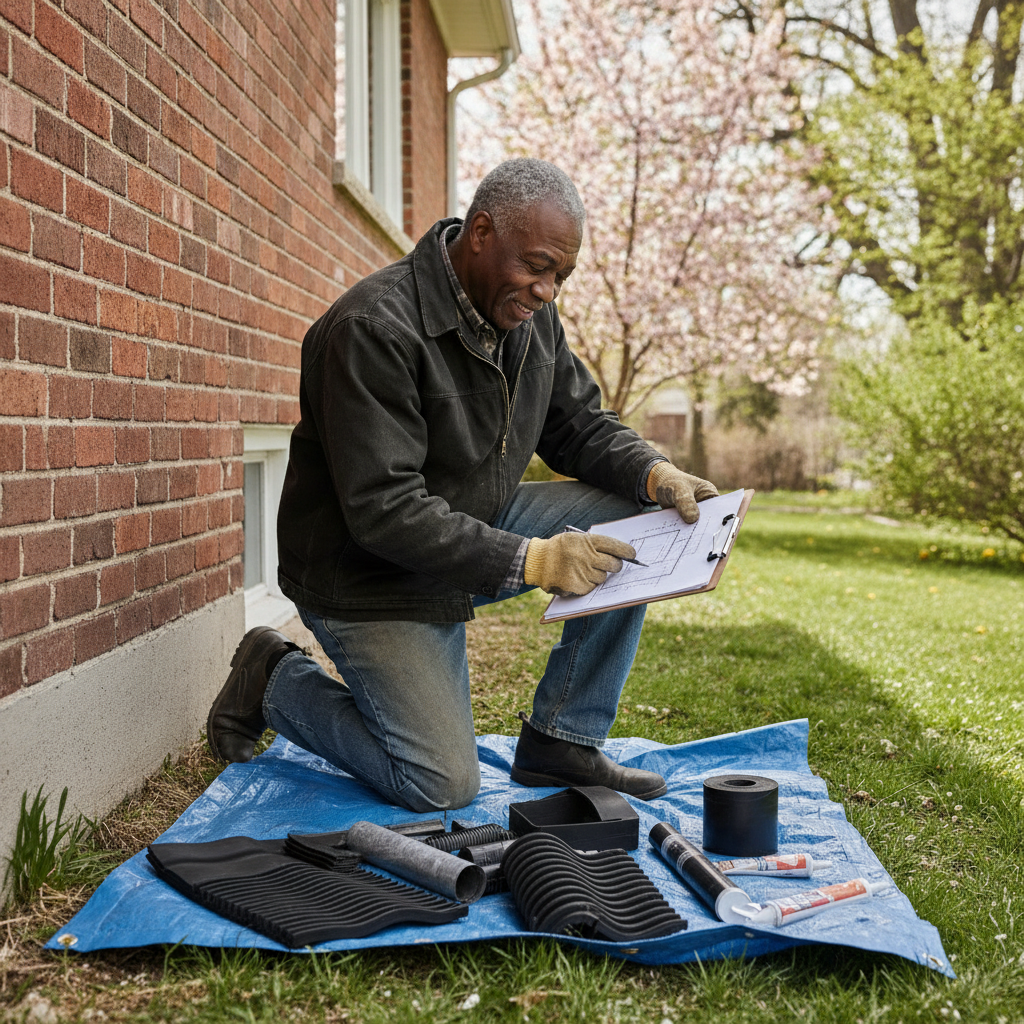
Foundation waterproofing in Ontario varies by severity and method:
| Waterproofing Method | Severity Addressed | Typical Cost | Longevity |
|---|---|---|---|
| Interior sump pump + dehumidifier | Minor moisture, surface seepage | $3,000–$6,000 | 10–15 years |
| Interior sealing (caulk/epoxy injection) | Minor cracks, small leaks | $1,500–$4,000 | 5–10 years |
| Exterior foundation repair + new drainage | Moderate water intrusion, crack repair | $8,000–$18,000 | 20–30 years |
| Full basement waterproofing (interior + exterior) | Severe flooding, major structural issues | $15,000–$30,000+ | 25–40 years |
Ontario soil conditions matter. Heavy clay and poor drainage (common in GTA, Hamilton, London) require robust exterior waterproofing. Skimping on this step before accessibility renovation is false economy.
Reverse Mortgage Strategy: Waterproof + Renovate in Phases
A line-of-credit reverse mortgage funds both projects with strategic sequencing:
Phase 1: Diagnosis + Waterproofing (Months 0–6)
- Draw $3,000–$8,000 for professional basement assessment (inspector + waterproofing contractor estimate)
- Draw $10,000–$20,000 for waterproofing (interior or exterior, depending on severity)
- Allow 3–6 months for repairs + drying-out period before renovation
Phase 2: Accessibility Renovation (Months 6–12)
- Draw $20,000–$40,000 for full basement accessibility conversion (bedroom, bathroom, living space)
- Proceed confidently knowing the moisture problem is solved
- Install permanent accessibility features (flooring, fixtures, electronics)
Phase 3: Reserve (Year 2+)
- Keep $10,000–$20,000 in reserve for maintenance, dehumidifier replacement, or unexpected moisture issues
- Waterproofing systems require periodic maintenance (sump pump checks, drain cleaning, etc.)
Total typical investment: $40,000–$80,000 spread over 12–18 months.
Coordinating Waterproofing with Insurance and Building Permits
Before funding waterproofing, clarify coverage and code requirements:
Insurance Considerations:
- Your homeowner's insurance may not cover water damage from poor drainage/foundation issues (often exclusions apply)
- Fixing waterproofing problems BEFORE damage occurs is essential to maintain coverage
- Consult your insurer before waterproofing work begins
- Document all repairs with photos and contractor receipts
Building Permits:
- Basement conversions to "sleeping areas" (bedrooms) require building permits in most Ontario municipalities
- Foundation waterproofing may not require permits (check locally)
- Accessibility modifications (ramps, widened doors, grab bars) typically don't require permits
- Consult your municipal building department; permits cost $300–$1,000 but protect you legally
Contractor Selection:
- Get 3 waterproofing quotes; compare methods and warranty
- Ask about their insurance, WSIB coverage, references
- Verify they're bonded (protects you if contractor fails to complete work)
Real Ontario Case: The Wet Basement Retrofit
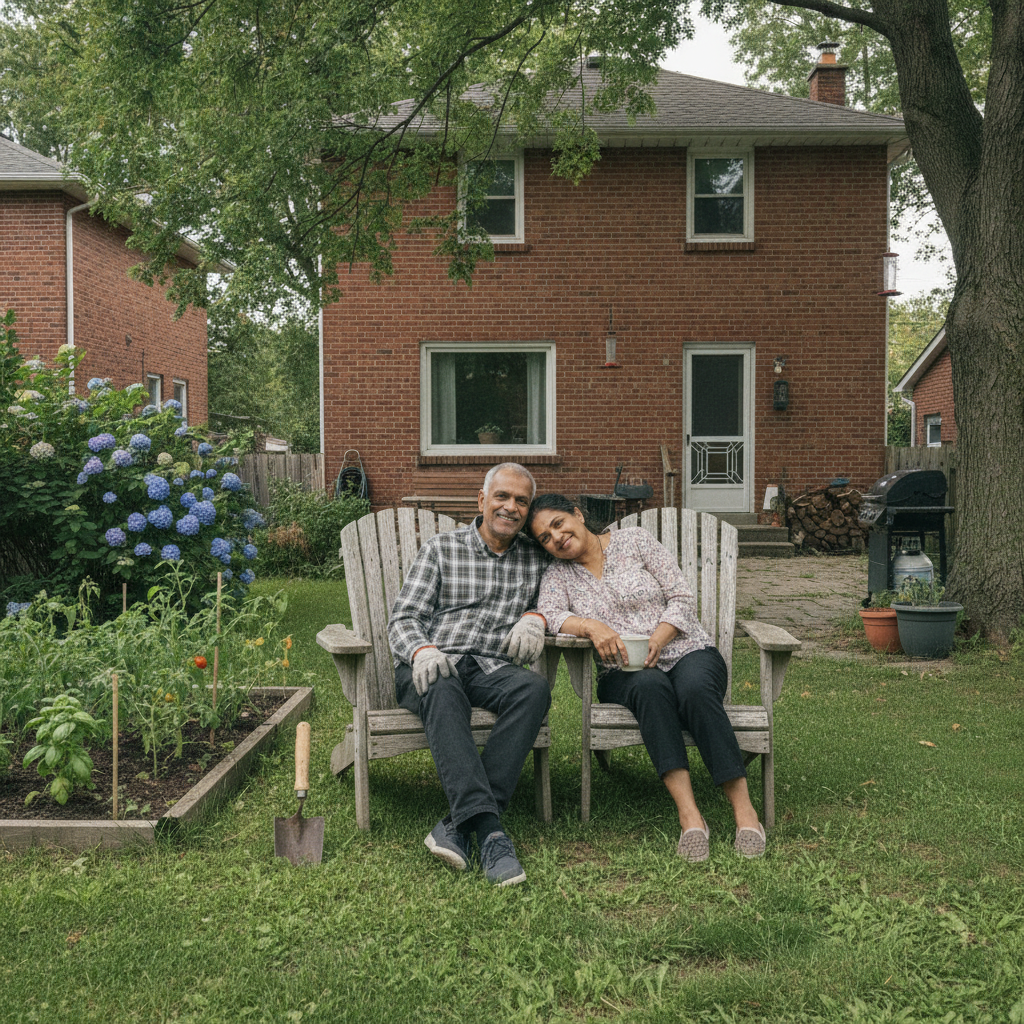
Margaret, 64, London, Ontario
- Home value: $480,000
- Goal: Convert basement into accessible bedroom for herself (early aging-in-place)
- Problem: Home inspector found foundation cracks, water stains, active seepage
The Challenge: Margaret wants a ground-floor master bedroom (she's having mobility issues, stairs becoming difficult). Basement conversion cost: $35,000. But waterproofing contractor estimates $18,000 to address foundation problems. Total: $53,000. Margaret's savings are insufficient; traditional HELOC won't approve due to water damage risk.
The Reverse Mortgage Solution: Margaret obtains a $70,000 line-of-credit reverse mortgage with CHIP:
- Year 1: Draws $8,000 for inspection/assessment, then $15,000 for exterior waterproofing and new drainage system
- Allows 6-month drying period while maintaining reserve
- Year 2: Draws $35,000 for full basement conversion (accessible bedroom, bathroom, living area)
- Keeps $12,000 in reserve for ongoing moisture management, dehumidifier maintenance
Outcome: Margaret's basement is waterproofed, damp-proofed, and ready for permanent accessibility installation. She ages in place safely, avoiding stairs. The waterproofing protects her $35,000 accessibility investment.
Lender Flexibility for Waterproofing + Renovation Projects
| Lender | Supports Phased Draws | Waterproofing Coverage | Line of Credit Flexibility |
|---|---|---|---|
| CHIP | Yes | Yes | Excellent |
| Equitable Bank | Yes | Yes | Excellent |
| Bloom Financial | Yes | Yes | Very Good |
| Home Trust | Limited | Yes | Moderate |
CHIP and Equitable Bank understand that waterproofing is essential infrastructure before accessibility work; they support phased, sequential funding.
Tax and Disability Credit Implications
Home modifications funded by reverse mortgage may qualify for partial cost recovery:
Accessibility Home Modification Tax Credit (Partial):
- If you or an adult child has a Disability Tax Credit (DTC), home accessibility costs may be deductible
- Waterproofing alone typically doesn't qualify unless explicitly tied to accessibility
- The accessibility components (bedroom, bathroom, ramps, widened doors) may qualify
- Consult a disability tax specialist to separate waterproofing vs. accessibility costs for CRA purposes
Key Takeaways
- Foundation waterproofing before basement accessibility renovation protects your $20,000–$50,000+ investment.
- Unaddressed water intrusion will destroy accessibility features within 12 months (mold, flooring damage, equipment failure).
- A line-of-credit reverse mortgage funds waterproofing first, then accessibility renovation, in proper sequence.
- Waterproofing costs $3,000–$30,000 depending on severity; accessibility adds $20,000–$50,000.
- CHIP and Equitable Bank support phased draws over 12–18 months, matching the timeline of waterproofing + renovation.
- Document all work with permits and contractor records for insurance and tax purposes.
Frequently Asked Questions
How long should I wait after waterproofing before starting accessibility renovation?
Most contractors recommend 3–6 months of dry-out period to ensure moisture issues are fully resolved. If you've had interior sealing only, 3 months is often sufficient. If exterior foundation repair was required, allow 6 months for drainage settling and final drying. Don't rush this timeline.
Will waterproofing work disrupt my current living situation?
Exterior waterproofing (digging around the foundation) is disruptive—expect 4–8 weeks of heavy equipment, noise, and temporary damage to landscaping. Interior waterproofing (sump pump installation, interior sealing) is less intrusive (1–2 weeks). Plan accordingly; some families schedule waterproofing in summer when they can move temporarily or tolerate disruption.
Can I get a building permit for basement accessibility without addressing waterproofing first?
Technically, yes—permits and waterproofing are separate. However, the building inspector will flag water damage risk on their site visit. Addressing waterproofing first ensures your renovation passes final inspections without complications. Many municipalities require proof of water management before approving sleeping area conversion.
Does waterproofing work affect my home's resale value?
Yes, positively. A waterproofed basement with sump pump and interior/exterior drainage significantly increases home value and buyer confidence. Homes with wet basements sell at steep discounts (15–25% lower). Waterproofing is an investment that pays dividends in resale.
Are waterproofing costs tax-deductible?
Waterproofing alone is typically not deductible (it's home maintenance/repair, not capital improvement for tax purposes). However, if waterproofing is part of a larger accessibility renovation that qualifies for disability tax credits, a tax professional may allocate a portion of costs to the accessibility project. Consult your accountant; documentation is critical.
What if I waterproof but later decide not to do the accessibility renovation?
The waterproofing benefits you regardless. A dry basement increases home value, prevents mold, and enables future use (office, guest suite, exercise space, storage). Waterproofing is never wasted; it's foundational infrastructure for your home's long-term health.
Ready to Learn More?
Find out exactly how much you could unlock from your home — free and no obligation.
Related Articles
Heritage Home Designation Prevents Essential Repairs? Reverse Mortgage for Conservation Compliance
Heritage designation restricts exterior renovations aging parent needs. Reverse mortgage funds compliant solutions.
Read →Home Dialysis, IV Therapy, or Complex Medical Care? Reverse Mortgage for Specialized Medical Room Setup
Aging parent or adult child requires home medical care (dialysis, IV therapy, oxygen). Reverse mortgage funds specialized home modifications.
Read →Reverse Mortgage to Fund Your Own Mentorship Practice: Teaching the Next Generation
Launch a mentorship or coaching practice in retirement using home equity. Build income while teaching young leaders with a reverse mortgage.
Read →