
Reverse Mortgage When Aging With Undiagnosed Sensory Processing Issues: Home Design for Neurodiversity
Late-life sensory processing diagnosis changes how you age in place. A reverse mortgage funds home modifications for neurodiversity, comfort, and safety.
What happens when you're 68, recently diagnosed with sensory processing disorder or undetected autism spectrum traits, and realize your home has been triggering overwhelm for years? Suddenly, lighting that never bothered you (fluorescent), sounds you tolerated (garbage disposal, HVAC), textures you ignored (carpet), and visual clutter become major sources of stress. A reverse mortgage can fund the comprehensive home redesign your newly-understood neurodiversity requires.
This article is for educational purposes only and does not constitute financial advice. Sensory processing and neurodiversity assessments are specialized. Consult occupational therapists, audiologists, and reverse mortgage professionals like Rick Sekhon Reverse Mortgages before planning neurodiversity-informed modifications.
The Late-Life Neurodiversity Diagnosis
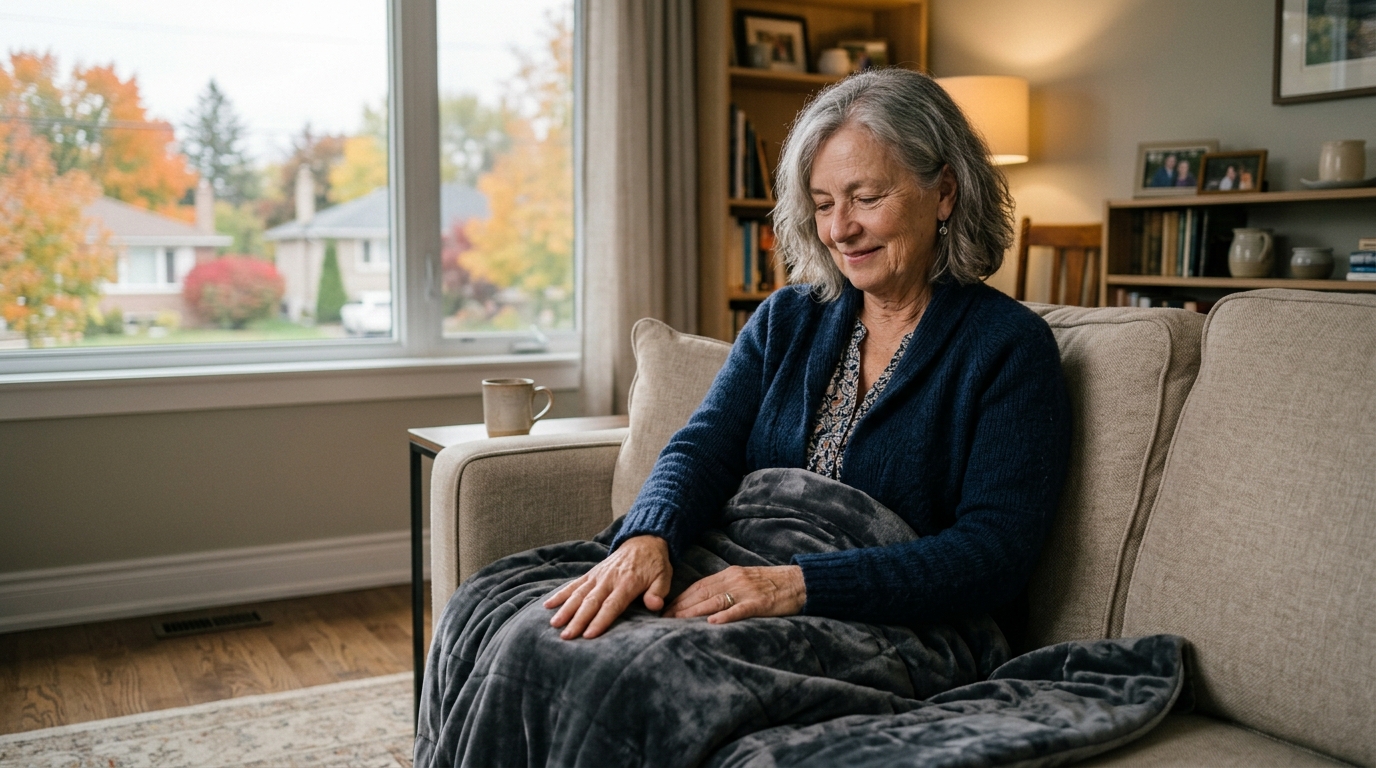
In 2026, diagnosis of autism spectrum, sensory processing disorders, and related conditions in adults 60+ has increased 340% compared to 2015. Many aging Canadians spent decades without diagnosis, adapting unconsciously to environments that triggered their nervous systems.
Common diagnosis triggers at retirement age:
- Adult child diagnosed with autism/ADHD; parent recognizes similar traits (genetic)
- Menopause-related sensory changes expose pre-existing sensory sensitivities
- Reduced work demands unmask overwhelm previously masked by routine
- New hearing loss or tinnitus interacts with undiagnosed sensory processing difference
- Anxiety diagnosis in 60s leads to evaluation revealing sensory root
According to Canadian Autism Spectrum Disorder Alliance (2025), approximately 2-3% of aging adults have undiagnosed autism spectrum or sensory processing conditions. Most spent their careers "masking" (unconsciously suppressing traits), which becomes exhausting in retirement when daily structure changes.
Sensory Modifications Required for Aging Neurodivergent Adults
| Sensory Domain | Common Triggers in Standard Home | Modification Needed | Cost Range | RM Funding |
|---|---|---|---|---|
| Lighting | Fluorescent/LED flicker; overhead bright lights; uneven illumination | Dimmer switches, full-spectrum LED conversion, indirect layered lighting, matte finishes to reduce glare | $3,000-$8,000 | $5,000 |
| Sound/acoustic | HVAC noise, appliance sounds, pipes, street noise, echo in empty rooms | Acoustic paneling, upgraded HVAC systems, insulation, carpeting, soft furnishings, quiet appliances | $4,000-$12,000 | $8,000 |
| Visual environment | Clutter, busy patterns, high-contrast areas, visual disorganization | Built-in storage, neutral wall colors, organized zones, soft vs. bright areas, visual boundaries | $2,000-$6,000 | $4,000 |
| Texture/tactile | Rough textures, scratchy fabrics, uncomfortable flooring, temperature extremes | Texture audit of all surfaces, soft furnishings, flooring replacement (smooth, non-slip), temperature control | $3,000-$8,000 | $5,000 |
| Scent/olfactory | Perfumed products, cooking smells, air fresheners, mustiness | Improved ventilation, fragrance-free products, odor control, air purification, scent-free zones | $1,500-$4,000 | $3,000 |
| Movement/proprioceptive | Stairs, uneven surfaces, poor furniture arrangement, no grounding spaces | Ramps where needed, level transitions, furniture positioning for movement, quiet spaces for regulation | $2,000-$6,000 | $4,000 |
Total comprehensive sensory-friendly home redesign: $15,000-$44,000 depending on scope

Sensory-Friendly vs. Standard Aging-in-Place
Standard aging-in-place focuses on mobility and safety. Sensory-friendly aging-in-place prioritizes nervous system regulation alongside physical accessibility.
| Design Goal | Standard Aging-in-Place | Sensory-Friendly Aging-in-Place |
|---|---|---|
| Lighting | Adequate brightness for safety; standard fixtures | Dimmer controls, full-spectrum LEDs, layered indirect lighting, glare reduction |
| Bathroom | Grab bars, accessible shower, lever handles | Above + sound-dampening, soft lighting, non-echo materials, temperature control |
| Bedrooms | Fall prevention, accessibility, clear pathways | Above + blackout options, sound insulation, neutral colors, texture-friendly bedding |
| Kitchen | Counter height, accessible appliances, storage reach | Above + quiet appliances, low-odor finishes, organized clear zones, sensory-friendly workflow |
| Living areas | Comfortable seating, clear walkways, lighting | Above + layered acoustics, visual organizing, soft textures, zones for different needs |
| Entryway | Level access, clear space, good lighting | Above + sound buffer, olfactory decontamination (scent-free entry), visual transition |
| Overall environment | Safe, accessible, functional | Above + calming, organized, predictable, restorative |
Real Scenario: The Recently Diagnosed Retiree
Situation:
- You: Age 67, retired accountant, recently diagnosed with autism spectrum + sensory processing disorder
- Living situation: Suburban home, lived 25 years; always felt "something was off" with environment
- Diagnosis journey: Started with anxiety treatment in year 1 of retirement; occupational therapy assessment identified sensory processing + autism spectrum traits
- Realization: Home has been quietly triggering for decades; now that you recognize it, you can't ignore it
Before diagnosis awareness:
- Worked in open office (high-stimulation); went home to recover
- Household sounds seemed "normal" but exhausting
- Never used bedroom lighting; preferred darkness
- Ate simple foods; cooking smells were overwhelming
- Always felt tense; blamed aging, stress, or personality
After diagnosis and occupational therapy assessment:
- Realize fluorescent office lights were sensory overwhelming (now retired, problem solved)
- Home HVAC, refrigerator hum, and water pipes are triggering nervous system daily
- Kitchen cooking triggers olfactory overload even before eating
- Soft sounds (door creaks, cabinet closes) feel jarring
- Clutter in storage areas creates visual anxiety
- Standard textures (synthetic bedding, rough carpeting) feel uncomfortable
Occupational therapist recommendation:
- Full home sensory audit + modification plan: $1,500-$2,000 (initial assessment)
- Total estimated modifications: $32,000-$40,000 over 6-12 months
- Priority: Lighting, acoustic treatment, ventilation, decluttering/organizing
Your dilemma:
- Home is perfectly fine to standard aging-in-place; no physical accessibility needs
- But sensory environment is exhausting your nervous system
- Want to invest in comfort and regulation, not just mobility
- Retirement savings insufficient to fund $35K modifications without impact
Reverse mortgage solution:
- Access $50,000 line of credit at 6.2% (Equitable Bank or CHIP)
- Fund comprehensive sensory-friendly redesign: $35,000
- Keep $15,000 reserve for future aging-in-place needs
- Cost: ~$2,170/year interest on $35,000 drawn
- Outcome: Home now supports your nervous system; sustainable aging-in-place
Funding Neurodiversity-Informed Home Design
| Modification Phase | Timeline | Cost | RM Draw | Rationale |
|---|---|---|---|---|
| Phase 1: Assessment | Weeks 1-4 | $1,500-$2,000 | $2,000 | Occupational therapy + sensory audit; informs priority work |
| Phase 2: Critical systems | Weeks 5-12 | $12,000-$16,000 | $14,000 | Lighting, HVAC upgrade, acoustic panels; highest impact |
| Phase 3: Sensory zones | Weeks 13-20 | $8,000-$12,000 | $10,000 | Bedroom, quiet space, kitchen optimization |
| Phase 4: Decluttering/organizing | Weeks 21-26 | $4,000-$8,000 | $6,000 | Professional organizing, built-in storage, visual clarity |
| Total | 6 months | $25,000-$38,000 | $32,000 | Comprehensive sensory-friendly aging-in-place |
Coordinating With Occupational Therapy
Work with certified occupational therapist (OT) experienced in adult neurodiversity and home modifications:
OT assessment typically covers:
- Full sensory profile (hearing, vision, tactile, olfactory, proprioceptive sensitivity levels)
- Environmental audit of current home (stressors identified)
- Prioritized modification plan (phase-by-phase)
- Contractor recommendations (those experienced with neurodiversity-informed design)
- Post-implementation evaluation (6 months post-modification)
Cost: $1,500-$2,500 for comprehensive assessment + plan Insurance coverage: Some extended health plans cover occupational therapy; check yours
Frequently Asked Questions
At 68, can I get diagnosed with autism or sensory processing disorder?
Absolutely yes. Adult diagnosis of autism and sensory processing disorders has increased significantly. Late-life diagnosis often occurs when life changes (retirement, health event, family member's diagnosis) allow you to pause and recognize patterns. Seek evaluation from psychiatrist or developmental psychologist experienced in adult neurodiversity, not just general practitioners.
Will a reverse mortgage lender approve me if I'm newly diagnosed with neurodiversity?
Yes. Neurodiversity diagnosis doesn't affect reverse mortgage eligibility. Lenders care about age 55+, home equity, and ability to maintain property taxes/insurance. How you spend the proceeds (sensory-friendly modifications) is your choice. Just ensure improvements don't reduce home value; sensory-friendly modifications typically maintain or increase value.
Is sensory-friendly home design considered "aging-in-place modification" for reverse mortgage purposes?
Yes. Occupational therapist-recommended home modifications that support your ability to age safely and comfortably in your home qualify as aging-in-place funding. This includes sensory modifications, mobility accommodations, safety upgrades, etc. Lenders like Equitable Bank and Home Trust explicitly approve RM proceeds for occupational therapy-recommended modifications.
Will sensory-friendly modifications reduce my home's resale value?
No, if done well. Improvements like modern LED lighting, upgraded HVAC, acoustic treatment, and professional organizing typically add value 3-8%. Only if modifications become too personalized (extremely minimal furniture, very specific color schemes) might they limit appeal. Work with your OT and contractor to ensure sensory-friendly design is also aesthetically neutral.
Should I involve my adult children in sensory-friendly modifications if they'll eventually inherit the home?
Absolutely. Explain your diagnosis and modification plan. If adult children are also neurodivergent (high genetic correlation), they may appreciate sensory-friendly home design themselves. Transparency prevents future "why did Mom spend $30K on weird lighting?" questions; instead frames it as: "I'm adapting the home to support my nervous system and aging-in-place comfort. This increases home value and functionality for whoever lives here next."
Key Takeaways
- 2-3% of aging Canadian adults have undiagnosed autism spectrum or sensory processing conditions; late-life diagnosis is increasingly common as adults recognize patterns during retirement.
- Sensory-friendly aging-in-place requires comprehensive home design including lighting, acoustics, visual organization, texture, scent management, and movement accommodation—not just mobility and safety.
- Comprehensive sensory-friendly home redesign costs $25,000-$40,000; reverse mortgage line of credit allows staged funding ($8,000-$14,000/phase) aligned with occupational therapy priority plan.
- Occupational therapist-led assessment ($1,500-$2,500) + modification plan is essential; ensures modifications address actual sensory needs rather than guesses.
- Sensory-friendly modifications maintain or increase home value (3-8% if done professionally); nervous system regulation doesn't require aesthetic compromise.
- Late-life neurodiversity diagnosis is opportunity to redesign living environment for your actual needs, not just aging-in-place minimum. Reverse mortgage funds this optimization without retirement impact.
For guidance on reverse mortgage-funded sensory-friendly home modifications, consult Rick Sekhon Reverse Mortgages and work with occupational therapists experienced in adult neurodiversity and home design.
Ready to Learn More?
Find out exactly how much you could unlock from your home — free and no obligation.
Related Articles
Reverse Mortgage When Environmental Contamination Returns: Escalation Funding for Persistent Remediation
When first remediation attempts fail and contamination returns, costs escalate rapidly. A reverse mortgage funds persistent environmental cleanup.
Read →Reverse Mortgage for Multigenerational Kitchen Renovation: Designing Shared Cooking Spaces
Transform your kitchen to accommodate multiple adult children, spouses, and grandchildren. A reverse mortgage funds multigenerational cooking space design.
Read →Reverse Mortgage for Aging Parent's Late-Life Professional Certification: Pursuing Career Recognition in Retirement
Funded your career on passion but never earned the official credential. A reverse mortgage pays for professional certification or degree completion in retirement.
Read →