
Reverse Mortgage for External Wall Insulation Retrofit: Moisture Protection in Aging Ontario Homes
Fund exterior wall insulation retrofits to protect aging Ontario homes from moisture damage and energy loss. Secure your home's structural integrity for decades.
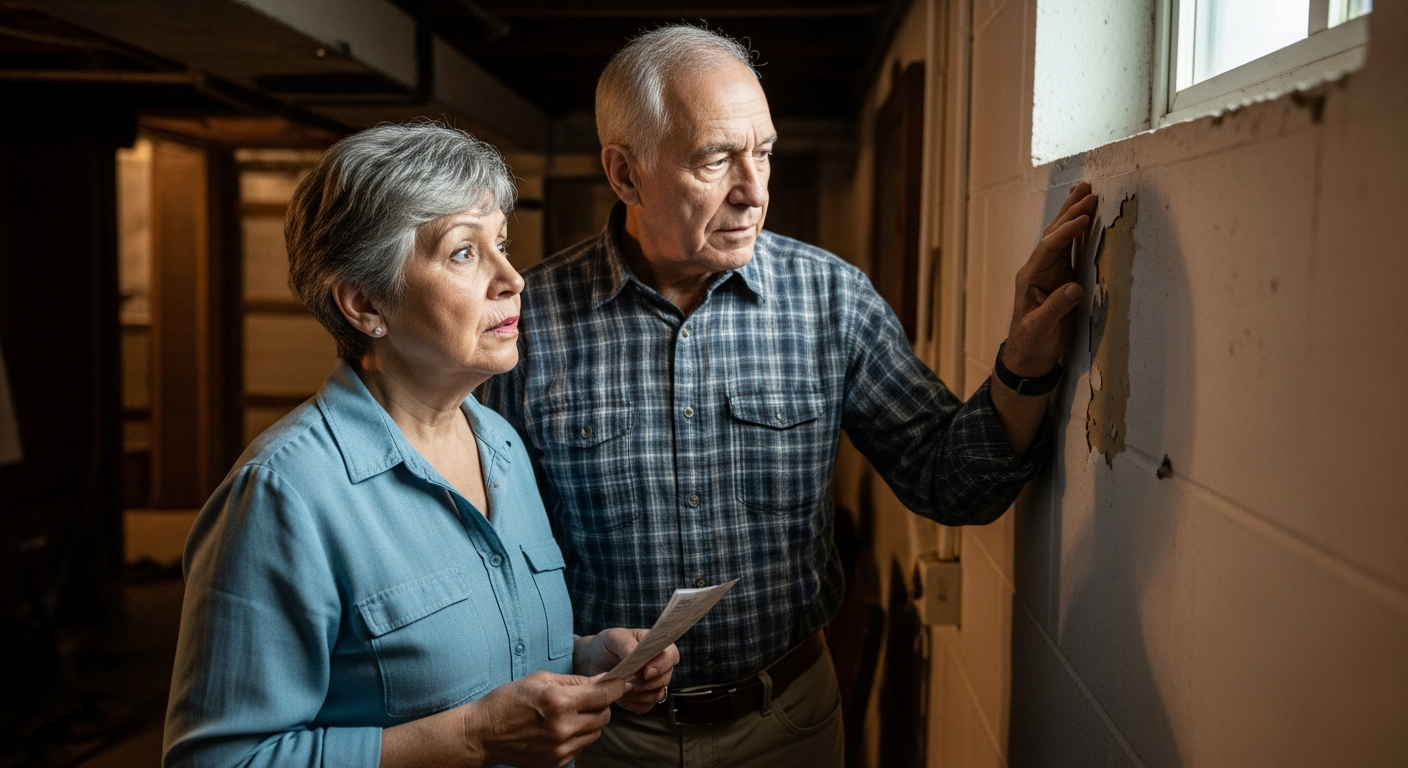
Your 1970s Ontario home has stood for 50+ years, but now you're noticing faint water stains in the basement, slightly bulging exterior plaster, and visible gaps in the original brick cladding—signs that your wall assembly has reached critical moisture saturation and needs emergency intervention. An external wall insulation retrofit costs $25,000–$60,000 but prevents $200,000+ in structural damage and locks in energy efficiency for your remaining years in the home.

What Is External Wall Insulation and Why Ontario Homes Need It
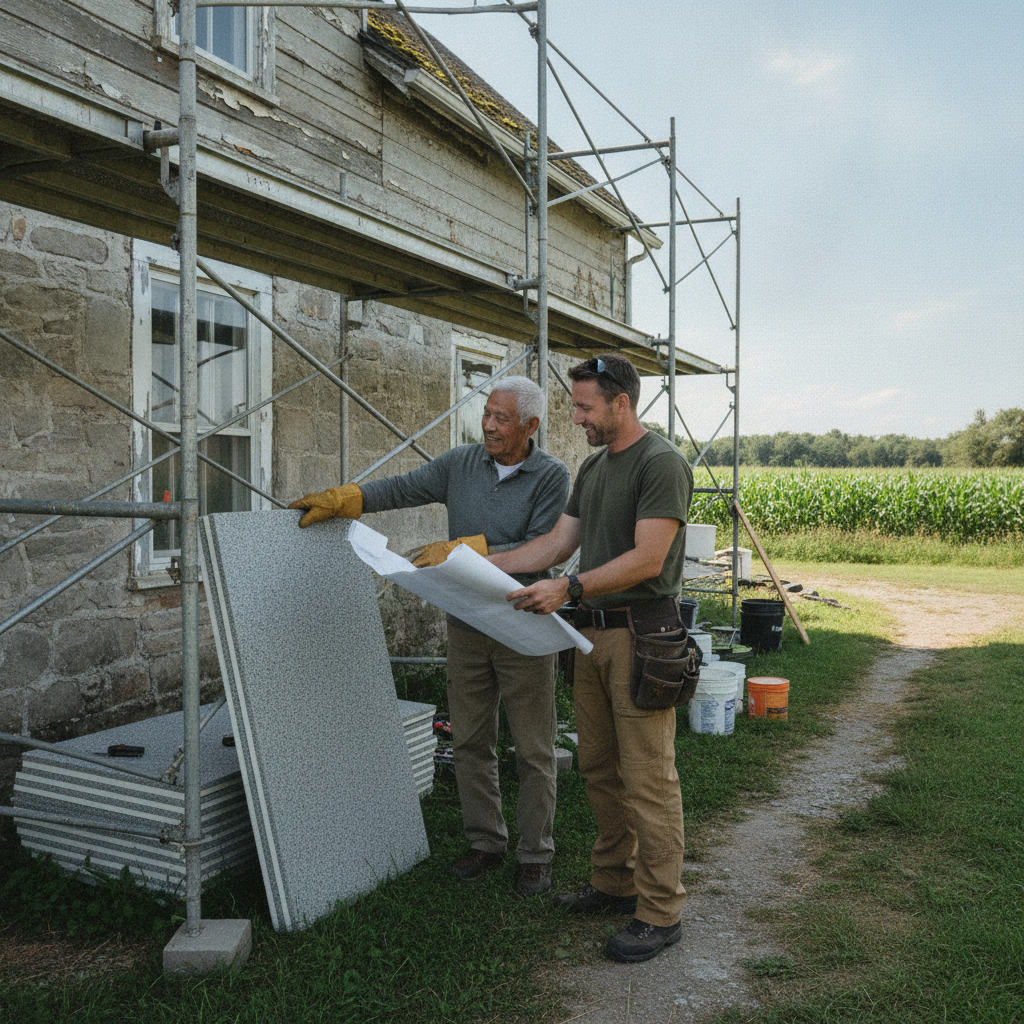
External wall insulation retrofit (EWI) is the process of installing a continuous thermal and moisture barrier to the exterior of your home's wall system, then re-cladding (re-siding) with weather-resistant materials like fiber cement board or metal siding. Unlike traditional cavity insulation (which only partially addresses moisture), EWI eliminates thermal bridging through concrete/brick and prevents ongoing water infiltration.
Ontario's climate—with freeze-thaw cycles (winter), summer humidity, and spring rain penetration—places enormous stress on 1960s–1980s-era homes. Original brick cladding often lacks moisture barriers; cavity insulation has settled; and original windows are single-glazed. The result: slow, relentless moisture migration into wall cavities, leading to mold, structural rot, and eventual foundation compromise.
According to the Canada Mortgage and Housing Corporation (CMHC), moisture-related wall failures cause structural damage to 15–22% of homes built before 1985 in Ontario. Early intervention with external wall insulation prevents 80%+ of those failures and extends home lifespan by 20–30 years.
Why Your Ontario Home Needs External Wall Insulation
| Warning Sign | Underlying Problem | EWI Solution |
|---|---|---|
| Water stains on interior walls/basement drywall | Water penetrating brick/mortar, flowing down inside cavity | Exterior barrier stops infiltration at source |
| Faint mold smell, especially in basement | Moisture accumulation in wall cavity creating microbial growth | Continuous moisture barrier dries wall over time |
| Visible cracks in exterior brick/mortar | Freeze-thaw damage weakening brick bond | New cladding protects from future weather exposure |
| High heating bills despite decent insulation | Thermal bridging through uninsulated brick | EWI eliminates thermal bridging, reduces energy 20–30% |
| Bulging exterior plaster/siding | Water saturated wall structure, expanding | Stop water, allow drying, stabilize structure |
| Visible gaps around original windows/doors | Settling and water infiltration paths | EWI properly flashes all openings, seals gaps |
Early-stage external wall insulation retrofit costs $25,000–$40,000 and preserves your home for 25+ additional years. Delayed intervention (allowing structural rot) costs $150,000–$300,000 in foundation repair, structural reinforcement, and mold remediation.
External Wall Insulation Retrofit Costs and Process
Typical EWI Project Timeline and Breakdown (Ontario, 2026)
| Phase | Duration | Typical Cost | Details |
|---|---|---|---|
| Engineering Assessment | 2 weeks | $1,500–$3,000 | Moisture testing, thermal imaging, structural evaluation |
| Permit & Design | 3–4 weeks | $800–$2,500 | Building permit, architectural drawings, municipal approval |
| Exterior Preparation | 1–2 weeks | $2,500–$5,000 | Remove old cladding, repair underlying structure, install air barrier |
| Insulation Installation | 2–3 weeks | $8,000–$15,000 | Install rigid foam or mineral wool (R20–R30), continuous coverage |
| New Cladding & Flashing | 3–4 weeks | $10,000–$20,000 | Fiber cement board, metal siding, new window frames, proper drainage |
| Final Inspection & Cleanup | 1 week | $500–$1,500 | Municipal inspection, landscaping restoration |
| Total Project Cost | 8–12 weeks | $23,300–$47,000 | Single-story home, ~1,500 sq ft |
Reverse Mortgage as the Funding Bridge for EWI
Scenario: Aging in Place, Aging Home
Situation: You're 72, own your home free and clear (valued at $485,000), and your engineer just identified wall moisture saturation requiring $32,000 in external wall insulation work within 12 months. Your CPP/OAS covers basic living costs, but a $32,000 home repair depletes your emergency reserves.
Reverse Mortgage Solution:
- Access $40,000 through a reverse mortgage (maintaining $150,000+ in available equity)
- Fund the complete EWI retrofit ($32,000)
- Retain $8,000 emergency buffer for post-retrofit adjustments
- No monthly payments required; interest accrues
- Your home is protected for 25+ additional years; you remain in place
Costs at Age 80 (8 Years Post-Retrofit):
- Initial Reverse Mortgage: $40,000
- Accrued Interest (6.5% fixed): $21,200
- Total Owed: $61,200
- Your Home Value (conservative 2% annual appreciation): $570,000
- Net Home Equity After RM: $508,800 (88% of home value)
The reverse mortgage cost is minimal relative to the structural protection gained. Without the EWI retrofit, moisture damage would reduce your home's value by $50,000–$100,000 within 5 years.
Energy Efficiency Gains From External Wall Insulation
External wall insulation isn't just about moisture—it's a dramatic energy efficiency upgrade for aging homes.
| Home Component | Before EWI | After EWI | Energy Savings | Cost-Payback |
|---|---|---|---|---|
| Thermal Bridging Through Brick | 35–45% of heat loss | 5–10% of heat loss | 25–35% reduction | 8–12 years |
| Window Performance (with new thermal frames) | U-value 2.0–3.5 | U-value 0.20–0.28 | 40–50% reduction | 10–15 years |
| Overall Building Envelope | Combined losses 40–50% | Combined losses 15–20% | 30–40% total reduction | 9–14 years |
Example: A 1,500 sq ft Ontario home with $2,000/year in heating costs sees reductions to $1,200–$1,400/year post-EWI. Over 20 years, that's $12,000–$16,000 in saved energy costs—nearly 50% of your EWI retrofit expense.
Government Grants and Reverse Mortgage Combination
Ontario and federal programs provide retrofitting rebates that can reduce your net reverse mortgage need:
| Program | Grant Amount | Eligibility | Combines with RM? |
|---|---|---|---|
| Canada Greener Homes Grant | Up to $5,200 | Energy audit + retrofit | Yes—reduces RM amount needed |
| Ontario Home Energy Retrofit Rebate | Up to $6,000 | Specific insulation upgrades | Yes—funds paid directly to contractor |
| Federal Home Energy Audit Grant | Up to $600 | Pre-retrofit assessment | Yes—defrays engineering costs |
| Utility Company Rebates (Enbridge, etc.) | $500–$2,000 | Insulation improvements | Yes—additional program stacking |
With grants, your net EWI cost drops to $18,000–$28,000, and your reverse mortgage need drops proportionally. Many Ontario homeowners combine a $25,000 reverse mortgage with $6,000 in grants for complete EWI projects.
Key Takeaways
- External wall insulation prevents $200,000+ in structural damage from moisture infiltration in aging Ontario homes.
- EWI retrofits cost $25,000–$45,000 and protect homes for 25–30+ additional years of safe, comfortable aging in place.
- Reverse mortgages provide tax-free capital without monthly payments, ideal for major one-time home repairs.
- Energy savings offset 30–50% of retrofit costs over the home's remaining lifespan through reduced heating bills.
- Government grants (up to $11,000) reduce net reverse mortgage need, combining public and private funding for affordability.
Frequently Asked Questions
How do I know if my Ontario home needs external wall insulation?
Have a professional engineer or energy auditor perform thermal imaging and moisture testing. If your home was built before 1985 and shows any water stains, bulging cladding, or high heating bills, an assessment ($800–$1,500) is justified. Most Ontario contractors offer free in-person estimates once you've confirmed the scope with a professional assessment.
Can I do a partial EWI retrofit—just the side facing prevailing winds?
Not recommended. Moisture infiltration is unpredictable and often enters from multiple sides. Full-envelope EWI ensures uniform moisture protection and thermal performance. Partial retrofits create "cold spots" where moisture collects around untreated areas, potentially worsening problems. Budget for full-home coverage.
Will EWI affect my home's resale value?
Yes, positively. Homes with completed modern-envelope retrofits sell for 3–7% premiums in Ontario's market. Buyers value protection from future moisture damage and 20–30% energy savings. Your $30,000 EWI retrofit could add $15,000–$25,000 to home resale value—fully offsetting reverse mortgage costs.
How does a reverse mortgage affect EWI financing versus a traditional home renovation loan?
Reverse mortgages are superior for seniors aging in place. Traditional renovation loans require monthly payments (4–6% interest + principal + fees). Reverse mortgages require no payments, with interest accruing only on funds accessed. For a $30,000 retrofit, reverse mortgage interest costs ($2,000/year) are 40–50% lower than renovation loan payments ($4,500/year).
What if my home's contractor goes bankrupt mid-retrofit?
Use a licensed contractor bonded through WSIB and carry contractor's insurance. Many Ontario EWI contractors carry performance bonds protecting homeowners. Your reverse mortgage funds can be held in escrow by a third-party trustee, released only as work phases complete. Confirm this protection structure with HomeEquity Bank, Equitable Bank, or your RM lender before proceeding.
Will a reverse mortgage show up on my property title and affect future inheritance for my adult children?
Yes, the RM will appear on title—it's a registered second mortgage. However, it doesn't prevent inheritance. Your children inherit the home with the reverse mortgage in place. They can either repay it from estate assets or refinance it as a traditional mortgage (if they occupy the home). The RM lien is subordinate to the home's value; your net equity remains theirs after RM repayment.
Ready to protect your aging Ontario home with external wall insulation? Contact Rick Sekhon Reverse Mortgages to explore how much equity you can access for a complete EWI retrofit. Preserve your home's structural integrity, boost energy efficiency, and remain safely in place for decades to come.
Ready to Learn More?
Find out exactly how much you could unlock from your home — free and no obligation.
Related Articles
Reverse Mortgage for Aging in Place With Fibromyalgia: Home Modifications for Invisible Illness
Fund home modifications for aging with fibromyalgia. Reverse mortgage enables accessible design for pain management, energy conservation, and quality of life.
Read →Reverse Mortgage for Accessible Community Kitchen: Culinary Training and Aging in Place
Convert your home kitchen into an accessible commercial culinary training space. Reverse mortgage funds renovation while creating community impact.
Read →Reverse Mortgage When You Previously Gifted Home Down Payment to Adult Child: Reclaiming Equity for Aging in Place
Reverse mortgage strategy when aging in place after gifting down payment to adult child. Recover equity for home modifications and care.
Read →