
Reverse Mortgage for Catastrophic Flooding Protection in Ontario: Advanced Water Damage Prevention
Fund sump pump upgrades, foundation waterproofing, and flood-resistant modifications to protect your Ontario home from catastrophic water damage.
Ontario experienced 39 provincial weather emergencies between 2010 and 2024—flooding events that damaged or destroyed thousands of homes and displaced families for months. If your home sits in a flood-prone area or has a history of water intrusion, a single catastrophic event could cost $100,000–$500,000 in repairs. A reverse mortgage lets you invest $15,000–$35,000 in flood prevention now, protecting against losses you can't recover later.
Ontario's Flooding Crisis and Your Risk Profile
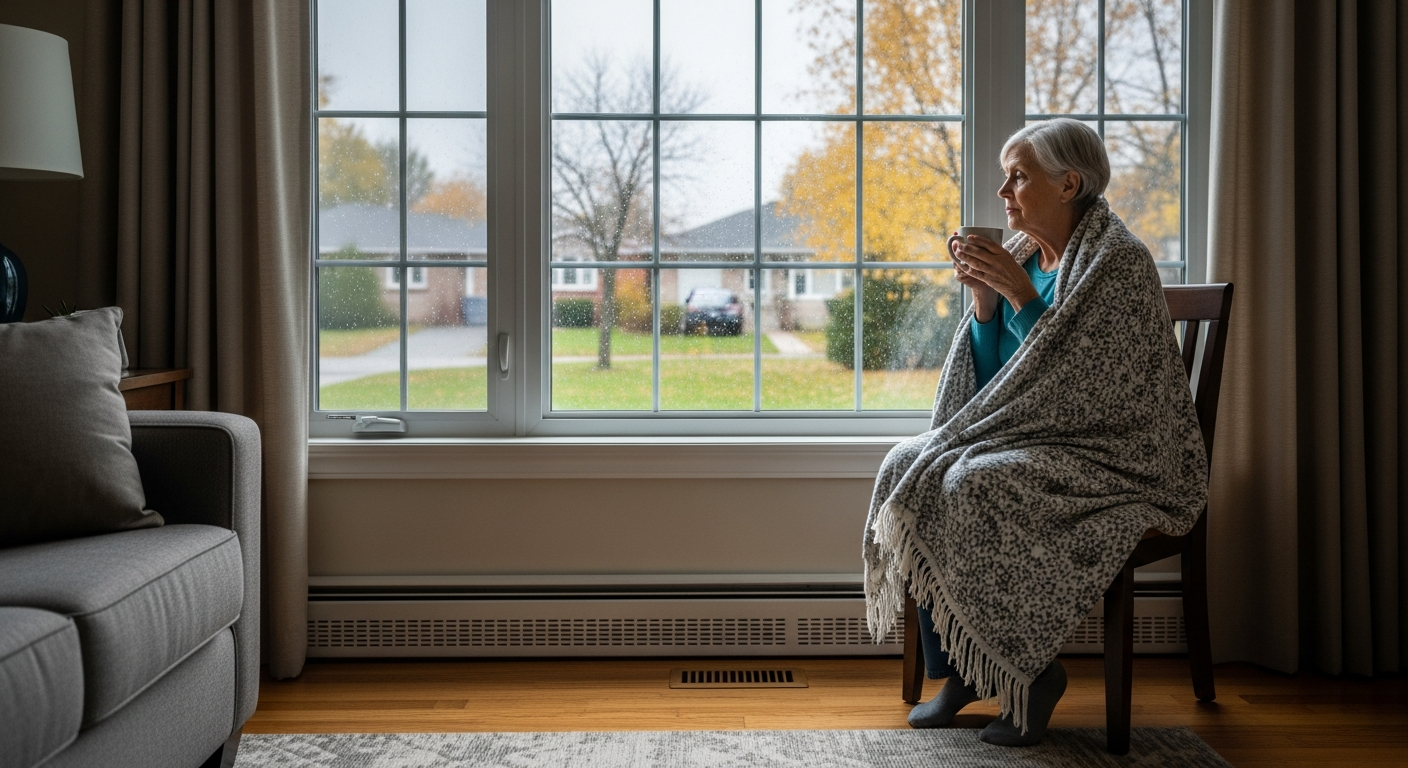
Flooding is Ontario's most frequent and costly natural disaster. Between 2015 and 2024, urban flooding caused $1.2 billion in insured losses—and uninsured damage exceeds that by 30–50%. Climate change is increasing both frequency and intensity: 100-year rain events now occur every 10–15 years in urban areas.
Your home's flood risk depends on:
- Proximity to rivers, creeks, or storm drains (urban areas especially vulnerable)
- Elevation relative to street level (homes below street grade flood first)
- Age and condition of municipal storm systems (many Ontario sewers date to 1960s; overloaded during heavy rain)
- Basement depth and drainage (finished basements below grade are highest risk)
- Sump pump reliability (many homes have 1980s-era pumps prone to failure)
According to the Insurance Bureau of Canada, sewer backup and water damage claims in Ontario have doubled every 5–7 years since 2010. Average claim costs: $35,000–$150,000 per event. Uninsured homeowners face complete loss.
Critical Flooding Protection Systems and Reverse Mortgage Funding
Sump Pump System Upgrades ($3,000–$8,000)
A sump pump is a small motorized pump that removes water from your basement sump pit, typically discharging to the foundation exterior or storm drain. Most Ontario homes built after 1990 have one; many built before 1980 do not.
The Problem: Original sump pumps often fail during the exact moment you need them—during power outages or heavy rain events when they're running continuously.
The Solution: A dual-pump system with battery backup.
| Sump Pump Upgrade | Cost | Flood Protection Benefit | Reverse Mortgage Fit |
|---|---|---|---|
| Single-pump replacement | $800–$1,200 | 40% risk reduction | Baseline |
| Dual-pump system (manual switchover) | $2,000–$3,200 | 65% risk reduction | Good |
| Dual-pump + battery backup system | $3,500–$5,500 | 90% risk reduction | Excellent |
| Dual-pump + battery + monitoring/alerts | $5,000–$8,000 | 95% risk reduction | Excellent |
A $6,000 investment in a dual-pump system with battery backup and remote monitoring can prevent $100,000+ in water damage if a flood event strikes during a power outage.
Foundation Waterproofing ($8,000–$25,000)
Interior waterproofing (adding a weeping tile and sump system inside the foundation) costs $8,000–$15,000 and is suitable for moderate water intrusion.
Exterior waterproofing (excavating around the foundation, installing exterior membrane, and grading swales) costs $15,000–$25,000 per side and is the gold standard for flood-prone areas.
Flood-Resistant Modifications ($5,000–$15,000)
| Modification | Cost | Purpose | Flood Protection |
|---|---|---|---|
| Basement egress window wells | $1,500–$3,000 | Emergency exit, light, ventilation | Moderate (life safety) |
| Flood vents in foundation walls | $800–$2,000 | Allow water to equalize pressure during flash floods | Moderate (prevents wall collapse) |
| Water-resistant drywall + epoxy flooring | $4,000–$8,000 | Allows quick drying post-flood | Moderate (faster recovery) |
| Raised HVAC/electrical systems | $2,000–$5,000 | Moves critical systems above flood level | High (operational continuity) |
| Backwater valve installation | $1,500–$2,500 | Prevents sewage backup up toilets/drains | High (sewer backup prevention) |
| Complete basement renovation with flood-resistant materials | $15,000–$35,000 | Total water-resilient design | Excellent (near-complete protection) |
Reverse Mortgage Scenario: Complete Flood Protection Investment
Situation: You're 68, live in a Toronto home (valued at $580,000) in a neighborhood that experienced sewer backup flooding in 2020, affecting 40+ homes. Your basement remains unfinished but vulnerable. You have $180,000 in home equity. Your home insurance premiums are rising 18–22% annually due to flood risk; you're now paying $3,500/year for basic coverage with a $10,000 deductible—and sewer backup/water damage carry $15,000 deductibles.
The Plan:
- Access $30,000 via reverse mortgage
- Install dual-pump sump system with battery backup: $6,500
- Add exterior waterproofing on the side facing the creek: $12,000
- Install backwater valve on main sewage line: $2,000
- Upgrade basement windows with flood vents and egress wells: $3,500
- Create a $6,000 contingency for additional damage found during work
- Total Investment: $30,000
10-Year Financial Impact:
| Cost/Benefit Category | Amount | Notes |
|---|---|---|
| Reverse Mortgage Interest (6.5% fixed) | $19,500 | 10-year accrued interest |
| Insurance Premium Reduction (avoided increases) | +$4,200 | 12% reduction in renewal costs |
| Sewer Backup Claim Avoided (probable, 1 event) | +$85,000 | Average sewer backup cost in Ontario |
| Flood Prevention Grants (potential) | +$3,500 | Ontario/federal resilience programs |
| Net 10-Year Benefit | +$73,200 | Cost of RM insurance avoided 2.4x over |
Insurance and Reverse Mortgage Interaction
Home Insurance Changes Post-Flood-Protection Retrofit
Once you complete flood protection improvements, immediately notify your home insurance provider. Documented upgrades (sump pump system, waterproofing, backwater valve) qualify for premium reductions of 10–25%, depending on your insurer.
Before: $3,500/year for standard coverage with high deductibles
After: $2,600–$3,000/year (after documented flood protection improvements)
Annual Savings: $500–$900
10-Year Savings: $5,000–$9,000
Critical Gap: Sewer Backup Coverage
Most Ontario homeowners don't realize their standard policy excludes sewer backup. You must purchase a rider ($200–$500/year) for protection. After flood-protection improvements, some insurers reduce sewer backup rider costs by 15–20%.
Government Programs and Reverse Mortgage Combination
Ontario and federal programs offer grants for flood resilience:
| Program | Grant Amount | Your Net Cost | Combined with RM |
|---|---|---|---|
| Ontario Resilience in Motion Grant | Up to $5,000 | Defrays 17% of retrofit cost | Yes—reduces RM need to $25,000 |
| Disaster Financial Assistance (post-event) | Up to $3,500 | Claims-based, retroactive | Yes—reimburses you post-claim |
| Green Infrastructure Grants | Up to $8,000 | Sump system/grading upgrades | Yes—significant co-funding opportunity |
| Total Available Public Funding | Up to $16,500 | Reduces private RM need | Excellent combined strategy |
Key Takeaways
- Catastrophic flooding costs $100,000–$500,000+ in Ontario; protection systems cost $15,000–$35,000.
- Reverse mortgages fund flood-prevention retrofits without monthly payments, ideal for one-time protection investments.
- Dual-pump sump systems, waterproofing, and backwater valves reduce flood damage risk by 85–95%.
- Insurance premium reductions ($500–$900/year) offset reverse mortgage interest costs over 10+ years.
- Government grants ($5,000–$8,000) can reduce net reverse mortgage need when combined with private funding.
Frequently Asked Questions
How do I know if my home is in a flood-prone area?
Check Ontario's Flood Forecasting and Warning System (FFWS) maps or your municipality's Flood Vulnerable Areas data. Many Toronto, Peel, and York Region homes are within 500 meters of creeks or flood plains. Insurance brokers can also assess your flood risk tier (0–4, with 4 being highest risk). If you're in tier 3 or 4, flood protection is urgent.
Can I get flood insurance if my home is high-risk?
Yes, but it's expensive. Standard home insurance excludes flood (external water above finished grade). You can purchase stand-alone flood insurance through private brokers or Pool program (insurer of last resort) at $2,000–$6,000/year for high-risk properties. A $30,000 reverse mortgage investment in flood protection pays for itself in 5–10 years of avoided insurance premiums.
Will backwater valve installation affect the resale value of my home?
No, it's a selling feature in flood-prone neighborhoods. Buyers in areas like Toronto's Don Valley or areas affected by 2013–2024 flooding specifically ask about backwater valves and sump systems. You may recoup 80–100% of the retrofit cost at resale, making it both protective and value-additive.
What's the difference between exterior and interior waterproofing?
Interior waterproofing ($8,000–$15,000) is less invasive but handles water after infiltration. Exterior waterproofing ($15,000–$25,000) stops water at the source. For flood-prone areas, exterior waterproofing is superior but requires excavation. Many Ontario homes use a combined approach: interior weeping tile for ongoing moisture + exterior membrane for catastrophic flood events.
If I have a reverse mortgage, can I still claim flood damage on my taxes or insurance?
Yes, absolutely. A reverse mortgage is a registered second mortgage; it doesn't affect your insurance claims or disaster assistance eligibility. If you experience a flood event post-retrofit, you can claim damages to your insurance company normally, and any uninsured losses may qualify for Ontario Disaster Relief Assistance.
Will a reverse mortgage increase my home insurance costs?
No. Home insurance is based on property risk, not mortgage type. Your insurer won't even know you have a reverse mortgage unless they inspect the property title (which they do only if needed for claims). The mortgage doesn't increase insurance premiums; it may actually decrease them if the retrofit improves home condition.
Ready to protect your Ontario home from catastrophic flooding? Contact Rick Sekhon Reverse Mortgages to explore how much home equity you can unlock for complete flood-resilience retrofits. Invest in protection now, avoid devastating losses later, and secure your ability to age in place safely for decades.
Ready to Learn More?
Find out exactly how much you could unlock from your home — free and no obligation.
Related Articles
Reverse Mortgage for Aging in Place With Fibromyalgia: Home Modifications for Invisible Illness
Fund home modifications for aging with fibromyalgia. Reverse mortgage enables accessible design for pain management, energy conservation, and quality of life.
Read →Reverse Mortgage for Accessible Community Kitchen: Culinary Training and Aging in Place
Convert your home kitchen into an accessible commercial culinary training space. Reverse mortgage funds renovation while creating community impact.
Read →Reverse Mortgage to Launch Home-Based Tax Prep and Retirement Planning Business
Fund your home-based tax and retirement planning practice with a reverse mortgage. Serve aging Canadians while accessing home equity in Ontario.
Read →