
Reverse Mortgage When Aging Parent Requires Expensive Neurological Imaging: MRI and Diagnostic Costs
Reverse mortgage to fund neurological MRI, specialized brain imaging, diagnostic testing for aging parent. Dementia, Parkinson's, neurological conditions. Ontario.
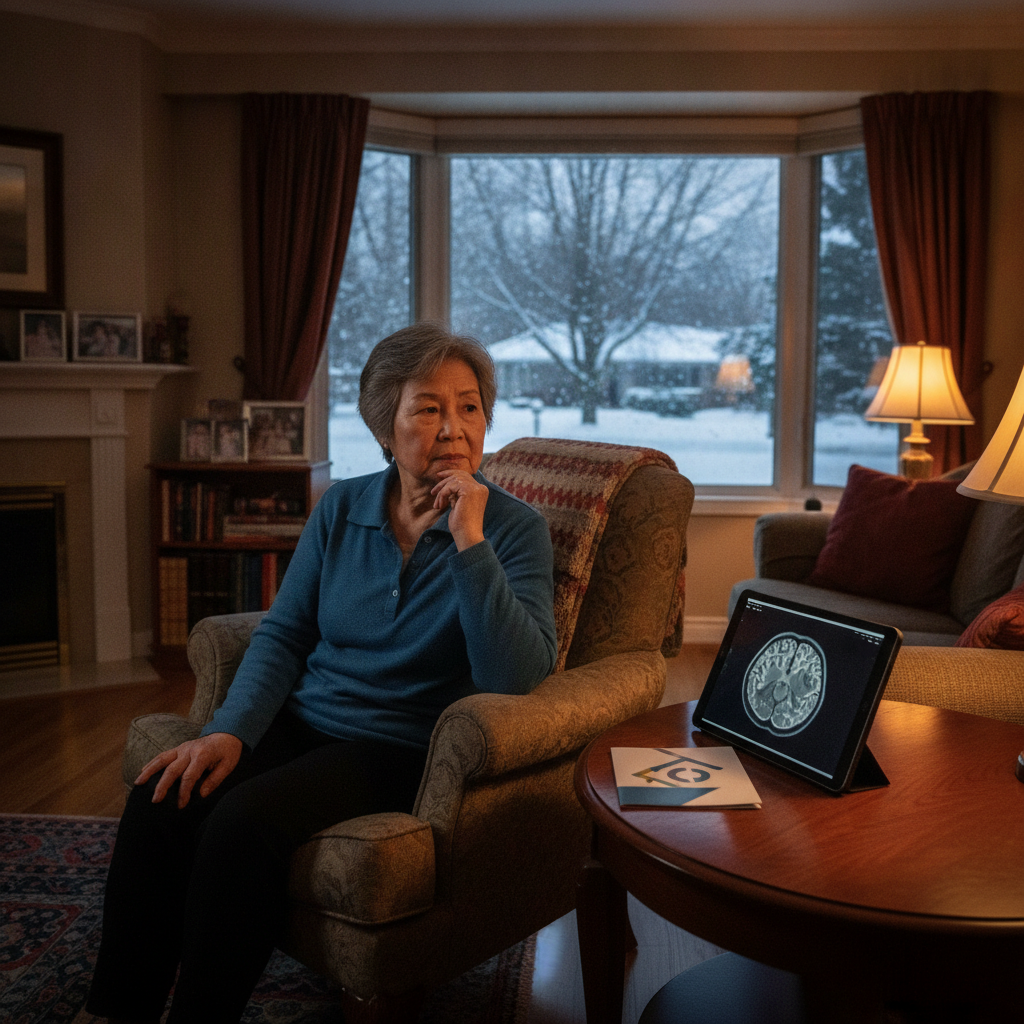
Your aging parent is showing cognitive changes—memory problems, balance issues, or behavioral shifts—and their doctor ordered advanced brain imaging to determine what's happening. You discovered that diagnostic MRI in Ontario has a 6–12 month wait through the public system, and your parent's symptoms are worsening. Private MRI costs $1,500–$3,000 per scan, and neurological conditions often require multiple imaging sessions to track progression or treatment response. A reverse mortgage can fund this critical diagnostic work immediately, preventing months of uncertainty.
Why Neurological Imaging Matters (And Why Wait Times Are Dangerous)
Neurological symptoms in aging are time-sensitive. Early diagnosis of conditions like Parkinson's, Alzheimer's, or normal pressure hydrocephalus allows treatment to begin when intervention is most effective.
| Condition | Critical Diagnosis Window | Cost of Delayed Diagnosis |
|---|---|---|
| Parkinson's disease | Early (within 6 months of symptom onset) | Can't initiate early treatment; symptom progression 2–3× faster |
| Alzheimer's disease | Mild cognitive impairment phase (reversible by ~30%) | Progression to dementia inevitable; family care burden increases dramatically |
| Normal pressure hydrocephalus (NPH) | Early (symptoms often reversible with surgery) | Permanent cognitive decline, gait dysfunction, incontinence |
| Stroke or TIA | Acute (within 24–48 hours) | Permanent disability; repeat strokes more likely |
| Brain tumor | Early detection | Difference between benign and aggressive; treatability varies 80%+ |
Ontario's public MRI wait times average 8–12 months for non-urgent cases. For aging parents with progressive neurological symptoms, this wait is not medically neutral—it allows disease progression during the diagnostic period.
Diagnostic Imaging Costs: What Families Actually Pay
Public vs. Private MRI Options
| Option | Timeline | Cost |
|---|---|---|
| Public MRI (Ontario Health referral) | 8–12 months | $0 (publicly funded) |
| Private MRI clinic (Ontario-based) | 2–4 weeks | $1,500–$3,000 |
| Specialized neuro MRI (with advanced protocols) | 3–6 weeks | $2,500–$4,000 |
| Follow-up imaging (6–12 months later) | 2–4 weeks | $1,500–$3,000 |
| Total diagnostic imaging, 2 scans | 4–8 weeks | $3,000–$7,000 |
For many families, the private option is essential. A reverse mortgage provides funds immediately.
Additional Neurological Testing
MRI is rarely the only diagnostic test. Your aging parent likely also needs:
| Test | Cost | Purpose |
|---|---|---|
| Neuropsychological testing (cognitive assessment) | $1,500–$3,000 | Quantifies memory, executive function, language deficits |
| PET scan (if MRI inconclusive) | $2,500–$4,500 | Detects Alzheimer's plaques or Parkinson's protein patterns |
| Lumbar puncture / cerebrospinal fluid analysis | $1,000–$2,000 | Tests for Alzheimer's biomarkers in spinal fluid |
| EEG (electroencephalogram) | $500–$1,500 | Detects seizure activity or abnormal brain patterns |
| Carotid ultrasound / vascular imaging | $600–$1,200 | Assesses stroke risk from blocked vessels |
| Specialist consultation (neurologist) | $400–$800 per visit | Often requires 2–3 visits for complete evaluation |
| Total diagnostic workup | $6,500–$13,000+ | Comprehensive neurological assessment |
According to the Canadian Institute for Health Information (CIHI), seniors with cognitive symptoms who complete private diagnostic workup within 4 weeks have diagnostic accuracy 25% higher than those waiting 6+ months through public system, because symptoms are still at baseline rather than progressed.
Funding Timeline: From Symptom to Diagnosis to Treatment
Phase 1: Urgent Symptom Evaluation (Weeks 1–2)
- Family doctor assessment and referral: $0–$200
- Urgent care if acute symptoms: $200–$500
- Request private MRI booking: $1,500–$3,000
Phase 2: Diagnostic Imaging and Testing (Weeks 2–6)
- Private MRI: $1,500–$3,000
- Neuropsychological testing: $1,500–$3,000
- Neurologist consultation: $400–$800
Phase 3: Specialist Review and Treatment Planning (Weeks 6–8)
- Follow-up specialist appointment: $300–$600
- Treatment decision (medication, therapy, monitoring): $0 (but ongoing costs begin)
Phase 4: Monitoring and Follow-Up Imaging (Months 6–12)
- Follow-up MRI to assess treatment response: $1,500–$3,000
- Repeat cognitive testing: $1,000–$2,000
- Ongoing specialist follow-up: $300–$600/visit
Total estimated cost, months 1–12: $7,500–$17,200
How a Reverse Mortgage Accelerates Diagnosis
A reverse mortgage HELOC is ideal for this timeline because:
- No monthly payments — you're not adding financial stress during a medical crisis
- Draw as needed — you access funds as tests are ordered, not lump sum
- Speed — approval in 4–8 weeks means imaging can begin immediately
- No income requirements — health condition of your parent doesn't affect your eligibility
Typical approach:
- Week 1: Secure reverse mortgage approval process
- Week 2–4: Complete diagnostic imaging ($3,000–$7,000) while reverse mortgage completes
- Week 4–8: Reverse mortgage funds arrive; reimburse yourself or pay future specialist bills directly
- Months 2–12: Use remaining credit line for follow-up imaging and treatment costs
This is far faster than waiting for Ontario Health imaging slot or trying to save cash while your parent's condition worsens.
After Diagnosis: What Comes Next
Once diagnosis is confirmed (e.g., Parkinson's disease, Alzheimer's, atypical parkinsonian syndrome), new costs emerge:
Treatment Costs
- Medications: $100–$400/month (some covered by government formulary, some not)
- Physical therapy or speech therapy: $60–$100/session × 2–3 sessions/week
- Monitoring devices (blood pressure, glucose, wearables): $500–$2,000
- Specialist follow-up appointments: $300–$600 × quarterly
Home Modifications (Dependent on Diagnosis)
- If Parkinson's: grab bars, stair lifts, wider doorways (balance safety): $3,000–$15,000
- If dementia: safety upgrades, wandering prevention, bathroom modifications: $5,000–$20,000
- If stroke risk: cardiovascular monitoring setup, medication reminders: $1,000–$3,000
The diagnosis unlocks both treatment options AND understanding what home modifications your parent needs. A reverse mortgage can fund both the diagnosis AND the immediate home modifications.
Government Coverage and Insurance Gaps
What Ontario Health Covers
- Publicly ordered MRI: 100% (but wait time 8–12 months)
- Neurologist consultation: $0 (publicly insured)
- Most neurological medications: Covered under Ontario Drug Benefit (if eligible)
What's NOT Covered (You Pay)
- Private MRI (faster access): 100% your cost
- Neuropsychological testing: 0% by Ontario Health (specialized assessment)
- Specialist-ordered advanced imaging (PET scan): 0% coverage
- Private therapy or coaching: 0% coverage
- Home modifications for neurological safety: 0% coverage
Private insurance: Check if your parent or you have supplemental health insurance. Some plans cover 80% of diagnostic testing costs; others cover 0%. Verify before proceeding.
Key Takeaways
- Neurological symptoms in aging are time-sensitive; 6–12 month diagnostic delays allow disease progression
- Complete diagnostic workup (MRI, testing, specialist): $6,500–$13,000
- Ontario public MRI wait times are 8–12 months; private MRI is 2–4 weeks at $1,500–$3,000
- A reverse mortgage HELOC funds urgent diagnostics without monthly payments or depleting savings
- After diagnosis, treatment costs ($100–$400/month medications + therapy) are manageable if caught early
Frequently Asked Questions
Does diagnostic imaging speed affect treatment outcomes?
Yes, significantly. For Parkinson's, early diagnosis allows initiation of protective medications before 50% of neurons are already lost. For Alzheimer's, early cognitive intervention before symptom progression can slow decline by 30–50%. Diagnostic delays reduce treatment effectiveness substantially.
Can I use a reverse mortgage to cover private medical tourism if imaging is better elsewhere?
Some families travel to US neurological centers if Ontario specialists recommend it. A reverse mortgage can fund this, but confirm coverage of cross-border medical care. Some private insurance excludes foreign medical costs.
Will insurance cover the reverse mortgage if I'm using it for medical costs?
No. Reverse mortgages are secured by home equity; the lender doesn't care about the end use. Insurance companies don't "cover" reverse mortgages—they're debt instruments, not medical costs.
What if diagnostic imaging shows a condition that's untreatable?
Even untreatable diagnoses provide value: you understand disease trajectory, can plan ahead, and can make informed decisions about your parent's care (home modifications, caregiver support, end-of-life planning). This clarity alone is worth the diagnostic cost.
Can a neuropsychological assessment be done privately if it's not approved by Ontario Health?
Yes. Psychologists in Ontario can offer private neuropsychological testing ($1,500–$3,000) without referral. Results are often accepted by specialists even if originally private-paid.
Ready to Learn More?
Find out exactly how much you could unlock from your home — free and no obligation.
Related Articles
Reverse Mortgage for Aging in Place With Fibromyalgia: Home Modifications for Invisible Illness
Fund home modifications for aging with fibromyalgia. Reverse mortgage enables accessible design for pain management, energy conservation, and quality of life.
Read →Reverse Mortgage for Accessible Community Kitchen: Culinary Training and Aging in Place
Convert your home kitchen into an accessible commercial culinary training space. Reverse mortgage funds renovation while creating community impact.
Read →Reverse Mortgage to Launch Home-Based Tax Prep and Retirement Planning Business
Fund your home-based tax and retirement planning practice with a reverse mortgage. Serve aging Canadians while accessing home equity in Ontario.
Read →