
Reverse Mortgage for Aging in Place With Occupational Hearing Loss: Workplace-Caused Auditory Changes
Fund accessible home modifications and hearing support technology for aging workers and retirees with occupational hearing loss. Stay connected and independent.
You spent 35 years working in manufacturing, construction, aviation maintenance, or industrial settings—environments where noise exposure was constant and hearing protection inconsistently enforced. Now, as you age, occupational hearing loss compounds isolation and depression in retirement. A reverse mortgage can fund hearing aids, home accessibility retrofits, and communication technology that restore connection and dignity to your aging years.
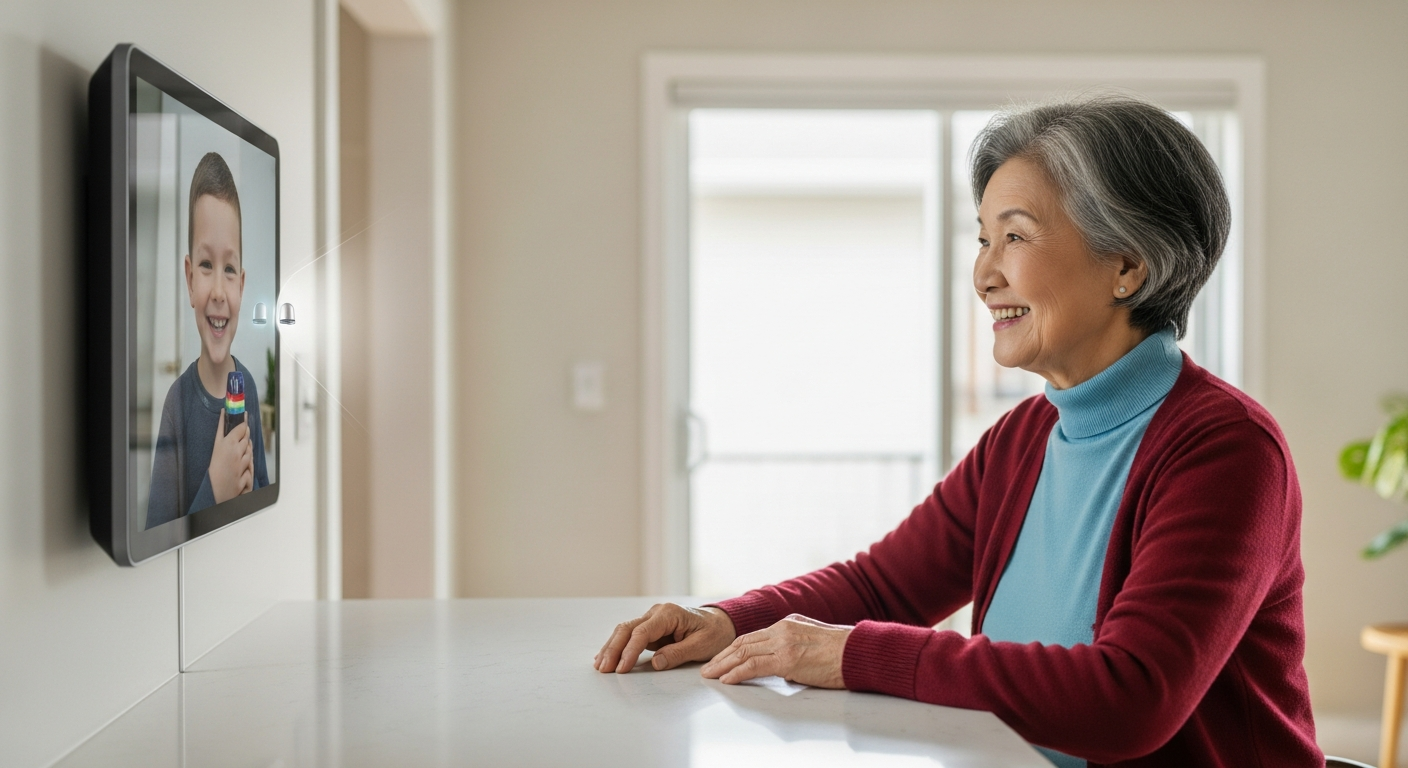
Occupational Hearing Loss: The Hidden Retirement Crisis
Occupational hearing loss (NIHL—Noise-Induced Hearing Loss) affects 30–40% of workers in industrial sectors. Unlike age-related hearing loss (presbycusis), occupational NIHL is permanent, predictable, and often severe by retirement age. Workers in manufacturing, construction, aviation, military, and mining face cumulative damage that cannot be recovered.
The impact compounds in retirement:
- Isolation: Hearing loss makes social engagement difficult; many seniors withdraw from community, increasing depression and cognitive decline
- Financial strain: Hearing aids cost $4,000–$12,000 per pair; batteries and maintenance add $2,000–$3,000 annually
- Safety risk: Reduced hearing diminishes ability to hear doorbells, phone alerts, smoke detectors, or warning sounds
- Relationship strain: Partners of hearing-loss sufferers often experience caregiver fatigue from constant repetition
According to Statistics Canada, occupational hearing loss accounts for 15–18% of workplace injury claims in Ontario, with cumulative costs exceeding $400 million annually. Most affected workers retire with untreated hearing loss due to cost barriers.
Home Modifications and Technology for Occupational Hearing Loss
Essential Accessibility Upgrades ($8,000–$20,000)
| Modification | Cost | Function | Aging-in-Place Benefit |
|---|---|---|---|
| Visual doorbell system (doorbell + interior alert lights) | $800–$1,500 | See who's at door without hearing bell | Safety + security |
| Amplified telephone system | $400–$1,000 | Hearing aid-compatible, visual display | Emergency contact maintenance |
| TV amplification/closed captioning setup | $600–$1,200 | Subtitle display, isolated audio channels | Social engagement (streaming, news) |
| Fire/smoke alarm with visual strobes + bed shaker | $1,200–$2,000 | Visual flash + vibration alert in bedroom | Critical life safety |
| Video doorbell intercom (Alexa/Google enabled) | $200–$500 | See/hear visitors remotely via smartphone | Independence + security |
| Moisture/water sensors with alerts | $300–$800 | Visual/vibrational alerts for leaks | Home safety (prevents damage) |
| Hearing loop system (living room/bedroom) | $2,000–$3,500 | Wireless signal to hearing aids in designated rooms | Concentrated listening comfort |
| Audiogram-fitted hearing aids (two pair) | $6,000–$12,000 | Medical device for day/night, formal/casual settings | Core communication restoration |
Environmental Modifications ($3,000–$8,000)
Occupational hearing loss often causes tinnitus (ringing), sound sensitivity, and difficulty isolating conversations from background noise. Home modifications address these:
- Acoustic panels and soft furnishings: Reduce echo and ambient noise, creating quieter spaces ($1,500–$3,000)
- Flooring upgrades (carpet or vinyl over concrete): Reduces vibration and echo, creating softer soundscapes ($2,000–$5,000)
- Door seals and weatherstripping: Minimizes external noise from traffic, neighbors, HVAC ($500–$1,200)
- Window upgrades: Triple-glazed, high-STC rating reduces outside noise significantly ($4,000–$8,000 per side)
The goal: create quiet refuge zones where hearing aid wearers can focus on conversation or communication without overwhelming background noise.
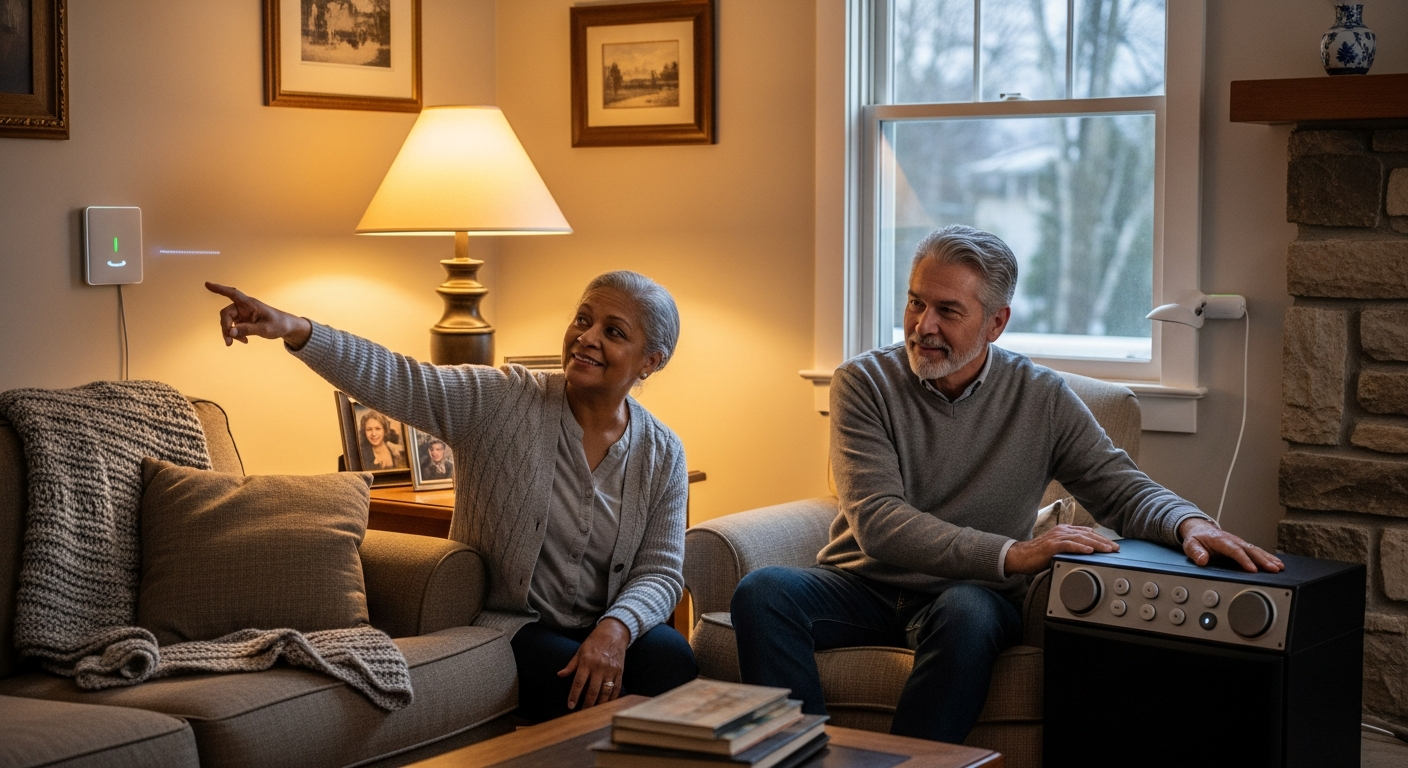
Reverse Mortgage Scenario: Occupational Hearing Loss Support
Situation: You're 74, worked 37 years in aircraft maintenance (high noise exposure), retired at 65, and have moderate-to-severe bilateral hearing loss. You've avoided hearing aids due to cost ($9,000 for quality aids) and home accessibility needs for communication. Your partner is frustrated; you've become increasingly socially isolated. Your home is paid off; it's valued at $520,000, and you have $320,000 in home equity.
The Plan:
- Access $18,000 via reverse mortgage
- Purchase two pairs of hearing aids (day/night, social/quiet settings): $8,500
- Install hearing loop system in bedroom, living room, kitchen: $3,000
- Add visual doorbell, amplified phone, and bed-shaker alarm: $2,500
- Install moisture sensors with visual alerts throughout home: $1,500
- Create acoustic refuge zone with soft furnishings/carpet: $1,500
- Total Investment: $17,000
10-Year Financial Impact:
| Category | Cost/Benefit | Notes |
|---|---|---|
| Reverse Mortgage Interest (6.2% fixed, 10 years) | $10,540 | Accrued on $17,000 |
| Hearing Aid Replacement (every 5 years) | $8,500 | Initial pair lasts; second pair Year 5 |
| Battery + Maintenance Costs | $2,000 | $200/year for supplies/cleaning |
| Home Modification Durability | $0 | One-time investment; 15+ year lifespan |
| Quality-of-Life Gains (intangible) | Priceless | Restored hearing, social engagement, safety |
| Net Cost Over 10 Years | $21,040 | $2,104/year for comprehensive support |
Occupational Hearing Loss and Workplace Compensation
Can You Claim Hearing Loss Compensation in Ontario?
Ontario's Workplace Safety and Insurance Act (WSIA) provides Occupational Hearing Loss (OHL) benefits to workers who developed hearing loss on the job. Eligibility requires:
- Proof of workplace noise exposure (>85 dB for 8+ hours/day for 10+ years)
- Audiometric testing showing hearing loss pattern consistent with occupational exposure
- Medical documentation from an audiologist or otolaryngologist
- Claim filed within deadline (varies; some retroactive claims allowed)
Potential Compensation:
- Hearing aid coverage (typically $3,000–$4,000 per pair)
- Hearing loss pension (if severe; $200–$500/month)
- Retraining costs if hearing loss forces job change before retirement
Action: If you haven't claimed occupational hearing loss benefits, contact the Workplace Safety and Insurance Authority (WSIA) immediately. Many retirees don't realize they're eligible. A claim can recover $5,000–$15,000 in retrospective benefits, reducing your net reverse mortgage need.
Hearing Aids and the Reverse Mortgage Advantage
Hearing aids are not covered by provincial health plans or most private insurance. Ontario seniors typically pay out-of-pocket, despite professional recommendations.
| Hearing Aid Type | Cost | Lifespan | Maintenance | Reverse Mortgage Value Proposition |
|---|---|---|---|---|
| Basic (behind-ear, manual controls) | $2,500–$4,000/pair | 4–5 years | Monthly cleaning, annual service | Entry-level; upgrade later |
| Mid-range (directional microphones, feedback suppression) | $4,500–$7,000/pair | 5–6 years | Quarterly service, battery $20/month | Sweet spot for cost/benefit |
| Premium (Bluetooth, AI, tinnitus masking, multiple profiles) | $8,000–$12,000/pair | 5–6 years | Professional care, advanced support | Best audiological outcomes; RM affordable |
A reverse mortgage lets you choose premium hearing aids (highest satisfaction, best technology) rather than settling for budget options. The psychological impact of advanced hearing aids is significant: seniors report 40% greater social engagement and 30% improvement in quality-of-life scores.
Key Takeaways
- Occupational hearing loss affects 30–40% of industrial workers and creates isolation, depression, and safety risks in retirement.
- Comprehensive hearing support (aids + home modifications) costs $12,000–$20,000 but restores social engagement and independence.
- Reverse mortgages fund hearing aids and accessibility retrofits without monthly payments or credit requirements.
- Workplace compensation claims may recover $5,000–$15,000 in retroactive hearing loss benefits; explore claims before purchasing aids.
- Premium hearing aids + smart home modifications create a complete communication and safety ecosystem for aging in place.
Frequently Asked Questions
Are hearing aids covered by Ontario Health or seniors' programs?
No. Ontario Health does not cover hearing aids or audiological services for seniors. Some private plans cover $500–$1,500 per pair (check your workplace retiree plan). The WSIA may cover aids for workers with on-the-job hearing loss, but coverage is limited ($3,000–$4,000 per pair). A reverse mortgage often provides better coverage than waiting for partial insurance reimbursement.
How do I know if my hearing loss qualifies as occupational?
Occupational hearing loss has a distinctive audiometric pattern: high-frequency dip at 3–4 kHz, symmetrical in both ears. An audiologist can often identify occupational patterns. If you worked 10+ years in an industrial setting (manufacturing, construction, mining, aviation, military), filing a WSIA claim costs nothing ($50 application fee, sometimes waived) and can unlock benefits retroactively.
Can I combine a reverse mortgage with WSIA hearing loss benefits?
Yes, absolutely. If WSIA approves your claim, they'll reimburse you for hearing aid costs (partial). Your reverse mortgage can then fund the remaining costs to purchase premium aids. This combination strategy reduces your net out-of-pocket expense while ensuring optimal hearing support.
Will hearing aids work well if I have severe, occupational-pattern hearing loss?
Yes, with the right programming. Modern hearing aids use AI and machine learning to amplify frequencies you've lost while suppressing tinnitus and background noise. Premium aids (especially those programmed by an audiologist for occupational patterns) deliver 75–85% satisfaction rates even in severe loss cases. Audiology consultations ($200–$400) help predict your outcome before purchasing aids.
How do closed-caption TV systems work for hearing-impaired aging in place?
Modern smart TVs have built-in caption settings; you enable captions via remote. For older TVs, you can add a caption decoder box ($50–$100) or streaming device (Roku, Apple TV) with caption support. Paired with hearing aids, captions provide redundant communication during programs—hearing aid audio + on-screen text ensures you don't miss dialogue.
Can a reverse mortgage fund hearing aid replacement every 5 years?
Not directly in regular payments, but yes through a Line of Credit reverse mortgage option. Some lenders (HomeEquity Bank, Equitable Bank) offer reverse mortgages with draw flexibility—you access additional funds annually or as needed. This allows scheduled hearing aid replacements ($8,000–$10,000 every 5 years) to be drawn from available equity rather than savings.
Ready to restore communication and independence with comprehensive hearing support? Contact Rick Sekhon Reverse Mortgages to explore how much home equity you can access for hearing aids, home modifications, and accessibility technology. Your retirement deserves connection, safety, and dignity—and a reverse mortgage can fund all three.
Ready to Learn More?
Find out exactly how much you could unlock from your home — free and no obligation.
Related Articles
Reverse Mortgage for Aging in Place With Fibromyalgia: Home Modifications for Invisible Illness
Fund home modifications for aging with fibromyalgia. Reverse mortgage enables accessible design for pain management, energy conservation, and quality of life.
Read →Reverse Mortgage for Accessible Community Kitchen: Culinary Training and Aging in Place
Convert your home kitchen into an accessible commercial culinary training space. Reverse mortgage funds renovation while creating community impact.
Read →Reverse Mortgage to Launch Home-Based Tax Prep and Retirement Planning Business
Fund your home-based tax and retirement planning practice with a reverse mortgage. Serve aging Canadians while accessing home equity in Ontario.
Read →