
When Your Adult Child Must Choose: Aging Parent Care vs Spouse and Family Obligations
Managing the impossible choice: supporting aging parents while protecting your marriage. Reverse mortgage solutions for family caregiving conflicts in Ontario.
Your adult child is torn between two families — and someone always feels neglected. This isn't just an emotional dilemma; it's a financial crisis that forces impossible choices about where every dollar goes. A reverse mortgage can be the bridge that lets your child support you without sacrificing their marriage.
The Impossible Choice: When Caregiving Threatens Marriage
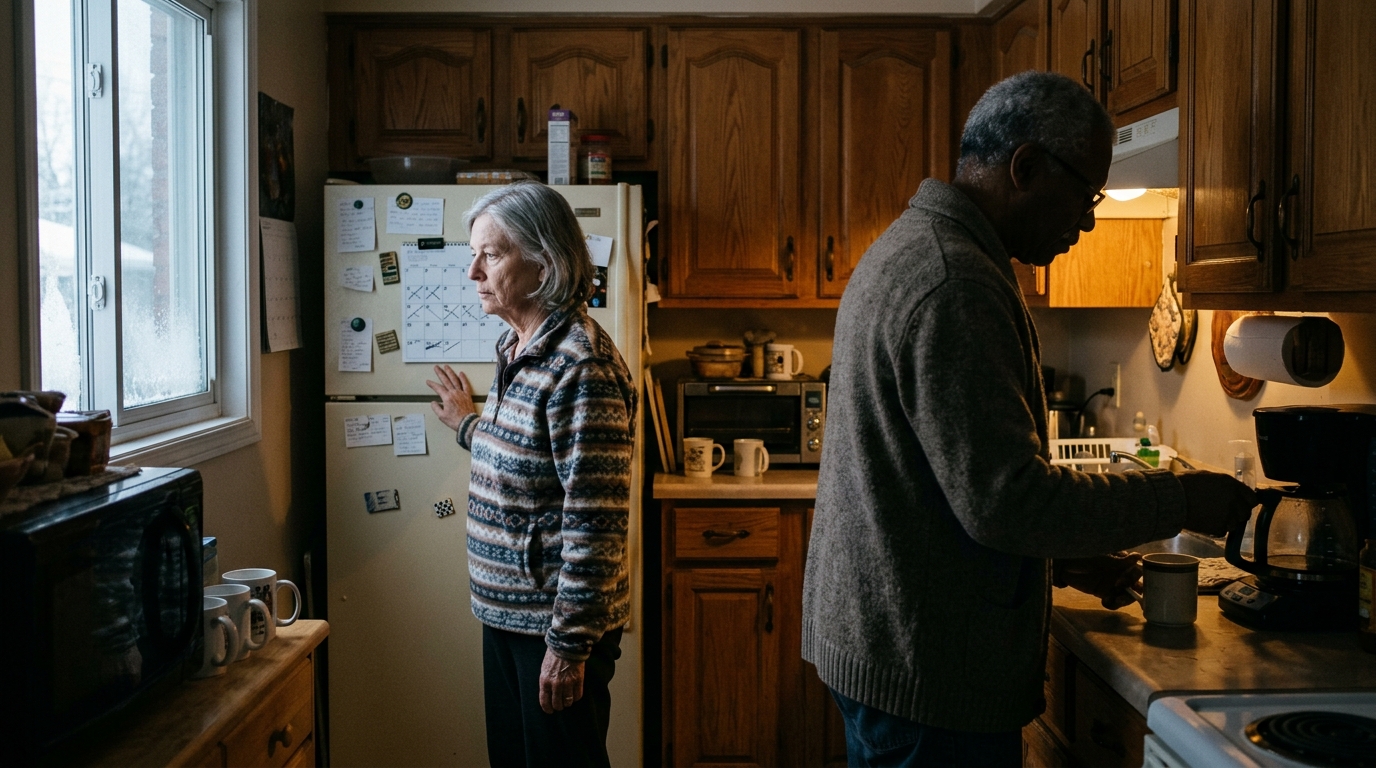
When your adult child becomes your primary caregiver, they're not just managing your health and home — they're managing the resentment of a spouse who feels abandoned, the pressure of their own children who want parent time, and the guilt of not doing enough for anyone. Studies show that caregiving strain is one of the leading causes of marital breakdown in North America, right alongside financial stress.
The problem: Your child earns $75,000 annually. You need $2,000/month in personal support (household help, meal prep, transportation). They can't afford both the caregiver costs and mortgage on their own family home. Their spouse is angry. Divorce lawyers are being consulted.
The solution: A reverse mortgage on your home can generate that $2,000/month without your adult child having to choose between you and their own family's financial stability.
Understanding the Caregiving-Marriage Crisis
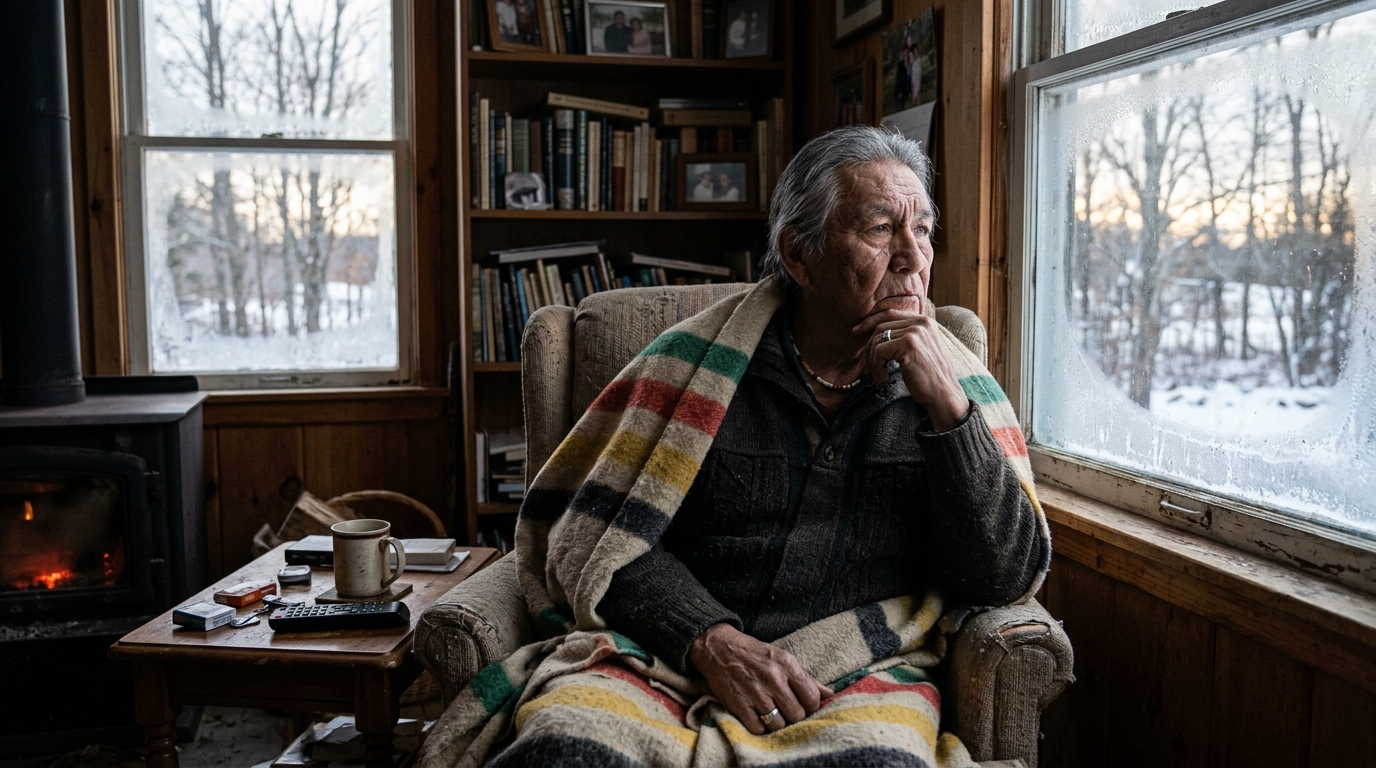
When adult children become full-time caregivers, they typically lose 20–40% of their earning capacity. They miss promotions, skip training opportunities, reduce hours. Meanwhile, their spouse is managing household duties, childcare, and resentment about an aging parent living with them or requiring endless attention.
According to FCAC research, 23% of Canadian caregivers report significant marital stress, and 19% cite caregiving costs as a primary source of household conflict. When both financial and emotional burdens fall on one adult child, the marriage often buckles.
A reverse mortgage doesn't replace your child's sacrifice — but it can relieve the financial component, which often amplifies all the emotional friction.
Why This Matters More Than It Sounds
Your adult child's marriage isn't a "luxury" problem you should ignore out of pride. Their divorce would mean:
- Loss of your grandchildren's access to your home
- Your child's resources diverted to legal battles instead of your care
- Family fracture that creates lasting resentment
- Potential forced sale of your home anyway (if adult child loses housing stability)
The reverse mortgage protects everyone: your aging needs, your child's marriage, your grandchildren's family stability.
How Much Can a Reverse Mortgage Generate for Caregiving Support?
The amount depends on your home value, age, and available equity. Here's what typical Ontario homeowners can access:
| Age | Home Value | Estimated HELOC | RM Monthly Income (Est.) | Best Use |
|---|---|---|---|---|
| 62 | $450K | $20–40K | $400–750 | Partial caregiver costs |
| 70 | $550K | $45–80K | $900–1,500 | Full-time caregiver salary |
| 75 | $600K | $80–120K | $1,500–2,200 | Full caregiver + modifications |
The monthly income column shows what a line-of-credit reverse mortgage could provide if used strategically (not to deplete equity recklessly, but as a predictable income stream).
Key Takeaways
- A reverse mortgage can generate $800–$2,500/month without your adult child sacrificing their marriage or career
- This income does NOT count toward government benefits like OAS or GIS (confirmed by CRA rules)
- Unlike a HELOC, a reverse mortgage doesn't require your adult child to co-sign or qualify
- You remain in your home; no forced sale or relocation needed
- Your child's spouse gains financial predictability, reducing a major source of marital conflict
The Real Impact: A Case Study
Maria, 74, Toronto
Maria has $580K home equity. Her adult daughter, Jennifer, was her primary caregiver after Maria's stroke. Jennifer's husband, Marcus, resented the constant intrusions: late-night medical emergencies, Maria's home health aide appointments eating into couple time, the $1,800/month caregiver costs depleting their renovations fund.
Jennifer and Marcus nearly divorced. Jennifer felt guilty; Marcus felt invisible.
The solution: A reverse mortgage generating $1,500/month in predictable income. Suddenly, Jennifer didn't have to lobby Marcus for budget approval — the money came from Maria's equity. Marcus saw his wife less stressed. Their marriage stabilized. Jennifer could actually be present as a daughter instead of just a financial negotiator.
Cost to Maria: Reverse mortgage at 5.2% (2026 rates), $1,500/month draw. Over 10 years, interest compounds to roughly $38K in total owed. But Maria's home appreciation typically covers that, and her daughter's marriage stayed intact.
Questions to Ask Before a Reverse Mortgage
Before proceeding, clarify with your adult child:
- Is the marriage relationship worth protecting? (Blunt, but necessary. If divorce is already decided, a reverse mortgage won't fix it.)
- What specific amount would ease the spouse's resentment? ($1K/month to cover a caregiver? $500/month for couple's therapy? $800/month for respite care?)
- Does your adult child have other siblings who could contribute or split caregiving? (A reverse mortgage is best when one child is isolated in caregiving duties.)
Frequently Asked Questions
Does a reverse mortgage income count toward my adult child's income for mortgage qualification?
No. Reverse mortgage proceeds are accessed by YOU from your own home equity. They don't appear on your adult child's credit or income documents. They're your funds, used to reduce the financial burden you place on your child's household.
What if my spouse is younger and still working?
If you're married and your spouse is under 55 (or not yet applying), speak to a broker at CHIP or HomeEquity Bank about spousal protection options. Some products allow non-borrowing spouses to remain in the home even after the borrower passes away. This is critical for married couples with age gaps.
Will a reverse mortgage affect my eligibility for Ontario seniors' benefits or subsidized housing?
Generally no. According to FSRAO, reverse mortgage PROCEEDS (the money you receive) are not counted as income. However, if you're on GIS or ODSP, the interest is considered income on your tax return, which could trigger a future clawback. Always verify with your accountant before proceeding.
What happens if my adult child stops being my caregiver?
Your reverse mortgage obligation doesn't end — it's tied to your home, not to their caregiving role. If they move away or become unable to care for you, you'll need to hire private care or consider long-term care options. Plan accordingly.
Can multiple adult children share a reverse mortgage with me?
A reverse mortgage is in your name only. However, multiple adult children can be listed as beneficiaries on your estate, and they can split the equity remaining after the loan is repaid. Speak with an estate lawyer to clarify inheritance expectations BEFORE taking out the mortgage.
Is there a downside if my adult child doesn't marry or has relationship issues later?
No direct downside — the reverse mortgage is tied to your home equity, not their relationship status. However, it's wise to have a written family agreement about expectations: What if they leave? What if they want you to move to a care home? These conversations prevent future conflicts.
Managing the Conversation With Your Family
A reverse mortgage in this scenario is about protecting your child's marriage while honoring your own need for care. The conversation might sound like:
"I know supporting me has strained your marriage. I want you to know that I'm taking responsibility for this by accessing my home equity. I'm not expecting you to sacrifice your family. Let's figure out together what monthly support would ease the tension at home."
That's not about guilt — it's about dignity on both sides.
Ready to explore options? Rick Sekhon Reverse Mortgages specializes in family caregiving scenarios. A consultation clarifies whether a reverse mortgage is the right move for your specific situation, and what monthly income might look like from your home equity.
Your adult child shouldn't have to choose. Your home equity can help ensure they don't.
Ready to Learn More?
Find out exactly how much you could unlock from your home — free and no obligation.
Related Articles
Reverse Mortgage for Adult Child's Executive Coaching and Leadership Development Practice
Fund your adult child's independent executive coaching business. Reverse mortgage provides startup capital for high-value leadership coaching in Ontario.
Read →Reverse Mortgage for Adult Child's Employment Relations and Labor Consulting Practice
Fund your adult child's independent employment law and labor relations consulting. Reverse mortgage provides startup capital for underserved HR/legal market.
Read →Reverse Mortgage for Adult Child's Environmental Sustainability Consulting Practice
Fund your adult child's independent environmental consulting. Reverse mortgage provides startup capital for growing sustainability and ESG consulting market.
Read →