
Undiagnosed for Decades: Reverse Mortgage When Adult Child Gets Late-Life Disability Diagnosis
Your adult child was just diagnosed with autism, ADHD, or chronic illness after 40 years undiagnosed. Reverse mortgage to fund home modifications and professional support they've needed all along.
Your 43-year-old adult child just received a late-life autism diagnosis. Or ADHD. Or ME/CFS. Or a constellation of undiagnosed conditions now finally named. Suddenly, decades of struggles make sense — and the cost of support is enormous. Therapy, home modifications, professional help they couldn't afford while undiagnosed. A reverse mortgage can fund the accessibility and care they need NOW.
The Late-Diagnosis Explosion: When Hidden Disability Becomes Financial Crisis
Across North America, there's an epidemic of late diagnoses, particularly in adults who were "high-functioning" or categorized as "gifted but lazy," "awkward," or "anxious" as children.
Common late diagnoses (age 35+):
- Autism spectrum (especially women, maskers, high-IQ individuals)
- ADHD (often undiagnosed due to hyperfocus, perfectionism, or depression masking)
- ME/CFS (chronic fatigue syndrome) — frequently misdiagnosed as depression
- Ehlers-Danlos Syndrome (EDS) — misdiagnosed as anxiety, fibromyalgia
- Long COVID (new diagnosis, 3+ years post-infection)
- Complex PTSD from childhood neglect or trauma
The pattern: Your adult child has struggled for 20–40 years. They were told they were "lazy," "anxious," "unmotivated," or "difficult." They internalized shame. They pushed through exhaustion, sensory overload, or chronic pain.
Then, at age 40–50, a diagnosis arrives. Suddenly, everything makes sense. And the cost becomes clear: they need accommodations, modifications, therapy, and professional support — things they couldn't afford or even identify before.
According to the National Institute of Health Research (NIHR), late-diagnosis individuals experience significant grief upon diagnosis: not joy or relief, but grief for the decades of unaccommodated struggle, lost opportunities, and internalized shame. Many require therapy to process this.
The financial toll is real: they may need to reduce work hours, modify their home, pay for ongoing therapy, and access professional support they couldn't before.
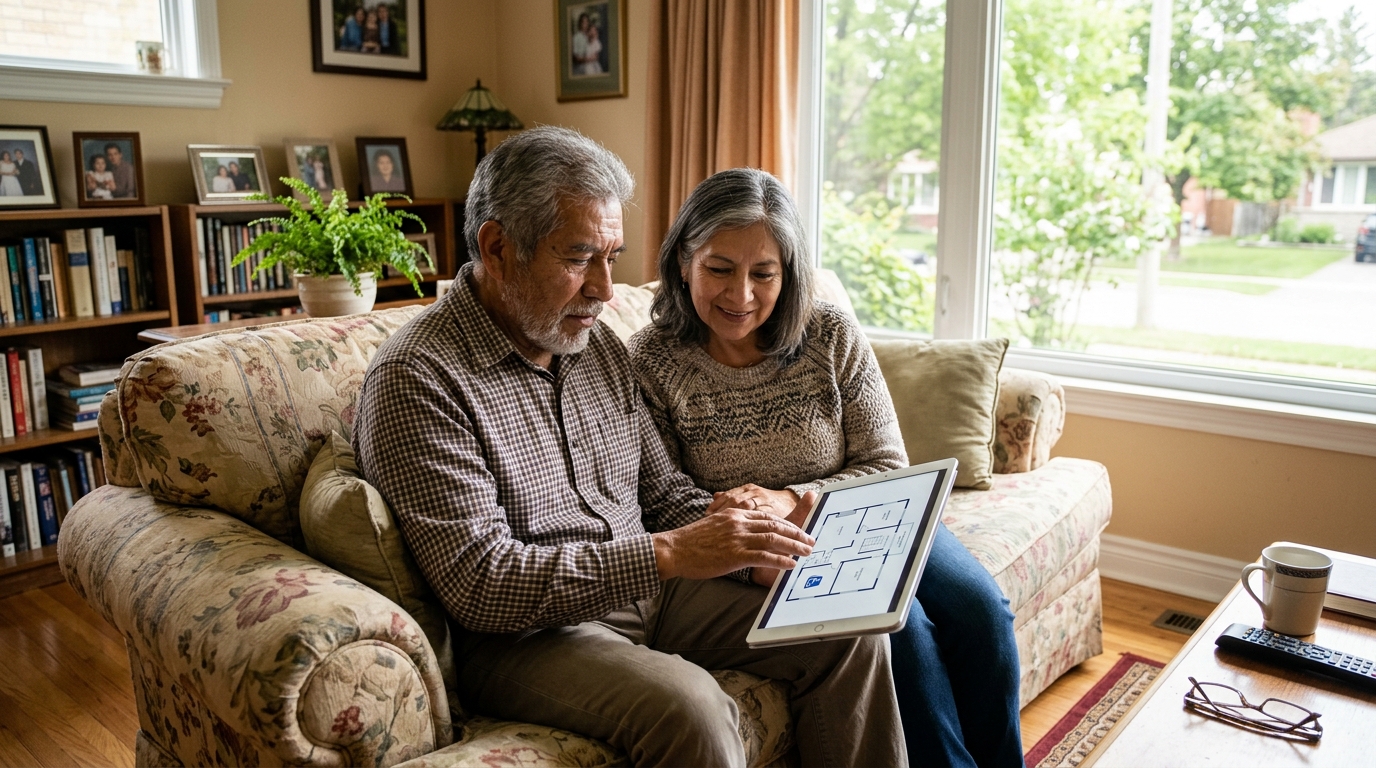
The Costs of Late Diagnosis Support
When an adult child receives a late diagnosis, the immediate costs are substantial:
| Support Need | First Year Cost | Ongoing Annual Cost | Total Over 5 Years |
|---|---|---|---|
| Diagnostic evaluation and specialist | $3–8K | $500–2K (follow-ups) | $5–18K |
| Therapy (weekly, autism/ADHD processing) | $4–10K | $4–10K | $20–60K |
| Home modifications (sensory safe space) | $5–20K | $500 (maintenance) | $7–22K |
| Medication (if applicable) | $800–2K | $800–2K | $4–12K |
| Professional support (coach, advocate) | $2–5K | $2–5K | $10–30K |
| Career transition/retraining (if needed) | $5–15K | $0–3K (ongoing education) | $8–20K |
| TOTAL FIRST YEAR | $19,800–$50,000 | $8,200–$22K/year | $54–162K over 5 yrs |
For an aging parent supporting an adult child through late-diagnosis recovery, these costs are overwhelming.
Key Takeaways
- Late-diagnosis individuals often need 3–7 years of intensive support to build accommodations and process trauma
- Home modifications (sensory-safe spaces, accessibility upgrades) cost $5K–$25K upfront
- Therapy and professional coaching are non-negotiable for processing decades of unaccommodated struggle
- Most adult children in late diagnosis need to adjust their work (reduce hours, change roles), creating income loss
- A reverse mortgage can fund the "catch-up" costs of support that should have been available their whole lives
- This is a legitimate use of aging parent's home equity: investing in adult child's functional stability and mental health
Real Story: James' Diagnosis at 45
James, 45, Toronto
James was always the "smart but unmotivated" child. Brilliant at programming (self-taught), terrible at school ("couldn't focus"). As an adult, he freelanced — periods of intense productivity followed by complete shutdown ("depression"). Relationships failed because he "couldn't communicate." He lived alone, in a cluttered apartment, working sporadically.
At 45, through a therapeutic process around another issue, James' therapist suggested he be assessed for autism.
The diagnosis: Autism spectrum, with significant sensory processing sensitivities and social communication differences. James had been undiagnosed for 45 years.
The grief and realization:
- His "depression" was often shutdown due to sensory overload
- His relationship failures were partly due to autism-related communication differences, not character flaws
- His work style (intense productivity, then shutdown) is a common autism pattern
- He had internalized 45 years of shame for being "difficult" and "lazy"
The needs:
- Weekly therapy to process trauma and build coping strategies: $4K/year for 5 years = $20K
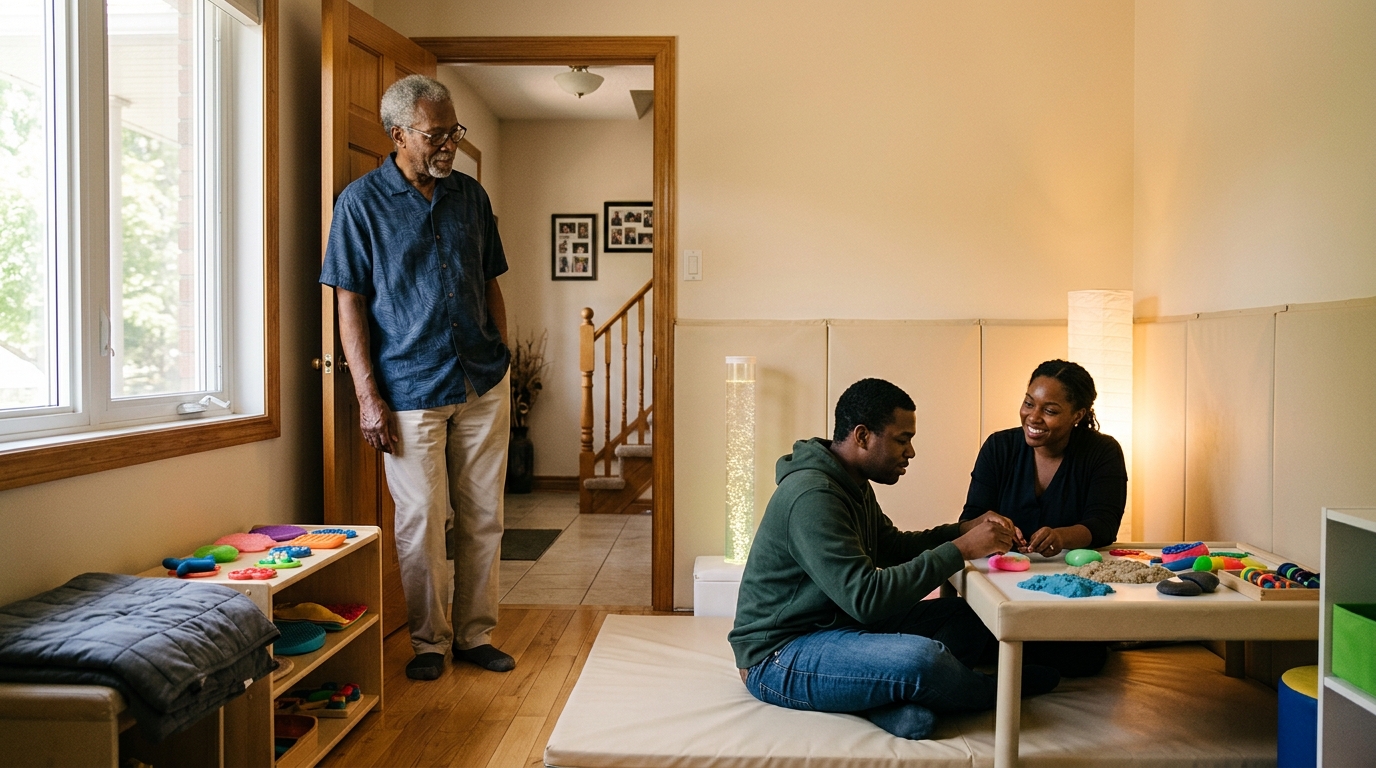
- Home modifications: soundproofing office, reducing clutter, creating sensory-safe space: $12K
- Coaching (neurodivergence-informed career and relationship coaching): $3K/year for 3 years = $9K
- Medication trial (for ADHD comorbidity): $2K
- Career transition support (moving to a role with more structure/accommodation): $5K
Total first 5 years: ~$50K
The problem: James' freelance income was sporadic. He had $8K in savings. His mother (72) was his only family support. She couldn't afford to fund his recovery.
The reverse mortgage solution: James' mother's home (Toronto, valued at $650K) had ~$350K in available equity. She took a reverse mortgage for $60K.
With that funding:
- James completed his diagnostic work and found a part-time role in a neurodivergent-friendly company (with accommodation)
- He completed 2 years of intensive therapy (processing 45 years of trauma)
- He modified his apartment to be sensory-safe
- He built a stable, sustainable life
The outcome: James moved from isolation and instability to connection and purpose. His mother's investment in his recovery wasn't charity — it was preventing a lifetime of suffering and dysfunction that could have landed on her in later years.
By year 5, James was stable enough to support his mother part-time (not financially, but emotionally and practically). The reverse mortgage investment had a real return.
Recognizing Late Diagnosis in Your Adult Child
If your adult child has struggled with any of these, late diagnosis should be considered:
- Chronic depression or anxiety (especially if unresponsive to medication or therapy)
- Extreme sensory sensitivities (can't handle certain fabrics, foods, sounds, lights)
- Difficulty with relationships (people describe them as "difficult" or "intense")
- Extreme work style (perfectionism or avoidance; productivity or shutdown cycles)
- Lifelong struggle with organization, time management, or executive function
- Social withdrawal or isolation despite wanting connection
- Chronic fatigue or burnout that doesn't improve with rest
- Multiple physical symptoms without clear medical cause (chronic pain, IBS, headaches)
If you recognize these patterns, talk to your adult child. A diagnostic evaluation (conducted by a psychiatrist, psychologist, or specialized clinic) costs $3K–$8K and can be life-changing.
Funding Diagnosis and Recovery: When Your Adult Child Gets Support
If your adult child is pursuing late diagnosis and recovery:
- Get the evaluation done first. Diagnosis clarity allows for targeted, evidence-based support. Don't skip this step hoping it will "go away" or "self-resolve."
- Budget for therapy. A qualified therapist (ideally neurodivergence-informed) is essential. Not optional.
- Plan home modifications. If your adult child has sensory sensitivities, even small changes (lighting, sound) can dramatically improve function.
- Speak with a reverse mortgage specialist. If you're aging parent funding their recovery, explore how your home equity might support 3–5 years of intensive care and accommodation.
Frequently Asked Questions
If my adult child gets a late diagnosis and needs disability support, are they eligible for CPP Disability?
Possibly. CPP-D requires that they have a "severe and prolonged" disability preventing them from earning a living. A recent autism or ADHD diagnosis alone may not qualify (these conditions exist on a spectrum). However, if the diagnosis is accompanied by significant functional impairment and they're unable to work, CPP-D is worth exploring. The process takes 4–6 months. Consult with a disability lawyer or advocate.
Will my adult child's late diagnosis affect their ability to get a mortgage or loan?
Not directly. Disability diagnoses are not reported to credit bureaus or lending institutions. However, if they recently reduced work hours or have reduced income due to disability accommodation, that WILL affect borrowing capacity. They may need to wait 1–2 years of stable income to rebuild lending eligibility.
Can I fund my adult child's therapy through a reverse mortgage and deduct it as a medical expense?
Reverse mortgage proceeds are not taxable income to you, so the money you use is already "after tax." Therapy costs paid for your adult child (not by them) are NOT a deductible medical expense for you (you can only deduct medical expenses incurred by you or your spouse). However, if your adult child pays for their own therapy, they can claim the expenses on their tax return (up to $2,500 annually for federally listed practitioners). Consult a tax professional.
What if my adult child's late diagnosis comes with recommendations to reduce work or take time off?
This is common. Many late-diagnosis individuals need 6–24 months of reduced work or leave to process diagnosis, build accommodations, and stabilize. The lost income during this period is real. A reverse mortgage can help bridge this gap, preventing your adult child from having to work through crisis.
If my adult child is living with me and I take a reverse mortgage, does this affect their benefits if they're on ODSP or disability support?
This depends on the province and the specific program. Some disability programs count your home as an "asset" when assessing your adult child's dependency status. Taking a reverse mortgage against the home doesn't change ownership (it's still yours), but it does create a debt on the property. Consult with your adult child's caseworker before taking the reverse mortgage, so there are no surprises about benefit calculations.
Should I tell my adult child I'm taking a reverse mortgage to fund their recovery?
Yes, generally. It gives them context and permission to accept support without guilt. Frame it: "I want to invest in your recovery. I'm using my home equity to help you get the therapy and accommodations you've needed for years. This is my choice." Transparency prevents shame and gratitude-guilt dynamics.
Moving Forward: Late Diagnosis as a Beginning, Not an End
Late diagnosis can feel like grief — decades of struggle suddenly explained, resources suddenly needed. But it's also a beginning. For the first time, your adult child can get appropriate support.
If you're an aging parent considering a reverse mortgage to fund your adult child's late-diagnosis recovery, know this: you're investing in their stability, happiness, and eventual independence.
The cost now (therapy, modifications, accommodation) is far less than the cost later (ongoing crisis, mental health breakdown, or complete dysfunction).
Speak with a reverse mortgage specialist about your home equity. And speak with your adult child about getting the evaluation and support they've needed all along.
Better late than never.
Ready to Learn More?
Find out exactly how much you could unlock from your home — free and no obligation.
Related Articles
Reverse Mortgage for Adult Child's Executive Coaching and Leadership Development Practice
Fund your adult child's independent executive coaching business. Reverse mortgage provides startup capital for high-value leadership coaching in Ontario.
Read →Reverse Mortgage for Adult Child's Employment Relations and Labor Consulting Practice
Fund your adult child's independent employment law and labor relations consulting. Reverse mortgage provides startup capital for underserved HR/legal market.
Read →Reverse Mortgage for Adult Child's Environmental Sustainability Consulting Practice
Fund your adult child's independent environmental consulting. Reverse mortgage provides startup capital for growing sustainability and ESG consulting market.
Read →