
Reverse Mortgage When Spouse Dies: Managing Income Crisis and Family Reorganization
Spouse's death creates sudden income loss and housing reorganization needs. Reverse mortgage bridges crisis for surviving spouse and adult children in Ontario.
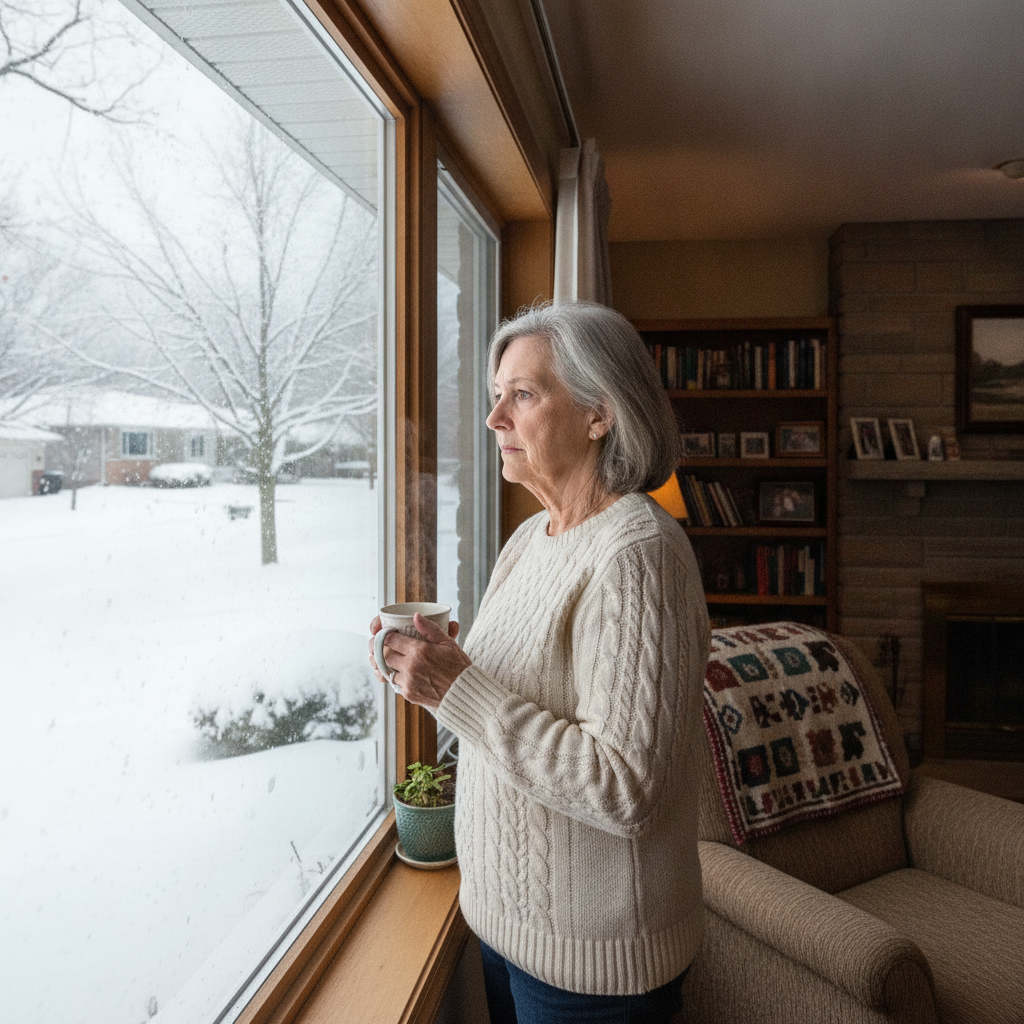
Your spouse has unexpectedly passed away, and now you're facing both grief and a financial crisis. The loss of a spouse often means losing household income, facing funeral costs, managing estate obligations, and potentially reorganizing your housing situation. A reverse mortgage can provide bridge funding during this vulnerable time, giving you breathing room to grieve and make decisions about your future.
The Financial Impact of Spousal Death
When a spouse dies, multiple financial pressures hit simultaneously:
| Financial Impact | Typical Costs/Loss |
|---|---|
| Funeral and end-of-life costs | $5,000–$15,000 |
| Lost CPP/OAS income | 25–50% of household income |
| Estate probate and legal fees | $5,000–$25,000+ |
| Home maintenance costs (now sole responsibility) | $15,000–$40,000/year |
| Temporary housing if reorganizing | $3,000–$10,000 |
| Adult child relocation to help parent | $5,000–$20,000 |
| Total immediate impact: | $33,000–$110,000+ |
For many surviving spouses, CPP survivor benefits don't fully replace lost household income, especially if the deceased earned significantly more. FSRAO reports that widow(er)s often experience a 30-50% income reduction in the first year after spousal death.
How Reverse Mortgages Bridge Spousal Death Crisis
A reverse mortgage provides three forms of relief:
1. Immediate Liquidity for Crisis Costs
Funeral expenses, probate fees, and outstanding household debts need payment immediately. A reverse mortgage can cover these without forcing you to liquidate investments or declare hardship to creditors.
2. Income Bridge While CPP/OAS Processing
Survivor benefits processing can take 2–6 months. A reverse mortgage covers the income gap, preventing forced home sale during grief.
3. Housing Restructuring Fund
Widows/widowers often need to reorganize housing:
- Move to a smaller, more manageable home
- Bring an adult child in to help with maintenance
- Relocate closer to family for support
- Move to a retirement community with built-in support
A reverse mortgage funds relocation, renovations, or alternative housing without time pressure.
Real Ontario Scenarios
Widow's Crisis: Lost Primary Income
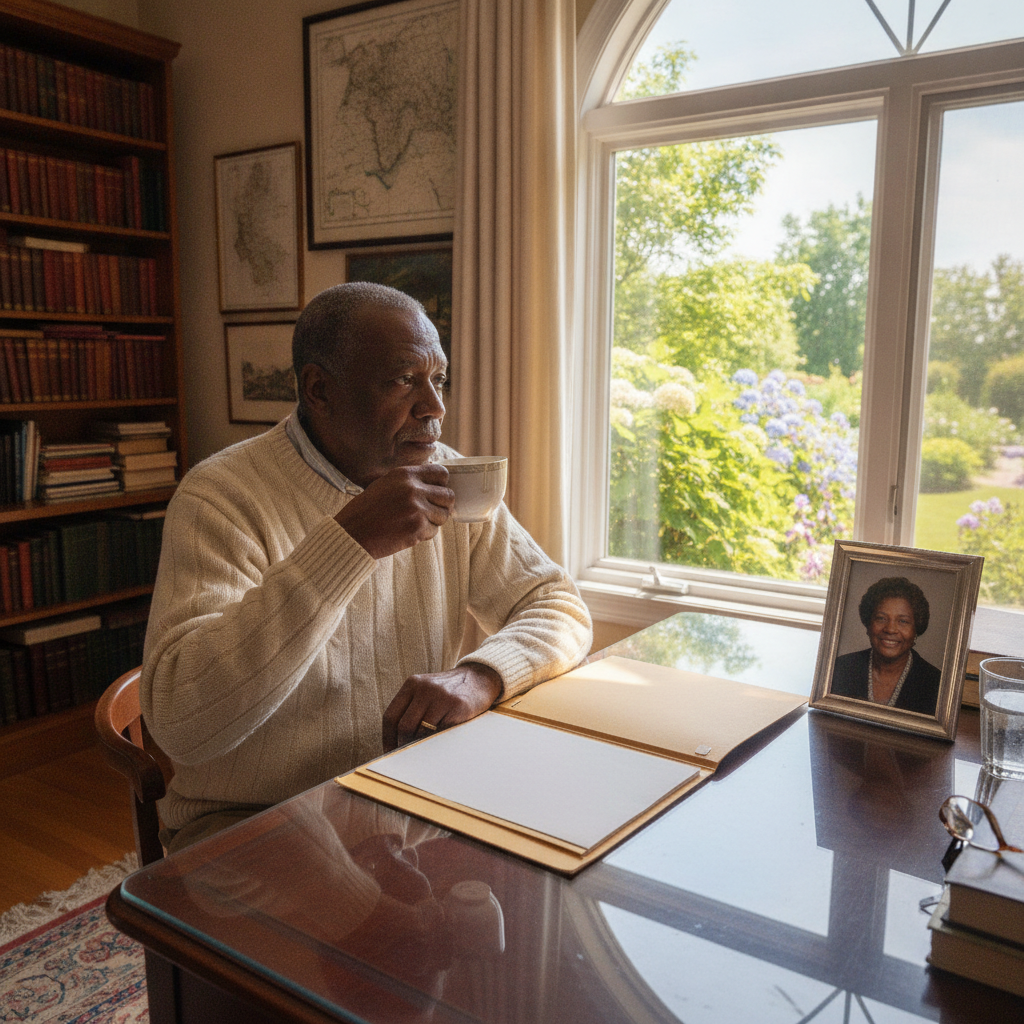
Margaret, 71, loses her spouse (age 75). Her husband earned $65,000/year as a pension and CPP; Margaret earns $32,000 from her own CPP/OAS. Combined household income was $97,000.
Spouse's death triggers:
- Loss of spouse's CPP: -$50,000/year
- CPP survivor benefit to Margaret: +$15,000/year
- Net loss: -$35,000/year
Margaret's new income: $47,000 (down from $97,000). Her home expenses are $48,000/year (property tax, utilities, maintenance, insurance). She's in immediate deficit.
Solution: Margaret applies for a reverse mortgage for $100,000. This covers 2–3 years of the income gap while:
- Survivor benefits fully process
- Margaret adjusts to single-income household
- Margaret can decide whether to stay in the home or downsize
Impact of Government Benefits
| Spouse Status | CPP Survivor Benefit | Eligibility Age |
|---|---|---|
| Widow 65+ at spouse death | 60% of deceased's CPP | Immediate |
| Widow 55–64 at spouse death | 37.5–60% of deceased's CPP | Age 60 (reduced if taken earlier) |
| Adult child guardian (under 18) | ~$16,500/year per child | Until age 18 |
| Dependent adult child (disabled) | Varies | Indefinite if meets criteria |
Critical: Survivor benefits take time to process. A reverse mortgage can bridge the waiting period.
When Adult Children Get Involved
Often, an adult child will move home after a spouse's death to help the surviving parent. This creates shared-household costs and income reorganization:
- The surviving parent loses income
- The adult child may have relocated, losing employment
- Two people now depend on the survivor's CPP/OAS
- The home may need modifications to accommodate both
A reverse mortgage can fund:
✓ Adult child's temporary housing gap during relocation
✓ Adult child's credential retraining if they left a job to be present
✓ Home modifications to make multi-generational living functional
✓ Operating costs (utilities, food) while the adult child re-establishes employment
Timeline: Spousal Death to Financial Stability
| Phase | Timeframe | Key Expenses | Reverse Mortgage Role |
|---|---|---|---|
| Funeral & Estate | Weeks 1–4 | $10,000–$25,000 | Immediate liquidity |
| Benefit Processing | Months 1–6 | Income gap: $30,000–$60,000 | Income bridge |
| Housing Reorganization | Months 3–12 | Relocation/renovation: $20,000–$50,000 | Housing restructuring fund |
| Stabilization | Month 12+ | Ongoing maintenance; adjusted lifestyle | Reverse mortgage repaid or carried long-term |
Reverse Mortgage vs. Other Crisis Funding
| Funding Source | Speed | Requirements | Monthly Payment |
|---|---|---|---|
| Reverse Mortgage (55+) | 4–6 weeks | Home equity; minimal credit check | None |
| HELOC | 1–2 weeks | Good credit; income verification | Yes (required) |
| Life Insurance Death Benefit | 2–4 weeks | Existing policy on deceased | N/A (one-time) |
| Family Loan | Immediate | Family willingness | Varies (often none) |
| Emergency Personal Loan | 1 week | Credit check required | Yes (required) |
For surviving spouses without employment income, reverse mortgages are often the only practical option because they don't require proof of ongoing income to qualify.

Tax and Estate Considerations
According to the CRA, spousal CPP contributions can be split equally between spouses at retirement—potentially reducing tax burden. However, survivor benefits are based on the deceased's contributions, not split amounts. Consult a tax professional to optimize survivor benefit timing.
According to FSRAO, surviving spouses should apply for CPP survivor benefits immediately after the spouse's death, as benefits can be retroactive to the date of death. Processing typically takes 2-6 months, making a reverse mortgage bridge funding essential during the wait period.
Estate Consideration: If you have a reverse mortgage when you pass away, the loan becomes a claim against your estate. Ensure your will provides guidance on how the reverse mortgage should be handled—should the estate repay it in full, or should your heirs inherit the home with the reverse mortgage attached?
Government Support Resources
Ontario offers limited crisis support for widows/widowers:
- CPP Survivor Benefits: Apply immediately after death; retroactive to date of death
- OAS Survivor Benefits: Automatic if spouse received OAS; application required if not
- Provincial Widow Support Programs: Some Ontario municipalities offer emergency assistance; check with your local social services
- Transition Services: Some employers provide widow(er) support programs; review your spouse's benefits documents
Rebuilding After Spousal Death
A reverse mortgage buys time, but you'll eventually need a long-term strategy:
- Income Stabilization: Ensure all survivor benefits are claimed and processing smoothly
- Housing Assessment: Decide whether to stay, downsize, or relocate
- Estate Finalization: Close the estate and manage inheritance properly
- Financial Planning: Work with an advisor to rebuild savings and retirement security
- Reverse Mortgage Repayment: Plan to repay from sale proceeds, inheritance, or estate assets when ready
Key Takeaways
- Spousal death typically reduces household income by 30-50% due to lost CPP/pension income
- Reverse mortgages from CHIP, Equitable Bank, or Home Trust provide immediate liquidity for funeral costs and income gap
- No monthly payments make reverse mortgages ideal for surviving spouses with fixed or reduced income
- Fast-track applications are available for documented death situations
- Work with Rick Sekhon Reverse Mortgages to coordinate timing while processing survivor benefits
Frequently Asked Questions
How quickly can I access reverse mortgage funds after my spouse dies?
Most lenders can fast-track applications for documented death situations, with approval in 2–4 weeks and funding in 4–6 weeks. This covers the critical gap between death and survivor benefit processing. Discuss expedited processing with Rick Sekhon when you apply.
Does spousal CPP survivor benefit count as income for reverse mortgage qualification?
No. Reverse mortgages require minimal income verification for borrowers 55+. However, survivor benefits do help with long-term affordability—they'll help you eventually repay the reverse mortgage from ongoing income.
Can my adult child live with me and help offset housing costs if I get a reverse mortgage?
Yes. Adult children often move home to help surviving parents. A reverse mortgage can fund shared-household costs. However, if the adult child contributes income, discuss how that affects the household's financial picture and long-term reverse mortgage repayment strategy.
What if my spouse had a reverse mortgage when they died?
If your spouse held a reverse mortgage, that debt becomes a claim against the estate. The lender will contact you about repayment options. You may be able to continue living in the home while the estate processes, with full repayment due when you eventually sell or pass away. Consult with the lender and an estate lawyer.
Can I repay the reverse mortgage if I later receive an inheritance or insurance payout?
Yes. Reverse mortgages typically allow repayment without penalty. If you receive life insurance proceeds or an inheritance, you can use these to clear the reverse mortgage debt early. Verify the prepayment terms with your lender.
Should I downsize to a smaller home after my spouse dies?
Downsizing is a personal decision. Some widows/widowers prefer to stay in the family home for emotional reasons; others prefer smaller, lower-maintenance properties. A reverse mortgage gives you time to grieve and decide without financial pressure. Don't rush the decision—many people regret hasty downsizing choices.
Ready to Learn More?
Find out exactly how much you could unlock from your home — free and no obligation.
Related Articles
Reverse Mortgage After Unexpected Spousal Death: Bridging the Income Gap
When your spouse dies unexpectedly in retirement, some pensions and benefits stop immediately. A reverse mortgage can bridge the sudden income gap. Ontario guide.
Read →Reverse Mortgage When Your Spouse Becomes Your Caregiver: Financial Restructuring
One spouse's health declines; the other becomes a full-time caregiver. How does reverse mortgage planning change when roles flip? Ontario couples need a new financial strategy.
Read →Reverse Mortgage for Widows and Widowers in Ontario: A Complete Guide
How widows and widowers in Ontario use a reverse mortgage to manage financial changes after losing a spouse. Estate settlement, sole borrower rules, and income planning.
Read →