
Reverse Mortgage on Rural Property in Ontario: Navigating Declining Real Estate Markets
Your rural Ontario property's value is stagnant or declining. Access home equity with reverse mortgage despite flat market conditions. Strategy guide for rural homeowners.
In rural Ontario, property values have stalled or declined while urban homes have appreciated 30–50%. A reverse mortgage on your rural property is still possible — but understanding how declining market risk affects your borrowing capacity is critical to avoiding negative equity down the road.
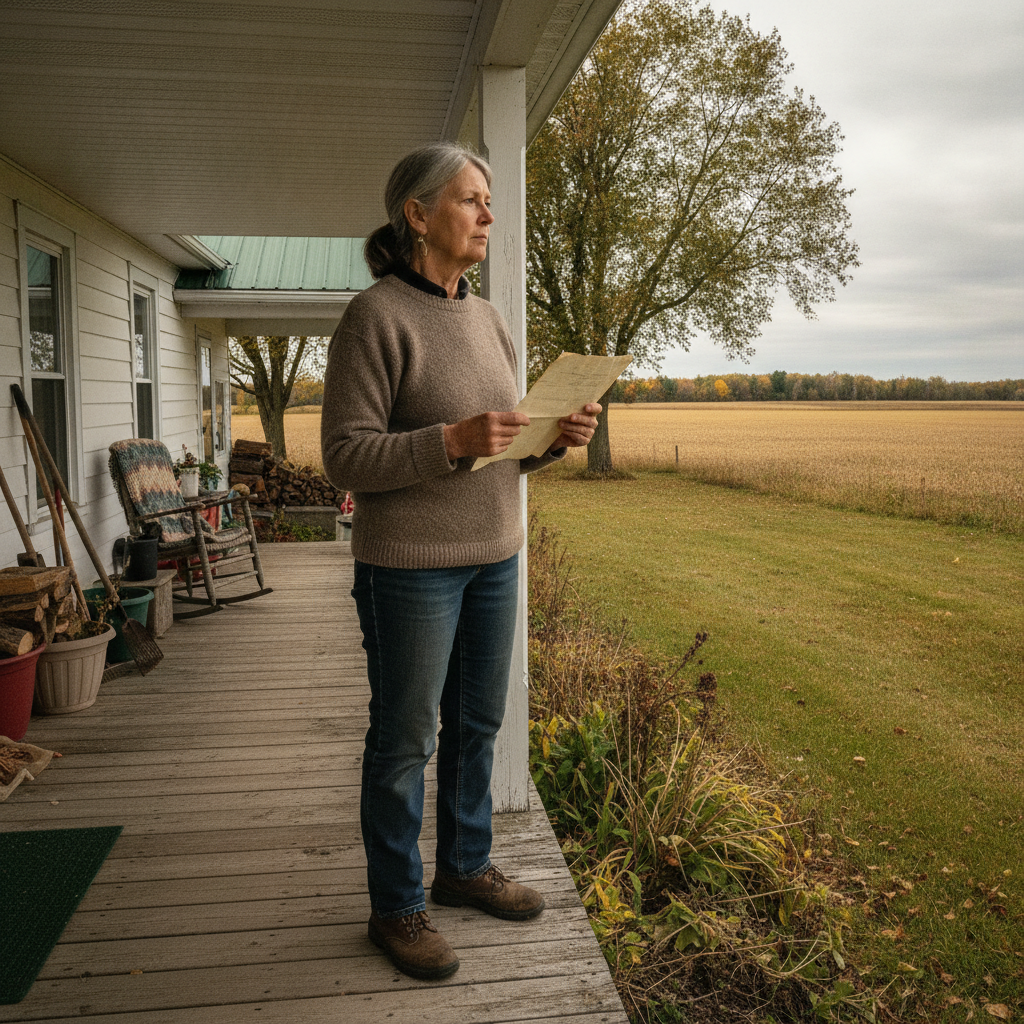
Rural Ontario homeowners face a unique challenge: you may own a home worth $300,000–$500,000, but appreciation is minimal. Urban seniors' homes appreciated 50% in 5 years; your home appreciated 5%. A reverse mortgage is still an option, but lenders are more cautious about declining markets.
Rural Real Estate Trends in Ontario (2024–2026)
| Region | 2020 Value | 2023 Value | 2026 Outlook | Appreciation |
|---|---|---|---|---|
| Toronto/GTA | $600,000 | $850,000 | $900,000–$950,000 | +50% (5 years) |
| Ottawa/Eastern Ontario | $500,000 | $680,000 | $720,000–$780,000 | +40% (5 years) |
| Rural Grey County | $350,000 | $360,000 | $365,000–$380,000 | +3–8% (5 years) |
| Rural Haliburton | $400,000 | $385,000 | $380,000–$400,000 | -5% to flat (5 years) |
| Rural Muskoka | $500,000 | $480,000 | $480,000–$510,000 | -4% to flat (5 years) |
According to CMHC (Canada Mortgage and Housing Corporation), rural Ontario markets are experiencing equilibrium: prices neither rising sharply nor falling significantly. But this creates risk for reverse mortgages, which rely on home value stability.
Why Lenders Care About Rural Market Decline
When you take a reverse mortgage, the lender assumes your home will retain value or appreciate slightly. If your rural property declines in value while you're still borrowing against it, the lender faces risk:
Scenario: Declining Market Problem
- You take a reverse mortgage at age 70
- Home value: $400,000
- You borrow: $220,000 (55% LTV)
- Annual interest accrual: $13,200/year (~6%)
- Year 1: Balance grows to $233,200; home still worth $400,000 ✓
- Year 5: Balance grows to $294,000; home value declines to $370,000 ✓ (still some equity)
- Year 8: Balance grows to $368,000; home value declines further to $350,000 ⚠️ (equity eroding)
- Year 10: Balance grows to $420,000; home value is $340,000 ❌ Negative equity — you owe more than home is worth
This is the danger of declining rural markets — even if you don't owe more than your home is worth (due to the "No Negative Equity Guarantee"), the eroding equity means less for your heirs.
Lender Approach to Rural Properties
Different lenders handle rural properties and declining markets differently:
| Lender | Rural Market Approach | LTV on Rural | Declining Market Risk |
|---|---|---|---|
| Equitable Bank | Conservative; lower LTV in declining areas | 50–52% in decline zones | Moderate caution; requires appraisal |
| HomeEquity Bank (CHIP) | Consistent rural approach; stable LTV | 55% across Ontario | More conservative; may require appraisal buffer |
| Bloom Financial | Open to rural; market-dependent pricing | 50–55% (varies) | Moderate; assesses market trends |
| Home Trust | Selective rural lending | 50–53% on rural | More cautious; developing market data |
Key difference: Urban lenders use lower LTV limits on rural properties because declining markets reduce future borrowing security.
How to Qualify for Reverse Mortgage on Rural Property
Step 1: Get Professional Appraisal
- Appraisal cost: $300–$600
- Establishes official home value (crucial in declining markets)
- Appraisal report documents market conditions
- Required by all lenders before approval
Step 2: Document Market Conditions
- Collect recent comparable sales in your area
- Show price trends over 3–5 years (appreciation, decline, or flat)
- Provide evidence of market stability (helps lenders feel confident)
Step 3: Request Conservative LTV
- Don't push for maximum borrowing
- Ask for LTV that leaves equity buffer even if market declines 10%
- Example: Home worth $400,000, ask for 50% LTV ($200,000) rather than 55% ($220,000)
- Buffer protects both you and the lender
Step 4: Choose Line of Credit Structure
- More flexible if market conditions change
- You draw only what you need
- Interest accrues only on drawn amount
- Easier to manage if property value fluctuates
Reverse Mortgage vs. Other Options for Rural Homeowners
| Option | Cost | Risk | Best For |
|---|---|---|---|
| Reverse mortgage (conservative LTV) | 5–6% interest | Moderate (with equity buffer) | Access to equity without selling |
| Home equity loan | 7–8% interest + monthly payments | Higher (requires income verification) | Homeowners with stable income |
| Sell and relocate | 5–6% realtor fees | Capital gains tax; disruption | Willing to move to urban area |
| Home equity line of credit (HELOC) | 7–8% variable + monthly payments | High (variable rate risk) | Short-term borrowing; strong income |
| Rent out part of property | Ongoing tenant management | Landlord liability; maintenance | Property large enough for rental |
For declining rural markets, conservative reverse mortgage wins because:
- No monthly payment pressure (helps if income is uncertain)
- Fixed interest rate (doesn't fluctuate with market)
- No requirement to prove income
- Lender assumes long-term relationship, not immediate payoff
Real Scenario: Rural Property Reverse Mortgage Strategy
Your situation:
- Rural Grey County home worth $380,000
- Age: 72
- Paid-off home (no existing mortgage)
- Retired on CPP/OAS (~$25,000/year)
- Occasional income from renting cottage space ($3,000–$5,000/year)
Lender analysis:
- HomeEquity Bank (CHIP): 55% LTV = $209,000 available
- Equitable Bank: 52% LTV (rural caution) = $197,600 available
- Conservative approach: Borrow only 50% = $190,000
Why conservative approach?
- Leaves $190,000 equity buffer (if home declines to $360,000 in next 5 years)
- Annual interest cost at 50% borrowing: ~$5,700/year
- Your retirement income: $25,000–$30,000/year
- Interest is manageable; equity stays positive
What to do with $190,000?
- Home renovations and accessibility: $30,000
- Medical expenses and equipment: $15,000
- Aging in place modifications: $25,000
- Emergency reserve: $50,000
- Income supplement (if needed): $70,000 (draws over several years)
Total: Comfortable retirement with security and equity cushion
Protecting Your Equity in Declining Markets
Strategy 1: Borrow Conservative Amount
- Don't borrow the maximum you qualify for
- Borrow 50% LTV instead of 55%
- Leaves 5% equity buffer if market declines
Strategy 2: Use Line of Credit, Not Lump Sum
- Draw only what you need, when you need it
- Interest accrues only on amounts drawn
- Can pause draws if market improves or your situation changes
Strategy 3: Make Optional Prepayments
- If you receive inheritance, CPP lump sum, or sale of other property
- Make voluntary prepayments on reverse mortgage
- Reduces balance growing faster than home value
- May have prepayment penalties; check with lender
Strategy 4: Monitor Home Value
- Get reappraisal every 3–5 years
- If market improves, you may qualify for additional borrowing
- If market declines further, you'll know to stop drawing
Strategy 5: Plan for Market Fluctuations
- If you're borrowing $200,000 on a $400,000 home (50% LTV)
- Home can decline to $360,000 and you're still okay (equity = $160,000)
- Plan conservatively; be pleasantly surprised if market stabilizes
Frequently Asked Questions
Will a declining real estate market prevent me from qualifying for a reverse mortgage?
No. Lenders will approve reverse mortgages on rural properties. However, they'll use lower LTV limits (50–52%) instead of maximum limits (55–59%). You can still borrow, just smaller amounts. A professional appraisal helps confirm market conditions and lender confidence.
Should I wait until my rural property value increases before getting a reverse mortgage?
No, and probably won't help. Rural markets are expected to remain stable or flat. Waiting 5 years for appreciation is unlikely; by then you'll be 5 years older and may have different health/financial needs. Better to access equity now at age 70 than wait and need it urgently at age 75.
What if my rural property continues declining while I'm borrowing against it?
The "No Negative Equity Guarantee" protects you. You can never owe more than your home is worth. However, your equity cushion shrinks, leaving less for heirs. Protect equity by borrowing conservatively (50% LTV instead of max) and using line of credit instead of lump sum.
Are rural properties harder to refinance or switch lenders if rates improve?
Yes, somewhat. Rural properties have fewer lender options. If CHIP or Equitable Bank changes terms unfavorably, your refinancing options are limited. However, rates in reverse mortgages are typically fixed, so refinancing isn't common. Choose a lender (like Equitable Bank) known for stability.
Should I combine a reverse mortgage with downsizing (selling the rural property)?
Maybe. If you're very concerned about market decline, consider:
- Get reverse mortgage now to access current equity
- Use funds for retirement, modifications, emergencies
- Sell the property in 5–10 years when needs change (move to be closer to family, etc.)
- This gives you liquidity now + option to sell later
Can I include property in rural decline in a family trust or life estate to protect it from reverse mortgage?
No. The reverse mortgage is against the property itself. Property ownership structure doesn't avoid it. If the home is in a trust, the trust is the borrower. If there's a life estate, the life tenant still needs reverse mortgage approval.
Key Takeaways
- Rural Ontario property values are flat or declining 2024–2026, unlike urban appreciation of 30–50%
- Lenders use conservative LTV (50–52%) on rural properties to protect against further decline
- Borrow conservatively (50% LTV) instead of maximum to maintain equity buffer if market declines
- Line of credit structure is ideal for rural properties — draw only what you need, protect equity
- The "No Negative Equity Guarantee" protects you, but eroding equity reduces heirs' inheritance
- Professional appraisal documents market conditions and gives lenders confidence
- Optional prepayments help maintain equity if market declines while you're borrowing
- HomeEquity Bank and Equitable Bank are most accessible for rural lending
Next Steps
- Get professional appraisal of your rural property (cost: $300–$600)
- Document market trends in your area (comparable sales, price history)
- Contact Rick Sekhon for reverse mortgage quotes from rural-friendly lenders
- Request conservative LTV (50% instead of maximum 55%)
- Choose line of credit structure for maximum flexibility
- Monitor your equity annually and consider optional prepayments if possible
This article is for educational purposes only and does not constitute financial or real estate advice.
Consult with a real estate professional about property value trends and a mortgage professional about reverse mortgage options. Independent legal advice is required before closing a reverse mortgage in Ontario.
Ready to access your rural property's equity strategically? Contact Rick Sekhon for reverse mortgage guidance on declining rural markets.
Also read:
- Reverse mortgage on rural property in Ontario
- What if your home value drops after a reverse mortgage
- Reverse mortgage with low home equity
This content is for illustrative purposes only. Rates may vary. Call Rick Sekhon for the best rates and more information.
Ready to Learn More?
Find out exactly how much you could unlock from your home — free and no obligation.
Related Articles
Reverse Mortgage With Low Home Equity: Can You Qualify in Ontario?
Can you get a reverse mortgage if your home's value is low? Learn how lenders calculate equity, minimum thresholds, and alternatives for Ontario homeowners.
Read →What If Your Home Value Drops After a Reverse Mortgage?
Learn what happens if your home value drops after a reverse mortgage. Understand negative equity protection, guarantees, and how Ontario homeowners stay safe.
Read →Reverse Mortgage on Rural Property in Ontario: What You Need to Know
Can you get a reverse mortgage on rural Ontario property? Learn about acreage limits, well and septic requirements, LTV adjustments, and which lenders cover rural areas.
Read →