
Reverse Mortgage When Environmental Contamination Returns: Escalation Funding for Persistent Remediation
When first remediation attempts fail and contamination returns, costs escalate rapidly. A reverse mortgage funds persistent environmental cleanup.
What if you remediated mold or soil contamination once—at significant cost—and it came back? Environmental problems don't always solve themselves with one treatment. Persistent contamination requires escalating intervention, and costs compound. A reverse mortgage provides access to additional remediation capital without draining retirement savings.
This article is for educational purposes only and does not constitute financial advice. Environmental remediation is complex. Consult environmental assessors, contractors, and reverse mortgage professionals like Rick Sekhon Reverse Mortgages before committing home equity.
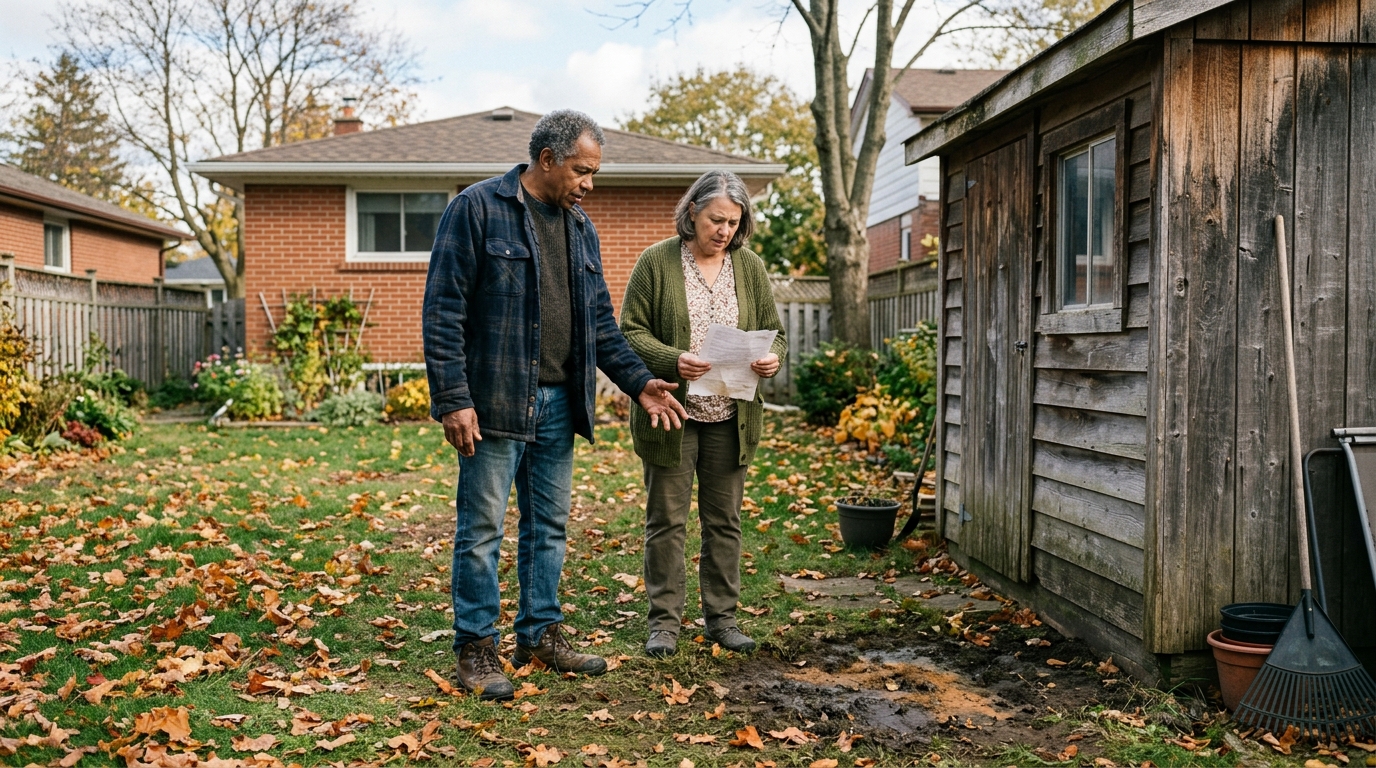
When Remediation Fails: The Escalation Cycle
Environmental problems often follow a pattern: first treatment is surface-level; contamination returns; escalated treatment addresses root cause; costs multiply with each cycle.
| Remediation Stage | Typical Approach | Cost | Timeline | Recurrence Rate | Next Escalation |
|---|---|---|---|---|---|
| Stage 1: Initial remediation | Surface treatment (painting, sump pump, ventilation) | $3,000-$8,000 | 2-4 weeks | 40-60% | Professional assessment + deeper intervention |
| Stage 2: Escalated intervention | Structural waterproofing, excavation, drainage system upgrade | $8,000-$25,000 | 4-12 weeks | 20-30% | Full system replacement or foundation work |
| Stage 3: Deep remediation | Foundation repairs, soil replacement, complete drainage redesign | $25,000-$60,000+ | 8-16 weeks | 5-10% | Ongoing monitoring + maintenance |
Real cost of persistent contamination: Stage 1 ($5K) + Stage 2 ($15K) + Stage 3 ($40K) = $60,000 total, not the initial $5K estimate.
According to Environmental Protection Act (EPA) Ontario data (2025), approximately 31% of remediation projects experience recurrence requiring escalated treatment. For mold specifically, 45% of homeowner-attempted remediations fail and require professional intervention.
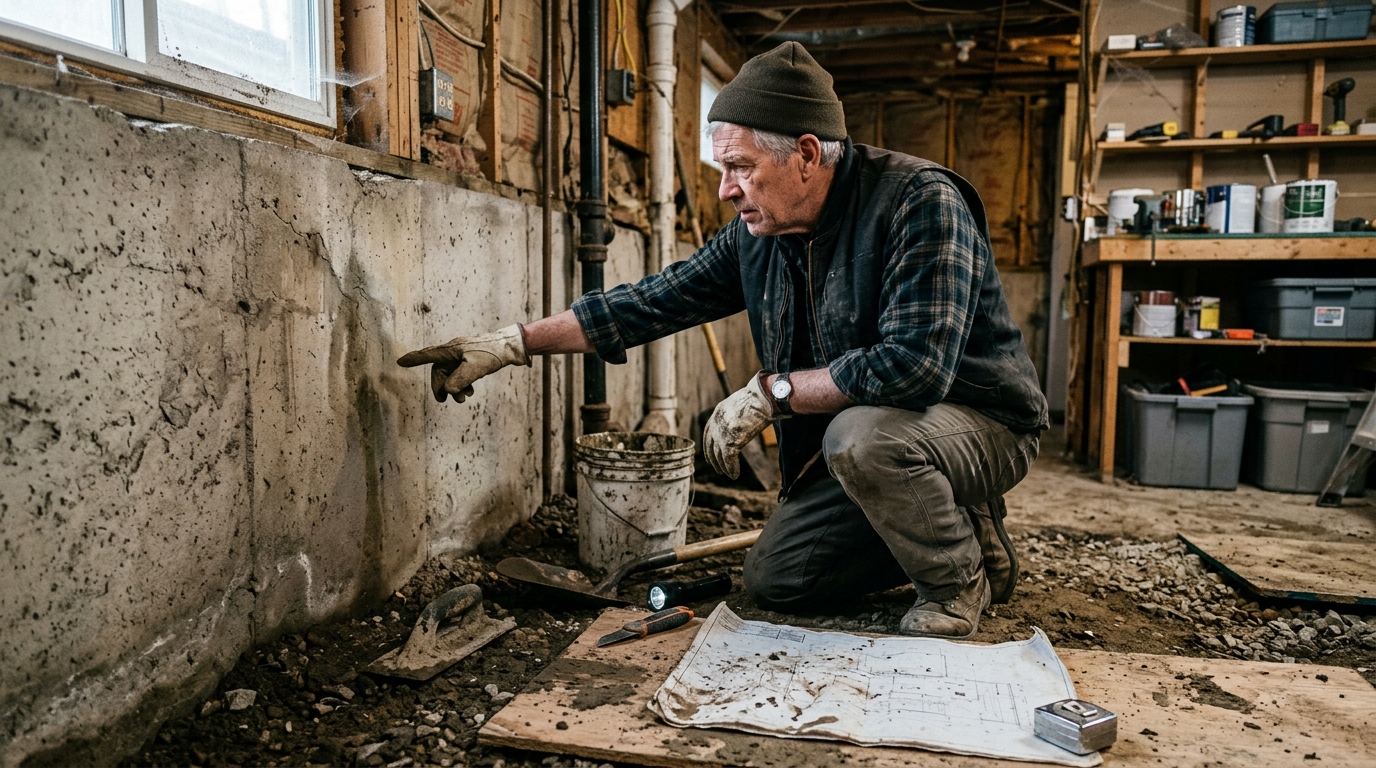
Common Escalation Scenarios
Scenario 1: Mold Keeps Returning Despite Surface Treatment
Stage 1 (Year 1): Black mold appears in basement. Contractor: "Kill mold, improve ventilation, reduce humidity." Cost: $4,500. Result: Mold gone for 8 months.
Stage 2 (Year 2): Mold returns in same corner. Professional assessment reveals: foundation crack allowing water intrusion 4 feet below current remediation level. Escalated contractor: "Must excavate foundation, seal crack, install interior drainage." Cost: $18,000. Result: Mold stays gone 18 months.
Stage 3 (Year 3): Mold returns (adjacent wall). Assessment: hydrostatic pressure from groundwater pushing through foundation. Only solution: full foundation waterproofing + external French drain system. Cost: $45,000-$65,000. Result: Mold recurrence essentially eliminated.
Total cost: $67,500-$87,500 over 3 years for what was initially diagnosed as "$4,500 mold problem."
Scenario 2: Soil Contamination Not Fully Remediated
Stage 1: Soil testing reveals lead-contaminated topsoil. Contractor removes top 12 inches, replaces with clean soil. Cost: $6,000.
Stage 2 (Year 2): Soil retesting reveals contamination remains at 8-inch depth. Must remove additional soil layers + excavate to 24 inches. Cost: $14,000.
Stage 3 (Year 3): Contamination extends to 36 inches + requires professional hazardous waste disposal. Full site remediation: $38,000-$50,000.
Escalation trigger: Initial contractor underestimated contamination depth; each testing cycle reveals deeper problem.
Scenario 3: Water Intrusion Escalation
| Stage | Problem Diagnosed | Solution | Cost | Recurrence |
|---|---|---|---|---|
| 1 | Water seeping through basement wall during heavy rain | Seal cracks; add sump pump; caulk foundation | $5,000 | Common after 12-18 months |
| 2 | Water returning; seeping from floor-wall joint instead | Install interior perimeter drain system around foundation | $12,000-$18,000 | Possible after 24 months if groundwater pressure high |
| 3 | Water penetrating multiple walls; hydrostatic pressure evident | Exterior French drain + foundation membrane + sump pump upgrade | $35,000-$55,000 | Rare if properly installed |
Funding Persistent Remediation With Reverse Mortgage
A reverse mortgage line of credit allows staged funding as remediation escalates:
Timeline strategy for escalating environmental problems:
| Timeline | Action | RM Funding | Total Drawn |
|---|---|---|---|
| Month 1 | Initial assessment + Stage 1 remediation | Draw $8,000 | $8,000 |
| Months 2-12 | Monitor; evaluate success | No draw | $8,000 |
| Month 13 | Problem recurrence; Stage 2 assessment | Draw $20,000 | $28,000 |
| Months 14-24 | Stage 2 remediation; monitor | Continue $20K draw | $28,000 |
| Month 25 | Problem persists; Stage 3 assessment confirms deep issue | Draw $50,000 | $78,000 |
| Months 26-36 | Full Foundation remediation | Access $50K allocation | $78,000 total |
Advantage of line of credit: You only pay interest on amounts actually drawn and used. If remediation succeeds at Stage 2, you never draw the Stage 3 allocation. Interest cost is proportional to actual need.

Environmental Remediation + Reverse Mortgage Integration
Many Ontario seniors face choice: remediate environmental problem OR fund aging-in-place modifications. A reverse mortgage allows BOTH.
Example: Combined remediation + accessibility
Your situation:
- Age 72, living alone, some mobility limitations
- Basement mold problem (Stage 1 remediation failed; now Stage 2)
- Need bathroom accessibility modifications (grab bars, shower seat, accessible sink)
- Home value: $480,000; mortgage-free
- Retirement income: $35,000/year (CPP + pension)
Strategy:
- Reverse mortgage: $100,000 line of credit at 6.2% (Equitable Bank)
- Draw $20,000 for Stage 2 mold remediation (foundation drainage)
- Draw $12,000 for bathroom accessibility modifications
- Keep $68,000 reserve for potential Stage 3 remediation OR other aging-in-place needs
- Interest cost first year: ~$1,984 on $32,000 drawn
Outcome: Environmental problem addressed at escalated level; home becomes accessible; emergency reserve preserved. All without selling or downsizing.
Protecting Your Estate: Environmental Liability
Important consideration: If you don't remediate environmental contamination, it becomes estate liability for your heirs.
| Liability Type | Risk to Heirs | Reverse Mortgage Role |
|---|---|---|
| Unremediable contamination remains | Heirs inherit property with environmental liability; difficult to sell; environmental lien may follow | Use RM to fund remediation BEFORE estate; clean title transfers to heirs |
| Mold/moisture causes structural damage | Property becomes uninhabitable/unsaleable; heirs face demolition or major repair costs | Address escalation early with RM; prevent structural cascading |
| Buyer discovers environmental issues | Home appraisal drops; sale falls through; heirs inherit unsellable property | Remediate and document completion; increases home value for heirs' estate |
| Municipality/insurance claims | If contamination spreads to neighbor's property, you/estate liable for damages | Professional remediation creates liability shield; insurance/municipality accepts professional documentation |
Strategic thinking: Spending $60,000 from reverse mortgage NOW to remediate environmental problem preserves $300,000+ home value for your heirs. NOT remediating potentially costs your estate $50,000-$200,000+ in liability, uninsurability, or forced sale losses.
Frequently Asked Questions
How do I know when to escalate from Stage 1 to Stage 2 remediation?
Request professional reassessment 6-12 months after Stage 1. Don't wait for recurrence to become obvious. Professional assessor can determine if surface treatment addressed root cause or merely masked symptoms. Cost: $500-$1,500. If assessment shows problem likely to recur, escalate immediately to Stage 2. This prevents 2-3 year cycle of repeated failures.
Can I get a reverse mortgage approved if my home has known environmental contamination?
Yes, but expect scrutiny. Most lenders (CHIP, Equitable Bank, Home Trust) require environmental assessment and remediation plan before approving reverse mortgage. They may approve with condition: "Remediation must be completed before closing" or "Proceeds must fund remediation as priority." Work with Rick Sekhon Reverse Mortgages to structure approval around environmental timeline.
What if I can't afford the full $40,000-$60,000 Stage 3 remediation?
Explore cost-sharing options: (1) Federal/provincial home repair grants (some provinces fund environmental remediation), (2) Negotiate payment plans with contractor (6-12 month payoff), (3) Use reverse mortgage for full cost + structure repayment from future savings. Stage 3 remediation, while expensive, is usually final solution—worth funding fully rather than allowing problem to persist.
Does environmental remediation I fund with reverse mortgage increase my home's appraisal?
Potentially yes. Completed environmental remediation can increase home value 5-15% depending on problem type. Mold remediation: 8-12% increase. Foundation waterproofing: 10-15% increase. Soil remediation: 5-8% increase. If using reverse mortgage for remediation early (before it impacts appraisal), you lock in higher value and increase overall RM capacity.
Who pays for environmental remediation if the problem is my neighbor's contamination spreading to my property?
Consult environmental lawyer; liability varies by situation. If contamination origin is clearly your neighbor's property/activity, they may be liable. If source is shared infrastructure or historical (buried waste, old industrial use), liability may be shared or disputed. Document professional assessments; insurance may cover if neighbor is liable. Use reverse mortgage to fund legal action if neighbor dispute occurs.
Key Takeaways
- 31% of environmental remediation projects experience recurrence requiring escalated treatment; initial cost estimates often underestimate total 3-5 year remediation expense by 80-90%.
- Persistent contamination follows escalation pattern: Stage 1 ($4K-$8K), Stage 2 ($12K-$25K), Stage 3 ($40K-$65K) with each triggered by assessment revealing deeper root cause.
- Reverse mortgage line of credit funds escalating remediation strategically: draw Stage 1, assess results, draw Stage 2 only if needed, draw Stage 3 if professional assessment confirms deeper issue. Only pay interest on amounts actually used.
- Combining environmental remediation with aging-in-place modifications maximizes single reverse mortgage: fund both persistent contamination AND accessibility within one loan structure.
- Addressing environmental problems early via reverse mortgage protects estate value: unremedieted contamination becomes heir liability worth $50K-$200K+; remediation now prevents future estate complications.
- Professional environmental assessment ($500-$1,500) prevents expensive escalation: determines whether Stage 1 addressed root cause or merely masked symptoms; justifies immediate escalation if needed.
For guidance on reverse mortgage-funded environmental remediation and persistent contamination scenarios, consult Rick Sekhon Reverse Mortgages and work with certified environmental assessors.
Ready to Learn More?
Find out exactly how much you could unlock from your home — free and no obligation.
Related Articles
Reverse Mortgage for Foundation Waterproofing Before Accessibility Renovations: Protecting Your Home Investment
Fund foundation waterproofing to protect accessibility renovations. Ontario basement modifications and moisture prevention strategy.
Read →Environmental Remediation: Funding Contamination Cleanup with Reverse Mortgage
Discover how Ontario homeowners can fund environmental remediation, soil testing, and contamination cleanup costs using reverse mortgage capital.
Read →Reverse Mortgage for Multigenerational Kitchen Renovation: Designing Shared Cooking Spaces
Transform your kitchen to accommodate multiple adult children, spouses, and grandchildren. A reverse mortgage funds multigenerational cooking space design.
Read →