
Reverse Mortgage for Nutritional Counseling and Meal Planning: Healthy Aging in Place
Professional nutrition support prevents hospitalization and improves aging quality. Fund registered dietitian services with a reverse mortgage.
Can you afford professional nutrition support that prevents costly hospitalizations? Many Ontario retirees manage multiple conditions—diabetes, heart disease, osteoporosis—where nutrition is as critical as medication, yet most don't access registered dietitian services because costs ($200–$400 per consultation) feel like luxury spending. A reverse mortgage can fund professional nutritional counseling that actually saves money by preventing diet-related crises, hospitalizations, and decline.
The Hidden Cost of Nutritional Neglect in Aging
As we age, nutritional needs change dramatically. Medication interactions affect nutrient absorption. Swallowing difficulties, dental problems, and reduced appetite create risks for malnutrition. Loss of taste and smell reduce enjoyment of healthy foods. Yet most seniors manage these challenges alone or rely on family guesses rather than professional guidance.
Poor nutrition is directly linked to:
- Hospital readmissions (malnutrition doubles readmission risk)
- Falls and fractures (low protein compromises muscle)
- Infections and immune dysfunction
- Delayed wound healing post-surgery
- Medication ineffectiveness (nutrient-drug interactions)
- Cognitive decline (B-vitamin deficiency contributes to confusion)
- Loss of independence (weakness from inadequate intake)
A single hospital readmission can cost $3,000–$8,000 and trigger a cascade of complications. In contrast, six sessions with a registered dietitian (RD) cost $1,200–$2,400 and often prevent that crisis entirely.
What Professional Nutritional Counseling Provides

A registered dietitian (not a nutritionist or wellness coach, but specifically RD-credentialed) provides:
- Medical nutrition therapy for specific conditions (diabetes management, heart disease, kidney disease, cancer recovery)
- Medication-nutrient interaction analysis (e.g., warfarin and vitamin K timing; metformin and B12 absorption)
- Customized meal planning that reflects your actual preferences, abilities, and medical needs
- Swallowing difficulty accommodations (dysphagia diets, texture modification, safe liquids)
- Supplement recommendations (which ones actually help your conditions; which conflict with drugs)
- Family education so caregivers understand your nutritional needs and can support adherence
- Ongoing monitoring and adjustment as health changes
Many insurers (Great-West Life, Manulife, etc.) cover part of RD costs, but private access and full coverage requires out-of-pocket funding.
The Cost-Benefit Analysis: Reverse Mortgage Nutrition Funding
| Cost Item | Annual Cost | Outcome |
|---|---|---|
| Registered dietitian: 4 sessions + follow-ups | $1,600 | Optimized nutrition plan; medication review; family education |
| Professional meal prep service (optional) | $2,000–$3,000 | Pre-portioned, specialized meals delivered 3×/week |
| Specialized foods (low-sodium, diabetic-friendly, high-protein) | $800–$1,200 | Easier adherence; better health outcomes |
| TOTAL ANNUAL INVESTMENT | $4,400–$5,800 | Prevention of hospital readmission, falls, medication failures |
| Typical hospital readmission cost (prevented) | $5,000–$8,000+ | Avoidance of complications, lost independence, caregiver stress |
Net result: Investing $5,000–$6,000/year in nutrition prevents $5,000–$8,000 in hospitalization costs, plus preserves health and independence.
A reverse mortgage funds this proactively, ensuring professional support is never skipped due to budget constraints.
How to Find and Fund a Registered Dietitian in Ontario
To qualify for insurance or government coverage, your RD must be registered (RD or DT-R credentials). Check:
- Dietitians of Canada registry (www.dietitians.ca)
- Your provincial/employer health plan for coverage
- Virtual options (many RDs offer telehealth, helpful if mobility is limited)
Typical RD Service Costs:
| Service Type | Cost | Covered by Insurance |
|---|---|---|
| Initial assessment (60 min) | $150–$250 | Partial (25–50%) or full if prescribed by MD |
| Follow-up consultation (30 min) | $75–$150 | Partial or full |
| Condition-specific programs (diabetes, heart disease, etc.) | $300–$500 series | Partial or full |
| Meal planning and recipes | $50–$100 | Sometimes |
| Family education session | $75–$150 | Sometimes |
Reverse mortgage funds cover costs insurance doesn't. If insurance covers 50%, the reverse mortgage covers the remaining 50% plus any out-of-pocket gaps.

Real Example: How Nutrition Funding Prevented Hospitalization
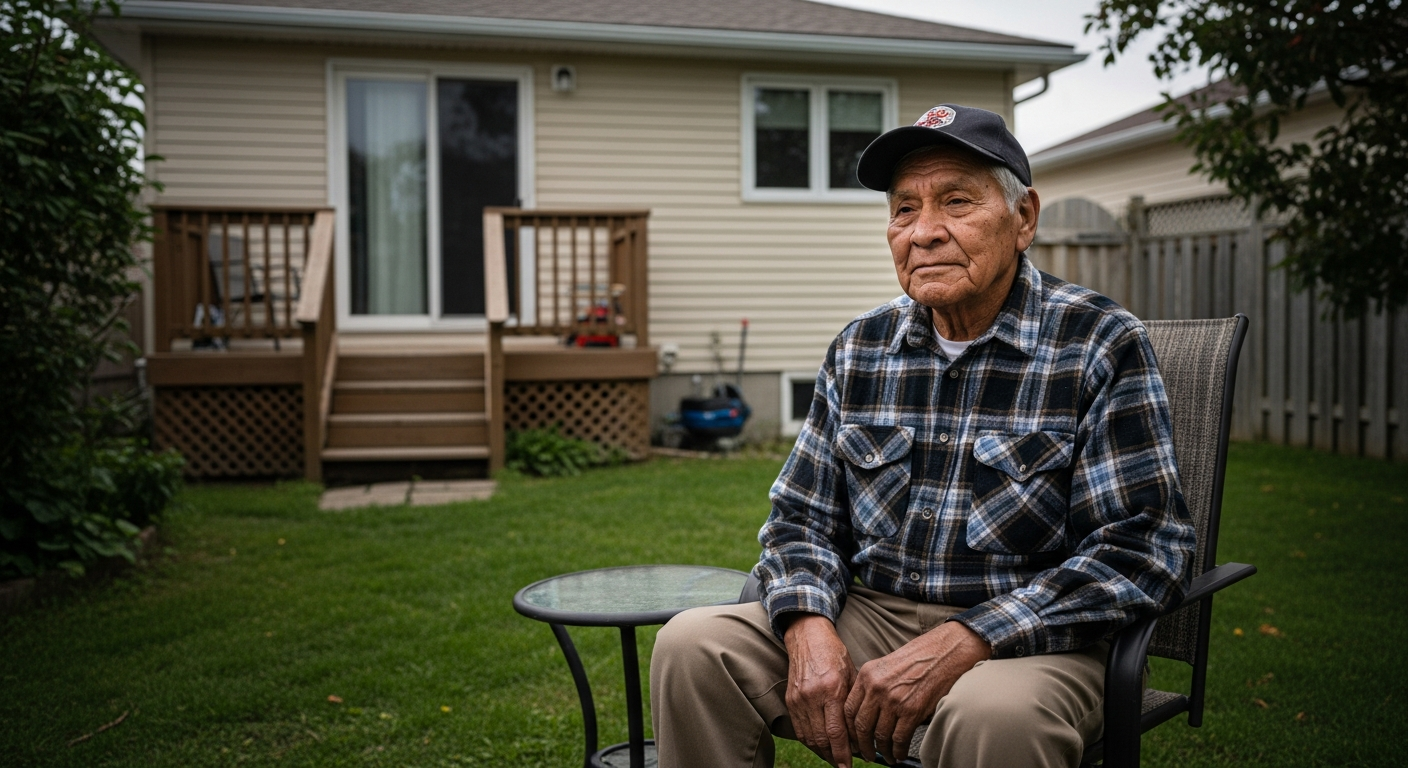
Meet Ruth, 76, with Type 2 diabetes, hypertension, and early-stage kidney disease. She's been managing these conditions "well enough" on medication alone, but her recent A1C (diabetes marker) was 8.2—higher than target—and her kidney function is declining slowly.
Before Reverse Mortgage Nutrition Support:
- Ruth manages her diet alone, guessing at carbs and sodium limits
- She eats what's convenient, often high-sodium frozen foods
- Her medications aren't optimized because nutrient interactions aren't analyzed
- Her A1C remains elevated; her kidney doctor expresses concern
- No family education—her daughter doesn't understand her dietary needs
After Reverse Mortgage Funding (4 RD sessions + meal planning):
- Ruth consults a registered dietitian who reviews her medications and analyzes interactions
- Her meal plan is customized for kidney disease AND diabetes
- A meal prep service delivers specialized meals 3×/week (funded by RM)
- Her daughter attends one session and learns to support Ruth's nutrition
- Within 4 months: A1C drops to 7.1; kidney function stabilizes
- Ruth feels energized and less anxious about managing her health
Cost: $1,800 in RD services + $3,000 in meal prep service = $4,800 from reverse mortgage funds Prevented: Hospitalization for diabetic crisis or kidney event (would have cost $6,000–$10,000) Gained: Improved health markers, better quality of life, family support
Combining Reverse Mortgage Funds with Government Resources
Ontario offers some nutrition support programs that can be combined with reverse mortgage funding:
| Program | Eligibility | What It Covers | RM Funding Fills |
|---|---|---|---|
| Telehealth Ontario | All Ontarians | Free RD consultation (wait times vary) | Cost of private expedited access |
| Registered Dietitian Coverage (Some Health Plans) | Employed, retirees with benefits | 50–80% of RD costs | Remaining gap + meal prep services |
| Diabetes Education Programs (Public) | Diagnosed Type 2 diabetes | Group classes (not personalized) | Individual RD assessment and custom planning |
| Community Nutritional Support | Some municipalities | Occasional workshops | Ongoing professional support |
Reverse mortgages maximize the value of free or partially-covered programs by funding the personalized, professional-grade support that makes biggest impact.
Key Takeaways
- Professional nutrition counseling prevents costly hospitalizations and maintains independence in aging
- Registered dietitian services cost $1,600–$2,400 annually but prevent $5,000–$8,000 in preventive crisis costs
- Reverse mortgages fund ongoing RD support without depleting retirement savings
- Medication-nutrient interactions require professional analysis—guessing can cause serious problems
- FSRAO and CMHC both recognize preventive healthcare funding as a legitimate reverse mortgage use
- Family education through RD sessions improves caregiver support and adherence
Frequently Asked Questions
Is a registered dietitian covered by my health insurance?
Partially, often. If your family doctor prescribes dietary management for a medical condition (diabetes, heart disease, kidney disease), many insurers cover 50–80% of RD costs. Reverse mortgage funds cover the copay and any costs insurance doesn't cover. Contact your insurance provider to confirm coverage before consulting an RD.
Can I use reverse mortgage funds for meal delivery services like Chef Box or pre-made meal plans?
Yes, but context matters. If a registered dietitian recommends specific meal delivery services (because they're low-sodium, diabetic-friendly, high-protein, etc.), reverse mortgage funds can cover them. Generic meal delivery without professional nutrition context is less compelling. Ask your RD which services align with your specific health needs.
How often should I see a registered dietitian once I've had the initial assessment?
Most chronic conditions benefit from quarterly check-ins (4 sessions per year) as medication, health status, appetite, and lab values change. Some people need less frequent follow-up; others (like post-surgery or during cancer treatment) need more. Your RD will recommend frequency. Reverse mortgage funds allow this to happen predictably.
What if I have swallowing difficulties? Can an RD help?
Absolutely. Registered dietitians specializing in dysphagia can design safe, nutritious meal plans for swallowing difficulties, teach family caregivers proper texture modification, and ensure you're meeting caloric and protein needs despite eating limitations. This is a high-value use of RD services—it directly prevents malnutrition and aspiration risk.
Are virtual/telehealth RD consultations as effective as in-person?
Often yes. For nutrition counseling, virtual works well—you can show your RD your kitchen, your food, your medication bottles, and discuss your actual eating environment. Virtual also removes travel barriers if mobility is limited. In-person is better if your RD needs to assess your eating function (swallowing, dexterity, appetite responses), but most consultations benefit from hybrid: one in-person assessment, then virtual follow-ups.
Can I combine nutrition counseling funding with other reverse mortgage uses?
Yes. Your reverse mortgage funds can cover multiple priorities: nutrition counseling, home modifications, property taxes, healthcare costs. Many people use a line of credit to fund ongoing RD support while also accessing lump sums for renovations or debt payoff. Work with Rick Sekhon to design a strategy that covers your priorities.
Is cost preventing you from accessing professional nutrition support? Contact Rick Sekhon Reverse Mortgages. We'll show how reverse mortgage funds can provide the registered dietitian support that prevents hospitalizations, improves health markers, and maintains your independence. Free consultation—call today.
Ready to Learn More?
Find out exactly how much you could unlock from your home — free and no obligation.
Related Articles
Reverse Mortgage for Professional Home Energy Audit and Green Building Certification
Fund professional energy audits, Energy Star certification, and retrofit recommendations. Lower Ontario heating costs while improving home value.
Read →Reverse Mortgage for HVAC Diagnostics and Predictive Maintenance Contracts
Fund HVAC system diagnostics and preventive maintenance contracts to avoid emergency furnace/AC failures in retirement.
Read →Reverse Mortgage for Pet Cremation and Memorial Services: Honoring Your Companion's Legacy
Fund pet cremation, urns, and memorial services in retirement. Honor your beloved companion's legacy with a reverse mortgage.
Read →