
Reverse Mortgage When Aging Parent Owes Back Spousal Support: Managing Old Family Law Debts
Clear accumulated back alimony and spousal support debt in retirement. Avoid collections and wage garnishment on CPP/OAS payments.
Decades-old spousal support obligations that were ignored or partially paid can resurface during retirement with compounding interest and collection enforcement. When an aging parent discovers they owe $15,000–$50,000+ in back alimony accumulated over years of missed payments, it threatens their retirement security and can trigger wage garnishment of CPP payments or enforcement liens against their home. A reverse mortgage provides a strategic way to settle family law debt before it damages retirement income and housing stability.
Understanding Spousal Support Enforcement in Ontario
Spousal support obligations do not expire in Canada. Back alimony (unpaid spousal support) accumulates with interest at prescribed rates (currently 2% annually), and remains enforceable indefinitely through Family Responsibility Office (FRO) collection, wage garnishment, property liens, and court enforcement.
Ontario's Family Responsibility Office is authorized to:
- Garnish CPP and OAS payments (up to 50% of OAS can be garnished for family support obligations)
- Register liens against your Ontario property
- Seize bank accounts and investments
- Suspend driver's licenses
- Refer cases to creditor collection agencies
For a senior with accumulated back spousal support of $30,000, enforcement actions can devastate retirement income and housing stability.
According to Statistics Canada, an estimated 15–20% of older Canadians have unresolved family law debts from previous relationships, many dating back 20–30 years to divorces during midlife career transitions.

How Back Alimony Accumulates and Grows in Retirement
| Original Monthly Obligation | Years Not Paid | Interest Accumulation | Total Owed at 2% Annual Interest |
|---|---|---|---|
| $200/month ($2,400/year) | 10 years | ~$2,400 | $29,400 |
| $300/month ($3,600/year) | 15 years | ~$5,400 | $59,400 |
| $400/month ($4,800/year) | 20 years | ~$9,600 | $105,600 |
| $500/month ($6,000/year) | 12 years | ~$7,200 | $79,200 |
Interest compounds continuously on unpaid balances, turning modest monthly obligations into substantial retirement liabilities.
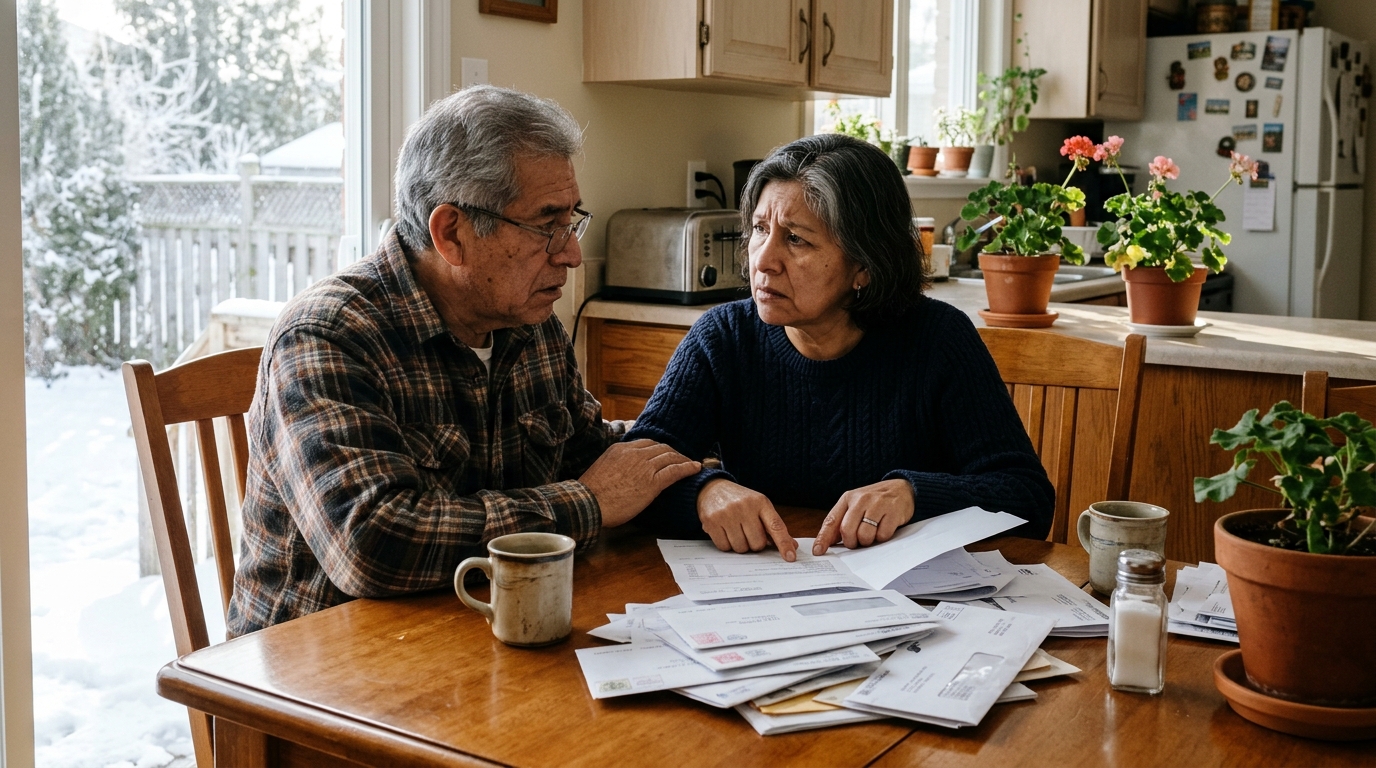
Scenarios: When Back Spousal Support Becomes a Crisis
Scenario 1: Aging Parent Ignored Payment Obligations After Job Loss A senior lost employment at age 58 and stopped paying $300/month spousal support. Now age 70, they discover $65,000+ is owed with interest. Family Responsibility Office is garnishing 40% of their OAS payment ($400+/month), cutting their income below the poverty line.
Scenario 2: Court Orders Were Never Enforced, But Resurface During Estate Planning An aging parent's divorce decree ordered $250/month support that was never enforced during their career. Now planning to retire, a family law search reveals the outstanding obligation and FRO is initiating collection.
Scenario 3: Multiple Ex-Partners, Multiple Support Orders A senior with two previous marriages has support orders from both. One ex-partner is now aggressively pursuing collection through FRO, and the combined obligations threaten the senior's ability to remain in their home.
Impact of Spousal Support Garnishment on CPP and OAS
While CPP is generally protected from creditor garnishment, spousal support and child support obligations are exceptions. Family Responsibility Office can garnish up to:
- 50% of OAS payments (Old Age Security can be garnished for family support)
- Significant portions of CPP (up to 50% in some circumstances for spousal support)
- Bank accounts and investments without court order if registered with FRO
- Tax refunds (CRA can intercept GST credits and tax refunds)
For a senior receiving $1,800/month OAS and $1,200/month CPP ($3,000 total), a 50% garnishment of OAS leaves them with only $2,100/month—below the poverty line.
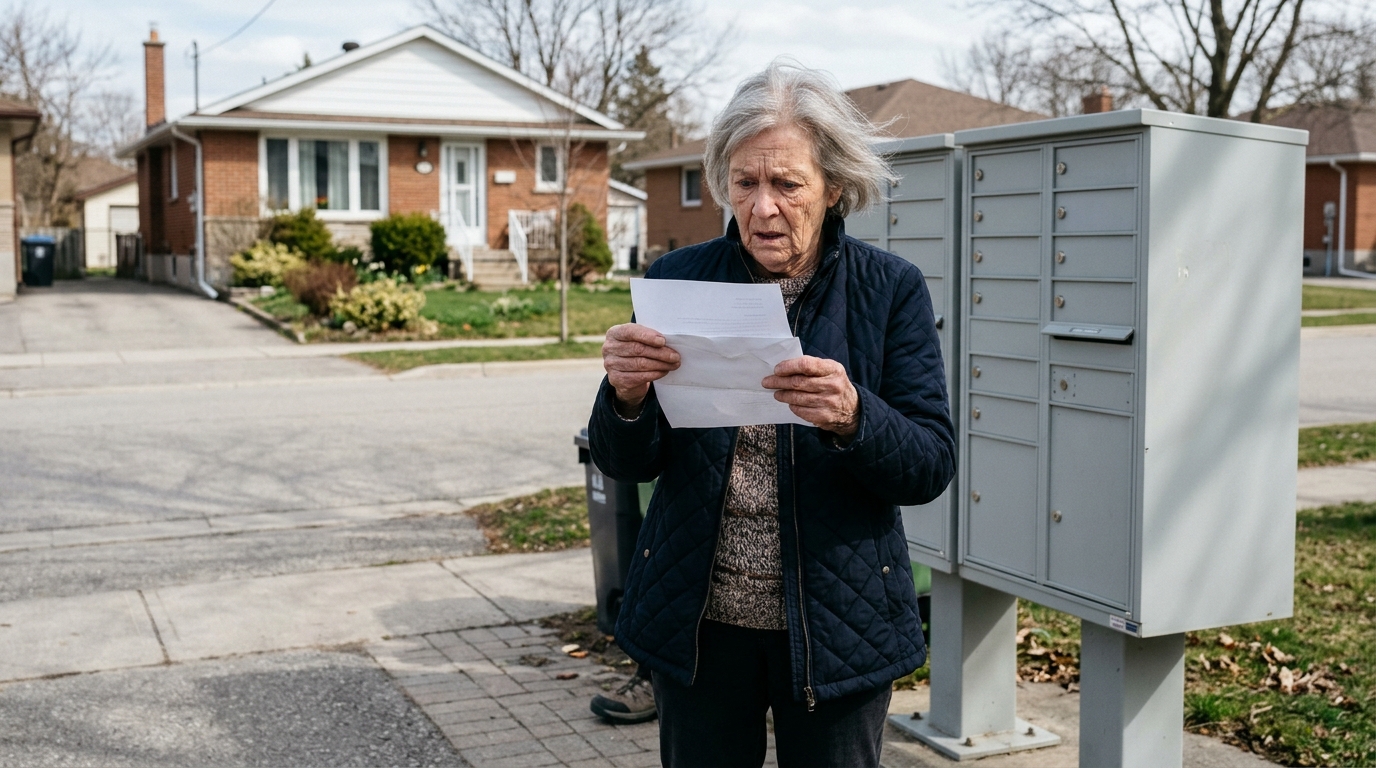
Reverse Mortgage Strategy for Settling Back Spousal Support
According to FCAC (Financial Consumer Agency of Canada), seniors in enforcement collection for spousal support obligations face an average loss of $3,500+ annually in garnished CPP/OAS income, making lump-sum settlement through a reverse mortgage a significantly more cost-effective approach than multi-year garnishment.
A reverse mortgage provides a clean exit from spousal support enforcement:
- Identify total obligation owed through FRO records (request printout showing principal, interest, and any administrative fees)
- Apply for reverse mortgage on your Ontario home
- Receive lump sum or structured funding sufficient to settle the full amount
- Pay FRO directly to clear the obligation completely
- Request discharge letter from FRO confirming debt is satisfied
- Stop experiencing wage garnishment and reclaim full CPP/OAS income
This approach eliminates the monthly garnishment hit, which often exceeds the benefit of lump-sum settlement. A $30,000 back alimony settlement funded through a reverse mortgage is worth more than paying $500/month in garnishment while the debt continues to compound with interest.
Legal Defenses and Settlement Negotiation
Before automatically settling the full amount, consult a family law lawyer about:
- Statute of limitations: While spousal support doesn't technically expire, enforceability may be challenged if decades have passed with no collection effort
- Changed circumstances: If you experienced genuine financial hardship (unemployment, health crisis), you may be able to negotiate reduced interest or settlement
- Creditor claims: Some courts recognize that settlements with creditors reduce interest burden
- Disability or health claims: Legitimate hardship may reduce compounding interest rates
A family law lawyer ($1,000–$3,000 consultation) might identify grounds to negotiate the settlement down by 10–20%, making the reverse mortgage settlement even more attractive.
Working With Rick Sekhon and Reverse Mortgage Lenders
CHIP, HomeEquity Bank, and Equitable Bank support reverse mortgages for debt consolidation and family law settlement purposes. When working with Rick Sekhon or a reverse mortgage specialist:
- Provide FRO documentation showing exact amounts owed
- Consult a family law lawyer about settlement negotiation first
- Structure the reverse mortgage for either lump-sum settlement or structured payment over time
- Request FRO discharge letter confirming debt satisfaction after payment
- Restore full CPP/OAS income without ongoing garnishment
This typically takes 4–8 weeks from reverse mortgage application to settlement completion.
Long-Term Planning: Preventing Future Family Law Debt
Once a spousal support obligation is settled through a reverse mortgage, implement systems to prevent re-accumulation:
- Make annual payments if new support obligations arise (e.g., late-life marriage, renegotiated agreements)
- Automate payments through your bank to avoid lapses
- Monitor FRO accounts annually to ensure no arrears are accumulating
- Update will and estate documents reflecting resolved family law obligations
- Inform adult children of any settled obligations to prevent surprise during estate administration
Key Takeaways
- Back spousal support accumulates at 2% annual interest indefinitely and can total $30,000–$100,000+ over 10–20 years
- Family Responsibility Office can garnish up to 50% of OAS and significant portions of CPP for unpaid spousal support
- A single lump-sum reverse mortgage settlement eliminates ongoing garnishment and interest accumulation
- Family law consultation ($1,000–$3,000) before settlement may identify grounds to negotiate reduced interest or amounts
- CHIP, HomeEquity Bank, and Equitable Bank support reverse mortgages specifically for family law debt settlement
Frequently Asked Questions
Can the Family Responsibility Office garnish my CPP or OAS without court approval?
Yes. Unlike ordinary creditors, FRO has automatic authority to garnish CPP and OAS for spousal support obligations without additional court orders. This is why settling the obligation through a reverse mortgage is urgent—ongoing garnishment reduces retirement income permanently until the debt is paid.
Will settling my back spousal support debt through a reverse mortgage affect my estate or my children's inheritance?
No. The reverse mortgage is secured only against your home's equity. Your adult children will inherit the home minus the reverse mortgage balance owing (if any). Settling old spousal support obligations through a reverse mortgage actually protects your estate from ongoing interest accumulation and enforcement costs that would further reduce the inheritance.
Can I negotiate a payment plan with Family Responsibility Office instead of paying the full amount with a reverse mortgage?
Yes. FRO will sometimes accept payment plans if you're not currently in default. However, interest continues accruing on unpaid balances, so a 60-month plan still costs significantly more than a lump-sum settlement. A reverse mortgage lump sum is almost always more cost-effective than a long-term payment plan.
How long does the reverse mortgage application process take if I need to settle spousal support debt quickly?
Typically 4–8 weeks from application to funding. If FRO is aggressively garnishing your wages or threatening enforcement action, expedited processing may be available. Rick Sekhon's team can discuss accelerated timelines if you're in acute hardship.
If I had legitimate reasons not to pay spousal support (unemployment, health crisis), can I use that as a defense to reduce the amount I owe?
Possibly. A family law lawyer can review your circumstances and may find grounds to request interest reduction or settlement negotiation with FRO. Some courts recognize that genuine hardship during non-payment periods justifies reduced compounding interest. Consult a lawyer before automatically accepting the stated amount.
What happens if my ex-partner objects to the spousal support settlement or claims I'm hiding assets?
Once paid through a reverse mortgage, FRO issues a discharge letter confirming the obligation is satisfied. Your ex-partner cannot re-open the case to claim you hid assets unless they can prove fraud or material non-disclosure at the time of the original court order. A reverse mortgage settlement is a clean, documented end to the obligation.
Ready to Learn More?
Find out exactly how much you could unlock from your home — free and no obligation.
Related Articles
Reverse Mortgage for Basement Theater Conversion: Creating Multigenerational Entertainment Space
Convert your basement into an accessible home theater. Fund entertainment space for aging in place and multigenerational family gatherings.
Read →Reverse Mortgage for Professional Home Energy Audit and Green Building Certification
Fund professional energy audits, Energy Star certification, and retrofit recommendations. Lower Ontario heating costs while improving home value.
Read →Reverse Mortgage for HVAC Diagnostics and Predictive Maintenance Contracts
Fund HVAC system diagnostics and preventive maintenance contracts to avoid emergency furnace/AC failures in retirement.
Read →