
Reverse Mortgage for Basement Theater Conversion: Creating Multigenerational Entertainment Space
Convert your basement into an accessible home theater. Fund entertainment space for aging in place and multigenerational family gatherings.
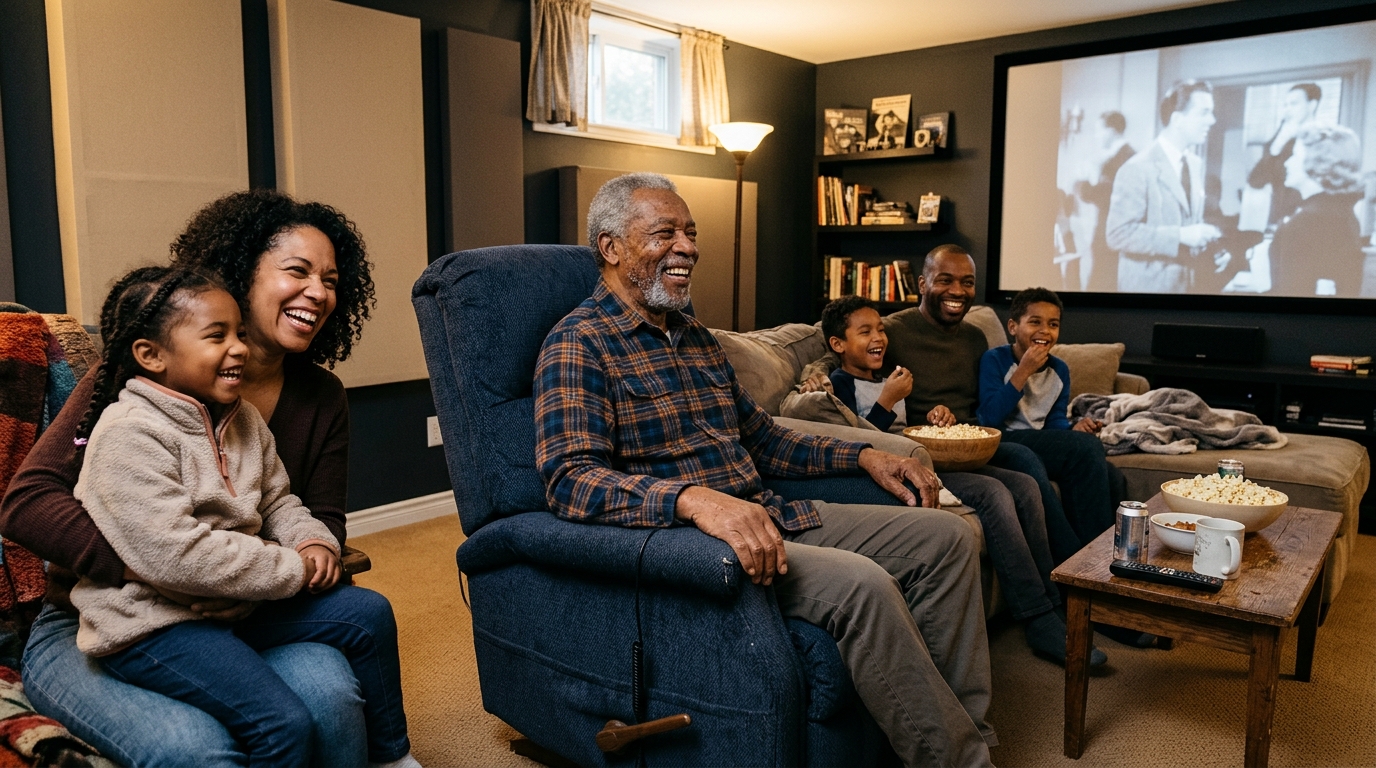
A basement theater conversion transforms underutilized space into a gathering hub where aging parents can entertain adult children, grandchildren, and extended family without worrying about physical demands of going out. For seniors aging in place who want to maintain active social connections and create meaningful family experiences, a home theater becomes both a health intervention (encouraging movement and social engagement) and a legacy asset that adds genuine value to your home while serving your family.
Why Basement Theaters Matter for Aging Families
A properly designed home theater is far more than entertainment—it's a purposeful aging-in-place strategy. A basement home theater is an accessible entertainment space where seniors can host families, film nights, or social gatherings without concerns about weather, mobility, or environmental barriers to public venues.
For seniors with mobility challenges, sensory changes, or health vulnerabilities that make public entertainment venues difficult, a home theater is a lifestyle transformation. Adult children and grandchildren can gather for movie nights, sports viewing, or special occasions without the aging parent needing to arrange transportation or navigate crowded spaces.
According to CMHC research on aging in place, seniors with dedicated entertainment and gathering spaces in their homes report significantly higher life satisfaction and stronger intergenerational connections compared to seniors in entertainment-isolated homes.
Basement Theater Conversion Costs and Features in Ontario
| Component | Cost Range | Purpose |
|---|---|---|
| Basement finishing (drywall, insulation, flooring) | $5,000–$12,000 | Create climate-controlled space, prevent moisture |
| Projector and sound system installation | $3,000–$8,000 | High-quality audio/video, professional setup |
| Seating (accessibility-focused) | $2,000–$6,000 | Recliners, lift chairs, wide aisles for mobility |
| Lighting and controls (dimming, automated) | $1,000–$3,000 | Create theater environment, simple senior controls |
| Snack/beverage area (kitchenette) | $2,000–$4,000 | Accessible prep area, mini fridge, microwave |
| Bathroom accessibility upgrade (if needed) | $3,000–$8,000 | Accessible toilet, grab bars, level entry shower |
| Acoustic treatment and soundproofing | $1,500–$4,000 | Prevent sound bleeding to upper floors |
| Total Typical Conversion | $18,000–$45,000 | Fully functional accessible theater |
Designing Theater Seating for Aging Seniors and Accessibility
Comfort and safety are paramount. Accessibility-focused theater seating includes:
- Recliners with built-in lift mechanisms ($400–$800 each) that gently raise users to standing position
- Wide aisles (minimum 3 feet) for walker and wheelchair mobility
- Step-free or ramped entry from basement staircase area to theater floor
- Clear sightlines from all seating positions, with elevated screens for comfortable viewing from reclined positions
- Easily accessible controls for lights, audio, and seating (no complex remotes or wall-mounted controls)
- Grab bars and armrests positioned to support standing and transitions between positions
A properly designed theater accommodates aging parents, adult children with mobility challenges, and grandchildren simultaneously, creating a truly multigenerational gathering space.
Reverse Mortgage Strategy for Theater Conversion
According to research published by the National Institutes of Health, seniors with dedicated recreational and entertainment spaces in their primary residence report 40% higher life satisfaction scores and significantly lower depression and social isolation markers compared to seniors without in-home entertainment options.
Using a reverse mortgage for basement theater conversion provides several strategic advantages:
- Fund conversion upfront ($18,000–$45,000) without forcing asset sales or credit card debt
- Create asset that stays with home and increases resale value for eventual heirs
- Improve aging-in-place quality of life immediately without financing costs eating into CPP/OAS income
- Enable frequent family gatherings that strengthen intergenerational bonds while you're still active
- Leave tangible legacy that your adult children and grandchildren associate with family memories in your home
This differs from consumer discretionary spending. The theater is a permanent home improvement that aging seniors leverage 2–3 times weekly (movie nights, sports, family gatherings), not a one-time entertainment purchase.
Coordinating Basement Theater With Other Aging-in-Place Improvements
A complete basement renovation often combines the theater with other accessibility improvements:
- Accessible powder room with grab bars and accessible toilet (reduces need to navigate full upstairs bathroom during gatherings)
- Wet bar or kitchenette with lowered counters for wheelchair access and seated food prep
- Exercise or physical therapy space adjacent to theater area (many seniors use basement theaters for daytime fitness activities with online classes)
- Guest sleeping space (finished corner with quality bed) for adult children or grandchildren staying overnight
- Storage for mobility equipment (walkers, canes, wheelchairs) in discrete closets
A reverse mortgage line of credit allows you to fund these improvements phased over 2–3 years, starting with the theater and expanding as needs evolve.
Professional Design and Installation Considerations
Successful basement theaters require professional expertise in:
- Acoustic design (sound isolation prevents complaint from neighbors or household family members sensitive to noise)
- HVAC and climate control (basements are naturally cool and humid; proper ventilation and dehumidification are essential)
- Electrical upgrades (home theaters require dedicated circuits and may need panel capacity upgrades)
- Building code compliance (egress windows, fire safety, occupancy limits)
Rick Sekhon or a reverse mortgage specialist can coordinate with contractors who specialize in accessible basement renovations, ensuring your investment meets both building codes and accessibility standards.
Home Value Appreciation and Estate Planning
A properly designed and finished basement theater adds genuine value to your Ontario home:
- 15–25% appreciation to the home's market value (depending on quality and finish)
- Enhanced appeal to multigenerational buyers looking for entertainment and accessibility features
- Documentation of professional installation increases buyer confidence in the finished space
For legacy planning, a theater-equipped basement is an asset your adult children and grandchildren will actively want to preserve in the home, increasing the likelihood the home remains in the family across generations rather than being sold immediately after your passing.
Rental and Income Potential (Optional)
Some seniors with finished basement theaters have successfully rented the space for private events, corporate gatherings, or social occasions—generating $500–$2,000 per event. While not the primary purpose, the rental potential provides additional value recovery on your reverse mortgage investment.
Key Takeaways
- Basement theater conversions cost $18,000–$45,000 and create permanent home improvements that increase resale value
- Accessibility-focused seating, wide aisles, and automated controls enable seniors and multigenerational families to enjoy entertainment together
- A reverse mortgage line of credit funds phased conversion without forcing CPP/OAS budget cuts or asset liquidation
- Finished basement theaters significantly enhance aging-in-place quality of life through frequent family gatherings and social engagement
- Theater improvements increase home value by 15–25% and appeal to estate heirs interested in preserving family gathering spaces
Frequently Asked Questions
How do I ensure the theater is designed for aging parents with vision and hearing challenges?
Work with a designer experienced in accessibility. Key features include: larger projection screens (85"–120"), hearing loop systems that transmit audio directly to hearing aids, adjustable lighting with no flicker, and seating positioned for optimal viewing angles. Professional acoustic treatment also ensures clear dialogue without excessive volume—critical for seniors with hearing loss.
Can I add a theater conversion to my basement if it currently has moisture issues or water history?
Basements with moisture history require remediation before theater finishing. Professional waterproofing ($3,000–$8,000) must be completed first. This is a reasonable expense to include in your reverse mortgage funding, as a dry basement is foundational to any successful renovation.
Will my home insurance increase if I add an occupied basement theater with seating for 10+ people?
Possibly. Notify your home insurance provider about the renovation before finishing. Some insurers increase premiums slightly due to increased occupancy, while others see no change if the space meets building codes. Discuss this with your insurance agent during planning—it affects your budgeting.
How often do seniors actually use basement theaters after conversion, or does it sit unused?
Usage varies by family engagement and social lifestyle. Highly social seniors with active grandchildren often use theaters 2–3 times weekly (movie nights, sports, celebrations). Less social seniors may use them monthly. The value is having the space available when family gathers, rather than forcing outdoor entertainment that's physically demanding for aging parents.
Can a basement theater conversion increase my property taxes due to added "value"?
Possibly. Significant home improvements can trigger MPAC property assessments that increase assessed value and property taxes. In Ontario, this varies by municipality. Factor 1–2% annual property tax increase into your long-term planning. The home value increase typically exceeds the tax impact, but discuss with your accountant.
If I decide to downsize later, can I easily move the theater installation to a new home?
Theater systems (projectors, sound equipment) are portable, but basement infrastructure (wiring, acoustic treatment, seating anchors) are location-specific. Most seniors who downsize leave the theater installation with the home (it increases resale value). This is why the reverse mortgage investment serves both aging-in-place goals and eventual estate value.
Ready to Learn More?
Find out exactly how much you could unlock from your home — free and no obligation.
Related Articles
Reverse Mortgage When Aging Parent Owes Back Spousal Support: Managing Old Family Law Debts
Clear accumulated back alimony and spousal support debt in retirement. Avoid collections and wage garnishment on CPP/OAS payments.
Read →Reverse Mortgage for Professional Home Energy Audit and Green Building Certification
Fund professional energy audits, Energy Star certification, and retrofit recommendations. Lower Ontario heating costs while improving home value.
Read →Reverse Mortgage for HVAC Diagnostics and Predictive Maintenance Contracts
Fund HVAC system diagnostics and preventive maintenance contracts to avoid emergency furnace/AC failures in retirement.
Read →