
Reverse Mortgage for Professional Home Energy Audit and Green Building Certification
Fund professional energy audits, Energy Star certification, and retrofit recommendations. Lower Ontario heating costs while improving home value.
Professional home energy audits are the foundation of smart retrofit planning, but the assessment costs ($300–$800) prevent many Ontario seniors from identifying where their home is leaking money. A reverse mortgage can fund a comprehensive Professional Home Energy Audit, revealing exactly which renovations will deliver the highest return in heating cost savings and comfort improvements. For seniors aging in place on fixed incomes, a strategic energy retrofit funded through a reverse mortgage can literally save thousands in annual heating costs.
Why Energy Audits Matter for Aging-in-Place Seniors
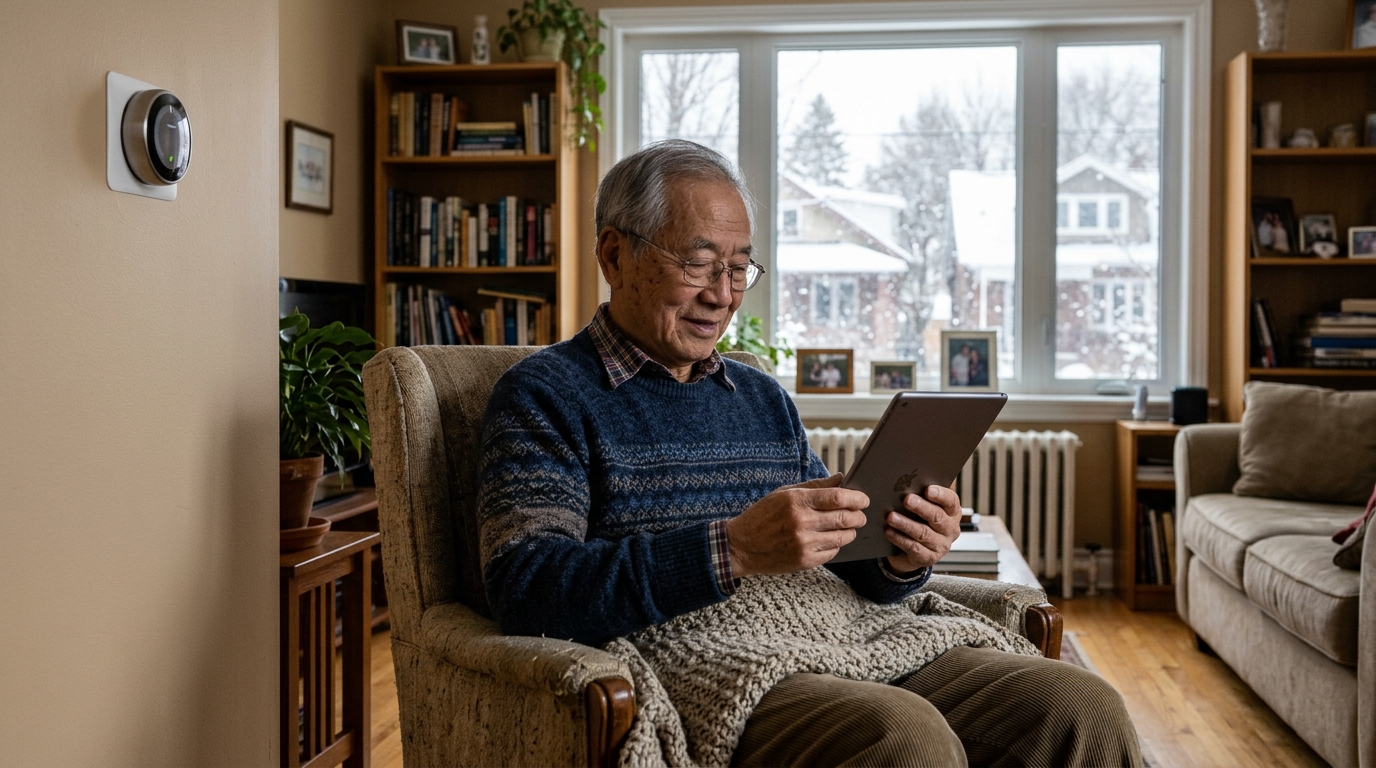
Energy efficiency directly affects your comfort and safety while aging at home. An aging home with poor insulation, air leaks, and inefficient heating creates thermal discomfort, increases humidity-related mold risk, and forces seniors to choose between heating costs and health.
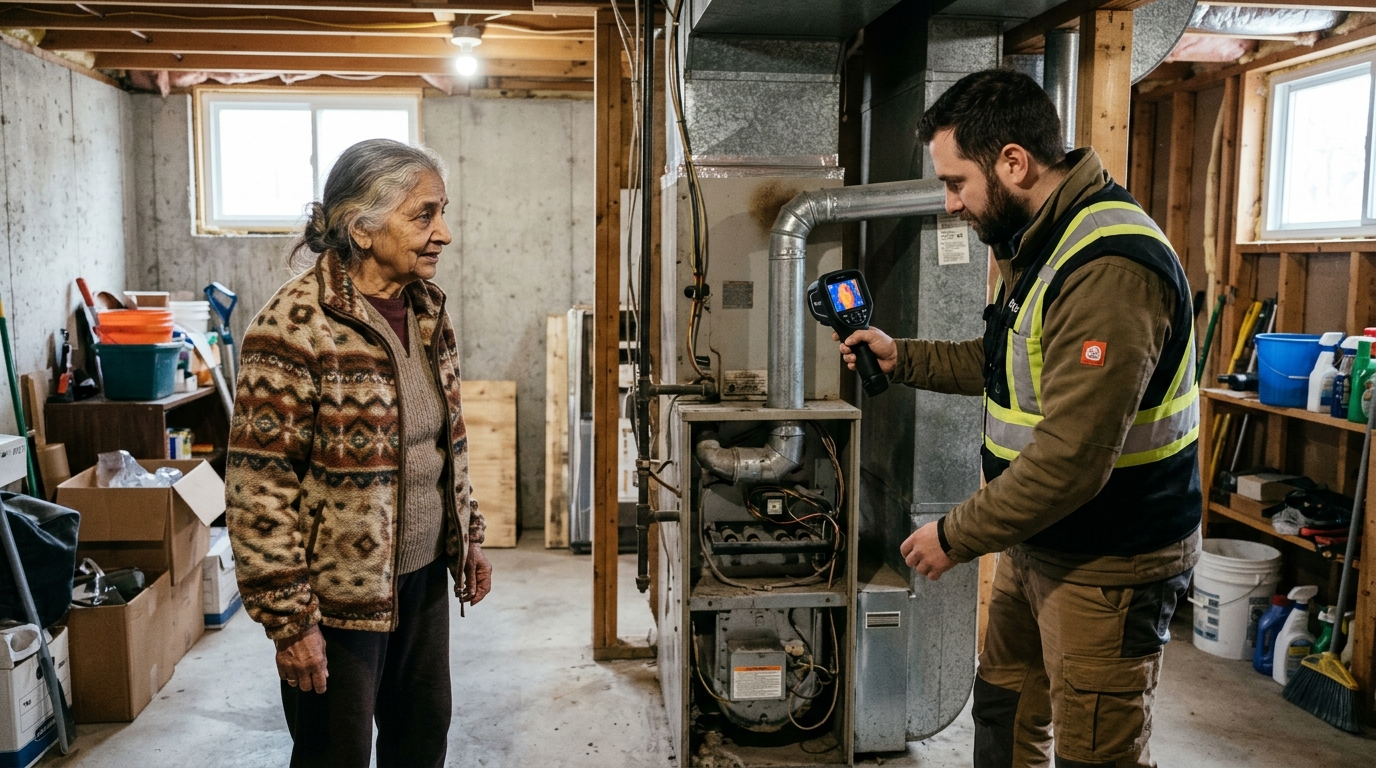
A Professional Home Energy Audit is a comprehensive building science evaluation where a certified auditor uses thermal imaging, blower door testing, and measurements to quantify how much heat escapes your home and which components are responsible. The audit generates a prioritized retrofit roadmap, showing you exactly which improvements will reduce heating costs and improve comfort.
According to Statistics Canada, seniors aged 65+ spend an average of $2,400 annually on home heating in Ontario, with poorly insulated homes reaching $4,000+ in brutal winters. A strategic energy retrofit can reduce this by 20–40%.
Energy Audit and Certification Services in Ontario
| Service | Cost | Timeline | Key Information |
|---|---|---|---|
| Professional Energy Audit (EnerGuide) | $300–$600 | 3–5 hours on-site | Includes thermal imaging and written report |
| ENERGY STAR Portfolio Manager Setup | $200–$400 | 1–2 weeks | Tracks energy performance over time |
| Blower Door Testing (add-on) | $150–$300 | 1–2 hours | Quantifies air leaks in building envelope |
| Thermal Imaging Scan | $200–$400 | 2–3 hours | Identifies insulation gaps and heat loss areas |
| Energy Star Certification Application | $150–$300 | 4–8 weeks | Certification valid for 1 year |
| Green Building/LEED Consultation | $200–$500 | Ongoing | Advisor for coordinated retrofit strategy |
Understanding EnerGuide Ratings and Energy Star Certification
EnerGuide is a national rating system where a score of 0–100 represents your home's energy efficiency, with higher scores indicating lower energy consumption. A typical aging Ontario home scores 50–65, while a modern high-efficiency home scores 80+. Moving from 55 to 75 can reduce heating costs by 25–35%.
ENERGY STAR certification (not to be confused with appliance-level ENERGY STAR) is awarded to homes that demonstrate energy efficiency significantly better than new home building code requirements. Certification requires:
- Professional energy audit and modeling
- Target score of 80+ on the EnerGuide scale
- Completion of priority retrofits (insulation, windows, HVAC)
- Third-party verification testing
For seniors aging in place, ENERGY STAR certification transforms the home into a health and comfort asset while reducing monthly heating expenses that drain fixed income budgets.
According to CMHC housing research, seniors living in homes with poor energy efficiency report 35% higher rates of respiratory illness, falls, and winter-related health hospitalizations compared to those in well-insulated, efficiently heated homes.
Reverse Mortgage Strategy for Energy Audit and Retrofit Planning
Using a reverse mortgage for professional energy assessment and certification creates several advantages:
- Fund the comprehensive audit ($300–$800) without delaying the assessment
- Receive a detailed retrofit roadmap that prioritizes spending based on cost-effectiveness
- Plan phased improvements over multiple years if needed, with clear ROI expectations
- Apply for provincial grants and rebates (often $1,000–$5,000+) once priorities are identified
- Document improvement value for your estate and future home sale
This differs from guessing which repairs will help most. The audit transforms vague concerns ("My heating bills are high") into specific, measurable targets ("Replacing basement insulation will reduce heating costs by $800 annually").
Provincial Grants and Rebates for Ontario Seniors
Once a professional energy audit identifies retrofit priorities, multiple funding sources become available:
- Canada Greener Homes Grant: Up to $5,600 rebate for retrofits reducing energy consumption 20%+
- Ontario Home Energy Loan Program: Interest-free loans up to $40,000 for energy retrofits (homes 7+ years old)
- Energy Star Certification Rebate: Some municipalities offer $500–$1,000 rebates for homes achieving certification
- HVAC Rebates: $1,000–$2,000 rebates for high-efficiency furnace replacement
- Weatherization Assistance Programs: Variable by municipality; often cover insulation and air sealing
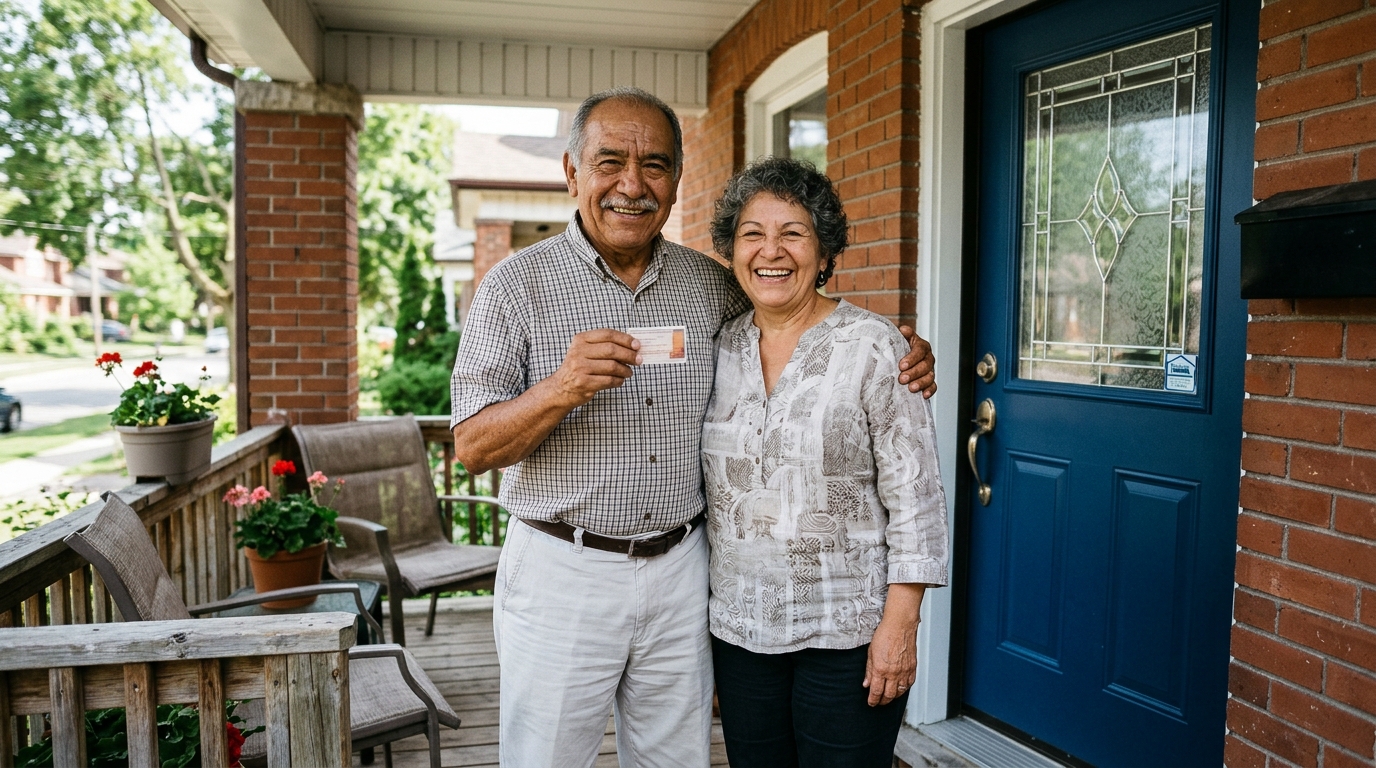
A reverse mortgage audit investment ($500–$800) often unlocks $5,000–$10,000 in grant funding, making the audit essentially free while setting your home on a clear efficiency path.
Working With Rick Sekhon for Strategic Planning
Energy retrofits can become complex projects with multiple contractors and phases. Working with Rick Sekhon or a reverse mortgage specialist who coordinates with energy auditors ensures:
- Clear audit-to-retrofit timeline preventing budget surprises
- Coordination between auditor recommendations and contractor quotes
- Understanding of grant timing (some grants require audit completion before application)
- Reverse mortgage line of credit structured for ongoing retrofit phases rather than a single lump sum
- Documentation of improvements for estate planning and home value protection
CHIP and HomeEquity Bank support reverse mortgages specifically for energy efficiency improvements, recognizing that reduced heating costs directly improve seniors' financial sustainability in retirement.
Energy Efficiency as a Health Investment for Aging Seniors
Beyond the monthly cost savings, energy efficiency is a direct health intervention:
- Improved insulation and air sealing eliminate drafts and cold zones, reducing fall risk from hurrying to warmer areas
- Better thermal control reduces stress on cardiovascular systems (cold exposure increases heart attack risk)
- Lower humidity levels from improved ventilation reduce mold, which triggers respiratory issues and infections
- Consistent indoor temperatures prevent temperature-related cognitive confusion in seniors with dementia
- Reduced heating stress lowers emergency hospitalization risk during extreme cold events
For seniors aging in place with health vulnerabilities, energy retrofits are not just financial optimization—they're health protection funded through home equity.
Long-Term Planning: Retrofit Phases and Timeline
Most efficient retrofits happen in phases over 3–5 years:
Phase 1 (Year 1): Air sealing and weatherization ($2,000–$4,000) Phase 2 (Year 2): Insulation upgrades in basement or attic ($3,000–$6,000) Phase 3 (Year 3): Window replacement or HVAC upgrade ($5,000–$12,000) Phase 4 (Year 4+): Advanced systems (solar, geothermal) if eligible for grants
A reverse mortgage line of credit allows you to fund phases as priorities become clear, rather than forcing a massive upfront expenditure. Interest only accrues on funds withdrawn.
Key Takeaways
- Professional energy audits cost $300–$800 and deliver detailed, prioritized retrofit roadmaps based on building science
- ENERGY STAR certification requires homes to achieve 80+ EnerGuide score, typically reducing heating costs 25–35%
- Energy audits unlock access to $5,000–$10,000+ in provincial and federal grant funding for retrofits
- Reverse mortgage funding for audits provides immediate clarity on which improvements deliver highest ROI
- Energy efficiency is both a cost-saving and health-protecting intervention for seniors aging in place
Frequently Asked Questions
How long does an EnerGuide audit take and what happens during it?
A professional audit typically takes 3–5 hours on-site. The auditor performs thermal imaging to identify insulation gaps, conducts blower door testing to measure air leakage, inspects HVAC systems, and reviews your heating and utility history. You receive a detailed written report with energy modeling and retrofit recommendations prioritized by cost-effectiveness.
Will ENERGY STAR certification increase my home's resale value?
Yes. Homes with ENERGY STAR certification typically command 3–5% higher sales prices in Ontario real estate markets. For a $500,000 home, that's $15,000–$25,000 in additional value. Lower heating costs and documented efficiency are highly attractive to buyers, especially retirees looking to reduce fixed costs.
Can I get an energy audit if my home is a condo or townhouse rather than a detached home?
Yes. Condos and townhouses can be audited and may qualify for ENERGY STAR certification, though results depend on the building envelope (how much of the perimeter is external vs. shared with neighbors). Condo residents often cannot undertake major retrofits without board approval, so audits help identify window improvements, insulation, and HVAC upgrades under your sole control.
What's the payback period for typical energy retrofit recommendations?
A $2,000–$3,000 air sealing and weatherization project typically pays back in 2–3 years through reduced heating costs ($600–$1,000 annual savings). A $6,000–$8,000 insulation upgrade pays back in 4–5 years. A $10,000+ HVAC system upgrade pays back in 7–10 years. Factor in available grants (often 30–40% of costs), which dramatically shorten payback periods.
If I'm already age 80, is it worth funding an energy audit for retrofits I may not live to recoup through savings?
Yes. Even if you don't recoup costs through personal savings, energy retrofits increase home value and comfort during your remaining years, which improves quality of life and estate value for heirs. Additionally, lower heating costs improve monthly cash flow immediately, which matters more than long-term payback when on a fixed income.
Can I apply for provincial grants and rebates if I fund the initial work with a reverse mortgage?
Yes. Most provincial and federal grant programs don't restrict funding source—only that the work meets their efficiency standards. A reverse mortgage-funded retrofit documented with professional audit meets all grant application requirements. Some programs even offer higher rebates for seniors or households with fixed income.
Ready to Learn More?
Find out exactly how much you could unlock from your home — free and no obligation.
Related Articles
Reverse Mortgage When Aging Parent Owes Back Spousal Support: Managing Old Family Law Debts
Clear accumulated back alimony and spousal support debt in retirement. Avoid collections and wage garnishment on CPP/OAS payments.
Read →Reverse Mortgage for Basement Theater Conversion: Creating Multigenerational Entertainment Space
Convert your basement into an accessible home theater. Fund entertainment space for aging in place and multigenerational family gatherings.
Read →Reverse Mortgage for HVAC Diagnostics and Predictive Maintenance Contracts
Fund HVAC system diagnostics and preventive maintenance contracts to avoid emergency furnace/AC failures in retirement.
Read →