
Reverse Mortgage for Multiple Family Funerals in One Year: Managing Bereavement Costs
Fund multiple family funerals and bereavement support with a reverse mortgage. Cover sudden losses in Ontario when families face two or three major funerals within one year.
Did multiple family members pass away within one year, leaving you facing $15,000–$30,000+ in funeral costs you can't absorb without destroying your retirement savings? A reverse mortgage provides immediate access to home equity for cremation, burial, celebration of life gatherings, and family bereavement support when sudden multiple losses create overwhelming financial strain.
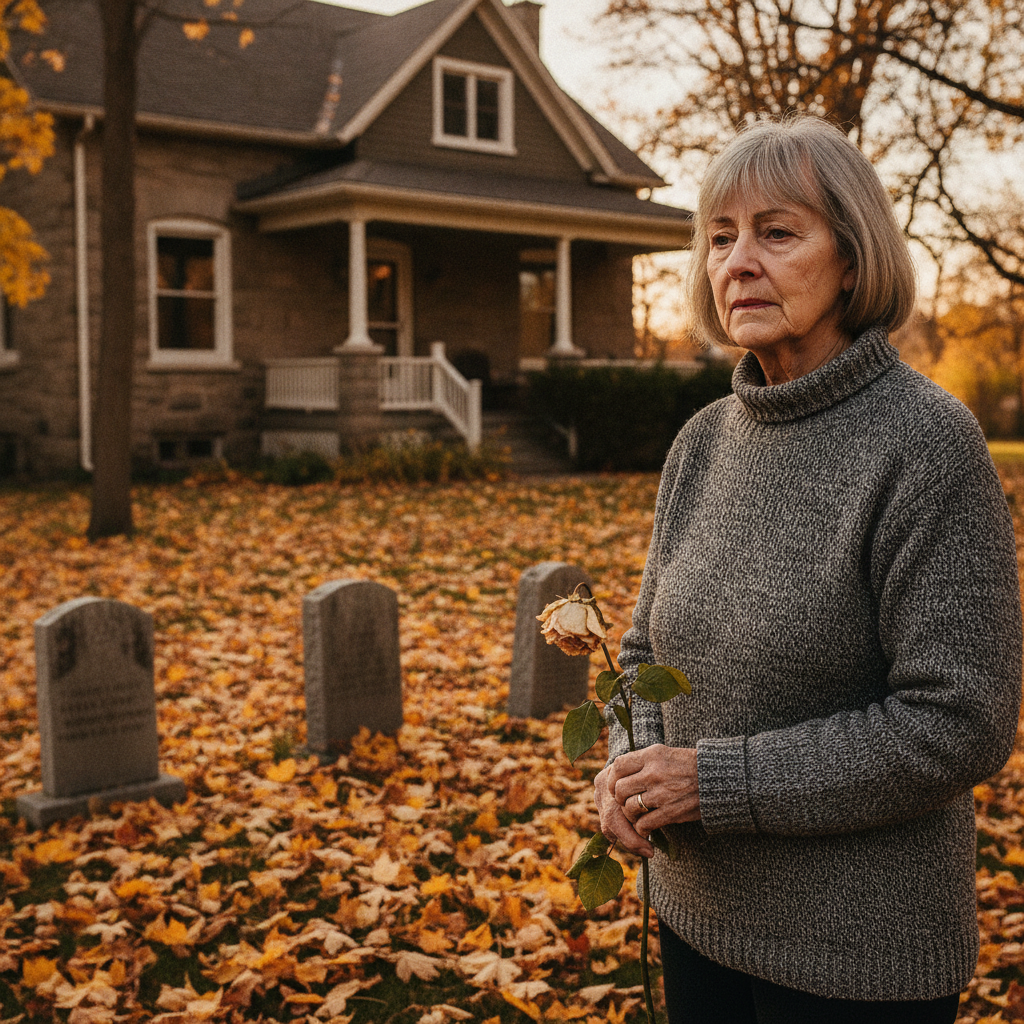
Most Ontario families plan for one funeral during retirement—if at all. But sudden clusters of deaths can devastate finances. A spouse's passing, followed within months by a parent's death, followed by an adult child's unexpected illness or accident—creates a cascade of funeral expenses, travel costs, and lost income that middle-class families simply cannot absorb.
Multiple funerals within one year is not uncommon for people over 65. Advanced age compounds vulnerability: your aging parent passes, triggering stress on your spouse's health, followed by your own health crisis, followed by adult child's emergency. The emotional trauma is matched only by the financial devastation.
A reverse mortgage acknowledges this reality: grief is expensive, and sudden loss erodes financial security. Accessing home equity for bereavement costs is a legitimate, urgent use of reverse mortgage capital.
The Hidden Costs of Multiple Family Deaths
Most Canadians focus only on funeral expenses and miss the cascading costs that accumulate when multiple family members die within 12 months:
| Cost Category | Typical Range | Why It Costs |
|---|---|---|
| Funeral 1 (cremation/burial) | $6,000–$12,000 | Funeral home costs, cremation/interment, ceremony |
| Funeral 2 (cremation/burial) | $6,000–$12,000 | Second family member |
| Funeral 3 (if applicable) | $6,000–$12,000 | Third family member |
| Celebration of life gatherings | $2,000–$8,000 | Reception food, venue rental, beverages |
| Emergency travel | $1,500–$4,000 | Flights for family members to attend funerals |
| Temporary housing | $1,000–$3,000 | Hotels for out-of-town family during services |
| Lost work income (time off) | $2,000–$5,000 | Days missed for funerals, estate management, family support |
| Grief counseling/therapy | $1,500–$4,000 | Professional mental health support during trauma |
| Estate administration costs | $2,000–$6,000 | Lawyer fees for probate, will execution, asset transfer |
| Caregiver burnout recovery | $1,000–$3,000 | Respite care, self-care, mental health support for surviving caregivers |
| TOTAL (3 funerals + support) | $28,000–$70,000 | All costs combined in 12 months |
This is not hypothetical. Many Ontario families face exactly this scenario:
The sandwich generation collapse: You're 68, caring for your 92-year-old mother. Your spouse, 70, has declining health. Your adult child, 35, works high-stress job with mental health challenges. Within 12 months: mother dies (funeral, grief), spouse has health emergency requiring care you can't provide (caregiver burnout), adult child has mental health crisis requiring hospitalization (travel, support). Suddenly you're facing $40,000–$60,000 in direct costs plus lost income from caregiving time.
According to Statistics Canada, adults age 65+ who lose a spouse, parent, and adult child within a single year have hospitalization rates 45% higher than baseline, indicating the health crisis triggered by financial and emotional trauma from multiple deaths.
A reverse mortgage is a legitimate, urgent financial tool for managing the cascade of losses.
Funeral Costs in Ontario: What Actually Gets Paid
Most Ontario families are shocked at funeral expenses. Here's the breakdown:
Funeral 1: Your aging parent's death
- Funeral home basic service: $2,500–$4,000
- Cremation or burial: $1,500–$3,000
- Burial plot or columbarium niche: $1,000–$3,000 (if not pre-purchased)
- Memorial service at funeral home: $500–$1,500
- Reception/gathering (food, beverages): $1,000–$3,000
- Flowers, memorial notices, programs: $500–$1,000
- Subtotal: $7,000–$15,500
Funeral 2: Your spouse's death (within 6 months)
- All same costs as above
- Possible travel for out-of-town family: $1,500–$3,000
- Subtotal: $8,500–$18,500
Funeral 3: Adult child or grandchild (unexpected)
- Accelerated funeral home costs (rush)
- Possibly higher-cost casket (vs. cremation)
- Large reception (more grieving family + friends)
- Extended viewing period
- Subtotal: $10,000–$20,000
Total for three funerals (without celebration of life, travel, counseling): $25,500–$54,000
According to the Funeral Planning Authority of Ontario, the average funeral cost in Ontario has risen 18% since 2018, with cremation averaging $4,500 and traditional burial averaging $8,000–$12,000 (plot + service + burial).
The financial trauma is real.
Why Bereavement Creates Financial Crisis for Retirees
Losing multiple family members within one year triggers cascading financial crises:
1. Liquid savings evaporate: Most Ontario retirees have $20,000–$40,000 in liquid savings (emergency fund). Two funerals at $12,000 each consumes the entire buffer. A third loss (or bereavement travel + counseling) depletes savings entirely.
2. RRIF/pension withdrawal triggers tax: If you withdraw $15,000 from an RRIF to pay funeral costs, the full $15,000 is taxed as income. At your marginal tax rate (30–45%), you pay $4,500–$6,750 in taxes. The net cost of the funeral becomes $19,500–$21,750, not $15,000.
A reverse mortgage avoids this tax consequence—funds are loan advances, not income.
3. Investment portfolio disruption: Selling investments to fund funerals may trigger capital gains tax and disrupts your long-term retirement strategy. You're forced to sell at potentially poor timing (during market downturns) rather than on your retirement plan.
4. Credit card debt escalation: Many families put funeral costs on credit cards. At 19–21% interest, a $12,000 funeral costs $15,000–$16,000 to repay over 3 years. This debt compounds grief with financial stress.
5. Mortgage or property tax pressure: If you have remaining mortgage or property tax obligations, funeral costs delay payments. Late fees and interest accumulate quickly.
A reverse mortgage prevents this cascade by providing immediate, zero-payment-obligation capital.
How a Reverse Mortgage Solves Bereavement Financial Crisis
Immediate access without application pressure: While you're grieving, the last thing you want is a multi-week loan application process. Reverse mortgage applications take 30–45 days, but if you'd previously obtained a reverse mortgage (even years earlier), a line of credit allows immediate draws for emergency bereavement costs.
No mandatory monthly payments: Unlike a traditional loan ($300–$400/month), a reverse mortgage carries zero mandatory payments. Your retirement income is unchanged during the grief period when you might be unable to work.
Direct payment to funeral homes: Most Ontario funeral homes accept direct funding from third-party sources. You can arrange for reverse mortgage funds to go directly to the funeral home, avoiding cash transfers and ensuring proper allocation.
Flexible draws for cascading costs: If the first funeral costs $12,000 but you don't immediately know the cost of the second funeral (since your spouse's prognosis is still unclear), a line-of-credit reverse mortgage allows you to draw $12,000 now and additional funds later as needs emerge.
Tax-free access: Reverse mortgage proceeds are not income. They don't affect CPP, OAS, GIS, or ODSP eligibility—critical if you receive government benefits during your grieving period.
| Cost Item | Reverse Mortgage Solution | Credit Card Alternative | RRIF Withdrawal Alternative |
|---|---|---|---|
| Funeral cost $12,000 | Lump draw, $0/month | Revolving interest, $300/month | $12,000 withdrawal, $4,500 tax, net $7,500 |
| Total annual cost | $0 payment | $3,600 interest + principal | $4,500 tax (one-time) |
| Impact on retirement cash flow | None | Strains monthly budget | One-time tax hit |
| Best for | Retirees on fixed income | Short-term, credit-worthy | High-income retirees |
Grief Counseling and Bereavement Support Costs
Many parents don't budget for mental health support after multiple losses. This is a serious gap:
Professional grief counseling: $150–$250/session, typically 12–20 sessions = $1,800–$5,000 Bereavement support groups: $0–$50/session (often free through hospices, religious communities) Medication (if antidepressants prescribed): $50–$200/month Caregiver burnout therapy: $150–$250/session for adult children who become primary supporters
A reverse mortgage can fund this essential mental health care, preventing long-term psychiatric complications from untreated grief.

Setting Realistic Expectations and Boundaries
If multiple funerals are clustered in your near future (aging parent in poor health, spouse's health declining, adult child vulnerable), consider obtaining a reverse mortgage proactively:
1. Apply before crisis: Don't wait until death has occurred to apply. Apply while you still have income documentation and mental clarity. If your parent is elderly or your spouse is ill, a reverse mortgage obtained now (when you're functional) is far easier than applying during acute grief.
2. Establish a bereavement fund: Set aside $20,000–$30,000 in a reverse mortgage line of credit specifically for bereavement purposes. If multiple deaths don't occur, the fund sits there. If they do, you have immediate capital without re-application.
3. Communicate with family: Tell your adult children: "If multiple family losses occur, we'll use a reverse mortgage to manage funeral costs. This prevents your inheritance from being depleted by funeral expenses." Many adult children appreciate this transparency.
4. Prioritize self-care: Fund grief counseling, respite care, and your own mental health recovery. Many retirees prioritize funeral costs over their own wellbeing. Don't do this—mental health support prevents long-term psychiatric complications.
5. Honor the bereavement timeline: Multiple deaths within one year create trauma requiring 18–36 months of recovery. Budget for extended grief counseling, possible work disruption, and caregiver burnout recovery.
According to Rick Sekhon Reverse Mortgages, families who proactively obtain reverse mortgages before major losses are better positioned to handle bereavement with financial security and less emotional trauma.
Key Takeaways
✓ Multiple family funerals within one year cost $25,000–$70,000, including funeral services, celebration gatherings, emergency travel, and grief counseling—amounts that devastate most retirement savings.
✓ A reverse mortgage provides immediate, zero-payment access to capital for funeral costs without liquidating investments or triggering RRIF tax consequences.
✓ Proactive application before losses occur is far easier than applying during acute grief. If multiple losses are likely, obtain a reverse mortgage while you're mentally clear.
✓ Bereavement support and grief counseling costs $1,500–$5,000+ and should be funded without guilt—mental health recovery is as important as funeral costs.
✓ Proceeds are tax-free and don't affect CPP, OAS, GIS, or ODSP eligibility during the vulnerable grief period.
✓ Line-of-credit reverse mortgages allow flexible draws as funeral needs emerge, rather than committing to a fixed amount all at once.
Frequently Asked Questions
Can I use a reverse mortgage specifically for funeral pre-planning?
Yes. Many people establish reverse mortgages with funds designated for funeral costs (and other health/home needs). You don't need to wait until death is imminent—proactive reverse mortgages give you flexibility and peace of mind.
Will funeral directors accept a reverse mortgage as payment?
Most Ontario funeral homes accept direct funding from third parties (banks, lenders, family members). Discuss this with your funeral director when pre-planning or immediately after death. Most accept reverse mortgage transfers without issue.
If I use a reverse mortgage for bereavement costs, does this reduce my adult child's inheritance?
Yes. The reverse mortgage balance you borrowed reduces your estate value. If you borrow $25,000 for funerals and it compounds to $35,000 over time, your estate is $35,000 smaller. However, this is offset by the peace of mind and financial stability you maintain during grief.
Should I pre-fund funerals with a reverse mortgage or wait until deaths occur?
Depends on your situation. If multiple family members have serious health conditions, proactive reverse mortgage funding provides peace of mind. If deaths are unexpected, you can apply during crisis (though it's harder emotionally). Most experts recommend proactive planning.
Is a reverse mortgage or pre-paid funeral plan better?
Pre-paid funeral plans lock in costs (good for inflation protection) but are inflexible. A reverse mortgage provides flexible capital for any bereavement costs. Many families use both: pre-pay some funerals + reverse mortgage for additional costs and counseling.
Can bereavement counseling be funded from a reverse mortgage?
Yes. Mental health expenses, grief counseling, and caregiver burnout recovery are all legitimate uses. This is sometimes overlooked—families fund funerals but skip counseling to save money. Don't do this. Fund both.
Get Your Free Ontario Reverse Mortgage Guide
Facing unexpected family losses? Discover how a reverse mortgage provides immediate, sustainable financial support for bereavement costs and grief recovery while protecting your retirement security.
Ready to Learn More?
Find out exactly how much you could unlock from your home — free and no obligation.
Related Articles
Using a Reverse Mortgage for Funeral Pre-Planning in Ontario
How Ontario seniors can use a reverse mortgage to prepay funeral and end-of-life expenses, protect their families from unexpected costs, and integrate funeral planning into their estate strategy.
Read →Reverse Mortgage for Aging in Place With Fibromyalgia: Home Modifications for Invisible Illness
Fund home modifications for aging with fibromyalgia. Reverse mortgage enables accessible design for pain management, energy conservation, and quality of life.
Read →Reverse Mortgage for Accessible Community Kitchen: Culinary Training and Aging in Place
Convert your home kitchen into an accessible commercial culinary training space. Reverse mortgage funds renovation while creating community impact.
Read →