
Reverse Mortgage When Your Home's Loss History Affects Insurance: Recovery and Protection Strategy
Multiple insurance claims blocked new coverage? Use reverse mortgage to recover from home loss history in Ontario.
Your home has a history of insurance claims. Now, with aging systems and increased risk, your insurer denies renewal or quotes premiums 150% higher than last year. When traditional insurance becomes unaffordable or unavailable due to loss history, a reverse mortgage can fund preventive upgrades that make your home insurable again—while you're 55+ and facing insurance rejection.
Homes with loss histories—previous water damage, theft, fire, or hail damage—face what's called "claim history rating." Insurance companies flag these properties as higher risk. In Ontario's competitive insurance market, insurers increasingly deny renewal or price coverage so high it's unaffordable. A reverse mortgage can fund system upgrades, weatherproofing, or security improvements that reset your insurable risk profile.
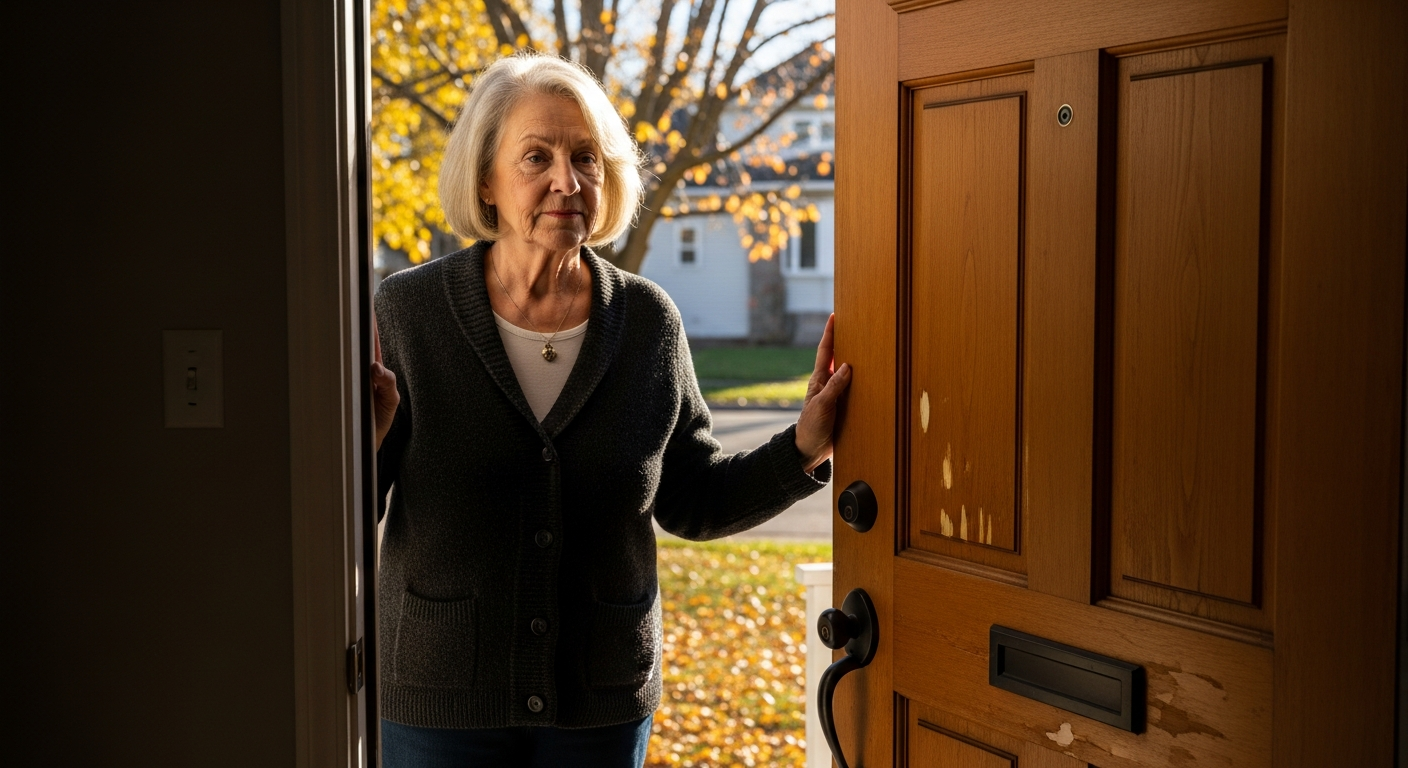
Why Loss History Creates Insurance Crises
When a home has multiple claims, insurers view it as high-risk, regardless of whether those claims were owner-caused or natural disasters. According to FCAC, insurance claim history stays on your home's record for 6-10 years, even after claims are fully resolved.
Typical loss history patterns:
- Water damage claims (basement flooding, roof leaks, burst pipes) trigger mandatory upgrades before renewal
- Theft/break-in reports require security system installation for coverage continuation
- Fire or smoke damage creates underwriting scrutiny; some insurers deny renewal entirely
- Repeated small claims (weather, wind, hail) flag the home as geographically risky
- Claims on older homes (40+ years) suggest underlying system failures
The catch: insurance companies quote premiums BEFORE you make upgrades. If your $3,000 annual premium jumps to $7,500 or your insurer denies renewal, you can't get a traditional mortgage or HELOC to fund preventive work. Banks won't lend on "uninsurable" homes.
Insurance Rejection vs. Unaffordable Premiums
| Scenario | Impact | Reverse Mortgage Solution |
|---|---|---|
| Insurer denies renewal | Home becomes uninsurable; can't get mortgage | Fund upgrades to qualify with new insurer |
| Premiums increase 150%+ | Coverage too expensive; must go uninsured | Fund preventive work to reduce risk rating |
| Mandatory upgrades required | Must upgrade to renew; can't afford | Access equity to fund upgrades immediately |
| Multiple small claims | Claim frequency flag; renewal uncertain | Fund home hardening to reduce future claims |
| High-risk location (flood zone) | Limited insurer options; premium spikes | Fund flood mitigation systems |
What Upgrades Reduce Loss History Rating?
Insurance companies reward homes that demonstrate reduced risk. According to Insurance Bureau of Canada, these upgrades significantly improve insurability:
- Water damage prevention: Sump pump upgrade ($3,000-$5,000), foundation waterproofing ($8,000-$15,000), roof replacement ($15,000-$25,000), basement floor drain installation ($2,000-$3,500)
- Fire/smoke prevention: Updated electrical panel ($8,000-$12,000), chimney cleaning and cap ($1,500-$3,000), fire extinguisher system installation ($5,000-$10,000)
- Security upgrades: Monitored alarm system ($2,000-$4,000), security cameras ($3,000-$6,000), deadbolt and frame reinforcement ($1,000-$2,000)
- Storm/wind resistance: Roof reinforcement ($8,000-$12,000), window upgrades to impact-resistant ($15,000-$25,000), garage door hurricane straps ($2,000-$3,000)
Total preventive upgrade budget for loss history recovery: $20,000-$60,000 depending on your specific loss history.

Real Ontario Scenario: Water Damage Loss History Spiral
Michael, age 58 from Hamilton, had his basement flood in 2019 (claimed $12,000), then again in 2023 after a broken water main (claimed $18,000). His insurer, Intact, quoted $6,800/year for renewal—triple his previous premium.
Michael couldn't afford $6,800 annually and couldn't borrow from his bank because the home was "high-risk." He took a $45,000 reverse mortgage, funded:
- New sump pump system with backup power: $5,200
- Foundation waterproofing: $12,000
- Basement floor drain and gravel bed system: $3,500
- Electrical panel upgrade: $8,000
- New roof (underlying cause of water ingress): $20,000
After these upgrades, Michael switched to Economical Insurance at $3,200/year. His reverse mortgage interest (at 5.5%) costs him ~$2,475 annually on the $45,000 advance—still saving $1,100/year vs. the high premium he was quoted. Plus, his home's value increased ~$28,000 from the upgrades.
Reverse Mortgage Approval for Loss History Recovery
Lenders understand loss history scenarios. Key approval factors:
| Factor | Impact on Approval |
|---|---|
| Home equity available | $50,000+ available |
| Age | 55+ |
| Upgrade cost estimate | Within market range for region |
| Current insurability | Denied or unaffordable OK |
| Repair/upgrade contractor | Licensed and bonded |
| Proposed preventive improvements | Documented, reasonable scope |
HomeEquity Bank, CHIP, Equitable Bank, and Bloom Financial regularly approve reverse mortgages specifically for homeowners needing insurance-driven upgrades.
Cost Timeline: Reverse Mortgage vs. Going Without Insurance
| Scenario | Year 1-5 Cost | Risk Exposure | Net Financial Impact |
|---|---|---|---|
| Uninsured (skip insurance to save cost) | $0 | Total loss catastrophe | Potential $500K+ loss |
| High-risk premium without upgrades | $33,500 (5 years) | Claims still likely | Premium waste + catastrophic risk |
| Reverse mortgage + preventive upgrades | RM interest $12,375 + insurance $17,000 | Much lower | Upgrade value + insurance savings offset RM cost |
| Traditional HELOC (if approved) | HELOC interest + insurance $18,000 | Lower | Similar to RM but harder to qualify |
Over 10 years, reverse mortgage for loss history prevention typically breaks even on the interest cost through insurance premium savings alone, while dramatically reducing catastrophic loss risk.
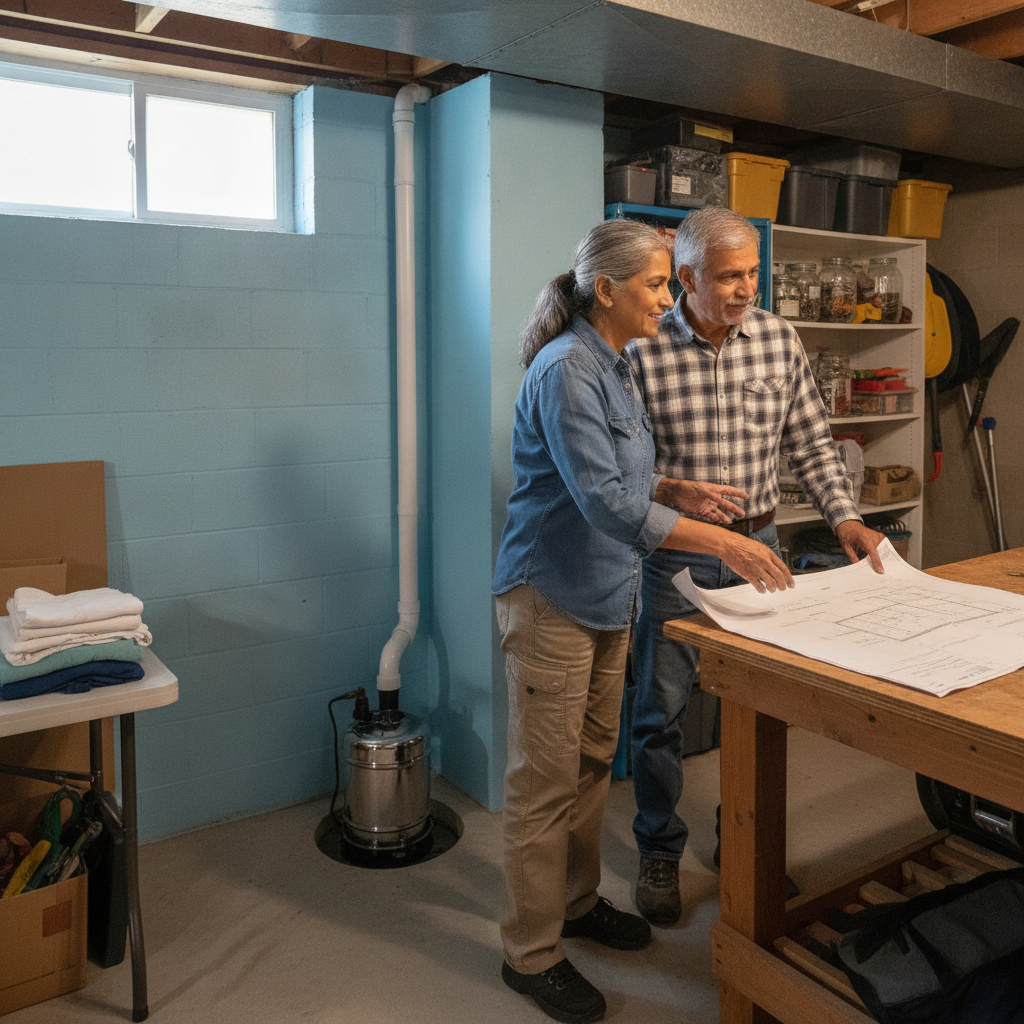
How to Use Reverse Mortgage for Insurance Recovery
Step 1: Get your home's loss history report Request a C.L.U.E. (Comprehensive Loss Underwriting Exchange) report from your current or previous insurer. This 6-year history is what new insurers review.
Step 2: Identify which upgrades will improve insurability Contact 3-4 prospective insurers and ask: "What preventive upgrades would improve your risk assessment for this home?" Get this in writing.
Step 3: Obtain contractor quotes for upgrades Get three binding quotes for water damage prevention, fire prevention, or security improvements specific to your loss history.
Step 4: Apply for reverse mortgage Present your upgrade plan to lenders (HomeEquity Bank, CHIP, Equitable Bank, Bloom Financial, Home Trust). Emphasize:
- Current insurer situation (denial or unaffordable premium)
- Specific upgrades identified by prospective insurers
- Contractor quotes for preventive work
- Current home equity
Step 5: Complete upgrades; secure new insurance After upgrades are complete, re-apply to insurers. Most will quote significantly lower premiums or approve coverage they previously denied.
Tax and CRA Implications
Reverse mortgage funds for preventive home upgrades are:
- Not taxable income (borrowed funds, not income)
- Not deductible (personal use, home improvement)
- Potentially tax-advantaged if upgrades increase home value
According to CRA, funds used for home improvements that increase the home's principal residence value are NOT subject to capital gains tax when you sell (principal residence exemption applies). Document all upgrades for your executor and for future sale disclosures.
Structuring Your Reverse Mortgage for Insurance Recovery
- Line of credit advantage: If you structure a reverse mortgage line of credit, you can access funds over time as upgrades complete, reducing interest on amounts not yet borrowed.
- Lump sum efficiency: If you have all contractor quotes and a clear upgrade scope, a lump sum reverse mortgage provides certainty; all funds advance immediately.
- Payment coordination: Ensure your reverse mortgage agreement allows direct contractor payments or clear fund disbursement tied to completion milestones.
Key Takeaways
- Loss history creates insurance rejection or unaffordable premiums that block traditional financing and leave homeowners uninsured
- Preventive upgrades cost $20,000-$60,000 but reduce insurance premiums by 30-50% and restore insurability
- Reverse mortgage funds arrive in 2-3 weeks, vs. bank HELOC denial due to home being "high-risk"
- Insurance upgrades often increase home value more than their cost, creating wealth alongside risk reduction
- Reverse mortgage interest is typically offset by insurance premium savings over 10 years
- C.L.U.E. reports show exactly what insurers see; get this before applying for reverse mortgage funding
Frequently Asked Questions
Will a reverse mortgage for insurance upgrades affect my ability to get other insurance (like life or health)?
No. A reverse mortgage is secured debt on your home; it doesn't affect life, health, or disability insurance underwriting. Only home insurance and mortgage-related insurance (mortgage protection) are affected.
Can I get a reverse mortgage if my insurer already denied renewal?
Yes. In fact, insurance denial strengthens your reverse mortgage application because lenders understand you're funding critical preventive work. Provide your insurer's denial letter to the lender—it demonstrates the urgency and necessity of upgrades.
How long does it take to see insurance premium reduction after upgrades?
Most insurers require 30-60 days to review completed upgrades and issue updated quotes. Some require inspection of completed work before quoting. Budget 2-3 months from upgrade completion to finalized new insurance.
What if upgrades don't improve my insurance situation?
Rare, but possible if upgrades don't address the specific risk insurer identified. Before committing to reverse mortgage, get prospective insurer buy-in: "If we complete X, Y, and Z upgrades, will you provide coverage at Y premium?" Get commitments in writing.
Can I use reverse mortgage proceeds for insurance itself, not upgrades?
Generally no. Reverse mortgages are intended for home equity access, typically for home improvements or major expenses. Insurance premiums are ongoing costs, not capital needs. However, some lenders allow a portion of proceeds for insurance if it's part of a broader home security/improvement plan.
If I complete upgrades but still can't get insurance, can I refinance the reverse mortgage to recoup costs?
Yes, though it's not ideal. If upgrades don't achieve insurability (rare), you could potentially refinance with a different lender or add the cost to your existing reverse mortgage if you haven't maxed your equity. Rick Sekhon Reverse Mortgages can advise on options if this occurs.
Facing insurance rejection or unaffordable premiums due to loss history? Contact Rick Sekhon Reverse Mortgages to explore how a reverse mortgage can fund preventive upgrades that restore insurability and reduce your long-term insurance costs in Ontario.
Ready to Learn More?
Find out exactly how much you could unlock from your home — free and no obligation.
Related Articles
Reverse Mortgage When Environmental Contamination Returns: Escalation Funding for Persistent Remediation
When first remediation attempts fail and contamination returns, costs escalate rapidly. A reverse mortgage funds persistent environmental cleanup.
Read →Reverse Mortgage When Your Home's Title Has Historical Easements: Clearing Encumbrances
Historical easements and title restrictions limit your home's marketability and appraisal value. A reverse mortgage can fund legal clearance or negotiated release.
Read →Reverse Mortgage When Your Home Is in a Climate Disaster Zone: Equity Protection Strategy
Protect your home equity when located in high-risk climate zones. Learn how reverse mortgages help Ontario homeowners prepare for disaster costs and insurance gaps.
Read →