
Reverse Mortgage for Historic Property Accessibility: Balancing Heritage Preservation With Disability Access
Heritage-designated homes in Ontario often restrict accessibility modifications. Learn how reverse mortgages fund compliant solutions that preserve character while enabling aging in place.
You live in a beautiful 120-year-old heritage home in Ontario—but if you modify it for accessibility, you risk violating heritage preservation restrictions and losing property tax exemptions. Historic property owners face a unique dilemma: aging in place requires accessibility upgrades (grab bars, ramps, accessible bathrooms), but these modifications can be prohibited or heavily regulated if your home is heritage-designated. A reverse mortgage can fund the specialized, heritage-compliant solutions that let you maintain accessibility AND preserve your home's historic character.
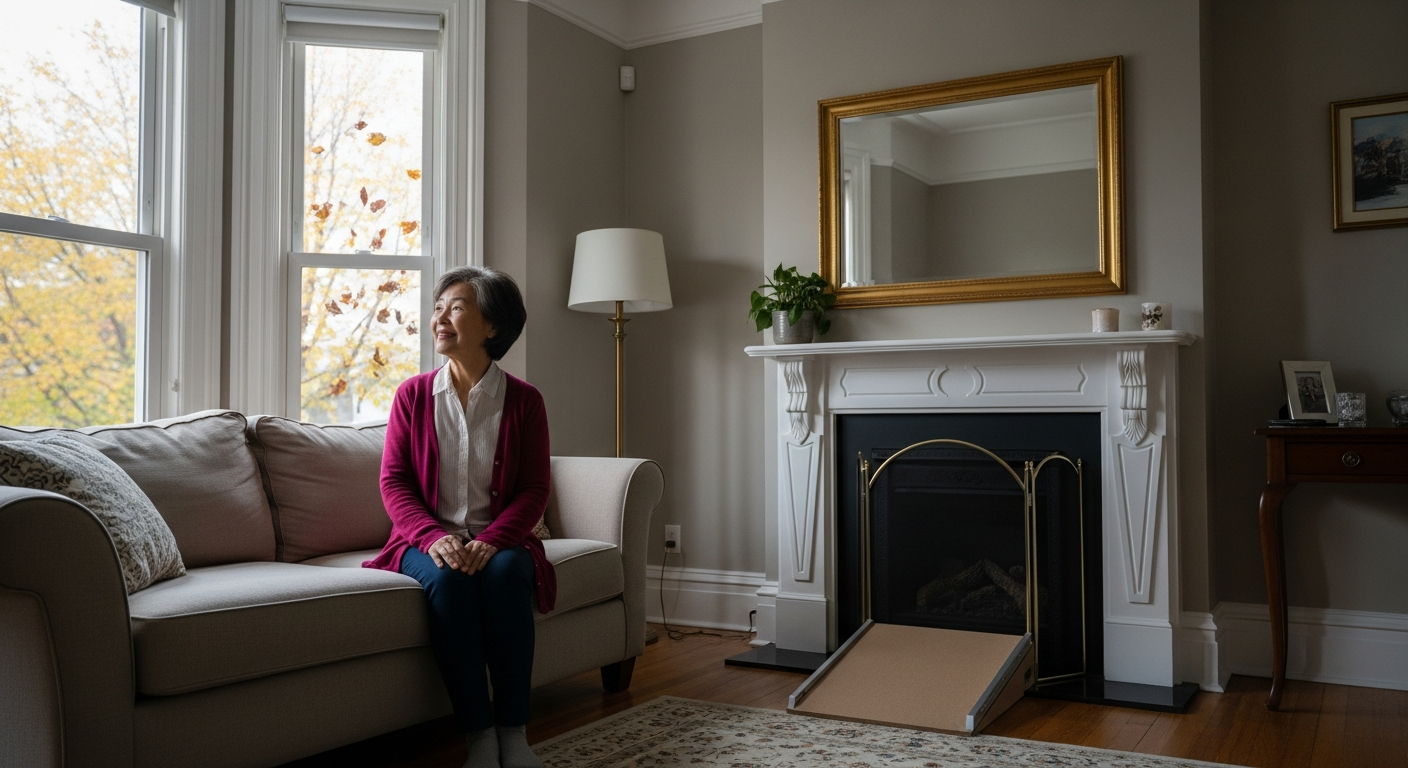
Heritage Designation in Ontario: The Accessibility Challenge
Ontario has approximately 240,000 heritage-designated properties, with heritage status assigned at municipal, provincial, or national levels. These designations come with strict rules about what modifications you can make.
Types of Heritage Designation in Ontario
| Designation Level | Authority | Restrictions | Flexibility |
|---|---|---|---|
| Municipal Heritage | Local Heritage Committee | Generally restrictive; requires approval for visible exterior changes | Some interior modifications permitted |
| Ontario Heritage Act (OHA) | Provincial ministry | Very restrictive; high architectural/historical significance | Rare exceptions for accessibility |
| National Historic Sites | Parks Canada | Most restrictive; federal oversight | Minimal flexibility |
| Conservation Easement | Private/public partnership | Highly restrictive; ongoing restrictions even after sale | Virtually no flexibility |
The core issue: Heritage designation prohibits changes that "detract from historical character," which often includes:
- ✗ Ramps to entrances (visible exterior change)
- ✗ Exterior grab bars
- ✗ Widening doorways for wheelchair access
- ✗ Installing elevators
- ✗ Modern accessible bathroom fixtures (if visible from exterior)
- ✗ Accessible showers with modern safety features
- ✗ Removing interior walls for open-plan accessibility
The Cost Premium for Heritage-Compliant Accessibility
Heritage-compliant solutions are 20–50% more expensive than standard accessibility modifications because they require specialized materials, design consultation, and approval processes.
Cost Comparison: Standard vs. Heritage-Compliant
| Modification | Standard Cost | Heritage-Compliant Cost | Premium |
|---|---|---|---|
| Entrance ramp | $3,000–$5,000 | $8,000–$15,000 | +167–200% |
| Bathroom renovation | $15,000–$25,000 | $25,000–$40,000 | +67–60% |
| Kitchen accessibility | $12,000–$20,000 | $18,000–$30,000 | +50–150% |
| Interior doorway widening | $2,000–$3,500 | $4,500–$8,000 | +125–129% |
Why the premium?
- Specialized architects familiar with heritage preservation costs more
- Custom-fabricated solutions (period-appropriate ramps, fixtures)
- Heritage committee review and approval process (6–12 weeks)
- Premium materials to match historical authenticity
- More complex installation methods to preserve structure
Heritage-Compliant Accessibility Solutions (Real Examples)
Example 1: Invisible Interior Ramp
Traditional ramp: Visible wooden or metal ramp creates contrast with historic exterior.
Heritage-compliant solution: Interior ramp concealed inside entrance vestibule with matching period doors. The ramp is invisible from street. Cost: $12,000 (vs. $4,000 for standard exterior ramp).
Example 2: Historic Bathroom With Modern Safety
Traditional accessible bathroom: Modern grab bars, contemporary vanity, open shower with no tub.
Heritage-compliant solution:
- Retain original clawfoot tub (aesthetic)
- Install heritage-style grab bars (wrought iron, matching original hardware)
- Hidden modern safety features (pressure-balanced shower valve, thermostatic controls)
- Period-appropriate bathroom fixtures (pedestal sink with accessibility lever handles)
- Cost: $32,000 (vs. $18,000 for standard accessible bathroom)
Example 3: Invisible Elevator
Traditional solution: Elevator shaft exterior addition (prohibited in heritage homes).
Heritage-compliant solution:
- Interior space dedication (carve elevator shaft from interior space)
- Matches original interior plaster/trim
- Door designed to match interior historic woodwork
- Cost: $25,000–$40,000 depending on complexity
These solutions preserve character while enabling accessibility.
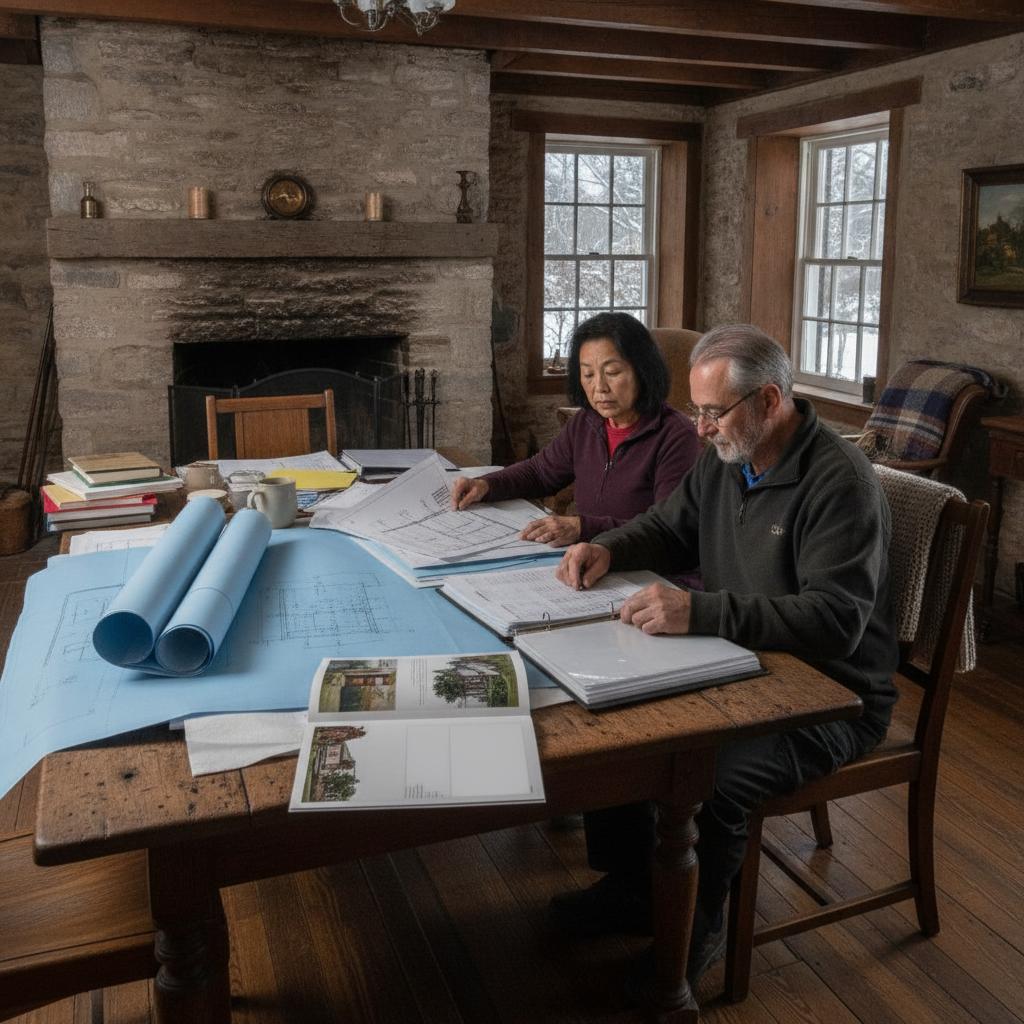
Navigating the Heritage Review Process
Step 1: Consult Heritage Committee Early
Before designing renovations, contact your municipal Heritage Committee or Architectural Review Board:
- Describe your accessibility needs
- Ask which solutions are prohibited
- Inquire about alternative approaches
- Request examples of approved accessibility modifications in similar homes
Most committees take 2–4 weeks to respond to inquiries (vs. 8–12 weeks for formal applications).
Step 2: Hire a Heritage-Specialized Architect
Not all architects understand heritage constraints. You need one experienced with:
- Heritage preservation standards
- Your specific municipal/provincial guidelines
- Creative accessibility solutions for historic homes
- Ontario Heritage Act requirements
Cost: Heritage architects charge $3,000–$8,000 for design consultation (additional to renovation costs).
Step 3: Submit Heritage Permit Application
Submit:
- Proposed modification drawings (detailed plans from architect)
- Heritage impact assessment
- Photos of current condition
- Justification for modifications (health/accessibility need)
- Application fee ($200–$500 typically)
Timeline: 6–12 weeks for approval
Step 4: Implementation
Once approved, you can proceed with renovations by heritage-certified contractors (who cost more due to specialization).
Case Study: Eleanor's 1890s Victorian Renovation
Eleanor, 73, owned a magnificent 1890s Victorian mansion designated as a National Historic Site in Ontario. She had progressive mobility challenges and needed:
- Accessible entrance (current front steps were steep)
- Accessible bathroom on main floor
- Assistance with stairs between levels
The challenge: National Historic Site designation was extremely restrictive. Visible ramps, modern grab bars, or wheelchair lifts were prohibited.
Eleanor's solution (funded by reverse mortgage):
- Hired a heritage architect specializing in historic homes ($6,000)
- Designed an interior ramp system hidden within the foyer (inherited the period doors, invisible from exterior)
- Created an accessible powder room on main floor with period-appropriate fixtures ($28,000)
- Installed a spiral interior lift disguised with period cabinetry ($35,000)
- Used reverse mortgage to borrow $75,000 (total project cost)
Timeline: 8 months from initial consultation to completion
Result: Eleanor maintained her home's National Historic Site status while achieving full accessibility. Her property value remained stable, and she avoided forced relocation.
Tax Benefits for Heritage-Compliant Renovations
Ontario Heritage Property Tax Exemption
Properties designated as heritage-owned receive property tax exemptions (varies by municipality, typically 15–40% reduction).
Critical rule: Making unauthorized (non-compliant) modifications can revoke the exemption.
Important: Making approved heritage-compliant accessibility modifications preserves your exemption, so you actually save money through the tax break.
Federal Heritage Tax Credit (Limited)
If your home is on the Canadian Register of Historic Places, you may qualify for federal tax credits on heritage conservation work (though accessibility modifications alone don't typically qualify).
Funding Heritage-Compliant Accessibility With Reverse Mortgage
Why reverse mortgage is ideal for this situation:
- High upfront costs ($25,000–$50,000+) are difficult for retirees to afford from income
- Specialized lenders may be reluctant to finance heritage renovation (perceived as higher risk)
- No monthly payments preserve your retirement cash flow during the lengthy design/approval process
- Flexibility allows you to pay for architect, committee reviews, and contractor progressively
Typical Reverse Mortgage Scenario
- Establish line of credit: $60,000
- Pay heritage architect: $6,000
- Pay for heritage committee application review: $1,000
- Fund contractor renovation: $40,000
- Keep remaining balance ($13,000) as emergency buffer
- Total borrowed: $47,000
- No monthly payments; interest compounds over time
Action Steps: Planning Your Heritage-Compliant Project
- Verify heritage designation – Contact your municipal planning department or check Ontario Heritage Trust database
- Document accessibility needs – Medical assessment of what modifications you require
- Connect with Heritage Committee – Schedule initial consultation (often free)
- Research specialized architects – Find one with heritage accessibility experience
- Apply for reverse mortgage – Secure funding before hiring architect
- Begin design phase – Work with architect on heritage-compliant solutions
- Submit heritage application – Work with Committee on approval
- Execute renovations – Implement approved modifications
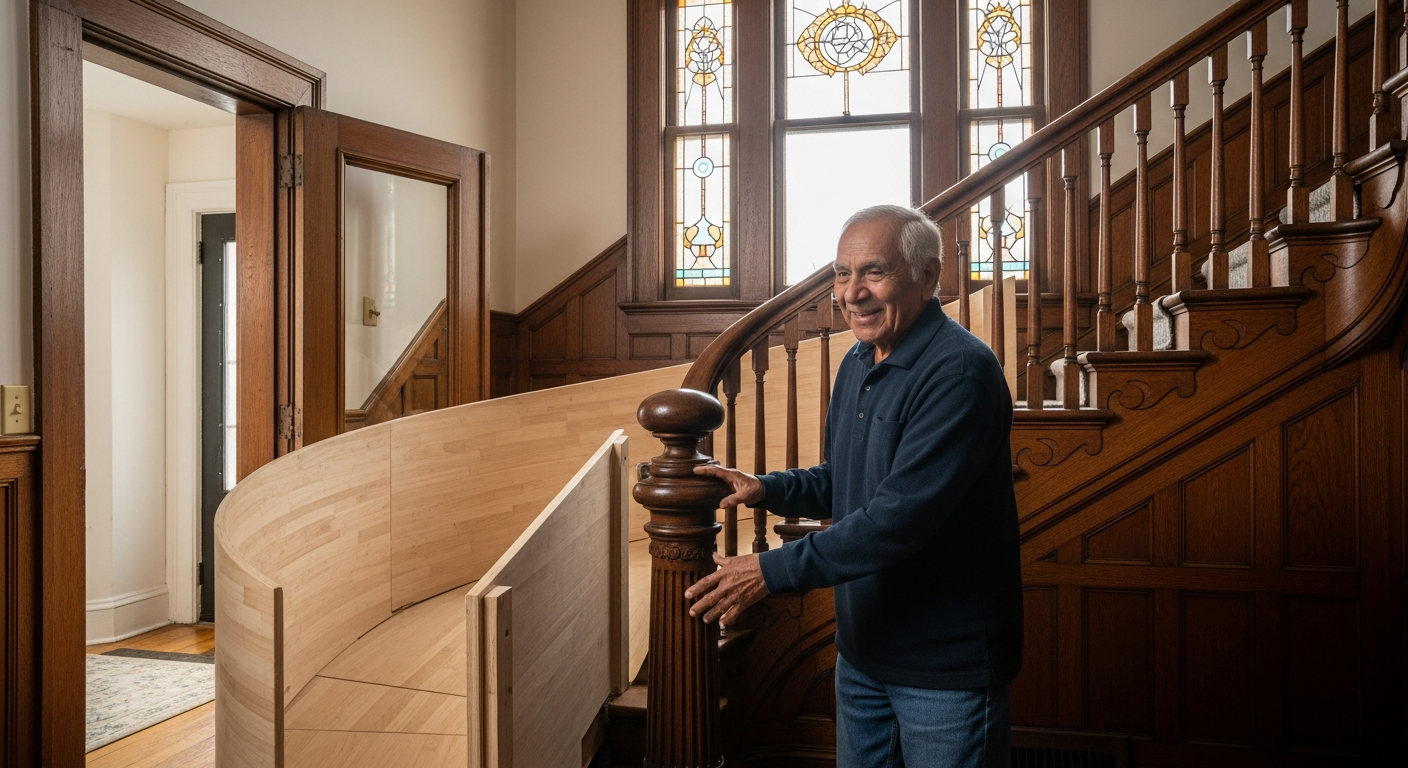
Legacy Benefit of Heritage-Compliant Aging
By maintaining your heritage home's character while making necessary accessibility modifications, you:
- Preserve a community landmark for future generations
- Maintain property value and investment
- Model accessibility-aware historic preservation for others
- Create a legacy of thoughtful stewardship
A reverse mortgage makes this balance financially feasible.
Frequently Asked Questions
Can I modify a heritage home without permission?
Legally, yes—but you risk fines ($1,000–$50,000), loss of property tax exemption, and forced restoration at your cost. Always seek approval first.
What if Heritage Committee denies my accessibility request?
You can appeal to the provincial level (Ontario Heritage Trust) or pursue court challenge if you believe the decision is discriminatory under accessibility laws. Document all denials and consult an accessibility rights lawyer.
Do heritage architects cost significantly more?
Yes, approximately 20–30% more than standard architects, due to specialization. However, the investment saves money by avoiding rejected applications and costly reversals.
Will my property value decrease if I make visible accessibility modifications?
Heritage-compliant modifications (approved and invisible) maintain value. Unauthorized visible modifications may decrease value and trigger legal liability.
Can I remove heritage designation if it prevents necessary accessibility?
Very difficult. Removal requires demonstrating that the property no longer meets heritage criteria, which is rarely successful. Easier to work within the system for compliant modifications.
What if I want to sell my heritage home?
Buyers should know about heritage restrictions. Disclose all designations fully. Many buyers appreciate heritage character; others may be deterred by restrictions. Professional real estate guidance is essential.
How long does heritage committee review take?
Typically 6–12 weeks for formal applications. Early consultation with the committee can reduce this timeline.
Can grandchildren inherit a heritage home with restrictions?
Yes. Heritage designations follow the property permanently (unless removed through formal process). Heirs inherit the property AND the restrictions, but also the potential property tax benefits.
Is there funding besides reverse mortgage?
Some municipalities offer heritage property grants (research your city's program). However, these are limited and often require matching funds. Reverse mortgage provides most reliable funding.
Next Steps
- Contact your municipal Heritage Committee
- Research heritage architects in your area
- Get accessibility assessment from medical professional
- Speak with Rick Sekhon about reverse mortgage funding for heritage-compliant accessibility
- Plan your renovation timeline knowing approval process takes 4–6 months
Ready to Learn More?
Find out exactly how much you could unlock from your home — free and no obligation.
Related Articles
Reverse Mortgage for Accessible Kitchen Renovation: Maintaining Independence in Meal Prep and Cooking
Fund an accessible kitchen renovation with a reverse mortgage. Stay independent in meal preparation as mobility and vision change with age—essential for aging in place in Ontario.
Read →Heritage Home Conservation: Balancing Historical Features with Accessibility Needs
Preserve your heritage home while adding accessibility. Fund conservation experts and ADA modifications with reverse mortgage. Ontario heritage homes guide for 55+.
Read →Reverse Mortgage for Home Renovations: Aging in Place Guide for Ontario Seniors
Learn how to use a reverse mortgage to fund home renovations and modifications that let you age in place safely and comfortably in your Ontario home. Includes cost examples and step-by-step process.
Read →