
Using a Reverse Mortgage to Hire a Geriatric Care Manager
Discover how Ontario seniors can use reverse mortgage funds to hire a professional geriatric care manager to coordinate aging-in-place services, manage medical appointments, and ensure quality home care.
As you age, managing your healthcare, home maintenance, and daily care needs becomes increasingly complex. A geriatric care manager—sometimes called a care coordinator—is a professional who specializes in navigating these challenges. But their services come at a cost, typically ranging from $150 to $300 per hour in Ontario. Many seniors dismiss this option as unaffordable. Yet a reverse mortgage can transform professional geriatric care management from an impossible luxury into an accessible reality.
What Does a Geriatric Care Manager Actually Do?
A geriatric care manager acts as your advocate and coordinator. They assess your healthcare needs, manage appointments with specialists, oversee home care providers, handle medication management, and liaise with family members. They can prevent costly hospital visits, identify safety hazards before they cause falls, and ensure you're receiving appropriate services.
For Ontario seniors aging in place, a good care manager saves money in the long run by preventing crises—a single emergency room visit costs far more than months of preventive care coordination.
The Real Cost of Not Having a Care Coordinator
Without professional coordination, seniors often:
- Miss important medical appointments or attend unnecessary ones
- Take duplicate medications or dangerous drug combinations
- Pay for home services they don't need
- Delay maintenance on accessibility issues until they become emergencies
- Fall through gaps in the healthcare system
These mistakes are costly. A preventable hospital admission costs $5,000 to $15,000. A fall requiring surgery can cost $35,000+. Professional care management—even at $200 per month—pays for itself.
How a Reverse Mortgage Covers Care Management Costs
A reverse mortgage provides flexible, tax-free funds with no monthly payments. This makes it perfect for ongoing professional care services.
If you have $200,000 in home equity at age 70, you might qualify for a reverse mortgage of $80,000 to $100,000. Using even a small portion—say $20,000—provides a four-year fund for professional care management at typical Ontario rates.
The beauty is flexibility. You can take funds as needed—$400 this month, $800 next month—rather than committing to a traditional loan. As your care needs fluctuate, your funding adjusts.
Funding a Care Manager: Home Equity vs. Out-of-Pocket
| Funding Approach | Upfront Cost to You | Monthly Payment Required | Affects CPP/OAS/GIS |
|---|---|---|---|
| Pay out-of-pocket from savings | Full $200-$300/hour rate | N/A (draws down savings) | No |
| Traditional home equity loan/HELOC | Approval + qualifying income | Yes, monthly | No |
| Reverse mortgage | None (equity-based) | No | No |
Sample Care Management Budget on a $650,000 Home
| Home Equity | Approx. Reverse Mortgage Available (~15-30% at 70-76) | Annual Care Manager Budget ($300/month) | Years of Coverage |
|---|---|---|---|
| $650,000 (no mortgage) | $97,500-$195,000 | $3,600 | 27-54 years |
| $650,000, $120,000 drawn | $120,000 | $15,000/year (higher-intensity coordination) | 8 years |

Finding the Right Geriatric Care Manager in Ontario
Not all geriatric care managers are created equal. Look for credentials:
- Certified Care Manager (CCM): Requires specific education and exam
- Registered Nurse (RN) credentials: Indicates medical expertise
- Members of the Gerontology Institute of Canada: Professional standards
In Ontario, organizations like Seniors' Health Research Transfer Network and provincial caregiver associations can provide referrals. Many care managers work independently, while others are part of larger agencies.
What Your Reverse Mortgage Covers
Reverse mortgage funds can legitimately cover:
- Monthly retainer fees for care coordination
- Initial comprehensive assessments
- Care plan development
- Ongoing communication with doctors and specialists
- Home safety evaluations
- Family meeting coordination
- Help applying for government benefits or long-term care
This is not medical care (covered by OHIP), but professional coordination that optimizes the medical care you receive.
Case Study: Margaret's Story
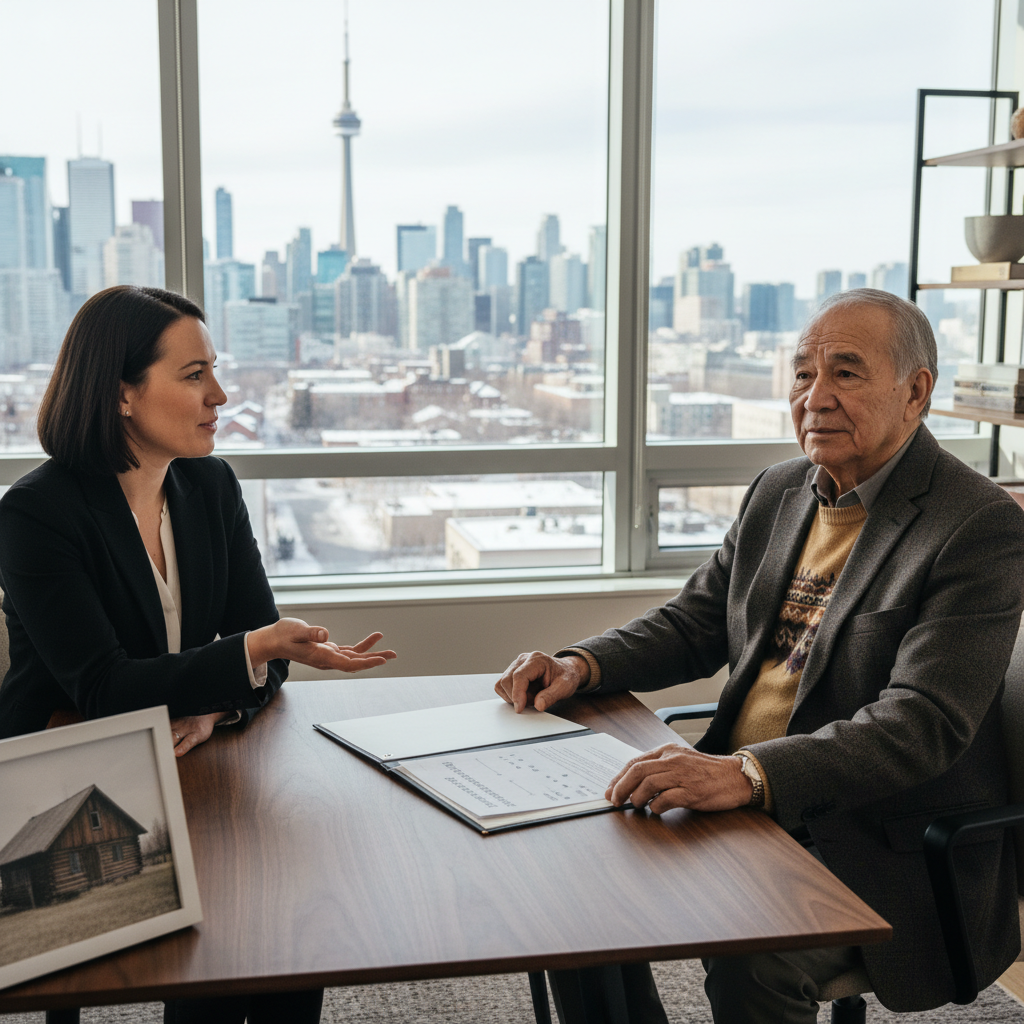
Margaret, 76, lived alone in Toronto with arthritis, diabetes, and mild cognitive decline. Her two adult children lived in different provinces and worried constantly about her safety.
Her children pushed her to move to a nursing home, but Margaret wanted to age in place. She had paid off her home, worth $650,000.
Using a reverse mortgage, Margaret accessed $120,000. She allocated $15,000 per year for a geriatric care manager—approximately $300 monthly—to oversee her care.
The care manager:
- Caught a medication interaction her doctor had missed
- Coordinated physiotherapy for her arthritis
- Arranged accessible home modifications through government grants
- Helped her apply for a property tax deferral in Ontario
- Met with her adult children quarterly to update them
Five years later, Margaret remained in her home with professional support, her medical outcomes improved, and her children had peace of mind. The reverse mortgage funding made her aging-in-place dream possible.
The Tax and Benefits Advantage
Here's a critical point: Reverse mortgage funds are NOT considered income. They don't affect your CPP, OAS, or GIS payments. This means hiring a care manager doesn't trigger benefit clawbacks—a huge advantage over using income-based strategies.
Some seniors fear that professional care management signals decline and might affect their independence. In fact, the opposite is true: professional coordination often preserves independence longer by preventing crises that force premature moves to institutional care.
Getting Started
If you're considering a geriatric care manager:
- Consult your doctor about whether professional care coordination would benefit you
- Talk to your family about shared concerns—care management often prevents family conflict
- Get a reverse mortgage assessment to understand your funding capacity
- Interview potential care managers with your adult children or a trusted advisor
- Start with a trial period to ensure the fit is right
Key Takeaways
- Geriatric care managers in Ontario typically charge $150-$300 per hour, but even $200-$300 per month in coordination can prevent costly crises like falls or hospital admissions.
- A preventable hospital admission can cost $5,000-$15,000, while a fall requiring surgery can exceed $35,000—both far more than ongoing care coordination.
- On a $650,000 mortgage-free home, homeowners around age 70-76 could typically access $97,500-$195,000 through a reverse mortgage.
- Reverse mortgage funds are not considered income, so they don't trigger CPP, OAS, or GIS clawbacks.
- Reverse mortgages require no monthly payments, making them well suited to funding recurring services like care coordination.
- Look for credentials such as Certified Care Manager (CCM) or Registered Nurse (RN) when selecting a geriatric care manager in Ontario.
Frequently Asked Questions
How much does a geriatric care manager cost in Ontario?
Geriatric care managers typically charge $150 to $300 per hour, though many work on a monthly retainer basis—often around $200 to $300 per month for ongoing coordination rather than hourly billing.
Will using a reverse mortgage to pay for a care manager affect my government benefits?
No. Reverse mortgage proceeds are loan funds, not income, so they don't count against CPP, OAS, or GIS and won't trigger benefit clawbacks the way drawing down certain income sources might.
How much could I access through a reverse mortgage for ongoing care costs?
It depends on your age and home value. As a general guide, homeowners can typically borrow 15% to 59% of their home's value, with older homeowners qualifying for a higher percentage. On a $650,000 mortgage-free home, this could range from roughly $97,500 to over $195,000.
What credentials should I look for in a geriatric care manager?
Look for a Certified Care Manager (CCM) designation, Registered Nurse (RN) credentials, or membership with a recognized professional gerontology body. Referrals from provincial caregiver associations or hospital discharge planners are also good starting points.
Does hiring a care manager mean I'm giving up my independence?
No—the opposite is typically true. Professional care coordination is designed to prevent the crises (falls, medication errors, missed appointments) that force premature moves into institutional care, helping many seniors stay independent in their own home longer.
Do I need to draw the full reverse mortgage amount at once to pay for a care manager?
No. Reverse mortgages, particularly line-of-credit style products, let you draw funds as needed—for example, a few hundred dollars one month and more the next—so you only pay interest on what you actually use.
Conclusion
Aging in place successfully often requires professional coordination. A reverse mortgage provides the flexible, non-income-counted funding that makes professional geriatric care management accessible for Ontario seniors who want to maintain independence while receiving expert support.
This is not about creating dependence. It's about creating structure, preventing crises, and ensuring you receive the right care at the right time—which often means staying in your home longer than would otherwise be possible.
If you've been dismissing professional care management as unaffordable, a reverse mortgage might be the solution you've been looking for.
Ready to Learn More?
Find out exactly how much you could unlock from your home — free and no obligation.
Related Articles
Reverse Mortgage to Hire a Professional Palliative Care Transition Coordinator
Before hospice, a care transition coordinator helps plan the shift from treatment to comfort care. A reverse mortgage funds this crucial professional guide.
Read →Reverse Mortgage for Funding Multiple Grandchildren's RESP Gaps
When RESP grants max out but multiple grandchildren still need post-secondary funding, a reverse mortgage bridges the education gap for your whole legacy.
Read →Reverse Mortgage to Fund Family Mediation When Siblings Disagree on Parent Care
When siblings fundamentally disagree on aging parent's living situation and care approach, professional mediation prevents family fracture. A reverse mortgage funds neutral expertise.
Read →