
Reverse Mortgage for Home Modifications When Adult Child Has Autism Spectrum Disorder: Sensory-Safe Aging With Extended Family
Fund sensory-safe home modifications for autistic adult children and aging parents. Reverse mortgage solutions for complex family caregiving.
Many aging parents wonder: How do I create a sensory-safe home that works for both me AND my adult autistic child who lives with me? A reverse mortgage can fund the specialized modifications that make multigenerational autism-friendly housing possible without forcing the difficult choice between accessibility and affordability.
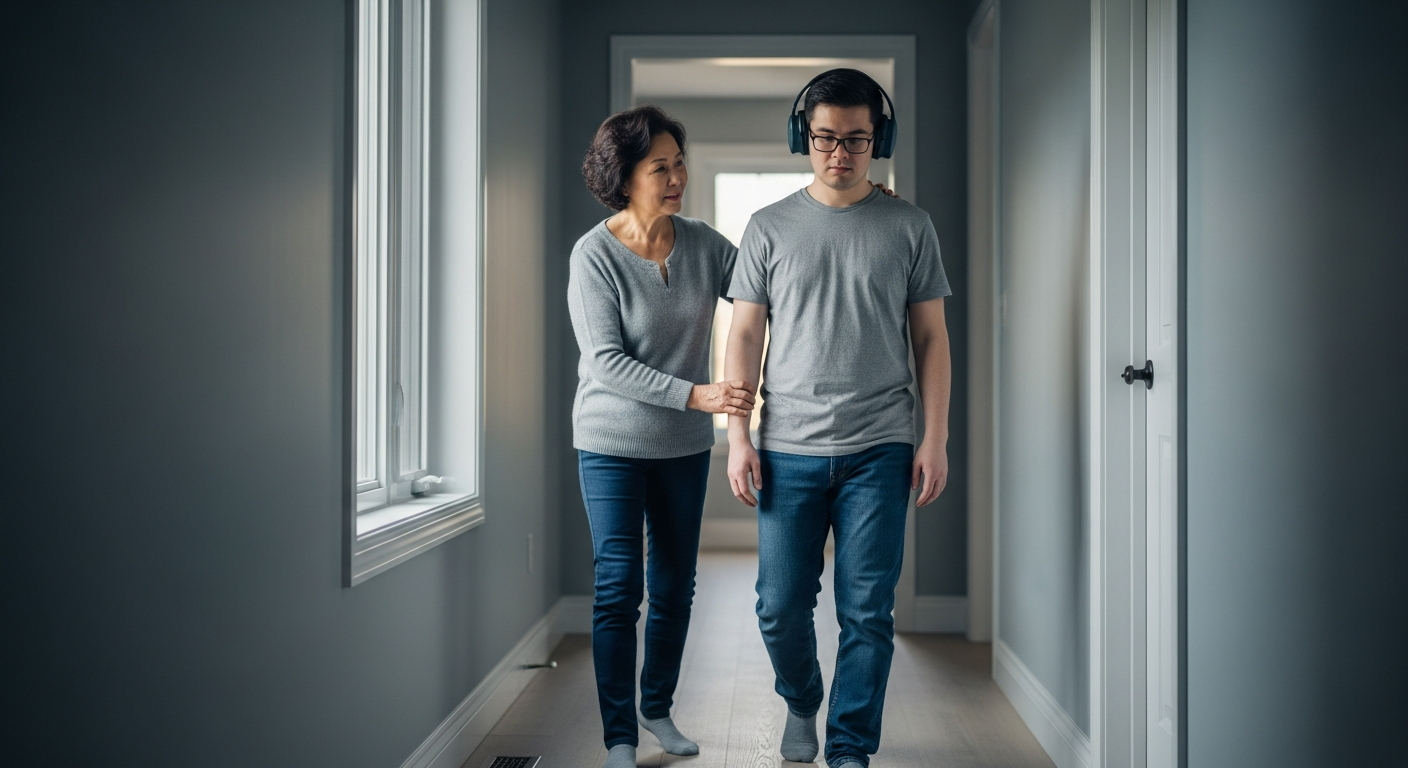
Understanding Sensory-Safe Autism Housing: The Cost Reality
Creating a home that works for adults on the autism spectrum requires much more than standard accessibility ramps. Sensory-safe autism housing is a deliberately designed environment that minimizes sensory triggers while promoting emotional regulation—and these modifications typically cost $15,000 to $45,000 depending on your starting point.
According to the Autism Society Canada, sensory sensitivities affect 95% of autistic adults, with most experiencing significant challenges in managing fluorescent lighting, background noise, strong smells, and visual clutter. When these sensitivities exist alongside aging parents' mobility needs, the home design becomes exponentially more complex.
Sensory-safe autism housing creates dedicated "regulation zones" with controlled lighting, sound dampening, regulated temperature, and visual organization. Unlike standard home modifications, these require specialized design consultation, targeted renovations, and equipment purchases that standard mortgage lenders don't typically fund.
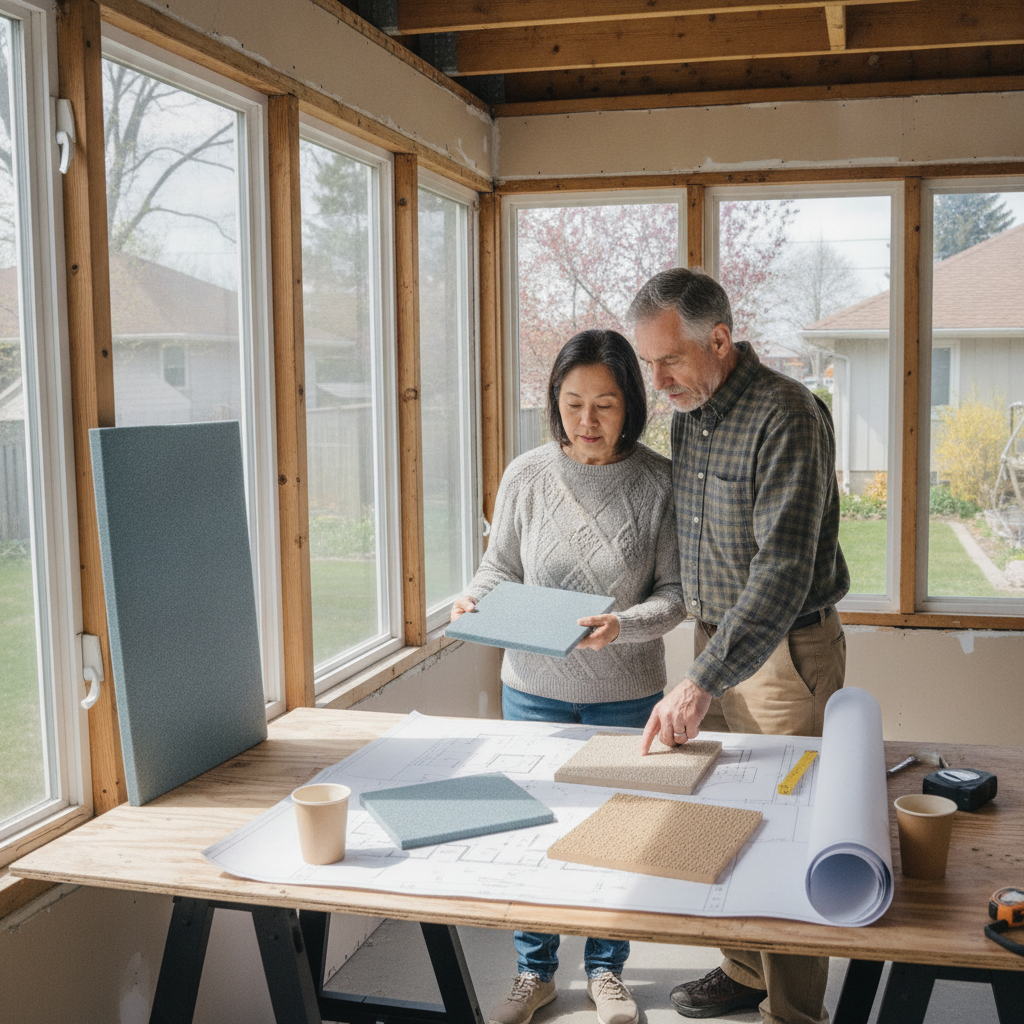
Key Sensory Modifications and Real Costs
Here's what families actually spend on creating functional sensory-safe homes:
| Modification | Standard Cost | Autism-Specialized Cost | Timeline |
|---|---|---|---|
| Lighting retrofit (LED, dimmable) | $2,000–$4,000 | $4,000–$8,000 | 2–3 weeks |
| Sound dampening (walls, flooring) | $1,500–$3,000 | $5,000–$12,000 | 3–4 weeks |
| HVAC zoning + air filtration | $3,000–$5,000 | $6,000–$10,000 | 2 weeks |
| Designated regulation room setup | N/A | $8,000–$15,000 | 4–6 weeks |
| Smart home sensory controls | $500–$2,000 | $3,000–$8,000 | 1–2 weeks |
The critical difference: autism-specialized modifications aren't "nice to have"—they're essential for the adult child's emotional regulation, your reduced caregiver stress, and preventing sensory meltdowns that can lead to injuries or hospitalization.
The Reverse Mortgage Advantage for Sensory-Safe Housing
A reverse mortgage becomes particularly valuable for autism-sensory home design because:
-
You access funds quickly — Sensory modifications shouldn't wait years. A reverse mortgage funds happen within 6–8 weeks, allowing you to make changes while your adult child is still living with you and your health is stable enough to oversee renovations.
-
No monthly payments — Specialized autism home design is an investment, not a monthly drain. Unlike a HELOC requiring ongoing payments, reverse mortgage funds stay your responsibility, freeing up monthly cash flow for respite care or medication.
-
Flexible access — You can fund the regulation room first, then add lighting modifications later, then upgrade HVAC next year. A line-of-credit reverse mortgage (offered by CHIP, HomeEquity Bank, and Equitable Bank) lets you draw as needs change.
-
No income disruption — If you're transitioning from paid work to full-time caregiving, a traditional mortgage becomes impossible. A reverse mortgage doesn't care about your income—only your home equity.
Planning the Right Modifications for Your Situation
| Life Stage | Priority Modifications | Typical Cost | Adult Child Age Factor |
|---|---|---|---|
| Recently diagnosed (adult child 20–30) | Sensory assessment + regulation room + lighting | $12,000–$20,000 | Often working; may need home office too |
| Established caregiving (30–45) | Add sound control + HVAC zoning + outdoor retreat space | $15,000–$25,000 | Caregiving intensifies; dual-career conflict common |
| Aging-together phase (45+) | Add accessibility + emergency safety + aging parent features | $18,000–$35,000 | Both need modifications; costs converge |
Rick Sekhon Reverse Mortgages often works with families in the "aging-together phase" where the aging parent (now 65–75) and adult autistic child (now 40–50) have lived together for decades, and new realities emerge: the parent's mobility declines, the adult child's anxiety increases, and the home that worked for two healthy adults doesn't work anymore.
Avoiding the "Overkill" Trap: Right-Sizing Modifications
Not every autism-related modification requires renovation. Many families overspend early:
- Lighting: Cheap dimmable bulbs + motion sensors = $400–$800 (avoid $8,000 architectural lighting redesign unless you have severe visual sensitivities)
- Sound dampening: Heavy curtains + area rugs + white noise machines = $500–$1,500 (avoid $12,000 wall retrofit unless noise sensitivity is extreme)
- Visual clutter reduction: Built-in storage ($2,000–$4,000) is smarter than custom organization systems ($800–$1,500 per room)
A reverse mortgage funded by CHIP or HomeEquity Bank lets you start with essentials and expand later. Too many families either skip modifications entirely (increasing caregiver burnout) or over-modify early (losing flexibility if the adult child's needs change or if the aging parent moves to care facilities).
Navigating Multi-Generational Design Conflicts
The trickiest part of autism-sensory home design is balancing two competing needs:
- Adult autistic child needs: Minimal stimulation, predictability, control over sensory environment, dedicated personal space
- Aging parent needs: Visibility/connection, easy mobility, clear sightlines for safety monitoring, flexible access to common areas
This explains why generalist contractors often fail and why Rick Sekhon Reverse Mortgages frequently connects families with specialists in universal design and autism accessibility. The solution usually involves:
- Creating distinct zones (sensory retreat for adult child, accessible gathering space for aging parent, neutral transition areas)
- Using technology strategically (smart lighting that responds to occupancy, air quality monitoring in the regulation zone)
- Planning emergency access (parent can reach adult child quickly if needed, despite separate sensory spaces)
Tax and Benefit Implications
This matters: funding sensory home modifications with a reverse mortgage often triggers fewer complications than alternatives.
According to FSRAO (Financial Services Regulatory Authority of Ontario), reverse mortgage proceeds are considered loans, not income. This means:
- No impact on OAS/GIS — Income-tested benefits stay protected
- ODSP/CPP-D protection — Your adult child's disability income isn't affected by home modifications
- Tax credit eligibility — You may qualify for Accessibility Tax Credits when modifications serve the disabled adult child
Consult your accountant about the Accessibility Amount (Schedule 11, Line 21600) on your tax return. Many families can claim $3,000–$8,000 annually in accessibility-related expenses, reducing taxable income.
Comparing Funding Options
| Funding Source | Speed | Flexibility | Monthly Cost | Tax Impact | Best For |
|---|---|---|---|---|---|
| Reverse Mortgage (CHIP/HomeEquity) | 6–8 weeks | High (LOC option) | $0 | No income impact | Long-term stable families |
| HELOC | 4–6 weeks | High | $200–$500/month | Investment income potential | Families with strong income |
| Home Equity Loan | 3–4 weeks | Low (lump sum) | $300–$600/month | Interest deductible if invested | Short-term projects only |
| Personal Savings | Immediate | N/A | $0 | N/A | Small projects only |
| Provincial Accessibility Grants | 8–12 weeks | Limited | $0 | May vary | Already low-income |
Key Takeaways
- Sensory-safe autism housing for multigenerational families typically costs $15,000–$45,000, well beyond standard accessibility budgets
- Reverse mortgages funded by CHIP, HomeEquity Bank, and Equitable Bank offer flexible, interest-only access to home equity without monthly payments or income verification
- Shared family homes work best with zone-based design: distinct sensory spaces for the adult child, accessible common areas for the aging parent, and strategic overlap
- Early modifications (regulation room, lighting) are cheaper and more impactful than emergency retrofits after crisis
- Tax and benefit coordination (OAS/GIS protection, ODSP preservation) makes reverse mortgages more attractive than other home equity solutions for disability-intersecting families
Frequently Asked Questions
Will a reverse mortgage affect my adult child's ODSP or CPP-D benefits?
No. Reverse mortgage proceeds are classified as loans by CRA and FSRAO, not income. Your child's income-tested disability benefits remain protected. However, if your child owns property or has savings that exceed provincial limits, that's a separate issue—consult your benefits administrator before accessing any funds.
Can I use a reverse mortgage to build an "autism-friendly granny suite" for my adult child if they live in a separate unit on my property?
Yes, if it's a legal secondary dwelling. A reverse mortgage on your primary residence can fund modifications to a legal secondary dwelling (basement apartment, detached cottage) if it's registered as part of your property. Check with your municipality first—illegal suites void lender eligibility.
How do I know if my modifications are "necessary" (eligible for tax credits) vs. "nice to have"?
The CRA defines "medical expenses" narrowly. General home modifications (lighting, paint color) don't qualify. Specific medical devices or adaptations required by a doctor's written recommendation usually do. Ask your adult child's occupational therapist or physician for written documentation linking each modification to a diagnosed sensory need.
What if my adult child's needs change and I don't need the sensory modifications anymore?
Most sensory modifications are partially reversible (remove acoustic panels, swap lighting back) or adaptable to new residents. A line-of-credit reverse mortgage lets you borrow slowly—fund essentials first, then expand based on actual outcomes rather than predicted needs.
How much does professional autism-sensory design consultation cost, and is it worth it?
Occupational therapists specializing in autism run $150–$250 per hour; a full home assessment typically costs $800–$2,000. This is usually cheaper than paying contractors twice (once wrong, once right). If your modifications exceed $20,000, professional assessment is essential.
Can I get a reverse mortgage if my adult child has guardianship/conservatorship status?
Possibly, but with complications. If you hold guardianship, you have decision-making authority. If your child holds their own guardianship or has a joint guardian, you'll need their consent. Consult a lawyer specializing in disability estate planning before applying.
Ready to Learn More?
Find out exactly how much you could unlock from your home — free and no obligation.
Related Articles
Reverse Mortgage After Your Caregiver Retires: Restructuring Care and Rebuilding Independence
Your longtime caregiver is retiring. A reverse mortgage funds the transition to new care arrangements and helps you rebuild independence after years of dependence.
Read →Reverse Mortgage for Managing Predictable Decline: Phased Accessibility Planning Over 10+ Years
Plan home modifications proactively in phases, not crisis-driven emergencies. A reverse mortgage funds accessibility upgrades as your mobility needs change predictably.
Read →Reverse Mortgage for Accessible Community Kitchen: Culinary Training and Aging in Place
Convert your home kitchen into an accessible commercial culinary training space. Reverse mortgage funds renovation while creating community impact.
Read →