
Reverse Mortgage for Aging Parent's Social Isolation: Technology and Community Connection
Aging parent isolated at home? Reverse mortgage funds technology, transportation, and community programs to prevent cognitive decline and depression.
Is your aging parent increasingly isolated? Retirement, loss of work relationships, reduced mobility, or death of peers can gradually isolate seniors from meaningful social connection. The consequences are severe: accelerated cognitive decline, depression, higher mortality risk, and loss of purpose.
A reverse mortgage can fund the technology, transportation, and community programs that restore social connection and prevent isolation's cascade of health consequences.
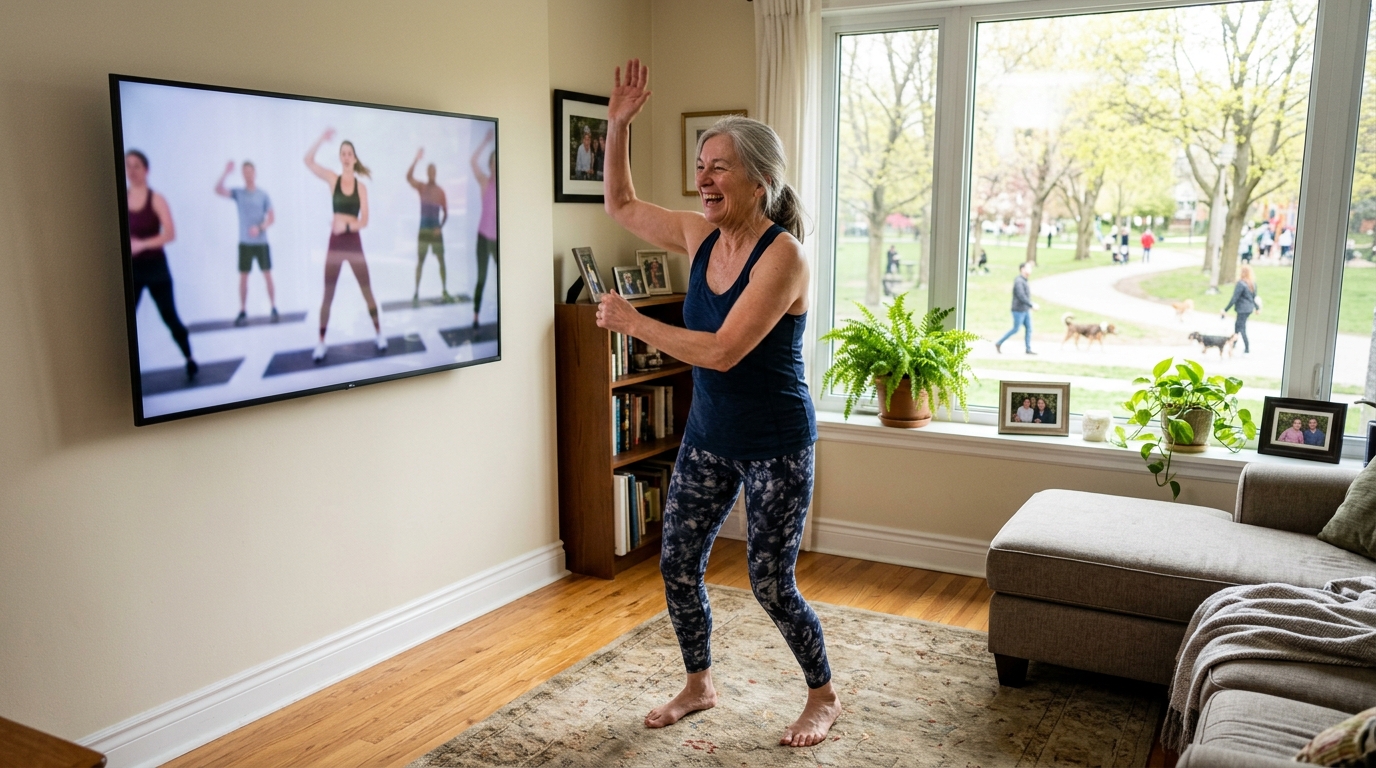
The Hidden Health Crisis: Senior Social Isolation
According to the Canadian Institute for Health Information, 1 in 4 Canadian seniors age 65+ experience significant social isolation. The health consequences rival obesity and smoking:
- 35% increased mortality risk for isolated seniors (comparable to smoking 15 cigarettes daily)
- 50% increased dementia risk compared to socially engaged peers
- Higher rates of depression, anxiety, and substance abuse
- Reduced medication adherence and self-care (isolated seniors neglect health management)
- Faster cognitive decline (brain engagement slows when social connection decreases)
Unlike physical isolation (living alone), social isolation is psychological — it's about feeling disconnected from meaningful relationships and community, even if living with others.
Common Causes of Late-Life Social Isolation
| Isolation Trigger | Prevalence | Solution Cost |
|---|---|---|
| Loss of peer network (death of friends) | 65% of adults 75+ | Community programs, social clubs |
| Reduced mobility (can't drive) | 40% of adults 75+ | Transportation services, accessibility modifications |
| Hearing loss (can't participate in conversations) | 66% of adults 75+ | Hearing aids, assistive listening devices |
| Technology gap (can't use video calls) | 50% of older adults 65+ | Tech training, simple devices, ongoing support |
| Caregiver isolation (homebound care) | 30% of adults 85+ | Adult day programs, respite care, online community |
| Mental health barriers (depression, anxiety) | 30% of seniors | Therapy, group programs, peer support |
According to research published in JAMA, seniors who engage in meaningful social activities 2–3 times weekly show 25% slower cognitive decline compared to isolated peers. Social engagement is a protective health intervention.
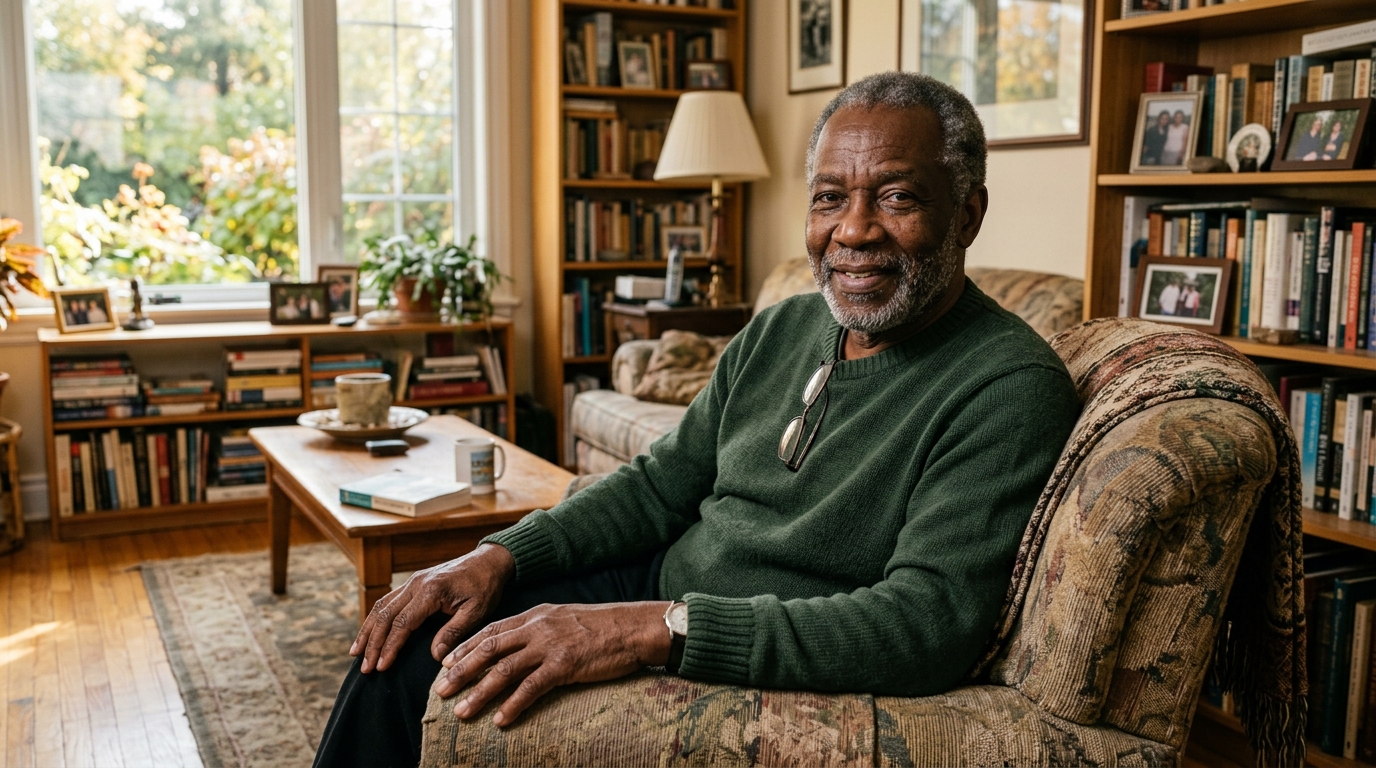
When Technology Becomes a Lifeline
Modern technology can dramatically reduce isolation — if your aging parent can access it:
Essential Technology for Social Connection
| Technology | Cost | Purpose | Monthly Ongoing Cost |
|---|---|---|---|
| Tablet with video call pre-loaded | $400–$800 | Video calls with family, virtual community programs | $0–$50 (internet) |
| Hearing aid | $1,500–$6,000 | Restores conversation ability, group participation | $0 (batteries, maintenance varies) |
| Smart speaker with voice control | $100–$300 | Hands-free phone calls, music, reminder support | $10–$20 (optional subscription) |
| Internet installation/upgrade | $500–$1,500 | Enables all digital connection | $50–$100/month |
| Tech training and ongoing support | $500–$2,000/year | Teaches use, troubleshoots problems, updates software | Ongoing |
Total first-year investment: $3,000–$10,000
Community Programs and Social Engagement
| Program Type | Cost | Frequency | Isolation Reduction |
|---|---|---|---|
| Senior community center membership | $100–$300/year | Weekly programs, classes, social events | Moderate to high |
| Adult day program | $50–$100/day | 2–5 days/week care, peer engagement, structured activity | High |
| Volunteer opportunity (through agency) | $0–$500 | Ongoing volunteer placement and support | High |
| Online community or gaming group | $0–$200/year | Regular virtual interaction, purpose, peer connection | Moderate |
| Transportation service (paratransit) | $2–$5/trip or $50–$100/month | Enables mobility to programs and social activities | Moderate to high |
| Fitness or exercise class | $50–$150/month | Peer connection, physical health, structure | Moderate |
Monthly community engagement cost: $100–$500 depending on programs.
Scenario: From Isolated to Engaged
Dorothy, age 78, has been isolated for 2 years since her husband died. She:
- Lives alone in her home
- Can no longer drive (gave up license 18 months ago)
- Rarely leaves the house
- Has hearing loss that makes phone calls difficult
- Doesn't use email or video calls
- Sees adult children 1–2 times monthly
- Shows signs of depression (low energy, reduced appetite)
Her aging daughter is concerned: "Mom is declining. She's lonely, depressed, and I can't visit daily. I'm worried about her cognitive health."
Dorothy's technology and community needs:
- Hearing aid: $3,000
- Tablet and video calling setup: $600
- Internet upgrade: $500
- Tech training and ongoing support: $500/year
- Adult day program (3 days/week): $8,000/year
- Paratransit service subscription: $50/month
- Senior community center membership: $150/year
Total first-year cost: ~$13,250
Dorothy's aging daughter's position: She's retired with CPP/OAS but limited savings. She can't afford $13,250 out of pocket.
Using a reverse mortgage (Dorothy's own home equity):
- Dorothy accesses $15,000 from her home equity (she's 78, has significant equity)
- Funds cover: hearing aids, tablet/setup, tech training, first year of day program
- Within 3 months, Dorothy is attending adult day programs 3x/week, using video calls with family
- Her social connection increases dramatically
- Depression lifts, cognitive function stabilizes
Outcome: Dorothy's health trajectory reverses through social engagement and technology access. The reverse mortgage investment paid dividends in wellbeing.
The ROI of Social Connection Investment
Funding social connection and technology isn't frivolous — it's a health investment with clear returns:
- Reduced hospitalizations (socially engaged seniors make better health decisions)
- Improved medication adherence (peer support and structure improve compliance)
- Delayed cognitive decline (brain engagement is protective)
- Reduced depression medication costs (social connection sometimes reduces need for antidepressants)
- Delayed long-term care placement (engaged seniors living at home longer)
In financial terms, preventing one unnecessary hospitalization or delayed long-term care entry pays for years of community programs.
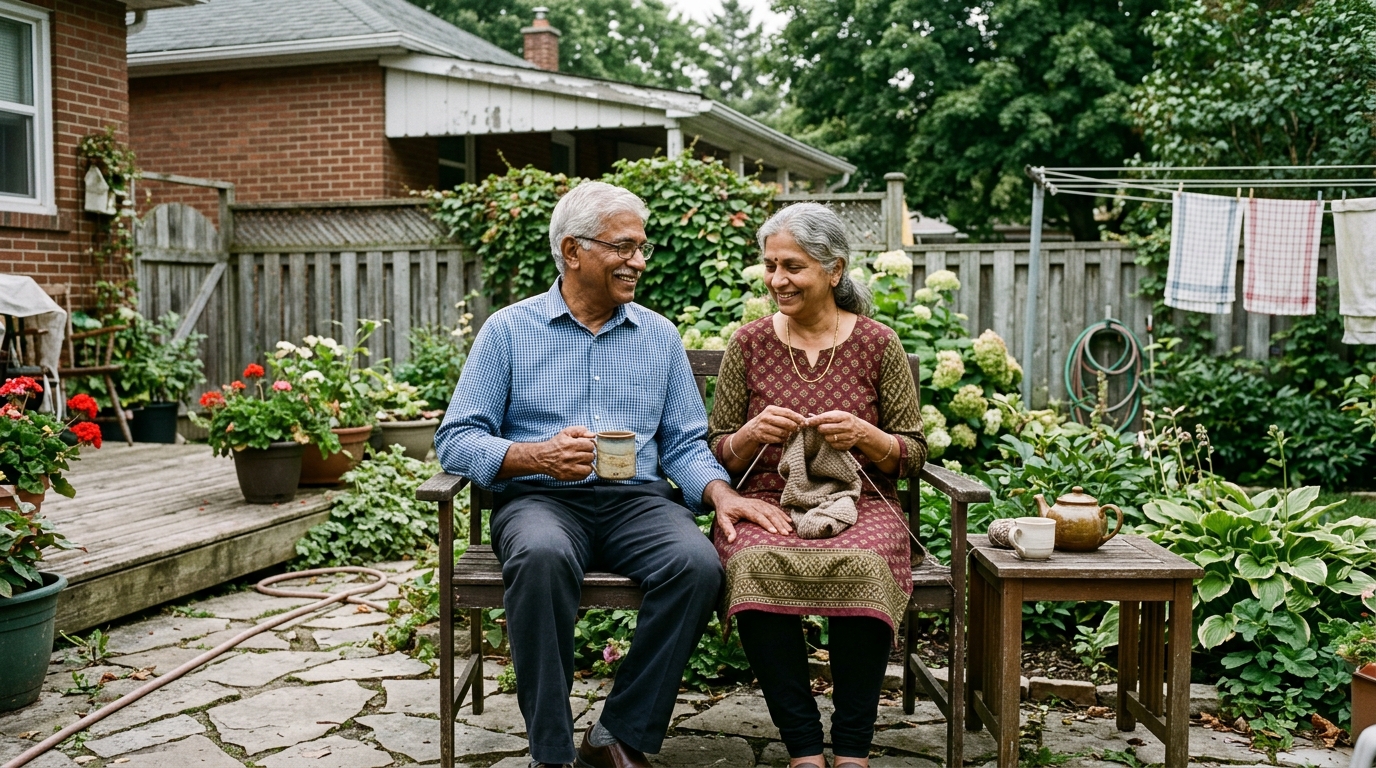
Technology Barriers That Reverse Mortgages Can Overcome
The biggest barrier to technology adoption for isolated seniors is initial setup cost + ongoing support.
A reverse mortgage can fund:
- Equipment purchase (tablet, hearing aids, smart speaker)
- Installation and setup (professional help, account creation, testing)
- Initial tech training (personal instruction, patience, repetition)
- Ongoing support (tech helpline, monthly check-ins, troubleshooting)
Once technology is accessible, isolated seniors often:
- Connect regularly with grandchildren via video calls
- Join online hobby groups and interest communities
- Access virtual exercise classes and wellness programs
- Participate in online learning and lifelong learning programs
Warning Signs of Dangerous Isolation
Watch for:
- Significant weight loss or weight gain
- Neglected hygiene or appearance
- Disheveled home or accumulation of clutter
- Expressions of hopelessness or suicidal ideation
- Missed medical appointments
- Cognitive decline or confusion
- Increased substance use (alcohol, medication misuse)
If you see these signs, intervention is urgent. A reverse mortgage for immediate technology setup and community program enrollment can be life-saving.
Key Takeaways
- Senior social isolation affects 1 in 4 Canadian seniors — with health consequences rivaling smoking and obesity
- Technology enables connection — but setup, training, and ongoing support cost $3,000–$10,000+
- Community programs and social engagement are protective — reducing dementia risk and mortality
- A reverse mortgage funds both technology AND community programs without depleting retirement income
- The ROI is immediate — better mental health, cognitive stability, and quality of life
- Early intervention is critical — social isolation accelerates once it begins; addressing it quickly is important
Steps to Address Your Aging Parent's Social Isolation
1. Acknowledge the problem. Many aging parents minimize isolation or are unaware of its health impact. Have this conversation directly.
2. Identify the barriers. Is it mobility? Technology? Hearing loss? Depression? Address the specific barrier, not just the isolation symptom.
3. Assess available programs. Research local senior centers, day programs, volunteer opportunities, and online communities.
4. Start with technology. If your parent is homebound, technology (video calls, online programs) is often the entry point to broader connection.
5. Invest in training. Tech alone doesn't work — your parent needs patient, ongoing support to use it.
6. Talk to Rick Sekhon Reverse Mortgages. If you need funds for technology setup and community program enrollment, explore a reverse mortgage option.
7. Be patient. Social reconnection takes time. Consistency and persistence matter.
Frequently Asked Questions
Should I use a reverse mortgage to fund isolation prevention programs?
Yes, if your aging parent is isolated and showing signs of depression or cognitive decline. The health benefits justify the cost.
What if my parent refuses technology or community programs?
Resistance is common. Start small — maybe video calls with grandchildren are the entry point. Once they experience the benefit, they may embrace other programs.
Can I use reverse mortgage funds for ongoing community program costs?
Yes. While setup costs are one-time, ongoing program costs (day programs, fitness classes, volunteer coordination) can be planned and funded through a reverse mortgage line of credit.
What if my aging parent is homebound due to severe mobility issues?
Technology and virtual programs become even more important. Focus on video calls, online communities, virtual exercise classes, and adult day programs (if transportation available).
How do I find quality community programs for my aging parent?
Contact your local seniors' center, check your municipality's parks and recreation offerings, ask their physician for recommendations, and check online directories like "Seniors Programs [Your City]."
Should I attend programs with my parent to encourage participation?
Initially, yes. Your presence validates the importance and helps them settle in. Once comfortable, they can attend independently.
Next Steps
Social isolation is a silent health crisis for aging parents. Rather than watching your parent decline, invest in connection through technology and community programs.
Talk to Rick Sekhon Reverse Mortgages about funding technology setup, training, and community program access for your aging parent's social reconnection.
Ready to Learn More?
Find out exactly how much you could unlock from your home — free and no obligation.
Related Articles
Reverse Mortgage for Aging Parent's Digital Literacy: Tech Training and Online Safety
Fund digital literacy programs for aging parent. Enable video calls with family, online banking safety, and independence through technology training.
Read →Reverse Mortgage for Social Connection: Building Community in Retirement
Fund social activities, community involvement, and meaningful connections to combat retirement isolation. Create a vibrant social life in Ontario after 55.
Read →Reverse Mortgage for Aging in Place With Fibromyalgia: Home Modifications for Invisible Illness
Fund home modifications for aging with fibromyalgia. Reverse mortgage enables accessible design for pain management, energy conservation, and quality of life.
Read →