
Reverse Mortgage for Social Connection: Building Community in Retirement
Fund social activities, community involvement, and meaningful connections to combat retirement isolation. Create a vibrant social life in Ontario after 55.
Are you facing retirement isolation? Many Ontario seniors struggle to maintain active social connections and community involvement after leaving work. Research shows that social isolation in retirement is linked to depression, cognitive decline, and earlier mortality. Loneliness is a serious health risk—as dangerous as smoking 15 cigarettes daily.
This article is for educational purposes only and does not constitute financial advice.
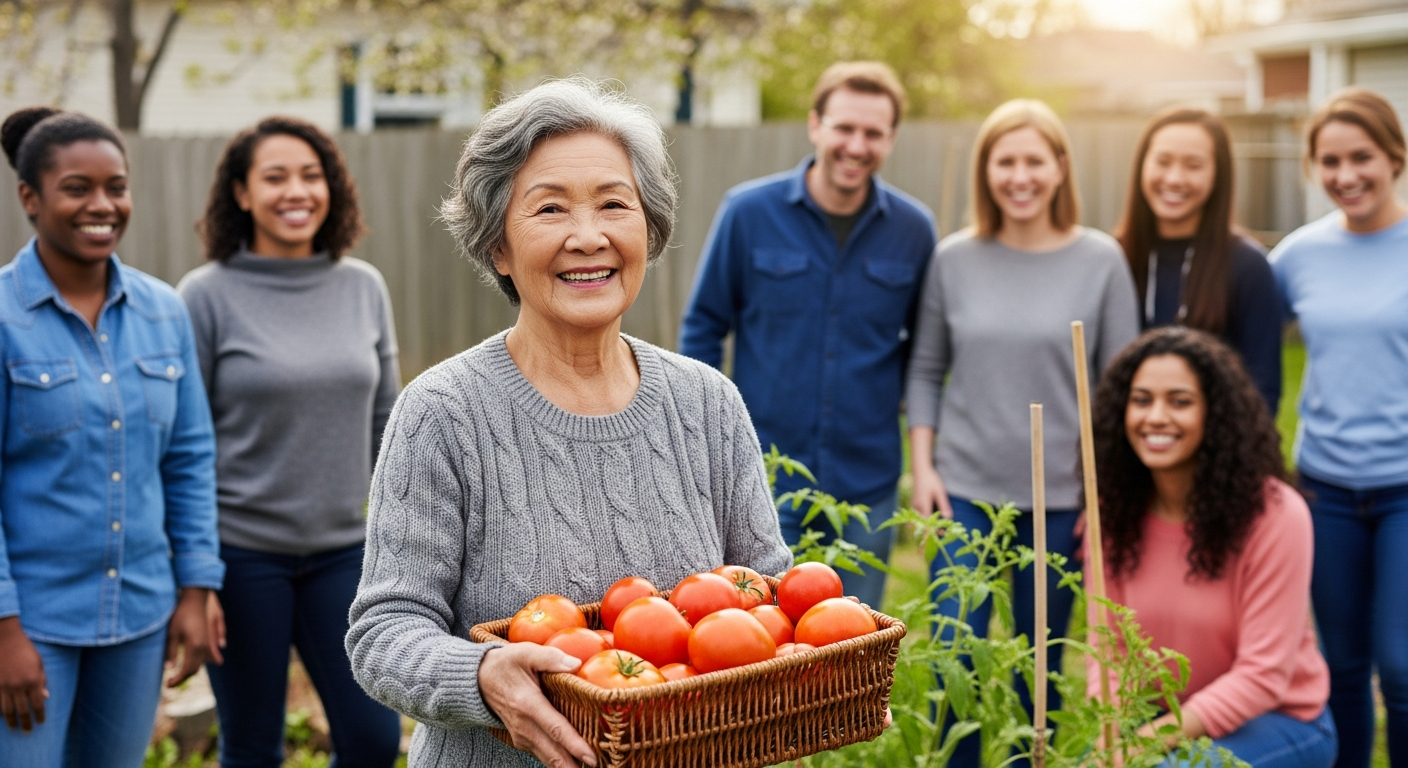
Yet building and maintaining an active social life in retirement costs money—club memberships, travel, classes, events, and volunteer activities all require funds many retirees don't have. A reverse mortgage can unlock equity specifically to invest in community engagement and social connection.
The Retirement Social Connection Crisis
The Cost of Isolation vs. Connection
Many retirees reduce social activity because of budget constraints. The costs of staying connected add up:
| Social Connection Activity | Annual Cost | Health Impact of Participation |
|---|---|---|
| Community center memberships | $300–$1,000 | Reduced isolation, increased physical activity |
| Travel for family connections | $2,000–$6,000 | Family bonding, sense of purpose |
| Classes and learning programs | $800–$2,500 | Cognitive engagement, social interaction |
| Volunteer mileage and expenses | $500–$2,000 | Purpose and community contribution |
| Social clubs and organizations | $300–$1,500 | Peer connection and shared interests |
| Hosting gatherings and meals | $1,000–$3,000 | Family and friendship strengthening |
| Group travel and tours | $2,000–$6,000 | Adventure and social bonding |
| Arts and cultural participation | $500–$2,000 | Intellectual stimulation and enjoyment |
| Religious/spiritual community participation | $300–$1,500 | Faith connection and support network |
| **Total annual social investment | $8,000–$26,000 | Significant health and well-being impact |
Most retirees on fixed incomes cannot afford $10,000–$20,000 annually in social activities and retreat to isolated lifestyles.
According to research from the American Heart Association, social isolation increases mortality risk by 29% and increases the risk of stroke or heart disease by 32%. In Canada, a Statistics Canada study found that 25% of seniors living independently report frequent loneliness.
The Health Cost of Social Isolation
Seniors who withdraw from social activity experience:
- Higher rates of depression and anxiety
- Cognitive decline and dementia risk
- Increased physical health problems
- Higher healthcare utilization
- Reduced life expectancy
- Lower quality of life and life satisfaction
How a Reverse Mortgage Funds Community Engagement
A reverse mortgage unlocks home equity to fund activities that maintain social connection and community involvement—investments in health and well-being.
Patricia's Story: From Isolation to Connection
Patricia, 74, retired 12 years ago from teaching. She lived alone in Hamilton after her husband passed away. Her pension was modest. She stopped traveling, attending book clubs, and visiting distant grandchildren because each activity felt financially risky.
Over 5 years, Patricia became increasingly isolated. She saw friends rarely, attended church sporadically, and spent most days at home. Her adult children noticed her declining mood and energy.
Patricia's home was worth $380,000, fully paid off. Using a reverse mortgage, she accessed $120,000 in equity. She allocated $500 monthly to community engagement:
- Travel fund to visit grandchildren 2–3 times yearly ($3,000 annually)
- Book club membership and group travel ($1,000 annually)
- Church volunteer activities and potlucks ($500 annually)
- Community fitness classes ($1,500 annually)
- Hosting family dinners ($1,500 annually)
Within 18 months:
- Patricia's mood lifted noticeably
- She made new friends through travel and classes
- Family relationships strengthened through more frequent visits
- She felt purposeful through volunteer contributions
- Her doctor noted improved overall health
Result: Patricia's social investment created not just happiness, but demonstrable health improvement.
Types of Community Engagement to Fund
In-Person Social Activity
Clubs and organizations — Join community groups aligned with your interests:
- Book clubs, gardening clubs, hobby groups ($300–$1,000/year)
- Religious or spiritual communities ($300–$1,500/year)
- Senior centers and community organizations (often free or $200–$500/year)
Social classes and learning — Stimulate mind and meet peers:
- Local college or community college courses ($300–$1,500/term)
- Fitness and wellness classes ($500–$1,500/year)
- Arts classes (painting, music, writing) ($400–$1,500/year)
Volunteer opportunities — Give back while staying engaged:
- Community volunteer positions (transportation, supplies, mileage)
- Mentoring and tutoring roles ($500–$2,000/year in expenses)
- Advocacy and activism ($300–$1,500/year)
Family and Friendship Connection
Travel for relationships — Strengthen bonds across distances:
- Visiting grandchildren or distant family ($2,000–$5,000/year)
- Family reunions and gatherings ($1,000–$3,000/occurrence)
- Travel with friends for shared experiences ($2,000–$6,000/year)
Hosting gatherings — Bring people to you:
- Regular family dinners ($1,000–$3,000/year)
- Holiday hosting ($500–$2,000/year)
- Small gatherings and potlucks ($500–$1,500/year)
Technology-Enabled Connection
Digital tools for connection — Modern seniors use technology to stay engaged:
- Internet/video calling software (often free, but quality devices needed)
- Online classes and webinars ($200–$800/year)
- Virtual travel and cultural experiences ($300–$1,000/year)
- Online communities and forums (often free)
Benefits of Community Investment
✓ Reduced depression and anxiety — Social engagement directly improves mental health
✓ Cognitive stimulation — Learning, socializing, and new experiences protect brain health
✓ Physical health benefits — Social connection lowers blood pressure, heart disease risk, and supports immune function
✓ Sense of purpose — Volunteering and contribution create meaning in retirement
✓ Extended lifespan — Research shows strong social connection adds years to life
✓ Family strengthening — Time and travel investment in relationships deepen family bonds
✓ Reduced healthcare costs — Well-connected seniors require fewer medical interventions and hospitalizations
Frequently Asked Questions
How much of a reverse mortgage should I dedicate to social engagement?
There's no "right" amount. Consider: If you're currently spending $2,000/year on social activity and wish you could spend $8,000, a reverse mortgage can bridge that gap. Allocate amounts that feel meaningful without overextending.
Can I use reverse mortgage funds to travel internationally to visit family?
Yes. Travel is a legitimate use of reverse mortgage funds. Many seniors fund 1–2 international trips annually to visit children, grandchildren, or friends.
Will my family judge me for using home equity for activities instead of saving it for inheritance?
This is a personal family decision. Many adult children strongly support their parent's social engagement and quality of life over a larger inheritance. Have open conversations about priorities.
Can I use reverse mortgage funds to fund a move to a senior community with built-in social connection?
Yes. While you can't get a reverse mortgage on a new property directly, you can access equity on your current home and use it as a down payment on a senior community residence. Consult Rick Sekhon about structuring this.
What if I'm introverted and don't want extensive social engagement?
Social connection doesn't mean constant socializing. Introverts thrive with smaller groups, one-on-one relationships, and selective community involvement. Even introverts benefit from purposeful social engagement aligned with their temperament.
Action Steps: Building Your Social Life
Step 1: Reflect on your social ideals What community involvement and social connection would bring you the most joy and meaning?
Step 2: Estimate costs Research local clubs, classes, volunteer opportunities, and travel costs. Build a realistic budget.
Step 3: Get a reverse mortgage assessment Contact Rick Sekhon Reverse Mortgages to determine available equity for social engagement funding.
Step 4: Obtain independent legal advice Required before closing a reverse mortgage. Your lawyer ensures you understand the terms and implications.
Step 5: Start small and build Use initial reverse mortgage funds to test activities you're interested in. Build up engagement gradually.
Step 6: Invite others Share activities with friends and family. Social engagement grows when you invite others to participate.
Speak to a licensed mortgage professional. Independent legal advice is required before closing a reverse mortgage in Ontario.
Key Takeaways
| Question | Answer |
|---|---|
| Can I use a reverse mortgage specifically for social activities and travel? | Yes. Community engagement and social connection are valuable uses of reverse mortgage funds. |
| How much can social engagement improve my health? | Research shows strong social connection extends lifespan, reduces depression, and improves cognitive function. |
| What if I'm on a tight budget—can I still afford social engagement? | A reverse mortgage can fund $500–$2,000 monthly for social activities, depending on your available equity. |
| Will my family support using home equity for travel and activities? | Most adult children prioritize their parent's happiness and quality of life over a larger inheritance. Have the conversation. |
This content is for illustrative purposes only. Rates may vary. Call Rick Sekhon for the best rates and more information.
Ready to Learn More?
Find out exactly how much you could unlock from your home — free and no obligation.
Related Articles
Reverse Mortgage to Fund Lifelong Learning: Community Programs and Courses
Fund lifelong learning programs, university courses, and community education with a reverse mortgage. Keep your mind active in retirement.
Read →Reverse Mortgage for Community Volunteering and Part-Time Work Funding
Fund volunteering training, part-time work startup, and community engagement with a reverse mortgage. Stay active and purposeful in retirement.
Read →Reverse Mortgage for Active Retirement (Age 55–65): Funding Travel and Lifestyle
Early retirees (55–65) face a unique challenge: long lifespan, high lifestyle costs, portfolio longevity. Learn how a reverse mortgage can fund active retirement adventures without portfolio depletion.
Read →