
Reverse Mortgage to Fund Lifelong Learning: Community Programs and Courses
Fund lifelong learning programs, university courses, and community education with a reverse mortgage. Keep your mind active in retirement.
What if you could pursue the education you always wanted, without worrying about the cost? Many Ontario retirees discover a passion for learning in retirement—from university courses to specialized certifications to personal enrichment programs. But education costs money, and many prefer not to drain retirement savings. A reverse mortgage provides an elegant solution: access home equity to fund learning opportunities that keep your mind sharp and your life engaged.
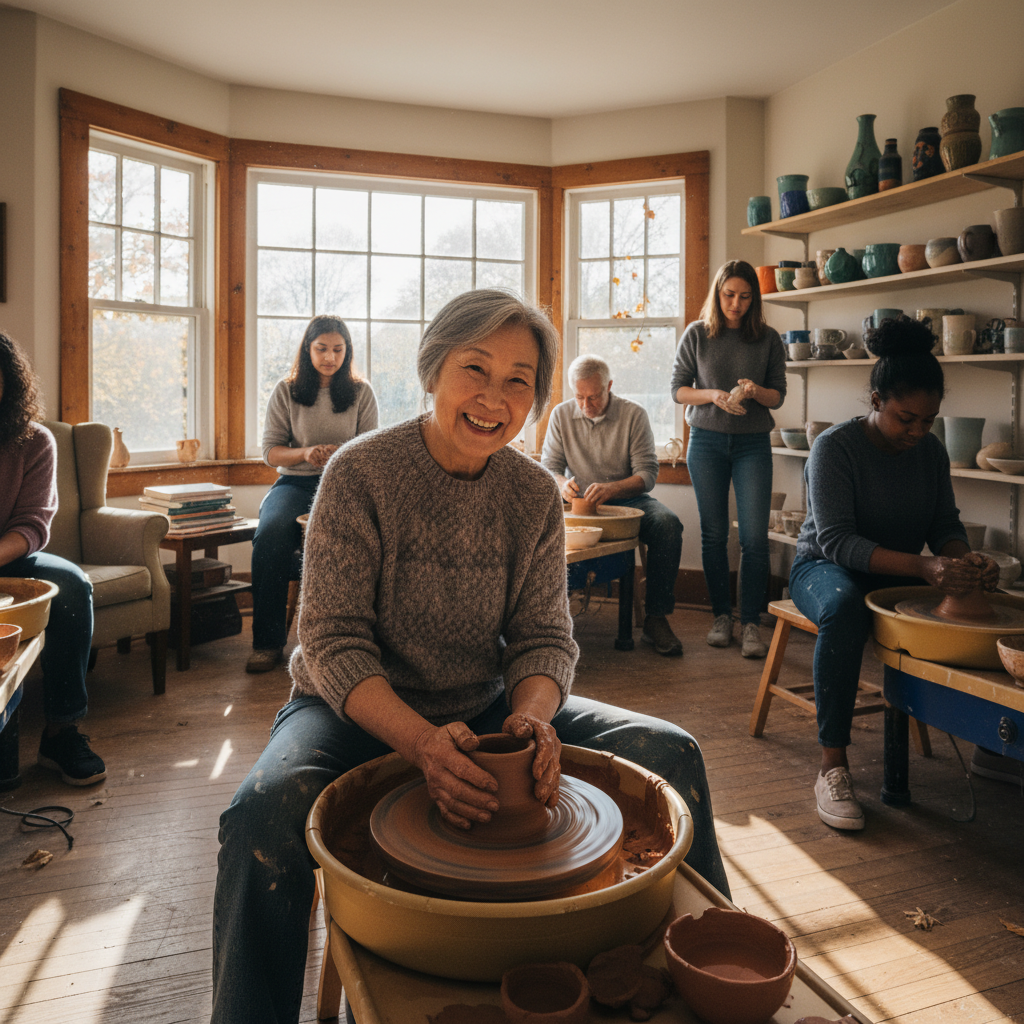
The Learning Advantage in Retirement
Cognitive science is clear: lifelong learning protects mental health, reduces dementia risk, and increases longevity. According to the Cognitive Neuroscience Society, older adults who regularly engage in learning activities show significantly better cognitive outcomes than those who don't.
Ontario offers exceptional learning opportunities for seniors:
University Programs:
- Osgoode Hall Law School (Seniors Law Program)
- University of Toronto's Continuing Education
- Carleton University's Lifelong Learning programs
- McMaster University Elder Learner programs
- Many Ontario universities offer senior auditing at reduced rates
Community Programs:
- Local community colleges (affordable certificates and courses)
- Museum programs and lectures
- Library learning centers
- Recreation department classes
- Specialized skill workshops
Online Learning:
- Coursera, edX, Udemy (often $50–$200 per course)
- LinkedIn Learning
- MasterClass subscriptions
- Specialized professional development programs
The challenge: costs add up. University auditing ($200–$500/course), professional certifications ($2,000–$10,000), and comprehensive learning programs can exceed $15,000 annually.
Costs of Lifelong Learning Programs in Ontario
Here's what Ontario seniors typically invest in education:
| Program Type | Duration | Cost |
|---|---|---|
| University single course (audit) | 4 months | $300–$600 |
| Certificate program (6 courses) | 1–2 years | $2,000–$4,000 |
| Professional certification (real estate, counseling) | 6–12 months | $3,000–$8,000 |
| Art or music intensive | 10 weeks | $800–$2,000 |
| Language immersion program | 3 months | $2,000–$5,000 |
| Online learning subscription (annual) | 1 year | $200–$500 |
| Museum membership + lectures | Annual | $300–$800 |
| Typical 3-year learning plan | 3 years | $8,000–$18,000 |
For retirees on modest pensions, this represents a significant commitment. A reverse mortgage removes the friction.
How a Reverse Mortgage Funds Education
A reverse mortgage provides flexible access to home equity. Instead of choosing between education and financial security, you can pursue both:
- Access a portion of your home's equity based on your age and home value
- Borrow only what you need for your learning plan
- Spread payments over time through a line-of-credit feature
- Invest in yourself while maintaining financial stability
Example: Toronto couple, ages 70 and 68, with a $600,000 home:
- Available borrowing capacity: $330,000–$390,000
- Amount for 3-year learning plan: $15,000
- Remaining available equity: $315,000–$375,000
Real Example: David's Second Career Education in London, Ontario
David, 66, retired from manufacturing but felt unfulfilled. He'd always been interested in environmental science but had chosen a different career path for job security. In retirement, with time and freedom, he wanted to explore this passion.
He researched local options and found that Western University offered a Certificate in Environmental Science (open to auditors). The program required six courses over 18 months, costing approximately $2,000.
Additionally, David wanted to pursue his interest in sustainable agriculture by taking workshops. Total learning budget: $5,000 over three years.
David's London home was valued at $450,000. Through a reverse mortgage, he accessed $8,000—enough for his learning plan plus a cushion. The monthly interest cost was approximately $43 (at 6.5%).
The impact: David completed his environmental science certificate, developed a deep knowledge of sustainability, and—at age 68—became a volunteer with a local conservation organization, bringing his newfound expertise to community work. His wife said he was "more engaged and alive than he'd been in years."

Learning and Cognitive Health Benefits
Research from the American Psychological Association shows that older adults who engage in learning activities have:
- 23% lower dementia risk (compared to non-learners)
- Better quality of life ratings
- Increased social engagement (learning often involves community)
- Greater sense of purpose and control
According to Statistics Canada, seniors who participate in lifelong learning report significantly higher life satisfaction and fewer mental health challenges than those who don't.
Finding the Right Learning Program for You
Start by identifying your interests:
- What subjects fascinate you?
- Do you want practical skills or personal enrichment?
- Prefer structured classroom or flexible online?
- Want credentials (certificate) or just personal learning?
Research Ontario options:
- Contact local community colleges for course catalogs
- Check university continuing education departments
- Explore your library's learning programs
- Look into virtual learning platforms
Budget realistically:
- Single courses: $200–$600
- Multi-course programs: $2,000–$8,000 annually
- Multi-year plans: $8,000–$20,000
A reverse mortgage line of credit lets you access funds gradually as you commit to courses.
Types of Learning Funded by Reverse Mortgages
✓ Academic subjects (history, literature, philosophy) ✓ Practical skills (languages, coding, financial planning) ✓ Creative pursuits (writing, art, music) ✓ Professional development (certifications, specialized training) ✓ Wellness programs (yoga, meditation, fitness) ✓ Technology training (computers, smartphones, digital literacy) ✓ Travel-based learning (courses abroad, cultural immersion) ✓ Volunteer training (skills for community service)
Integration With Active Retirement
Lifelong learning often combines with other active retirement pursuits:
- Part-time work: Fund the education that enables consulting or freelance work
- Volunteer work: Fund training for meaningful volunteer positions
- Travel learning: Fund educational travel experiences
- Hobby development: Fund skill-building to turn hobbies into deeper pursuits
You might use a reverse mortgage line of credit to fund education, then generate income from that knowledge through part-time work or volunteering.
Tax Implications
Good news: a reverse mortgage used for education has no direct tax consequences. The borrowed funds are not income, so they don't affect OAS, GIS, or CPP.
However, if your learning leads to income generation (consulting, freelance work, etc.), that income is taxable. Speak with a tax professional about your specific situation.
Getting Started
- Identify your learning interests and research programs
- Get cost estimates for programs you're considering
- Assess your home's value and reverse mortgage borrowing power
- Get quotes from 2-3 lenders (rates and terms vary)
- Plan your learning timeline (1 year, 3 years, 5 years?)
- Consider combining with other goals (part-time work, volunteering, etc.)
Speak with Rick Sekhon, a licensed reverse mortgage specialist in Ontario, to understand your borrowing capacity for funding lifelong learning.
Frequently Asked Questions
Can I get a reverse mortgage just to fund education?
Yes. Lenders don't restrict how you use reverse mortgage funds. You can borrow for education, hobbies, healthcare, or any purpose.
What if I don't complete the entire learning program?
You still own the funds and don't repay until you sell, move, or pass away. No penalties for changing your mind.
Does education funding count as income for government benefits?
No. Reverse mortgage proceeds are not income. However, if your education leads to earning income, that income is reportable.
Can I fund education for my grandchildren?
Reverse mortgages are for homeowners only, secured against your home. You could fund education for yourself, but to fund grandchildren's education, you'd need to gift them the money directly (which would use reverse mortgage proceeds).
What's the best age to fund learning: earlier or later in retirement?
Earlier is generally better. Accessing funds while in good health and having time to enjoy learning makes sense.
How does lifelong learning connect with aging in place?
Engaged minds lead to better health outcomes. Learning opportunities keep seniors mentally active, socially connected, and purposeful—all factors that support independent living at home.
Conclusion: Invest in Yourself
Retirement is not an ending—it's an opportunity to pursue passions, develop knowledge, and contribute meaningfully to your community. Education in retirement improves cognitive health, increases life satisfaction, and often leads to volunteer work or part-time income opportunities.
A reverse mortgage removes the financial barrier to lifelong learning. By investing in yourself now, you're investing in a more engaged, healthy, and purposeful retirement.
Ready to explore how a reverse mortgage could fund your learning goals? Get your free Ontario Reverse Mortgage Guide →
Ready to Learn More?
Find out exactly how much you could unlock from your home — free and no obligation.
Related Articles
Reverse Mortgage for Home Office Setup: Creating a Productive Retirement Workspace
Fund your home office with a reverse mortgage. Create a productive retirement workspace for consulting, hobbies, or part-time work in Ontario.
Read →Reverse Mortgage for Wellness Programs: Staying Active and Healthy in Retirement
Learn how Ontario seniors can use reverse mortgages to fund fitness programs, wellness memberships, and preventative health services to maintain vitality in retirement.
Read →Reverse Mortgage for Active Retirement (Age 55–65): Funding Travel and Lifestyle
Early retirees (55–65) face a unique challenge: long lifespan, high lifestyle costs, portfolio longevity. Learn how a reverse mortgage can fund active retirement adventures without portfolio depletion.
Read →