
Reverse Mortgage for Aging Parent With Bipolar Disorder: Managing Mental Health Care Costs
Fund specialized mental health care for aging parent with bipolar disorder using reverse mortgage. Psychiatry, therapy, and medication management support in Ontario.
Does your aging parent with bipolar disorder face escalating psychiatric care costs as they age? A reverse mortgage can fund comprehensive mental health management, specialized psychiatry, psychotherapy, medication monitoring, and care coordination—ensuring your parent's emotional stability remains protected throughout retirement.
Bipolar disorder affects approximately 3% of Canadian adults, but diagnosis and complexity increase significantly in older adults. Ontario's publicly funded mental health services, while comprehensive, often involve wait times of 3–6 months for specialist psychiatry. Private psychiatric care, essential for many seniors with complex bipolar presentations, costs $250–$500 per appointment. A reverse mortgage provides the financial foundation to ensure your aging parent receives consistent, specialized mental health support.
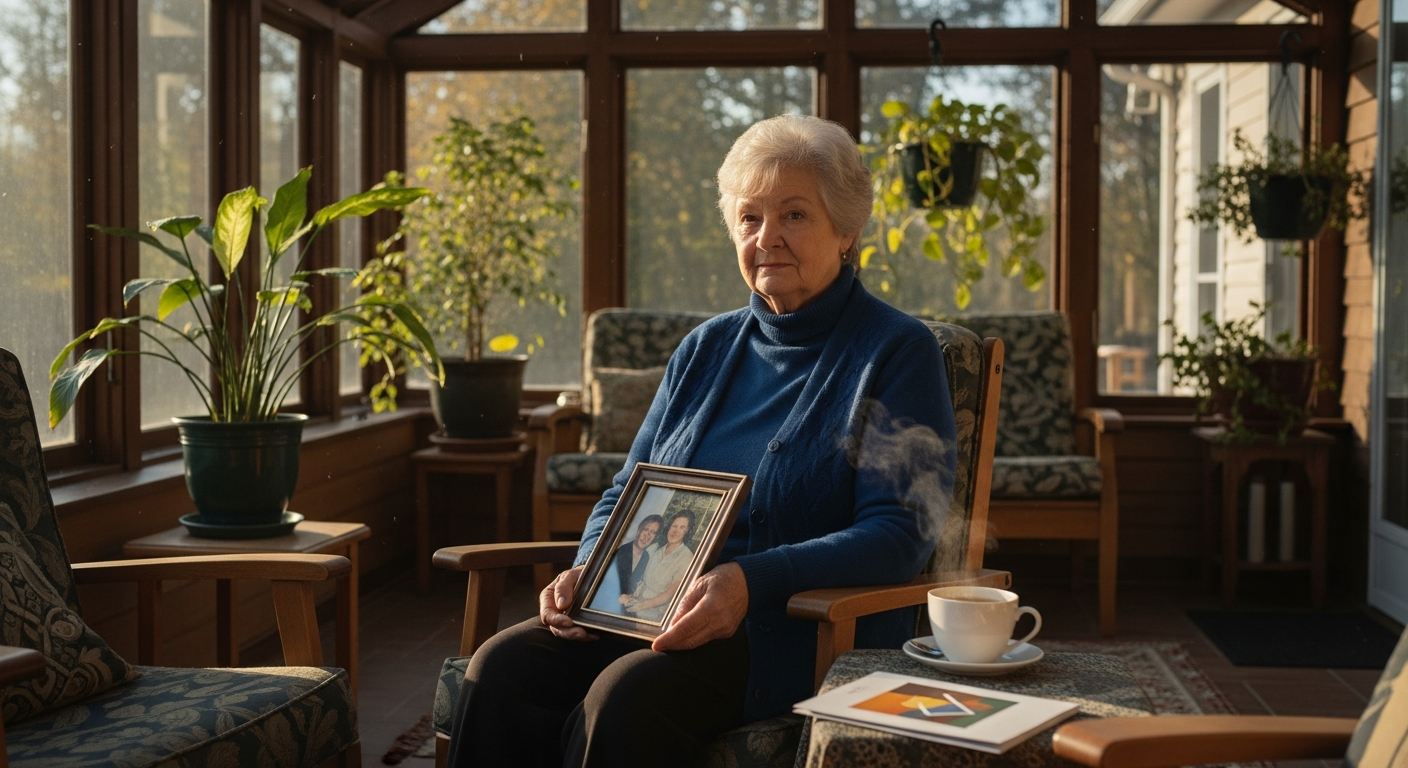
Bipolar Disorder in Aging: Mental Health Care Landscape
Bipolar disorder in seniors presents unique challenges distinct from younger adults. Aging affects medication metabolism, introduces comorbid conditions, and requires more frequent psychiatric monitoring.
Specialized care requirements for aging adults with bipolar disorder include:
- Geriatric psychiatry consultation ($250–$500 per appointment, specialized expertise)
- Ongoing medication management ($150–$300 quarterly check-ins)
- Psychotherapy tailored to aging and life transition ($100–$250 per session)
- Neuropsychological assessment (complex presentation diagnosis, $2,000–$4,000)
- Medication adjustment and monitoring (blood tests, EKG monitoring, $1,500–$3,000 annually)
- Care coordination between specialists (psychiatrist, family doctor, geriatrician)
According to the Canadian Psychiatric Association, older adults with bipolar disorder who receive consistent specialist care experience 60% fewer hospitalizations and crisis episodes compared to those relying solely on primary care or sporadic mental health access. The cost differential is significant: one psychiatric hospitalization costs Ontario's healthcare system $8,000–$12,000; consistent outpatient specialist care costs $3,000–$6,000 annually.
Reverse Mortgage Funding for Bipolar Disorder Management
Using a reverse mortgage to fund your aging parent's specialized mental health care is an Aging in Place investment—you're enabling their emotional stability, independence, and quality of life. The funds are completely tax-free and flexible, providing stable funding regardless of public system wait times or changing psychiatric needs.
Comprehensive Mental Health Funding for Aging Bipolar Disorder
| Mental Health Service | Typical Annual Cost | Coverage by Ontario Health | Reverse Mortgage Role |
|---|---|---|---|
| Geriatric psychiatry specialist (quarterly minimum) | $1,000–$2,000 | Partially covered after wait time | Ensures access without wait lists |
| Ongoing psychotherapy (weekly or bi-weekly) | $3,000–$8,000 | Not covered (private therapists) | Bridges therapy gap |
| Medication blood work & EKG monitoring | $1,500–$3,000 | Covered (lab work), not all testing | Specialized geriatric monitoring |
| Neuropsychological assessment (if complex presentation) | $2,000–$4,000 | Not typically covered | Diagnostic clarity support |
| Care coordination and geriatric assessment | $1,000–$2,500 | Partially covered through CCAC | Enhanced professional coordination |
| Crisis support and emergency psychiatric access | $5,000–$15,000 per incident | Covered (ER/hospitalization) | Prevents crises through proactive care |
According to the Centre for Addiction and Mental Health (CAMH), consistent specialist psychiatric care for seniors with complex mood disorders reduces annual healthcare costs by 40% when crisis hospitalizations are prevented through proactive monitoring and medication management.
Setting Up Accessible Mental Health Infrastructure
Aging parents with bipolar disorder benefit from organized mental health infrastructure:
✓ Primary geriatrician coordinating overall health
✓ Specialist psychiatrist monitoring mood stability (private or public, consistent availability)
✓ Psychotherapist or counselor for emotional processing
✓ Pharmacist tracking medication interactions with aging-related conditions
✓ Case manager/geriatric care coordinator connecting services
Reverse mortgage funds can support hiring a geriatric care coordinator (10–15 hours monthly, $1,500–$2,500 monthly), who schedules appointments, ensures medication adherence, coordinates between providers, and alerts you to emerging concerns—dramatically improving outcomes.
Ontario Mental Health Resources & Specialists
| Service Type | Public Availability | Cost (Private) | Reverse Mortgage Support |
|---|---|---|---|
| Geriatric psychiatry (specialist MD) | 3–6 month wait | $250–$500/visit | Immediate access without wait |
| Ontario Health (OHIP)-covered therapy | Variable, often delayed | Free (eventually) | Bridges immediate therapy needs |
| Private psychotherapy | Immediate | $100–$200/session | Primary funding source |
| CAMH older adult services | Available, specialist referral needed | Covered after assessment | Complements private specialist care |
| Cognitive behavioral therapy (CBT) for mood | Variable availability | $120–$250/session | Evidence-based mood management |
According to the Financial Consumer Agency of Canada (FCAC), when funding specialized healthcare for aging parents, reverse mortgage lenders (like CHIP and Home Trust) require documentation of the care plan and provider credentials, ensuring funds support legitimate healthcare infrastructure.
Real-World Scenario: Proactive Mental Health Support
Robert, 64, Ontario (Adult Child perspective): Robert's mother Diane was diagnosed with bipolar II disorder at age 58. Ontario's public psychiatry system had a 4-month wait; private psychiatry was $400 per appointment. Robert's father struggled to maintain Diane's medication compliance and emotional stability, and she experienced two psychiatric hospitalizations (each costing $10,000+) within two years.
Robert helped his parents access a reverse mortgage for $120,000. They allocated $500 monthly ($6,000 annually) to private psychiatry with a specialist, $200 monthly ($2,400 annually) to weekly psychotherapy, and hired a geriatric care coordinator for 10 hours monthly ($2,000 annually). Total mental health infrastructure cost: $10,400 annually.
Over the next 4 years, Diane experienced zero hospitalizations, maintained consistent mood stability, and transitioned to aging-in-place at home instead of considering assisted living. The reverse mortgage investment prevented two additional hospitalizations (worth $20,000) while significantly improving her quality of life.

Government Benefits & Mental Health Funding
Your aging parent's CPP-D (Disability) or ODSP (if applicable) may cover some mental health expenses, but private specialist psychiatry is rarely fully covered. Reverse mortgage funds provide the complementary support that public benefits cannot—ensuring comprehensive care rather than fragmented public system access.
Important: Reverse mortgage proceeds are not income and don't reduce CPP-D, ODSP, OAS, or GIS benefits since they're loan advances against your home equity, not earned income.
Documenting Your Aging Parent's Care Wishes
As your aging parent's mental health needs evolve, document your intentions:
- Power of Attorney for Health: Ensure you have authority to make psychiatric decisions if your parent becomes incapacitated
- Mental Health Crisis Plan: Specify preferred psychiatrist, medications, and crisis protocols
- Advance Directive: Document your parent's wishes for treatment if they cannot advocate for themselves during acute episodes
- Care Coordinator Instructions: Define the care coordinator's authority to make appointments and implement care decisions
Clear documentation ensures mental health support continues seamlessly, even if your parent's capacity fluctuates due to mood episodes.
Key Takeaways
✓ Geriatric psychiatry wait times in Ontario average 3–6 months, but aging adults with complex bipolar disorder need consistent specialist access — reverse mortgages enable private psychiatry without public system delays.
✓ Consistent specialist mental health care prevents psychiatric hospitalizations (each costing $8,000–$12,000) — the reverse mortgage investment of $6,000–$10,000 annually prevents far costlier crisis episodes.
✓ Reverse mortgage proceeds are completely tax-free — they don't reduce your aging parent's CPP-D, ODSP, OAS, GIS, or other government benefits since they're loan advances, not income.
✓ Comprehensive mental health infrastructure (psychiatrist + therapist + care coordinator) dramatically improves aging-in-place outcomes — reverse mortgage flexibility enables this integrated approach.
✓ Mental health support is as critical as physical healthcare for aging parents with bipolar disorder — documenting care wishes and securing funding ensures consistent, person-centered treatment.
Frequently Asked Questions
Will my aging parent's mental health condition affect their reverse mortgage approval?
No. Reverse mortgage lenders assess home equity, age (55+), and basic creditworthiness—they do not evaluate medical conditions or mental health status. The loan is secured against your home, not your parent's health. The funding exists independent of their psychiatric diagnosis, so mental health conditions don't affect eligibility.
Can I use reverse mortgage proceeds to hire a private mental health care coordinator?
Yes, absolutely. Geriatric care coordinators (nurses, social workers, or care managers) can be hired privately and funded through reverse mortgage proceeds. They typically cost $2,000–$3,000 monthly for 10–15 hours weekly, ensuring medication adherence, appointment scheduling, and crisis monitoring—a critical role that improves outcomes significantly.
What if my aging parent's psychiatrist is not covered by OHIP?
Private psychiatry costs $250–$500 per appointment and is not covered by Ontario Health. A reverse mortgage provides direct funding to access private specialists, often essential when OHIP-covered options have prohibitive wait times. Many families allocate $500–$800 monthly ($6,000–$9,600 annually) specifically for specialist psychiatry access.
How much does a geriatric psychiatric assessment cost if my parent's presentation is complex?
A comprehensive geriatric psychiatric evaluation typically costs $2,000–$4,000 for a single assessment (not ongoing), including neuropsychological testing and geriatric workup. Reverse mortgage funds can cover this assessment, providing diagnostic clarity about your parent's specific bipolar presentation—essential information for appropriate treatment planning.
Will my aging parent's bipolar medication prescriptions cost more as they age?
Sometimes. Older adults often require multiple medications for bipolar disorder management, and certain geriatric-friendly medications cost more than standard options. A reverse mortgage provides flexibility to cover rising prescription costs without cutting essential medications due to budget constraints—critical for mood stability.
Should I consult a geriatric psychiatrist before setting up reverse mortgage funding for mental health care?
Yes, ideally. A geriatric psychiatrist can outline your aging parent's likely mental health costs over the next 10–15 years, helping you and the reverse mortgage professional determine appropriate funding amounts. This assessment ensures reverse mortgage proceeds align with actual long-term mental health needs rather than short-term crisis response.
Prioritize Your Aging Parent's Mental Health
Consistent, specialized mental health care ensures your aging parent with bipolar disorder maintains emotional stability and quality of life throughout their later years. Get your free Ontario Reverse Mortgage Guide →
Ready to Learn More?
Find out exactly how much you could unlock from your home — free and no obligation.
Related Articles
Reverse Mortgage When Aging Parent Requires Mental Health Treatment and Addiction Recovery
Mental health and addiction issues in aging parents are often untreated due to cost and stigma. A reverse mortgage can fund the professional treatment that supports recovery and aging in place.
Read →Private Healthcare and Uninsured Medical Services: Reverse Mortgage for Beyond-Coverage Treatment Funding
Fund private healthcare, specialist treatments, and uninsured medical services in retirement with a reverse mortgage. Ontario healthcare coverage gaps explained.
Read →Reverse Mortgage for Healthcare Costs: Aging in Place in Ontario
How Ontario seniors use a reverse mortgage to fund home care, medical equipment, prescriptions, and healthcare expenses — and stay in their home longer.
Read →