
Reverse Mortgage When Aging Parent Requires Mental Health Treatment and Addiction Recovery
Mental health and addiction issues in aging parents are often untreated due to cost and stigma. A reverse mortgage can fund the professional treatment that supports recovery and aging in place.
The Hidden Crisis: Untreated Mental Health in Aging Parents
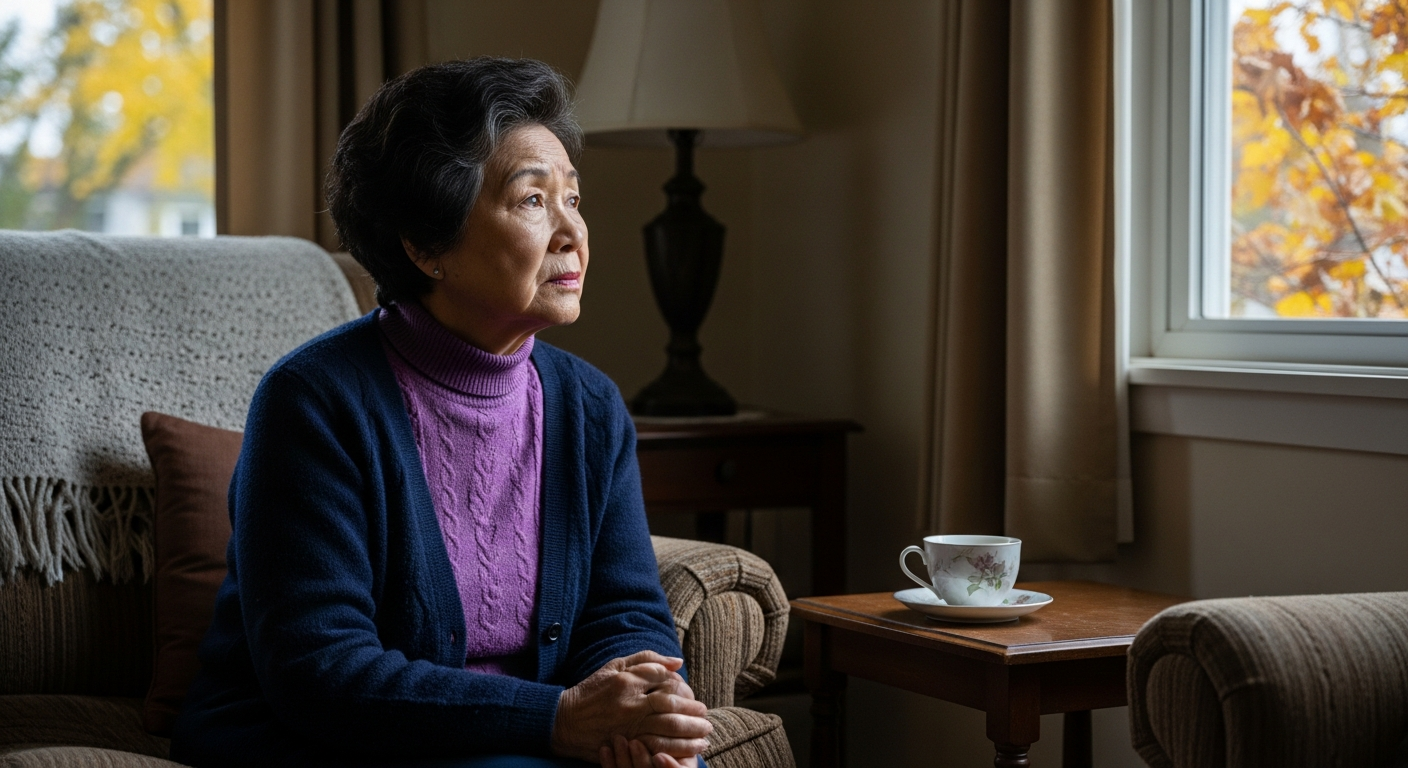
Your mother is 74 and increasingly withdrawn. She's been drinking more heavily since your father died three years ago. She won't admit she has a problem, but you see the signs: missed appointments, neglected home, isolation, deteriorating health.
Your father is 69 and showing signs of depression. He's stopped attending his longtime community activities. He's not sleeping. He won't see a doctor, and he won't talk about what's wrong. But you recognize the pattern from when his own parent died.
Your parent is in early cognitive decline and becoming increasingly anxious. They're checking locks repeatedly, forgetting conversations, struggling with executive function. The anxiety is now limiting their ability to leave the house.
These situations are frighteningly common in Ontario. Mental health and addiction issues in aging parents are often invisible, untreated, and worsening. But they're also highly treatable—if your parent is willing and if the family can afford it.
A reverse mortgage can fund the professional treatment that enables recovery.
Why Mental Health Often Goes Untreated in Aging Parents
The barriers are significant:
Stigma and denial
- Aging parents often grew up in eras where mental health and addiction were shameful
- They view treatment as weakness or failure
- They're unlikely to self-refer or admit they need help
Cost and access
- Therapists, psychiatrists, and specialized addiction treatment are expensive
- Ontario Health covers some services, but wait lists are long (6-12 months)
- Private treatment (which is available immediately) costs $150-$300/hour
Family reluctance
- Adult children recognize the problem but feel uncomfortable intervening
- They don't want to "push treatment" on their parent
- They're unsure how to afford treatment even if their parent agrees
Medical dismissal
- Family doctors often minimize mental health issues in older adults
- "What do you expect, they're getting older" becomes the response
- Underlying depression/anxiety is attributed to normal aging
Isolation
- Depressed or anxious aging parents withdraw socially
- This isolation deepens the mental health issue
- The person becomes more entrenched in unhealthy patterns
The result: treatable mental health and addiction issues go untreated for years, worsening both quality of life and physical health outcomes.
What Professional Mental Health Treatment for Aging Parents Includes
Effective treatment often combines:
Individual therapy ($150-$250/hour)
- Addressing underlying trauma, grief, or anxiety
- Cognitive behavioral therapy for depression
- Acceptance and commitment therapy for anxiety and adjustment
- 20-30 sessions typical = $3,000-$7,500
Specialized addiction treatment ($150-$300/hour + intensive programs)
- Substance abuse assessment and counseling
- Group therapy (often covered by Ontario Health but with wait times)
- Medical detox if needed ($5,000-$15,000 if private)
- Addiction psychiatry consultation ($300-$500/hour)
Psychiatric medication management ($150-$200/visit)
- Antidepressants, anti-anxiety medications
- Regular monitoring and adjustment
- Coordinating with primary care doctor
Specialized geriatric mental health
- Geriatric psychiatrists who understand aging-specific issues
- Cognitive assessment and memory evaluation
- Comprehensive geriatric mental health evaluation ($500-$800)
Holistic support
- Grief counseling or bereavement groups
- Cognitive training for cognitive decline
- Social reconnection and activity programming
Total cost for comprehensive treatment: $8,000-$20,000 in first year, then ongoing maintenance.
| Treatment Type | Typical Cost Range | Frequency |
|---|---|---|
| Individual therapy | $150-$250/hour | Weekly (20-30 sessions/year) |
| Addiction counseling | $150-$300/hour | Weekly to intensive |
| Medical detox (private) | $5,000-$15,000 | One-time |
| Psychiatric medication management | $150-$200/visit | Monthly |
| Geriatric mental health evaluation | $500-$800 | One-time assessment |
| Addiction psychiatry consultation | $300-$500/hour | As needed |
Most aging parents with limited retirement income can't afford this. Their adult children can't always absorb the cost. A reverse mortgage becomes the logical funding source.
Real Example: Margaret's Mother's Mental Health Crisis
Margaret, 58, in Hamilton, recognized that her 76-year-old mother Patricia was sliding into depression after her husband's death. Patricia had stopped seeing friends, was sleeping too much, and was increasingly irritable.
"I knew she needed help, but I didn't have $5,000-$10,000 lying around," Margaret said. "My mother's home was paid off, but she didn't want to touch it. And private therapy costs were out of reach on her fixed income."
Margaret's solution: Reverse mortgage to fund mental health treatment
- Margaret helped her mother understand that her depression was treatable and common
- They explored a reverse mortgage: $150,000 available on her $600,000 home
- Budgeted $12,000 for year-one mental health treatment
- Patricia began seeing a geriatric therapist ($200/hour, weekly) = $10,400/year
- Patricia was also evaluated by a psychiatrist and started on antidepressant
- Added group grief counseling program
The result after one year:
- Patricia's depression significantly improved
- She reconnected with friends and activities
- Her physical health improved (she started walking again)
- She gained confidence and purpose
- She remained in her own home rather than moving to assisted living
"That reverse mortgage saved my mother's life," Margaret reflected. "Not just literally—though untreated depression in aging adults is linked to earlier death—but saved her quality of life. She went from isolated and hopeless to engaged and hopeful."
The cost:
- Reverse mortgage interest on $12,000 in year one: ~$240
- Margaret's budget to pay back funds from other sources over time
- The value of her mother's restored wellbeing: immeasurable

Addiction in Aging Parents: The Invisible Crisis
Substance abuse in aging parents is particularly overlooked:
Alcohol dependence
- More common in older adults than depression
- Often develops gradually after retirement or loss
- Leads to serious medical complications (liver disease, falls, cognitive decline)
- Treatment: specialized addiction counseling + medical supervision, $10,000-$25,000
Prescription medication misuse
- Older adults often prescribed multiple medications
- Dependency can develop unknowingly
- Withdrawal can be medically dangerous
- Treatment: gradual taper with medical supervision + counseling, $5,000-$15,000
Cannabis use disorder
- Growing in older populations
- Often minimized as "harmless"
- Can worsen anxiety, memory problems, and falls
- Treatment: counseling and behavioral intervention, $3,000-$8,000
The shame and stigma around aging parent addiction is enormous. Adult children often enable it (making excuses, covering up consequences) rather than facilitating treatment.
| Funding Source | Typical Access Speed | Monthly Payment Required |
|---|---|---|
| Reverse mortgage | 4-8 weeks | No |
| Personal line of credit | 2-4 weeks | Yes |
| RRSP withdrawal | Immediate | No, but taxable as income |
| Adult child savings | Immediate | Depends on arrangement |
| Ontario Health public wait list | 6-12 months | No cost, but long delay |
A reverse mortgage can fund the intervention and treatment that breaks the cycle.
Addressing Your Aging Parent's Resistance to Treatment
Getting an aging parent to accept professional help is often the hardest part. Approaches that sometimes work:
Frame it as a normal health issue — "You wouldn't skip treatment for diabetes. Depression is the same. It's a health issue, and there's effective treatment."
Start with their doctor — Many aging parents will accept a doctor's referral that they'll reject from their adult child.
Address specific complaints, not the diagnosis — Instead of "You're depressed," try "I notice you're not sleeping. Let's get that evaluated. Good sleep helps everything."
Find providers who specialize in aging — Geriatric therapists and psychiatrists understand aging parents' specific resistance and can work with it.
Use a three-person meeting — Adult child + parent + geriatric care coordinator or counselor. Sometimes a neutral third party makes the difference.
Offer concrete support — "I'll help you find a therapist. I'll come to the first appointment. I'll help with the cost." Concrete support is more effective than general encouragement.
How to Fund Mental Health Treatment with a Reverse Mortgage
Step 1: Consultation
- Discuss aging parent's mental health concerns with their doctor
- Explore treatment options and costs
- Get realistic estimate ($5,000-$20,000 typical)
Step 2: Reverse mortgage assessment
- Determine available home equity
- Calculate how much monthly draw would cover treatment costs
- Ensure this fits overall retirement plan
Step 3: Structure the funding
- Option A: Lump sum for year-one treatment ($10,000-$15,000)
- Option B: Monthly draws ($500-$1,000/month) for ongoing treatment
- Option C: Combination (lump sum + monthly draws)
Step 4: Choose providers
- Geriatric psychiatrist for assessment and medication
- Individual therapist (look for geriatric specialization)
- Group programs or support groups
- Holistic wellness activities (to rebuild life structure)
Step 5: Ongoing monitoring
- Regular check-ins with treatment providers
- Family involvement in progress (with parent's permission)
- Adjustment to treatment plan as needed

The Broader Point: Mental Health as a Component of Aging in Place
One of the most overlooked aspects of "aging in place" is mental health support. We focus on physical accessibility, home modifications, and care services. But an aging parent with untreated depression or anxiety can't truly age in place—they're isolated, suffering, and at risk.
A reverse mortgage that funds mental health treatment is an investment in quality aging in place:
- Preserved relationships and social engagement
- Maintained cognitive function and memory
- Reduced risk of accidents and health crises
- Improved medication compliance and health outcomes
- Greater motivation to maintain home and health
For many Ontario families, a reverse mortgage that extends both physical care AND mental health treatment creates the conditions for genuine aging in place.
The Bottom Line
Aging parents with untreated mental health and addiction issues face worsening outcomes. Treatment is effective but requires access to specialized providers and, often, immediate private services (not long wait-list publicly funded options).
If you have an aging parent with suspected depression, anxiety, cognitive decline, or substance use issues, and if your parent has substantial home equity, a reverse mortgage can fund the professional treatment that restores quality of life and enables genuine aging in place.
This isn't a luxury. It's basic healthcare—funding treatment that works, when your parent is ready to receive it.
In Ontario, where many aging parents manage significant life transitions alone, mental health support should be as standard as physical home care. A reverse mortgage makes that possible.
Key Takeaways
- Comprehensive mental health or addiction treatment for an aging parent typically costs $8,000-$20,000 in the first year, with private wait times of 6-12 months through Ontario Health.
- A reverse mortgage is available to homeowners 55 and older and lets a parent borrow against home equity without monthly payments.
- Individual therapy typically runs $150-$250/hour, while private medical detox can cost $5,000-$15,000.
- Reverse mortgage funds can be drawn as a lump sum, in monthly installments of $500-$1,000, or a combination, matching how treatment is delivered.
- Interest on a modest draw, such as $12,000, can amount to only a few hundred dollars in the first year, since no principal repayment is required until the home is sold or the owner passes away or moves out permanently.
- Untreated depression and addiction in aging adults are linked to worse physical health outcomes and earlier institutionalization, making treatment funding a preventive investment in aging in place.
Frequently Asked Questions
Can a reverse mortgage really be used to pay for therapy or addiction treatment?
Yes. Reverse mortgage proceeds are tax-free loan advances that can be used for any purpose, including private therapy, psychiatric care, or addiction treatment. There are no restrictions on how the funds are spent, and no monthly repayment is required while the homeowner lives in the home.
How much of my parent's home equity can be accessed for treatment costs?
Homeowners aged 55 and older can typically borrow between 15% and 59% of their home's appraised value, depending on age, home value, and lender. Older applicants generally qualify for a higher percentage. A specialist like Rick Sekhon can calculate the exact amount based on your parent's specific home and age.
Will taking a reverse mortgage for mental health treatment affect my inheritance?
It will reduce the equity remaining in the estate by the amount borrowed plus accrued interest, but negative-equity protection ensures your parent (or their estate) will never owe more than the home's fair market value at the time of sale. Many families view funding treatment as protecting quality of life first, with remaining equity as a secondary consideration.
Does my parent need to qualify based on income or credit score?
No. Reverse mortgages are approved primarily based on the homeowner's age, the value of the home, and the location, not income or credit score. This makes them accessible to aging parents living on fixed incomes such as CPP, OAS, or GIS who could not otherwise qualify for a traditional loan.
What if my parent refuses treatment even after funding is available?
Funding removes one barrier, but readiness is separate from affordability. Many families find success by first discussing concerns with the parent's family doctor, who can make a referral that feels less confrontational than one from an adult child. Having funds already available can make it easier for a parent to say yes once they're ready.
Is there a faster way to access funds than a full reverse mortgage application?
Some lenders, including HomeEquity Bank and Equitable Bank, offer expedited processing for urgent situations, though appraisal and legal review still typically take several weeks. For genuine emergencies, a personal line of credit may bridge the gap while the reverse mortgage is finalized.
Ready to Learn More?
Find out exactly how much you could unlock from your home — free and no obligation.
Related Articles
Reverse Mortgage When Adult Child Has Episodic Disability: Planning for Unpredictable Care Cycles
Fund variable care support for adult child's cyclical disability. Reverse mortgage for bipolar disorder, migraine clusters, fibromyalgia flares, and other episodic conditions.
Read →Reverse Mortgage for Home Modifications When Adult Child Has Sensory Processing Disorder
Fund sensory-safe home design for adult child with SPD. Reverse mortgage covers lighting, sound dampening, sensory rooms, and accessibility modifications.
Read →Reverse Mortgage for Occupational Health and Safety Professional Certification
Fund adult child's OHS certification and professional development. Reverse mortgage covers exam costs, training, and workplace safety credentials.
Read →