
Reverse Mortgage for Home Hardening Against Extreme Weather: Ontario's Climate Resilience Investment Strategy
Protect aging parent's home from extreme weather and climate risks. Reverse mortgage funds flood protection, storm hardening, heat resilience, and climate adaptation infrastructure.
Is your aging parent's Ontario home vulnerable to floods, severe storms, heat waves, or other climate-driven disasters? As extreme weather intensifies across Ontario—torrential rains causing basement flooding, ice storms downing power lines, heat domes creating deadly indoor temperatures—aging parents in climate-vulnerable homes face mounting risks. A reverse mortgage can fund comprehensive home hardening: from flood protection to backup power systems to heat-resilient upgrades that ensure your aging parent's safety and comfort regardless of extreme weather events.
Home hardening isn't optional for Ontario seniors anymore. It's essential infrastructure adaptation. A reverse mortgage transforms your aging parent's home from vulnerable to resilient, protecting both life and the equity you'll eventually inherit.
Ontario's Escalating Extreme Weather Risk
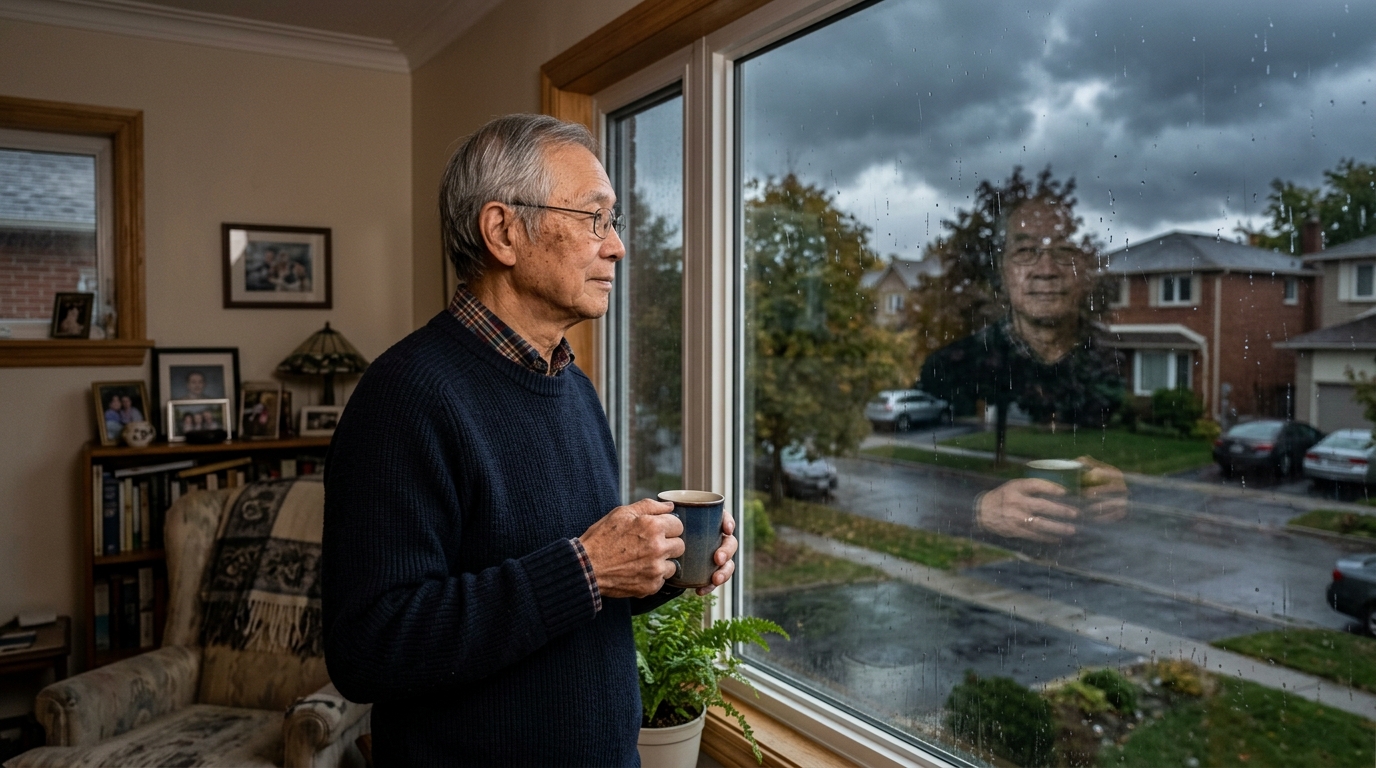
Home hardening is structural and systems adaptation that increases building resilience to weather extremes. Components include flood barriers, storm-resistant roofing, backup power, sump pump systems, fire-resistant landscaping, and heat/cold resilience upgrades.
Ontario's climate risk profile has shifted dramatically:
| Extreme Weather Threat | Ontario Frequency (Historical) | Current Frequency (2020–2026) | Aging Parent Risk |
|---|---|---|---|
| Major flooding events | 1–2/decade | 4–6/year in some regions | Basement flooding, evacuation, property damage |
| Ice storms (power outage) | 1/decade | 2–3/decade | Extended loss of heat, medications, communication |
| Heat domes (40°C+) | Never recorded pre-2018 | 2–3/decade now | Deadly indoor heat without AC; risk of heat stroke |
| Severe windstorms | 2–3/decade | 5–8/decade | Roof/tree damage, power loss, injury |
| Wildfire smoke (air quality) | Rare | Seasonal now (July–Sept) | Respiratory crisis; outdoor mobility impossible |
According to Environment and Climate Change Canada, Ontario temperatures have risen 1.5°C in past 70 years (double the global average). Extreme weather events are 3–5x more frequent than 20 years ago.
For aging parents, these aren't abstract statistics—they're survival risks.
An aging parent without backup power during an ice storm may go hours without heat, medical equipment support, or ability to call for help. An aging parent in a flood-vulnerable basement apartment may lose mobility, belongings, and housing security in minutes. Heat dome conditions without air conditioning can be lethal for seniors taking medications that impair temperature regulation.
A reverse mortgage eliminates the "I can't afford home hardening" excuse.
Home Hardening Components & Costs
1. Flood Protection Systems ($3,000–$12,000)
| Flood Protection | Cost | Effectiveness |
|---|---|---|
| Sump pump + battery backup | $1,500–$3,000 | Essential for basement moisture; battery backup prevents failure during power loss |
| Backwater valve (sewer backup prevention) | $2,000–$4,000 | Prevents sewage backing into home during flooding; often mandatory in new builds |
| Perimeter sealing & waterproofing | $2,000–$5,000 | Seals foundation cracks, window wells, reduces seepage during heavy rain |
| Flood barriers/removable walls | $1,000–$3,000 | Deployable barriers protect doorways, basement windows during flood alerts |
| Rain gardens & permeable paving | $1,500–$4,000 | Redirects stormwater away from home, reduces basement flooding risk |
| Raised utilities/HVAC | $2,000–$6,000 | Elevates furnace, water heater, electrical panel above flood level |
Smart Strategy: Start with sump pump + backwater valve ($3,500–$7,000) as foundation. Add perimeter sealing ($2,000–$3,000) and rain gardens ($1,500–$2,000) for comprehensive protection. Total: $7,000–$12,000.
2. Power Resilience & Backup Systems ($3,000–$20,000)
| Power Resilience | Cost | Backup Duration |
|---|---|---|
| Portable generator | $1,000–$3,000 | 8–12 hours per fuel tank |
| Whole-home backup generator | $8,000–$20,000+ | Automatic; runs indefinitely (ties to natural gas or propane) |
| Battery storage + solar panels | $15,000–$40,000 | 4–12 hours; longer with larger batteries; generates power during outages |
| Smart surge protector + UPS for medical devices | $300–$1,000 | Minutes to hours; keeps CPAP, pacemaker, oxygen running during power loss |
Strategic approach for aging parents:
- Minimum: Portable generator ($1,500) + surge-protected outlets for medical devices ($300) = $1,800 investment
- Recommended: Whole-home generator ($12,000–$18,000) ensuring continuous power, HVAC operation, medication refrigeration
- Premium: Solar + battery ($20,000–$35,000) provides clean energy independence
Most aging parents benefit from whole-home generator ($12,000–$18,000 range) balancing cost with comprehensive protection.
3. Heat Resilience & Cooling Systems ($2,000–$15,000)
Heat waves are increasingly deadly. Ontario heat dome in 2021 killed 600+ people; most were seniors living alone without adequate cooling.
| Cooling/Heat Strategy | Cost | Benefit |
|---|---|---|
| Window air conditioning units | $300–$1,000 | Cools single room; modest cost; doesn't help whole home |
| Central air conditioning | $5,000–$15,000 | Cools entire home; requires ductwork, significant investment |
| High-efficiency mini-split heat pump | $3,500–$8,000 | Cools/heats efficiently; works in homes without ductwork; energy-efficient |
| Passive cooling upgrades | $2,000–$5,000 | Reflective roof coatings, window shading, ceiling fans, ventilation improvements |
| Smart thermostat + setback strategy | $200–$500 | Manages temperature automatically; minimal cost; moderate benefit |
Aging-parent strategy: Combination approach—
- Mini-split heat pump for main living area ($3,500–$5,000)
- Window AC for bedroom ($400–$800)
- Passive cooling upgrades (reflective roof, awnings, ventilation) ($1,500–$3,000)
- Total: $5,400–$8,800 for whole-home heat resilience
4. Storm-Resistant Roofing & Windows ($8,000–$25,000)
Roofs and windows are first-impact points for extreme wind, hail, ice, and debris.
| Upgrade | Cost | Wind Resistance |
|---|---|---|
| Standard asphalt shingles (baseline) | $5,000–$10,000 replacement | 70–90 mph wind rating |
| Impact-resistant (architectural) shingles | $7,000–$14,000 replacement | 110–130 mph wind rating |
| Metal roofing | $12,000–$25,000 installation | 150+ mph wind rating; also sheds ice effectively |
| Storm-resistant windows | $4,000–$10,000 (full home) | Impact-rated; prevent breakage in high wind/hail |
| Reinforced garage door | $1,000–$2,500 | Prevents cave-in during storms |
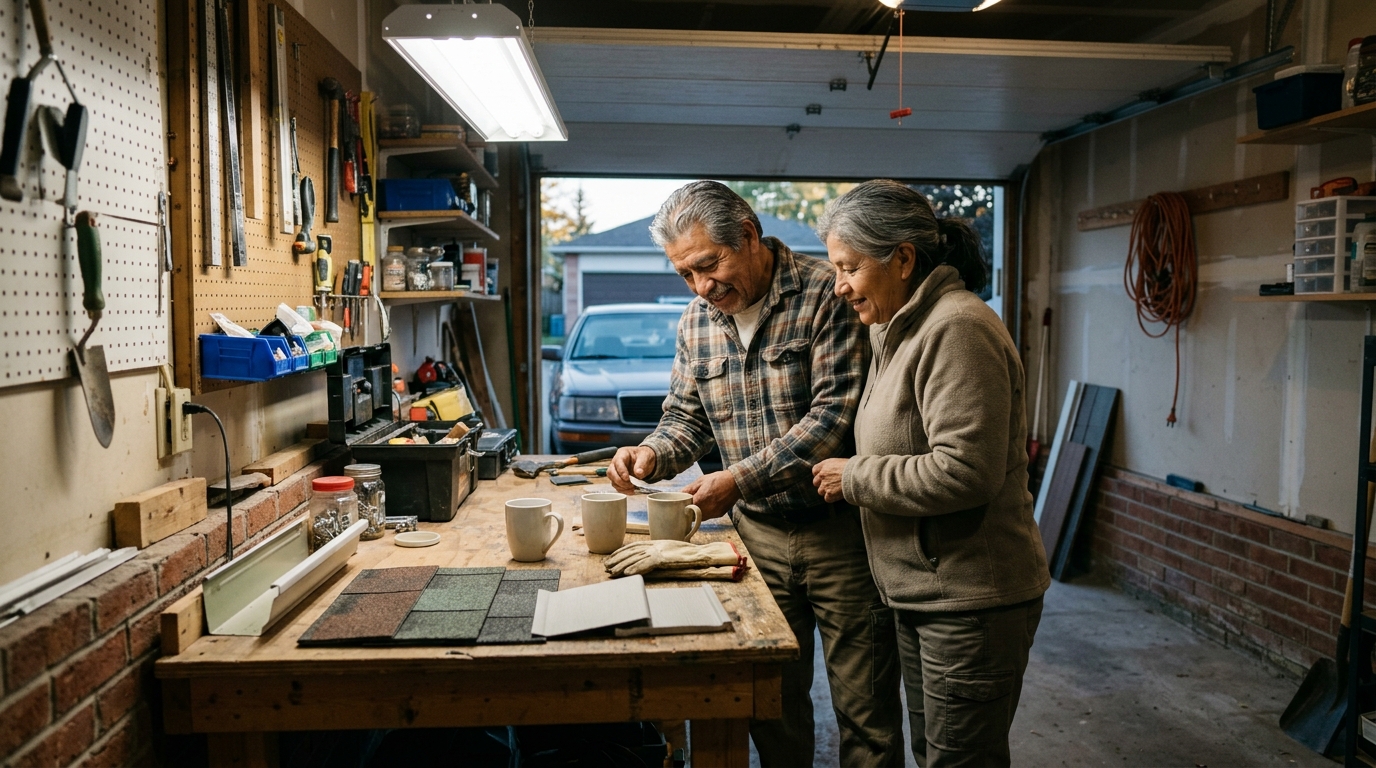
For aging parents: If roof is aging (15+ years), replace with impact-resistant shingles ($7,000–$10,000) or metal roofing ($15,000–$20,000). Pair with storm windows ($4,000–$8,000) for windows most exposed to wind. Total: $11,000–$28,000.
5. Fire Resilience & Wildfire/Smoke Protection ($2,000–$8,000)
Ontario wildfire smoke is seasonal hazard. Aging parents with respiratory conditions face serious risk.
| Fire/Smoke Protection | Cost | Benefit |
|---|---|---|
| Defensible space landscaping (remove dead trees, trim branches) | $1,000–$3,000 | Reduces wildfire risk if property is in wildland-urban interface |
| High-efficiency particulate air (HEPA) filter upgrade to HVAC | $800–$2,000 | Filters wildfire smoke, pollen, poor air quality |
| Portable HEPA air purifiers | $200–$600 each | Cleans air in main living spaces during smoke events |
| Weather stripping + door seals | $300–$800 | Reduces smoke infiltration into home |
| Safe room preparation (HEPA-equipped, sealed room for smoke days) | $1,000–$3,000 | Designated room aging parent can retreat to during severe air quality events |
Aging parent strategy:
- HEPA upgrade to home HVAC ($1,000–$1,500)
- Portable air purifiers for bedroom/living room ($400–$800)
- Weather stripping improvements ($400–$600)
- Total: $1,800–$2,900 for smoke resilience
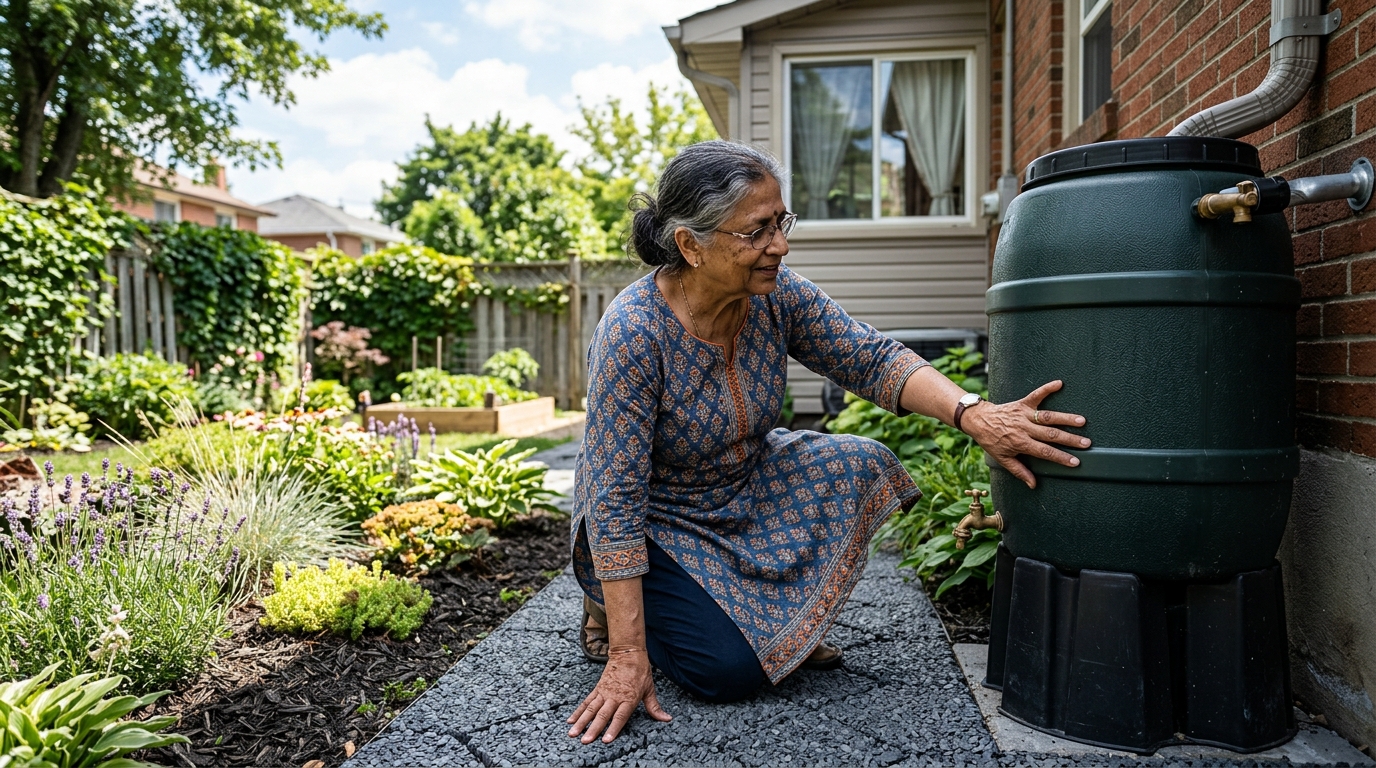
Comprehensive Home Hardening Budget for Ontario Aging Parents
Combining all components into realistic aging-in-place resilience plan:
| Priority | Component | Cost | Essential? |
|---|---|---|---|
| Tier 1: Safety-Critical | Sump pump + backwater valve | $3,500–$7,000 | YES (prevents catastrophic flooding) |
| Tier 1: Safety-Critical | Whole-home or portable generator | $2,000–$18,000 | YES (backup power for medical devices, heat, communication) |
| Tier 2: High-Impact | Mini-split heat pump/AC + window units | $4,000–$8,000 | YES (heat waves can be lethal) |
| Tier 2: High-Impact | HEPA HVAC upgrade + air purifiers | $1,200–$2,500 | YES (wildfire smoke seasonal hazard) |
| Tier 3: Protective | Storm-resistant roofing replacement (if aging) | $7,000–$15,000 | If roof >15 years old |
| Tier 3: Protective | Flood barriers, rain gardens, perimeter sealing | $3,000–$6,000 | If in flood-prone area |
| Tier 4: Defensive | Storm-resistant windows | $4,000–$8,000 | If windows are old/single-pane |
| **Minimum Complete System | Tiers 1–2 only | $10,700–$35,500 | *** |
| **Comprehensive System | Tiers 1–4 | $17,700–$54,000 | *** |
Strategic approach: Most aging parents should budget $15,000–$30,000 for comprehensive climate resilience. A reverse mortgage covers this entirely, with modest impact on available home equity ($250,000–$550,000 for typical Ontario homeowner).
Reverse Mortgage Funding for Phased Home Hardening
You needn't hardening your aging parent's entire home at once. Stage improvements over 1–3 years:
Year 1: Life Safety ($6,000–$12,000)
- Sump pump + battery backup ($1,500–$3,000)
- Backwater valve ($2,000–$4,000)
- Portable generator + surge protection for medical devices ($1,500–$2,500)
- HEPA air purifier ($200–$400)
- Reverse mortgage draw: $6,000–$12,000
Year 2: Comfort Resilience ($4,000–$10,000)
- Mini-split heat pump/AC installation ($3,500–$7,000)
- HEPA HVAC upgrade ($800–$2,000)
- Weather stripping improvements ($300–$500)
- Reverse mortgage draw: $4,500–$9,500
Year 3: Property Protection ($5,000–$18,000)
- Roof replacement (if aging) ($7,000–$15,000) OR skip if roof is recent
- Storm-resistant windows ($3,000–$6,000)
- Rain gardens + perimeter sealing ($2,000–$4,000)
- Reverse mortgage draw: $5,000–$15,000 (flexible based on roof condition)
Total 3-year climate resilience investment: $15,500–$47,500 from reverse mortgage.
Government Support for Home Climate Adaptation
Ontario and federal programs partially fund climate resilience:
| Program | Funding | Eligibility | Application |
|---|---|---|---|
| Greener Homes Rebate (federal) | Up to $5,000 cash back | Homeowners improving energy efficiency | Apply during/after retrofit |
| Ontario Home Accessibility Tax Credit | Up to $20,000 eligible expenses | Home modifications, but limited scope | Includes some energy/climate improvements |
| Clean Energy Canada grants | Varies | Homeowners switching to heat pumps | Regional availability varies |
| Municipal flood mitigation rebates | $1,000–$5,000 | Sump pumps, backwater valves, flood barriers | Available in flood-prone municipalities |
| Utility company rebates | $300–$2,000 | AC, insulation, energy-efficient upgrades | Contact local hydro provider |
Your aging parent should pursue these rebates (they reduce net reverse mortgage cost), but reverse mortgage ensures they're never financially unable to harden the home.
Tax Implications & Government Benefits
According to CRA, climate resilience home improvements may qualify for capital cost allowance (depreciation deduction) if property is rental or business use. However, if property is principal residence:
- Energy-efficient upgrades (heat pumps, HEPA systems) may qualify for tax credits
- Flood/weather protection (sump pumps, backwater valves) generally don't qualify for tax deductions but aren't taxable
Reverse mortgage proceeds themselves are never taxable—they're borrowed funds, not income.
Reverse mortgage funding for climate resilience won't trigger OAS/GIS clawbacks because it's not reported as income.
The Ethics of Climate-Resilient Aging in Place
Climate-resilient homes allow aging parents to age in place safely despite increasingly severe weather. This is both personal benefit (aging parent stays home) and broader climate adaptation (less reliance on emergency services, community displacement).
Supporting your aging parent's home hardening is climate action: reducing vulnerability, building community resilience, and modeling intergenerational care that accepts climate reality while refusing defeat.
Key Takeaways
- Ontario extreme weather is 3–5x more frequent than 20 years ago, creating urgent need for home hardening to ensure aging parent safety
- Comprehensive home hardening costs $15,000–$30,000 including flood protection, backup power, heat/cooling resilience, and fire safety
- Reverse mortgage line of credit funds phased hardening over 1–3 years, allowing staged investment aligned with actual climate threats and budget
- Government rebates (federal Greener Homes, municipal flood programs) should be pursued first; reverse mortgage bridges remaining gaps
- Whole-home generator ($12,000–$18,000) is single highest-value investment for aging parents, ensuring medical device function, heating/cooling, communication during extended outages
- Heat resilience (AC/heat pump) is increasingly non-negotiable for aging parents—heat waves are deadly for seniors; modern cooling is essential equipment
Frequently Asked Questions
If my aging parent's home is already flood-prone, does flood insurance cover the cost of hardening?
No—flood insurance covers replacement/repair AFTER flooding occurs, not prevention. Home hardening (sump pumps, backwater valves, flood barriers) must be funded separately. Flood insurance is also expensive ($1,000–$3,000/year) and has high deductibles. Prevention (hardening) is more cost-effective than reactive insurance.
Should my aging parent move if their home is in a climate-vulnerable area?
Not necessarily. Hardening a vulnerable home is often cheaper than selling and relocating. Relocation is emotional/social upheaval for aging parents; in-place hardening preserves home stability. A reverse mortgage makes hardening affordable without forcing relocation.
What's the lifespan of climate resilience upgrades—will they need replacement?
Most upgrades last 15–25 years:
- Sump pump + battery: 10–15 years (batteries replaced 5 years)
- Backup generator: 15–25 years with maintenance
- Heat pump: 15–20 years
- Roof: 20–30 years (depending on material)
- Windows: 20–30 years
These are normal home maintenance cycles. Plan for replacement costs, but they're predictable long-term.
Can my aging parent install solar panels as part of climate resilience?
Yes. Solar panels ($15,000–$30,000) combined with battery storage ($8,000–$15,000) provide energy independence and emergency power. However, cost is high upfront. Unless aging parent has long-term ownership horizon (10+ years), ROI may not be strong. Portable generator or whole-home generator may be better near-term investment.
If my aging parent moves to long-term care later, what happens to hardened home?
Hardened home retains improved value—flood-resistant, storm-resistant, energy-efficient features attract buyers and renters. If adult children inherit, they benefit from these upgrades immediately. Home becomes more valuable, not less.
Is home hardening deductible if aging parent donates proceeds of reverse mortgage to charity?
Reverse mortgage proceeds are never deductible—they're borrowed funds, not charitable donations. However, if aging parent uses reverse mortgage to fund home hardening, then later sells home at premium price (due to valuable resilience improvements), they could donate profit to charity. This indirect path may yield tax benefit but is complex—consult accountant.
Ready to Learn More?
Find out exactly how much you could unlock from your home — free and no obligation.
Related Articles
Reverse Mortgage for Publishing Your Aging Parent's Memoir Professionally: Preserving Life Stories
Fund professional memoir publishing for aging parents. Reverse mortgage covers editing, design, printing, and distribution to preserve family legacy.
Read →Reverse Mortgage for Home Conversion to Intergenerational Community Hub in Ontario
Transform aging parent's home into thriving intergenerational community hub. Reverse mortgage funds renovations, programming, and operational support for neighborhood gathering space.
Read →Reverse Mortgage for Professional Clinical Supervision: Supporting Adult Child's Therapy Career Development
Fund adult child's ongoing professional supervision and continuing education. Reverse mortgage covers clinical oversight, credentials, and practice development for therapists.
Read →