
Reverse Mortgage for Supporting Adult Child's Unmarried Partner Through Long-Term Illness
When your adult child's partner faces serious illness, reverse mortgage funding bridges income loss and care costs during family crisis.
What happens to your retirement when your adult child becomes a full-time caregiver for their unmarried partner? Many Ontario families face this devastating scenario with little financial preparation. A reverse mortgage can bridge the income gap when your child leaves work to provide essential care.
When adult children in unmarried partnerships face this crisis, the financial strain is real and often sudden. Unlike married couples with spousal pension options or legal automatic succession, unmarried partners (whether same-sex or different-sex) often lack legal protections. If your adult child walks away from their job to care for their partner during a terminal diagnosis, serious chronic illness, or recovery from major surgery, your retirement income may be the only financial safety net available.
Understanding the Financial Impact of Caregiving
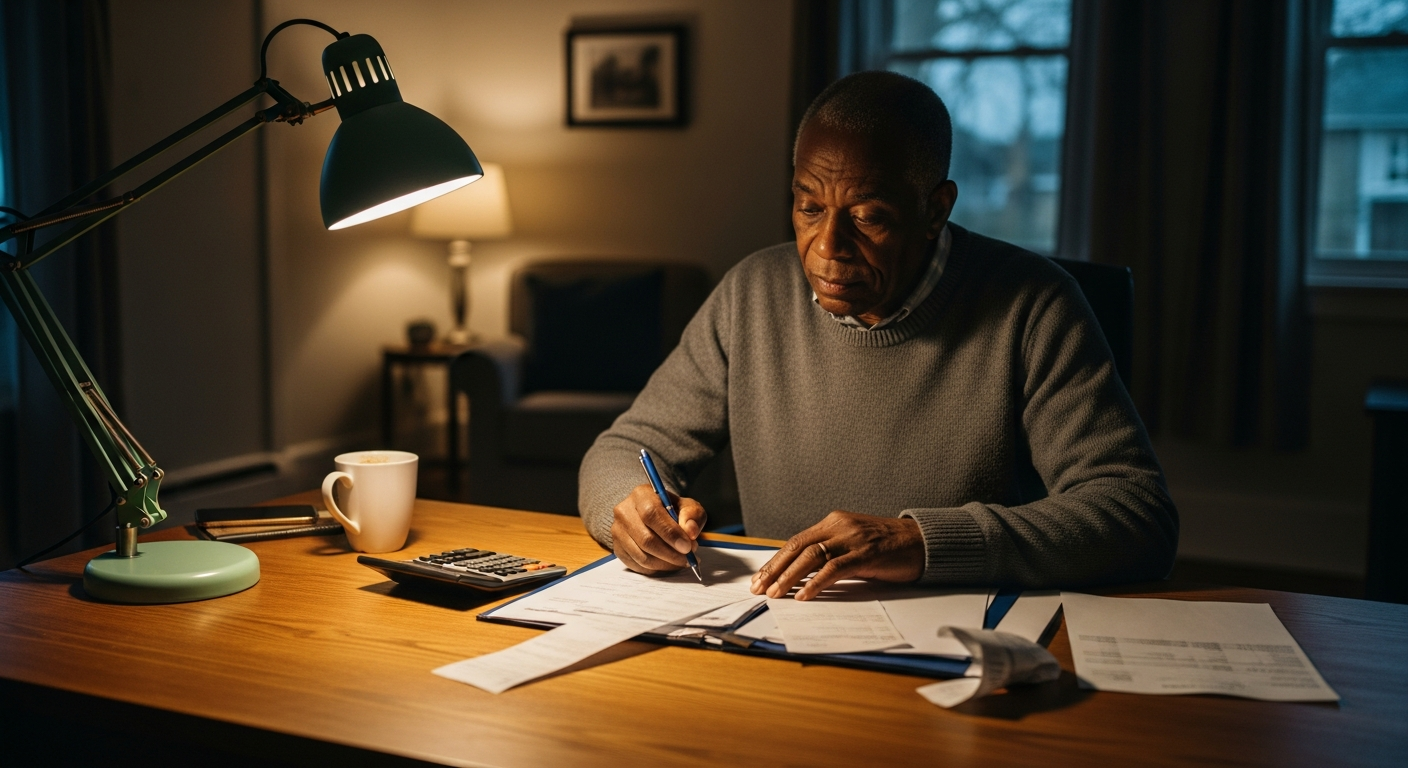
Most adult children providing full-time care lose 40–70% of their household income within the first 12 months. This isn't just about lost wages—it's about lost benefits, pension contributions, career advancement, and job security. According to the Canadian Caregiver Coalition, unpaid caregivers contribute $34.3 billion annually to Canada's economy, yet receive no income replacement.
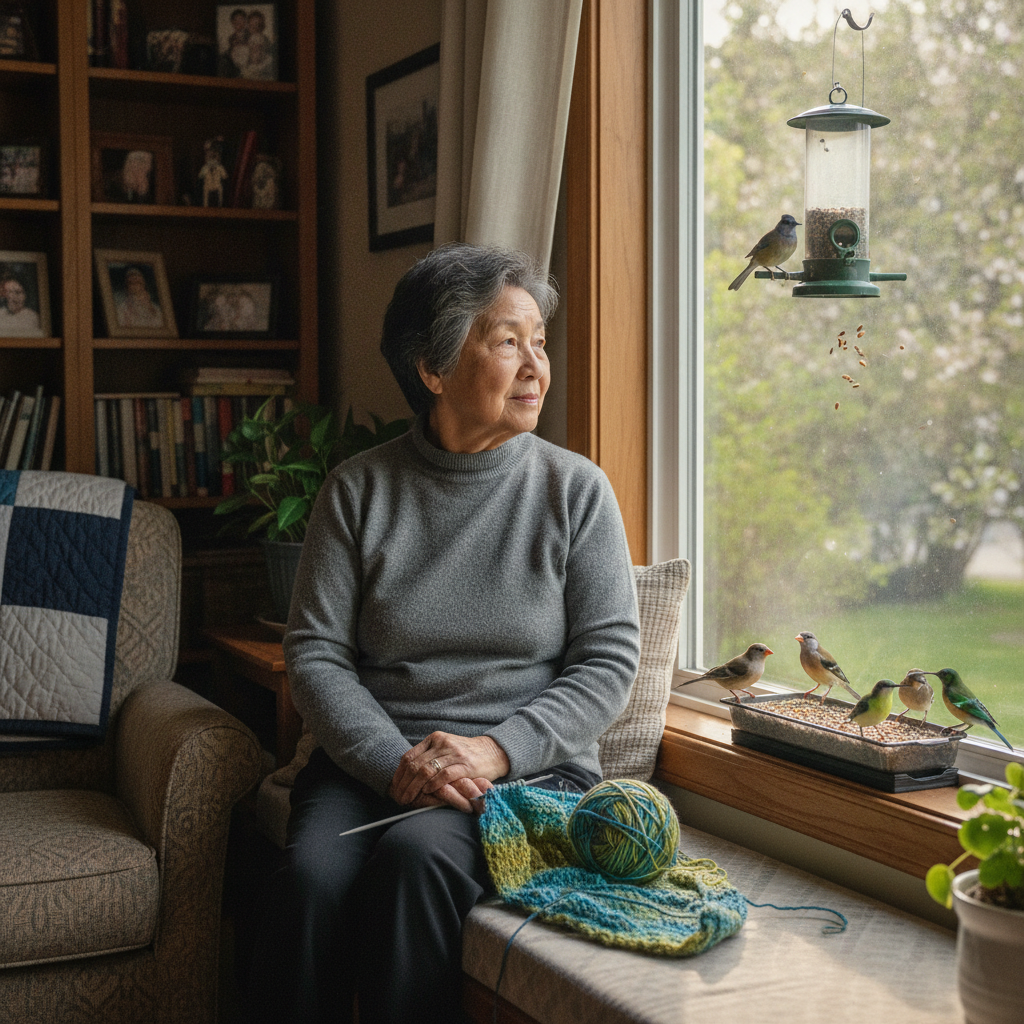
When your adult child's unmarried partner becomes seriously ill, several financial pressures converge:
- Lost household income (your child's salary disappears)
- Increased care costs (medical equipment, medications, specialized services)
- Employment consequences (no job to return to after caregiving)
- Healthcare gaps (not all partner care is covered by provincial health plans)
- Legal uncertainties (unmarried partners have limited succession rights)
When a Reverse Mortgage Makes Sense
A reverse mortgage becomes a strategic tool when:
- Your adult child's partner requires 24/7 supervision or hands-on care
- Your child must leave employment to provide this care
- Provincial support programs (ODSP, CPP-D) require lengthy processing
- Your home has substantial equity (typically $200,000+)
- You're 55+ and want to remain in your home while supporting family
| Situation | Monthly Income Loss | Typical Care Duration | Reverse Mortgage Role |
|---|---|---|---|
| Serious illness (18-month recovery) | $4,500 | 18 months | Bridge to recovery |
| Chronic progressive disease | $4,500 | 3–5 years | Long-term support |
| Terminal diagnosis | $4,500 | 6–18 months | Transition planning |
| Post-surgical recovery | $3,500 | 3–6 months | Short-term stabilization |
How Reverse Mortgage Funds Support Your Adult Child
A reverse mortgage provides several distribution options:
Lump Sum Access: Receive $150,000–$400,000 immediately (depending on home value and age). Use this to create a dedicated fund for your child's living expenses during caregiving.
Monthly Draws: Set up regular $2,000–$4,000 monthly payments to supplement your child's reduced household income. This covers their mortgage, utilities, groceries, and basic living costs.
Line of Credit: Access funds as needed, paying interest only on amounts borrowed. This flexibility is crucial when care expenses fluctuate (increased medications, equipment needs, respite care costs).
Real Costs Associated with Partner Caregiving
According to FSRAO (Financial Services Regulatory Authority of Ontario), families typically underestimate caregiving costs by 35–50%. Here's what your child might actually face:
| Cost Category | Monthly Average | Annual Total | Notes |
|---|---|---|---|
| Lost household income | $4,500 | $54,000 | Primary earner impact |
| Medical equipment rental | $400–800 | $4,800–9,600 | Wheelchair, hospital bed, lift equipment |
| Medications (uninsured portions) | $300–600 | $3,600–7,200 | Partner's prescriptions not fully covered |
| Home care supplements | $800–2,000 | $9,600–24,000 | Beyond PSW coverage |
| Respite care/relief support | $400–1,000 | $4,800–12,000 | Caregiver burnout prevention |
| Travel for medical appointments | $200–400 | $2,400–4,800 | Specialist visits, treatments |
| TOTAL MONTHLY IMPACT | $6,600–$5,400 | $79,200–$129,600 annually | Varies by care intensity |
Addressing Legal and Succession Concerns
One critical advantage of using a reverse mortgage now: You retain full control of your home and can update your will as circumstances change. Unlike putting your adult child on title (which creates legal complications), a reverse mortgage lets you help them financially while keeping estate planning straightforward.
Rick Sekhon, a specialist in reverse mortgage planning for multi-generational family support, notes: "Families often worry about inheritance when they access a reverse mortgage for adult children. The reality is that you control the timing and amount of borrowing. If your adult child's partner recovers, you can repay the mortgage from other sources or your child's future income. The key is having access to funds when the crisis is most acute."
Coordinating with Government Support Programs
Your adult child may eventually qualify for:
- CPP Disability (CPP-D): Up to $16,000+ annually for the ill partner (18-month waiting period typical)
- ODSP (Ontario Disability Support Program): $1,256/month for the partner (asset limits apply: $65,000 for couple)
- CPP Survivor Benefits: After the partner passes, your child may receive survivor benefits
- EI Caregiver Benefits: $2,000/week for up to 26 weeks (if eligible through employment insurance)
A reverse mortgage bridges the gap during the months before government benefits begin, which typically takes 6–18 months to process.
| Government Support | Monthly Benefit | Waiting Period | Asset Limit |
|---|---|---|---|
| ODSP (couples) | $1,256–1,800 | 3–6 months processing | $65,000 combined |
| CPP-D partner | $1,335–1,400 | 12–18 months | None |
| CPP Survivor (your child) | $1,100–1,400 | After partner dies | None |
| EI Caregiver | $500/week | Immediate if eligible | None |
Protecting Your Retirement While Supporting Family
Key principle: A reverse mortgage should enhance your retirement security, not compromise it.
Before accessing a reverse mortgage for adult child support:
- Ensure your own financial needs are covered first. Your CPP, OAS, GIS, and pension income should sustain you comfortably.
- Model the long-term impact. Work with a financial advisor to understand how borrowing $200,000 at 5.99% affects your estate.
- Have an exit strategy. Know when your child's partner's disability benefits begin, or when employment resumes.
- Consider alternative sources first. Are there other assets, RRSPs, or family resources that could be accessed?
When the Caregiving Ends
What happens to your reverse mortgage if your child's partner recovers, enters long-term care, or passes away?
Recovery Scenario: Your adult child returns to work, their household income stabilizes, and you can repay the reverse mortgage using their increased income or other sources. Equitable Bank and CHIP both allow early repayment without penalties.
Long-Term Care Placement: If the partner enters a provincial long-term care home, your child's caregiving burden drops significantly, freeing them to return to work. The reverse mortgage becomes temporary bridge financing.
Partner's Death: Your adult child loses a life partner, but employment usually resumes within 6–12 months as they rebuild. Your reverse mortgage obligation continues, but so does your retirement income to service it.

Choosing the Right Reverse Mortgage Lender
When supporting an unmarried partner situation, flexibility and compassionate service matter. Compare these options:
| Lender | Line of Credit Available | Monthly Draw Option | Early Repayment Penalty |
|---|---|---|---|
| CHIP | Yes, variable rate | Yes | None |
| Equitable Bank | Yes, variable rate | Yes | None |
| Bloom Financial | Fixed rate only | Limited flexibility | None |
| Home Trust | Yes, variable rate | Yes | None |
Most Ontario lenders (CHIP, HomeEquity Bank, Equitable Bank, Bloom Financial, Home Trust) offer no penalties for early repayment, meaning if your situation improves, you can pay back borrowed funds without extra cost.
Key Takeaways
- Adult children caring for unmarried partners face 18–36 months of severe income loss and increased expenses
- Reverse mortgages bridge the income gap when caregiving forces employment departure
- A $250,000 reverse mortgage at 5.99% costs approximately $15,000 annually in interest
- Government disability benefits (ODSP, CPP-D) take 6–18 months to process; reverse mortgages provide immediate liquidity
- Unlike co-ownership or loans from parents, reverse mortgages don't complicate estate planning or inheritance expectations
- Most Ontario lenders allow flexible monthly draws and early repayment without penalties
Frequently Asked Questions
Will a reverse mortgage affect my adult child's eligibility for ODSP or other disability support?
Yes, it can. ODSP has strict asset limits ($65,000 for a couple). If your child receives ODSP, money you gift them from a reverse mortgage may count against their asset limit and reduce benefits. However, funds used for your own living expenses or care don't count. Consult an ODSP caseworker before borrowing.
Can my adult child sign as a co-borrower on my reverse mortgage?
Generally, no. Most reverse mortgage lenders require that you (the homeowner, 55+) be the sole borrower. Your adult child cannot sign or guarantee the mortgage, but you can give them access to funds through your monthly draws or line of credit. This protects your child from liability if your estate cannot fully repay.
What happens to my reverse mortgage if my adult child's partner dies while I'm still borrowing?
Your reverse mortgage obligation continues unchanged. The mortgage is secured against your home, not contingent on your child's partner's survival. After the partner's death, your child typically returns to work within 6–12 months. You can use their restored income to help repay the reverse mortgage.
Can I pay off my reverse mortgage early if my child's financial situation improves?
Yes, absolutely. CHIP, Equitable Bank, Bloom Financial, and Home Trust all allow penalty-free early repayment. If your adult child's partner recovers and returns to work, or if they receive a lump-sum disability award, you can direct those funds toward repaying the reverse mortgage without extra costs.
How does a reverse mortgage affect my will and estate planning?
It simplifies things. Unlike putting your child on title or creating complex loan agreements, a reverse mortgage is a standard secured debt against your home. When you pass away, your estate sells the home (or your heirs pay off the balance). This is straightforward and doesn't create sibling conflict.
Should I tell my adult child about my reverse mortgage?
Yes. Have a clear conversation about why you're accessing equity (to help during their partner's illness), how much you're borrowing, and what you expect will happen when caregiving ends. Frame it as temporary crisis support, not a long-term gift.
Ready to explore reverse mortgage options for family support? Contact Rick Sekhon Reverse Mortgages for a confidential consultation about supporting your adult child through their partner's illness.
Ready to Learn More?
Find out exactly how much you could unlock from your home — free and no obligation.
Related Articles
Reverse Mortgage for Accessible Community Kitchen: Culinary Training and Aging in Place
Convert your home kitchen into an accessible commercial culinary training space. Reverse mortgage funds renovation while creating community impact.
Read →Reverse Mortgage to Launch Home-Based Tax Prep and Retirement Planning Business
Fund your home-based tax and retirement planning practice with a reverse mortgage. Serve aging Canadians while accessing home equity in Ontario.
Read →Reverse Mortgage for Retirement Community Entrance Fees: Active Adult Transitions
Fund retirement community move without forced downsizing. Ontario guide for 55+ aging in place now, transitioning later to active adult communities.
Read →