
Reverse Mortgage When Adult Child Needs Extended Burn Injury Recovery: Home Modifications and Care Funding
Fund home accessibility and specialized care for adult child recovering from severe burns using a reverse mortgage in Ontario.
Your adult child suffered a serious burn injury and spent weeks in a specialized burn center. Now discharged, they face 12–24 months of intensive outpatient wound care, physical therapy, and psychological recovery. Your home wasn't designed for someone with bandaged, mobility-limited limbs. Reaching the bathroom is painful; climbing stairs risks infection. Beyond physical accessibility, your child needs funding for scar management treatments, compression garments, and psychological counseling. A reverse mortgage funds both the home modifications and the specialized care your child desperately needs.
Understanding Severe Burn Injuries and Recovery Timeline
Serious burns (classified by percentage of body surface area affected and depth) require extended, expensive recovery:
Burn Classifications:
- Minor burns (1–5% TBSA): Usually heal at home with wound care
- Moderate burns (5–15% TBSA): Hospital stay; 6–12 month recovery; significant scarring
- Severe burns (15%+ TBSA): Weeks in specialized burn center; 12–36 month recovery; permanent scarring and functional limitations
Recovery Phases:
| Phase | Duration | Focus | Home Needs |
|---|---|---|---|
| Acute/Hospitalization | 2–12 weeks | Infection prevention, pain management, initial skin grafting | N/A |
| Early Healing (home) | 3–6 months | Wound care, prevention of infection, pain management, compression garments | Accessible bathroom, first-floor living, caregiver space |
| Active Scar Management | 6–18 months | Scar tissue therapy, physical therapy, psychological support | Safe environment for therapy, specialized equipment storage |
| Functional Rehabilitation | 18–36 months | Regaining mobility, hand/joint function, returning to work/school | Adaptive equipment, workplace modifications, ongoing therapy |
Out-of-Pocket Costs During Recovery:
| Category | Cost | Frequency |
|---|---|---|
| Wound care supplies (gauze, antibiotic, bandages) | $100–$300 | Weekly |
| Compression garments (specialized clothing to prevent scarring) | $2,000–$5,000 | Every 6–12 months (custom-made) |
| Scar management therapies (massage, laser, silicone treatments) | $3,000–$10,000 | 6–12 month course |
| Psychological counseling/PTSD therapy | $150–$250/session | Weekly to monthly |
| Home modifications (handrails, accessible bathroom, first-floor bedroom) | $8,000–$25,000 | One-time |
| Lost income during recovery | $30,000–$80,000 | 6–24 months |
| Nutritional support/supplements | $100–$200/month | Throughout recovery |
Total 18-month burn recovery cost: $55,000–$140,000+
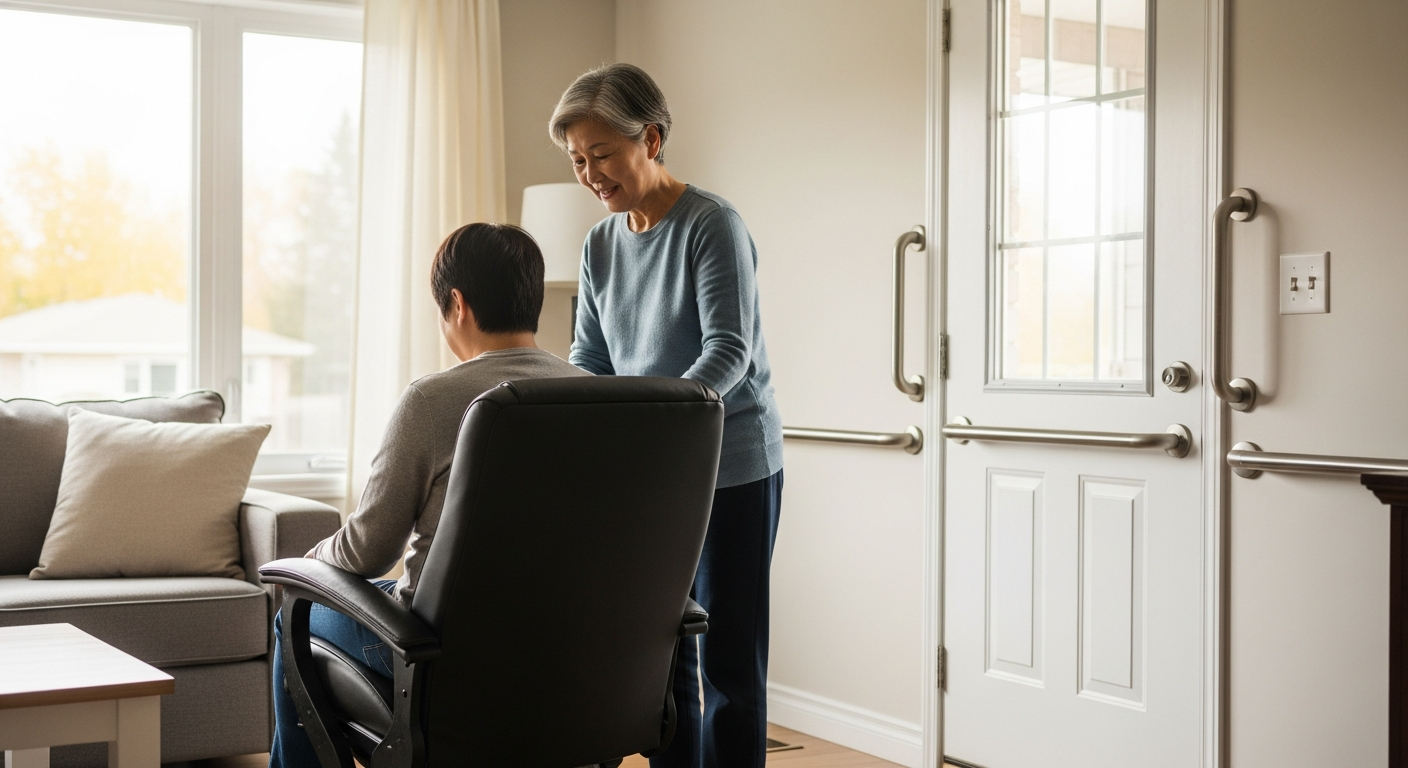
Why Home Environment Matters in Burn Recovery
Burn injuries create unique home accessibility challenges:
Physical Limitations:
- Burned limbs (arms, hands, legs) have reduced strength and range of motion
- Skin grafts are fragile; friction from stairs/rough surfaces causes damage
- Pain with movement means every stair, every bathroom visit is agonizing without modifications
Wound Care Needs:
- Frequent dressing changes and wound assessments
- Need for accessible space to lie down, rest, and allow air circulation
- Bathing is complex (waterproof dressing changes, non-slip surfaces)
Psychological Trauma:
- Many burn survivors experience PTSD, anxiety, depression
- Isolation and shame can impede healing
- Home environment should feel safe, not triggering (no reminders of accident)
Optimal Home Setup:
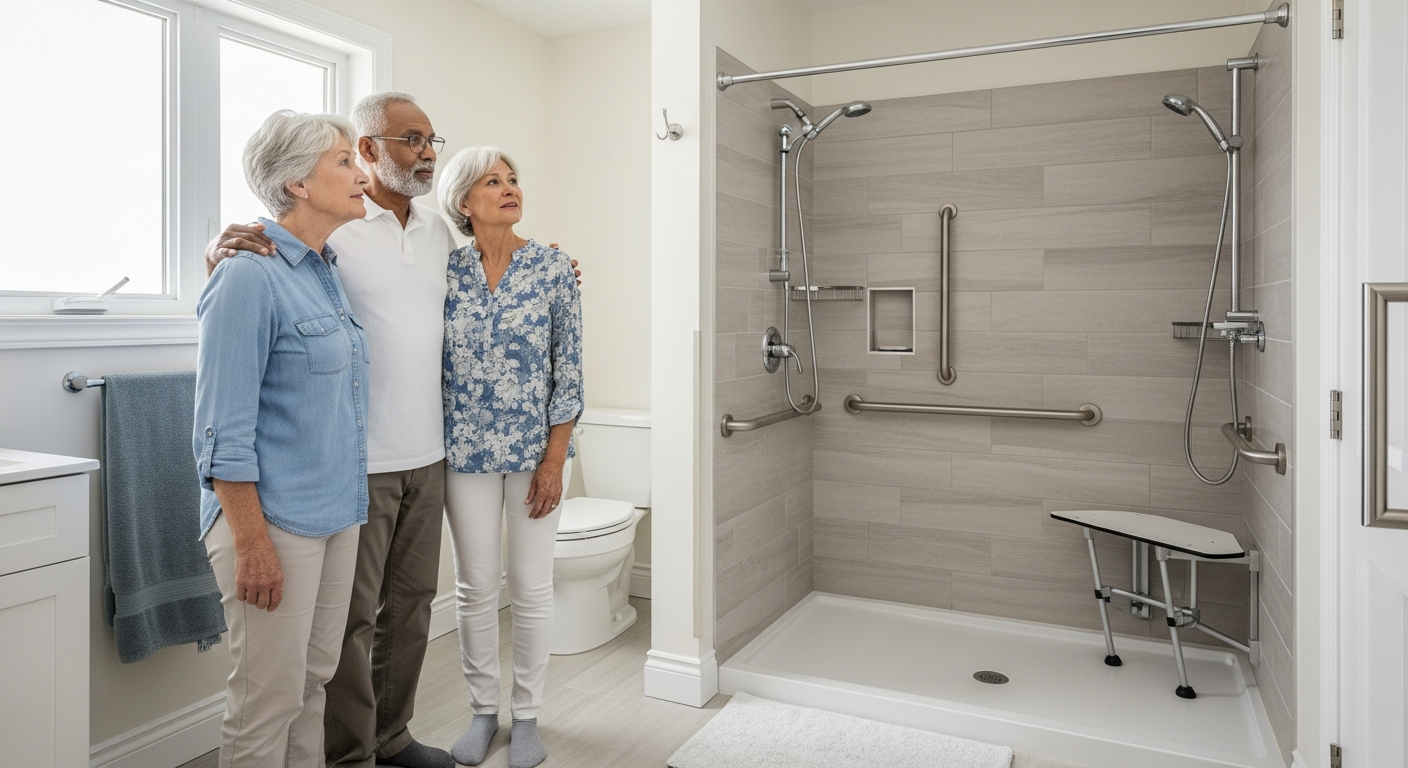
- Ground-floor bedroom near accessible bathroom
- No stairs in daily circulation (prevents falls, re-injury)
- Non-slip flooring (reduces friction on healing skin)
- Accessible kitchen (child may be unable to stand long)
- Comfortable recovery spaces (private, quiet, safe)
Reverse Mortgage Strategy for Burn Recovery Support
A line-of-credit reverse mortgage accommodates burn recovery's unpredictable timeline and evolving needs:
Months 0–6: Acute Recovery Phase
- Draw $15,000–$25,000 for:
- Home modifications (ground-floor bedroom, accessible bathroom, safety upgrades)
- Wound care supplies and medical equipment
- Lost income bridge (if child cannot work)
Months 6–12: Active Scar Management
- Draw $10,000–$20,000 for:
- Scar management therapies (laser, silicone, massage)
- Compression garments ($2,000–$5,000 per set)
- Psychological counseling/trauma support ($3,000–$8,000)
- Ongoing wound care
Months 12–24: Functional Rehabilitation
- Draw $8,000–$15,000 for:
- Physical therapy and adaptive equipment
- Ongoing psychological support
- Workplace or school accessibility modifications
- Final scar treatments
Year 2+: Reserve
- Maintain $10,000–$15,000 available for unexpected complications (infection, scarring issues, revision surgeries)
Total reserve: $50,000–$75,000 over 24 months
Lenders like Bloom Financial and Equitable Bank understand that burn recovery extends beyond immediate hospitalization; they support extended recovery timelines.
Coordinating Provincial Insurance and Disability Benefits
Before borrowing, clarify coverage:
OHIP Coverage:
- Hospital stay, surgery, physician care: 100% covered
- Outpatient wound care: Covered (nursing visits)
- Prescription medications: Covered
- Compression garments, specialized equipment: Often NOT covered
What You Typically Pay:
- Compression garments ($2,000–$5,000 per custom set)
- Specialized scar therapies (laser, silicone treatments: $3,000–$10,000)
- Psychological counseling beyond OHIP limit ($150–$250/session)
- Home modifications (not health-funded)
- Lost income (no government replacement unless eligible for CPP-D)
Disability Tax Credit (DTC):
- If burn injury causes lasting functional impairment (reduced mobility, dexterity, ability to perceive temperature/pain), your child may qualify for DTC
- Medical certification required (physician assessment)
- Enables RDSP contributions and accessibility tax deductions
Worker's Compensation (if workplace injury):
- Covers medical costs and lost wages (partial replacement)
- May fund home modifications if injury prevents work
- Check eligibility; filing deadlines apply
According to FSRAO, families often miss provincial resources for burn injury recovery. Exhaust these before reverse mortgage.
Real Ontario Case: The Workplace Burn Injury
James, 65, London, Ontario
- Home value: $520,000
- Adult son: Age 28, suffered severe burn injury at work (chemical spill, 20% TBSA)
- Worker's compensation covers some costs; significant gaps remain
The Challenge: Son discharged after 8 weeks in burn center. Home modifications needed: ground-floor bedroom, accessible bathroom = $18,000. Scar management (laser, compression garments): $12,000 over 12 months. Lost income during recovery: $25,000. Total: $55,000. James's CPP and savings are insufficient.
The Reverse Mortgage Solution: James obtains a $70,000 line-of-credit reverse mortgage with Bloom Financial:
- Draws $18,000 immediately for home modifications
- Draws $15,000 for compression garments and wound care supplies
- Draws $20,000 for lost income bridge during recovery
- Keeps $17,000 reserved for scar therapies, psychological support, unexpected complications
Outcome: Son recovers safely at home with accessible, healing-optimized environment. Psychological trauma addressed with counseling. By month 18, son returns to modified work duties. Home modifications remain beneficial for his long-term recovery; James's reverse mortgage interest (~$3,500/year) is manageable on his CPP.
Lender Comparison for Burn Injury Recovery Funding
| Lender | Medical Timeline Flexibility | Recovery Support | Ontario Coverage |
|---|---|---|---|
| Bloom Financial | Excellent | Very Strong | Excellent |
| Equitable Bank | Excellent | Strong | Excellent |
| CHIP | Good | Moderate | Good |
| Home Trust | Moderate | Limited | Good |
Bloom Financial explicitly serves trauma recovery cases; recommend them for burn injury funding.
Key Takeaways
- Severe burn injury recovery costs $55,000–$140,000+ over 18–24 months (out-of-pocket, beyond provincial coverage).
- Home modifications (ground-floor bedroom, accessible bathroom) enable safe, pain-free recovery.
- Compression garments and scar management therapies are critical to preventing permanent deformity; most are not publicly funded.
- A reverse mortgage line of credit funds evolving recovery needs (acute care → scar management → functional rehabilitation).
- Maximize worker's compensation, OHIP coverage, and disability benefits before reverse mortgage.
- Bloom Financial and Equitable Bank offer strongest flexibility for extended trauma recovery timelines.
Frequently Asked Questions
How long does burn wound healing typically take?
Burn depth determines healing time. Superficial burns (1st-degree) heal in 1–2 weeks. Partial-thickness burns (2nd-degree) heal in 2–3 weeks. Full-thickness burns (3rd-degree) require skin grafting and take 3–6 months to stabilize. Scar maturation (continued remodeling and fading) continues for 12–24 months or longer.
Are compression garments covered by OHIP?
Usually no. OHIP covers some wound care and medical supplies, but custom compression garments ($2,000–$5,000 per set) are rarely covered. If prescribed as medically necessary, your child's physician can petition OHIP; approval is uncommon. Most families pay out-of-pocket. Disability Tax Credit may provide some recovery of costs.
Can my adult child work during burn recovery?
Depends on injury severity and job type. Office/desk work may be possible if hands/arms aren't severely burned. Physical labor or jobs requiring standing/movement are not feasible during acute recovery (first 3–6 months). Many burn survivors achieve modified work by month 6–12. Work is therapeutic once safe; discuss with their burn specialist.
Will my child's burn injury affect their future employability or insurability?
Possibly. Severe visible scarring may affect jobs requiring public-facing appearance (some industries are less accepting, though laws prohibit discrimination). Life and disability insurance applicants must disclose burn history; premiums may be higher. However, most burn survivors achieve full or near-full functional recovery and resume normal work.
Are scar management treatments covered by insurance?
Rarely. Laser therapy, silicone treatments, and specialized scar massage are often classified as "cosmetic" by insurance (even though they're medically necessary for burn recovery). Private health insurance may cover a portion; most families pay out-of-pocket ($3,000–$10,000 per treatment course). Discuss coverage limits with your insurance provider.
Should my child see a psychological counselor after burn injury?
Strongly recommended. Burn injury is psychological trauma in addition to physical injury. PTSD, depression, anxiety, and body image issues are common. Trauma-informed therapy accelerates recovery and prevents long-term mental health complications. OHIP covers a limited number of therapy sessions; private counseling ($150–$250/session) often necessary for adequate support. A reverse mortgage can fund this critical care.
Ready to Learn More?
Find out exactly how much you could unlock from your home — free and no obligation.
Related Articles
Reverse Mortgage to Stabilize Family Income: When Your Adult Child Works Precarious Gig
Support adult child in gig economy with reverse mortgage financial backstop. Stabilize family income when employment is unpredictable.
Read →Reverse Mortgage When Your Adult Child's Partner Becomes Permanently Disabled
Support your adult child and disabled spouse with reverse mortgage equity. Extended family disability planning for Ontario parents.
Read →Reverse Mortgage to Fund Your Adult Child's Nonprofit Startup: Mission-Driven Ventures
Fund your adult child's nonprofit launch with reverse mortgage equity. Strategic mission-driven venture support for Ontario parents.
Read →