
Reverse Mortgage for Home Modifications After Adult Child's Psychiatric Hospitalization
Fund safe-return-home planning after mental health crisis. Ontario guide for parents supporting adult children transitioning from psychiatric care to home.
Your adult child is being discharged from psychiatric inpatient care—but your home isn't safe or structured enough for their recovery. When adult children experience mental health crises severe enough to require hospitalization, the transition back to home often reveals gaps: rooms lack privacy for therapy sessions, isolation triggers depression, fall risks increase due to medication side effects, and caregiving exhaustion strains everyone.
A reverse mortgage can fund modifications that transform your home into a therapeutic recovery space—not just medically, but psychologically.
The Hidden Costs of Psychiatric Discharge Planning
When adult children exit psychiatric hospitals in Ontario, discharge planning rarely addresses home modifications. Hospital social workers focus on medication compliance and follow-up appointments, not whether your home supports recovery.
The gap is real: According to the Canadian Mental Health Association, approximately 35% of psychiatric patients experience readmission within 6 months—often due to home environment triggers and inadequate support infrastructure rather than medication failure.
What actually needs funding:
| Modification Need | Why It Matters for Mental Health Recovery | Typical Cost |
|---|---|---|
| Separate bedroom for therapy sessions | Clinical practice requires privacy; family activities in main space trigger anxiety | $3,000–$8,000 |
| Accessible outdoor space/garden | Horticultural therapy and sunlight exposure reduce depression and medication side effects | $2,000–$6,000 |
| Sound-dampening insulation | Auditory hypersensitivity post-hospitalization is common; noise reduction prevents overstimulation | $4,000–$10,000 |
| Accessible laundry and self-care space | Medication-induced tremors and coordination loss require modified counters and equipment | $2,000–$5,000 |
| Safe sleep environment (blackout, temperature control) | Sleep regulation disorders are common; professional-grade solutions prevent relapse | $1,500–$4,000 |
Total typical home adaptation: $12,500–$33,000. Most families cannot access this from existing budgets without delaying aging-in-place modifications for the primary homeowner.
Understanding Post-Hospital Vulnerability
Adult children returning from psychiatric hospitalization often face medication side effects that demand home adaptation:
- Orthostatic hypotension: Dizziness on standing requires grab bars, wider doorways for balance-catching
- Tremors and coordination loss: Kitchen and bathroom modifications prevent injury
- Photosensitivity: Blackout systems and lighting control reduce migraines and overstimulation
- Temperature dysregulation: Climate control becomes medical necessity, not comfort
Simultaneously, the aging parent faces unprecedented caregiving demands. Rick Sekhon Reverse Mortgages notes: "We see families where an aging parent in their 70s is suddenly managing 24/7 mental health support for their adult child. A reverse mortgage to fund respite care, home modifications, and professional supervision is often the difference between sustainable recovery and burnout."

The Reverse Mortgage Advantage: Funding Without Timeline Pressure
Traditional financing for mental health-related home modifications is challenging:
- Banks see psychiatric history as risk and deny home equity loans
- Government grants have 6–12 month approval timelines (too slow for discharge planning)
- Credit cards and personal loans carry 18–22% interest rates
- Family loans create obligation dynamics that undermine recovery
A reverse mortgage bypasses these barriers: CHIP, HomeEquity Bank, Equitable Bank, and Bloom Financial approve reverse mortgages based on home equity and age (55+), not the adult child's medical history. The lender focuses on the aging parent's financial stability and the property value—not why modifications are needed.
This allows aging parents to fund discharge-planning modifications without disclosing their adult child's psychiatric history to a bank.
Specific Modifications That Support Recovery
Creating Therapeutic Isolation
Adult children often need physical separation from family activity. A reverse mortgage can fund:
- In-law suite or basement renovation with separate entrance
- Soundproofing upgrade (acoustic panels, insulated doors, double-pane windows)
- Private bathroom and kitchenette access
Cost: $8,000–$20,000 | Recovery benefit: Reduces triggering environmental stimuli and increases independence.
Designing for Medication Side Effects
Psychiatric medications frequently cause:
- Tremors (require lever-handle faucets, non-slip surfaces)
- Coordination loss (wider doorways, accessible kitchen counters at multiple heights)
- Appetite changes (kitchen modifications for simplified cooking)
Cost: $3,000–$7,000 | Recovery benefit: Enables basic self-care without assistance, building independence and dignity.
Supporting Sleep Regulation Disorders
Most psychiatric medications disrupt sleep cycles. Professional solutions:
- Blackout systems (motorized roller shades, thermal insulation)
- Temperature control (zoned mini-split HVAC systems)
- Circadian rhythm lighting (programmable LED systems reducing blue light at night)
Cost: $4,000–$10,000 | Recovery benefit: Sleep quality directly impacts psychiatric stability; professional systems prevent relapse.
Family Caregiver Support Funded by Reverse Mortgage
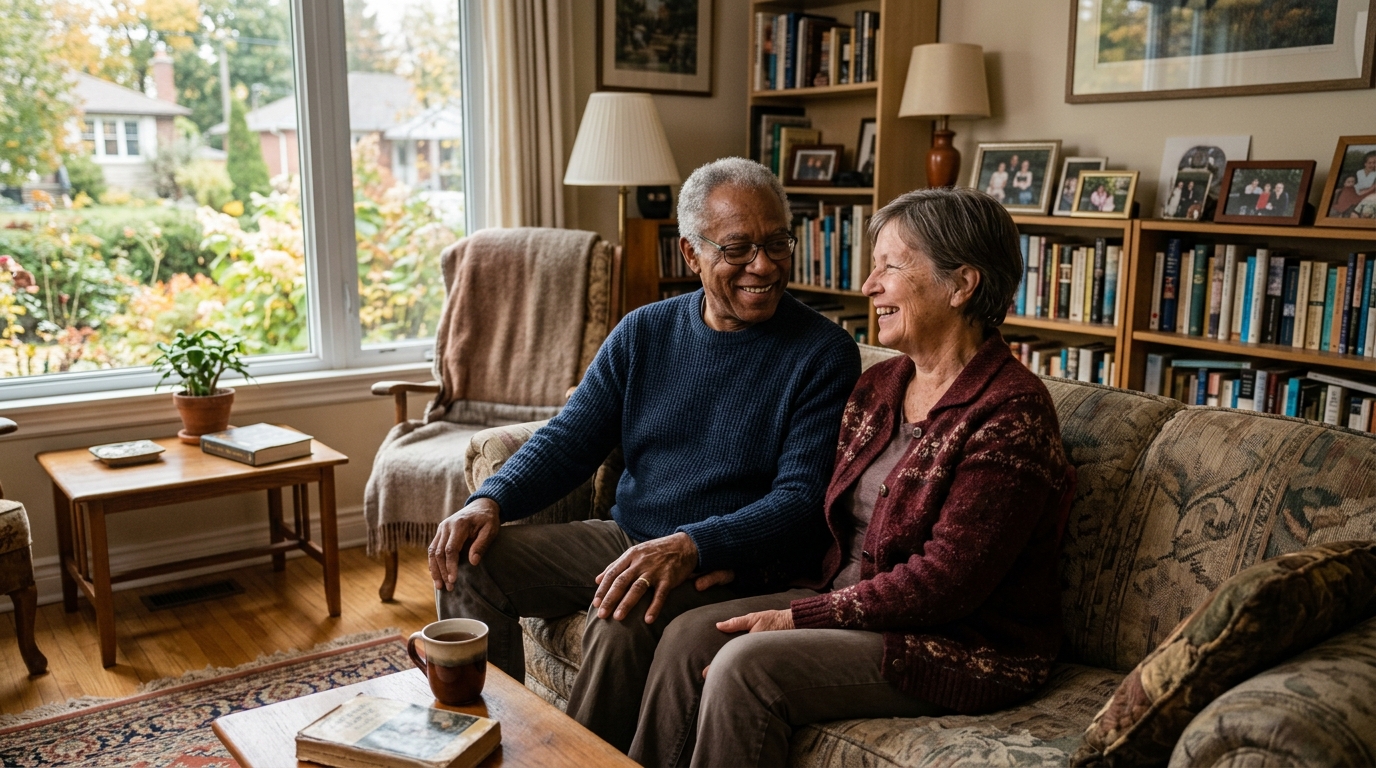
Aging parents managing adult children's psychiatric recovery face their own health crises. A reverse mortgage can fund:
| Caregiver Support Need | How It Helps Parent | Typical Cost |
|---|---|---|
| Professional respite care (2-4 hours weekly) | Prevents caregiver burnout; aging parent maintains own health appointments | $100–$150/week = $5,200–$7,800/year |
| Therapy/counseling for parent | Caregiver trauma and secondary stress disorder common; professional mental health support essential | $1,500–$3,000/year |
| Home care assistant (light duties) | Reduces aging parent's physical burden; creates professional backup if caregiver health fails | $20–$25/hour |
| Adult child's therapist (co-payments) | Insurance gaps require out-of-pocket therapy funding; parent often absorbs this | $30–$80/session |
According to FCAC, approximately 30% of family caregivers for adult children with mental health conditions report significant stress-related health decline within 2 years. Reverse mortgage-funded support addresses this head-on.
Structuring the Reverse Mortgage for Recovery Success
A strategic reverse mortgage combines:
- Initial lump sum: Covers immediate modifications before or immediately after discharge
- Line of credit buffer: Preserves funds for ongoing therapy, medication copays, or emergency respite if crisis recurs
- Monthly draw option: Some aging parents prefer consistent monthly support rather than maxing out initial access
Example structure for $400,000 home equity:
| Access Strategy | Initial Lump Sum | Line of Credit | Monthly Option | Best For |
|---|---|---|---|---|
| Aggressive Access | $120,000 | $80,000 available | N/A | Homes needing major renovation + ongoing caregiver support |
| Conservative Access | $60,000 | $100,000 available | N/A | Aging parent wanting predictable monthly income |
| Hybrid Model | $50,000 | $80,000 available | $800/month | Balancing immediate needs with long-term flexibility |
Rick Sekhon can help structure draws to coordinate with discharge planning timelines, therapy start dates, and anticipated caregiver transitions.
Integration With Government Mental Health Supports
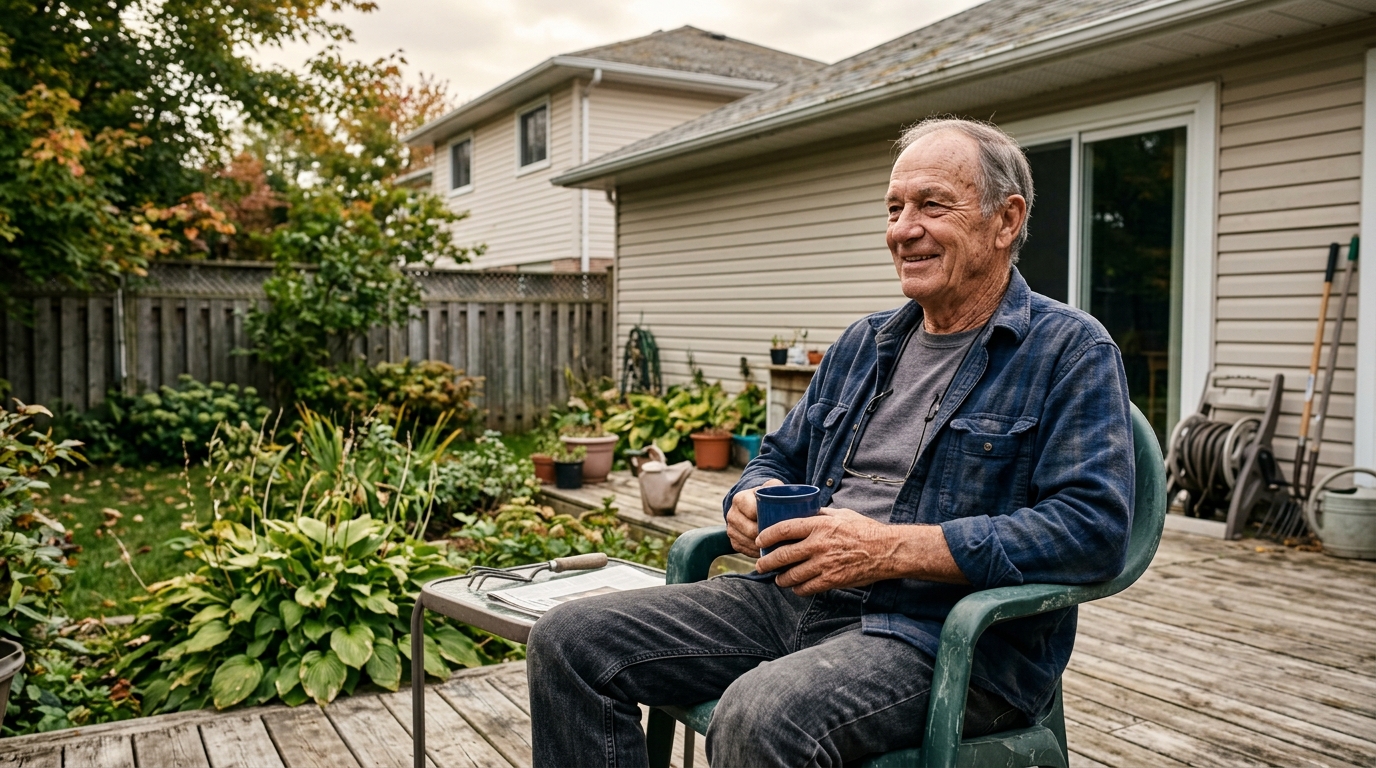
Ontario offers mental health funding that complements reverse mortgage modifications:
According to Ontario Health: Adults with psychosis and first-episode psychosis programs offer evidence-based supports including therapy, medication management, and supported employment—but NOT home modifications or environmental adaptation.
A reverse mortgage fills this exact gap: it funds the home environment that enables clinical supports to succeed.
Coordinate with:
- Community Mental Health and Addiction Programs (CMHAP): Provide therapists; coordinate home visits
- Supported Employment programs: Help adult child build work capacity; reverse mortgage-funded home office enables remote engagement
- Crisis lines and mobile crisis teams: Understand your home layout for emergency response
Key Takeaways
- Post-hospitalization home gaps are common: 35% of psychiatric patients experience readmission—often due to inadequate home support, not medication failure.
- Reverse mortgages bypass banking barriers: Medical history doesn't affect approval; lenders focus on aging parent's equity and age.
- Modifications address medication side effects: Medication-induced tremors, sleep disorders, and sensory sensitivity demand targeted home adaptation.
- Aging parent caregiver burnout is predictable: 30% experience significant health decline within 2 years; professional support funded by reverse mortgage prevents crisis.
- Recovery-focused modifications cost $12,500–$33,000: This is typically NOT covered by insurance or government programs.
- Structured draws support long-term recovery: Line of credit and monthly options provide flexibility as adult child's needs evolve.
Frequently Asked Questions
Will the reverse mortgage affect my adult child's government disability benefits?
No. The reverse mortgage is registered against your home in your name, not your adult child's. Their disability benefits (CPP-D, ODSP in Ontario) are based on their individual income and assets, not on home equity held by parents. However, verify with Ontario's ODSP office if your adult child receives means-tested support.
What if my adult child's condition worsens and they need institutional care instead?
If your adult child eventually requires long-term care placement, the home modifications you've funded remain—and you retain the reverse mortgage. The home can still serve as your aging-in-place base. The reverse mortgage doesn't force sale or affect your ability to age independently.
Can I limit the reverse mortgage to only mental health modifications?
Yes, though lenders don't require it. You can draw funds specifically for discharge-planning modifications and leave the remaining line of credit untouched. CHIP, HomeEquity Bank, and Equitable Bank allow flexible access patterns. Rick Sekhon can structure a draw schedule that aligns with your recovery timeline.
Will lenders hesitate if they know the modifications are for psychiatric support?
No. Lenders don't ask why modifications are needed—they assess property value, home condition, and your financial stability. Psychiatric reasons for modifications are never disclosed during the reverse mortgage application process.
What if my adult child recovers and wants to move out?
The modifications remain part of your home's value and can benefit future residents. Your reverse mortgage doesn't restrict you from selling, renting, or downsizing later. The debt simply transfers to your estate when you pass or moves to a new home if you relocate.
Are there Ontario programs that subsidize post-hospitalization home modifications?
Some regional mental health authorities offer small renovation grants ($500–$2,000) for psychiatric patients, but waitlists are long and amounts are minimal. A reverse mortgage provides faster, larger-scale funding. Some private insurance plans offer mental health rider benefits for home modifications—check your supplemental plan first.
Ready to Learn More?
Find out exactly how much you could unlock from your home — free and no obligation.
Related Articles
Reverse Mortgage for Retirement Community Entrance Fees: Active Adult Transitions
Fund retirement community move without forced downsizing. Ontario guide for 55+ aging in place now, transitioning later to active adult communities.
Read →Reverse Mortgage When Pension Is Reduced Mid-Retirement: Backfilling Income Gaps
Replace lost pension income after mid-career reduction. Ontario guide for retirees facing pension cuts, terminations, or conversion impacts on retirement security.
Read →Reverse Mortgage for Medication Cost Accumulation During Healthcare System Delays
Cover out-of-pocket drug costs when public system backlogs delay care. Ontario guide for aging parents managing medication expenses during wait times.
Read →