
Post-Military Service Housing: PTSD-Informed Home Design and Safety
Help your adult child post-military service with a reverse mortgage to fund PTSD-safe home modifications. Create trauma-informed housing for veteran recovery.
Your adult child has returned from military service and is struggling with PTSD. They're hypervigilant, triggered by unexpected stimuli, and struggling to feel safe even at home. Medical professionals recommend environmental modifications—specific design changes that reduce triggers and support healing. But trauma-informed renovations cost $30,000-$80,000. How do you fund modifications that actually help them heal? A reverse mortgage allows you to create a safe environment where your veteran child can recover.
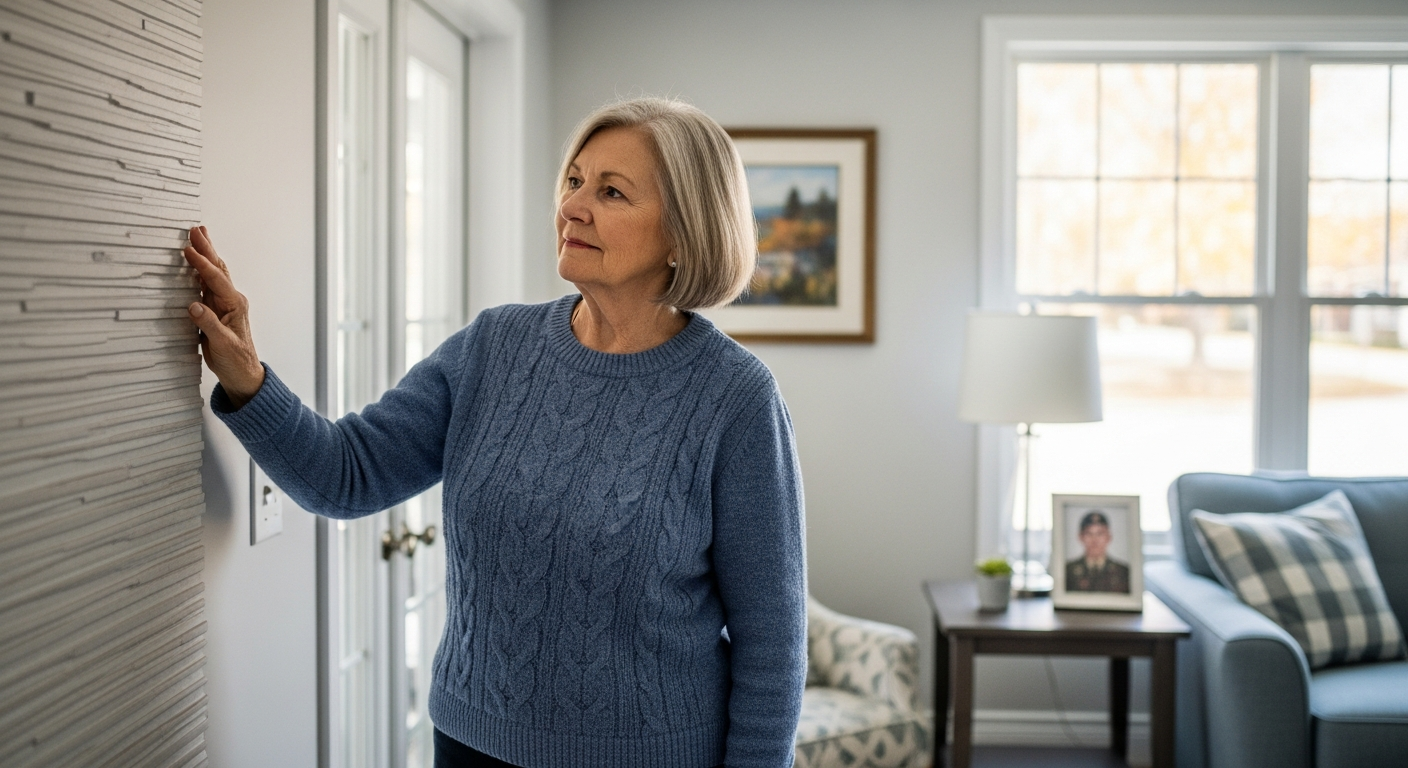
Understanding PTSD-Informed Home Design
PTSD-informed home design modifies living spaces to reduce hypervigilance, minimize triggers, and support nervous system regulation—creating environments where veterans feel genuinely safe, not just physically protected. This isn't about bunkers or fortifications; it's about evidence-based design that aligns with trauma recovery principles.
Research from the VA (U.S. Department of Veterans Affairs) and Canadian military health professionals demonstrates that specific home modifications significantly improve PTSD recovery outcomes:
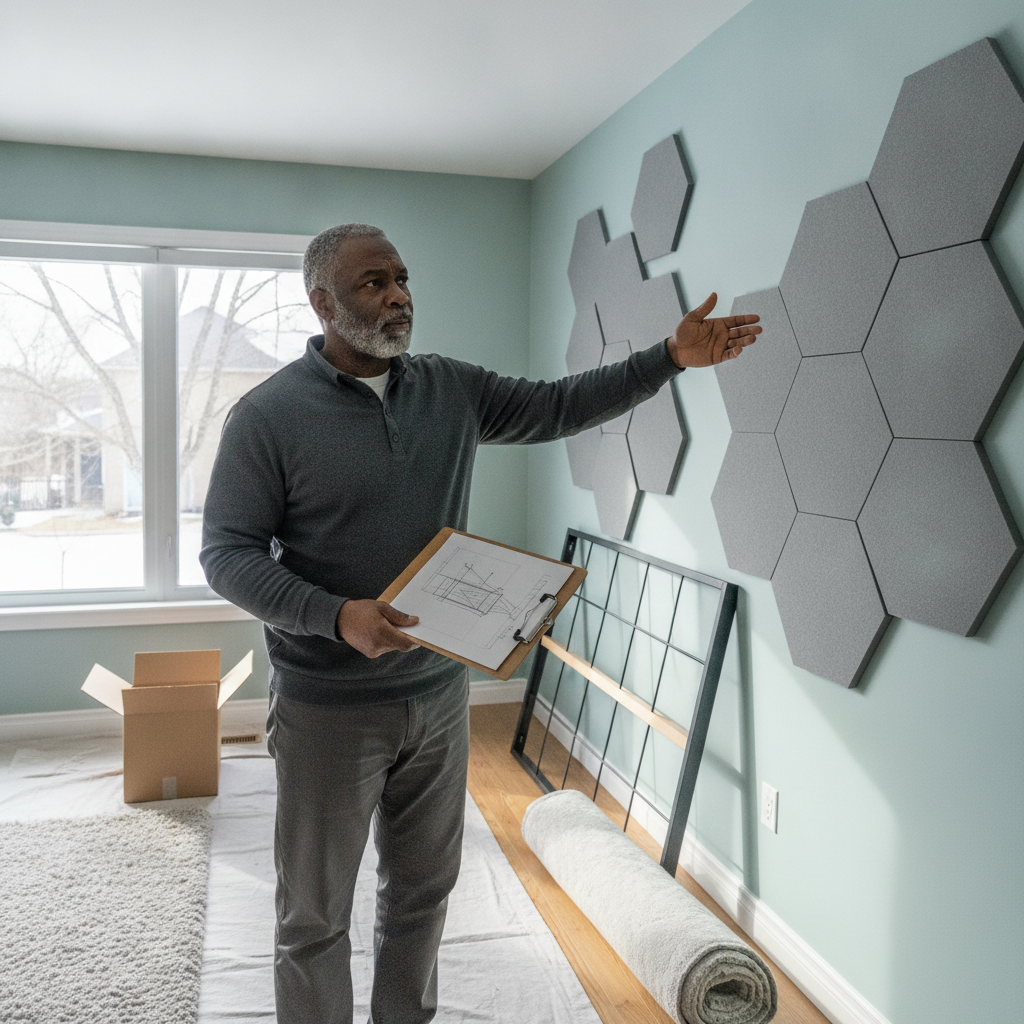
- Sound-dampening treatments reduce startle responses to unexpected noises
- Lighting control helps manage light sensitivity and sleep disruption
- Sightline modifications enable veterans to see exits and approaches (reducing hypervigilance)
- Sensory spaces provide retreat areas for nervous system regulation
- Color and material choices promote calm (avoiding institutional or combat-adjacent environments)
This is distinct from standard accessibility modifications—it's specialized design for trauma recovery.
According to the Canadian Armed Forces Health Services, approximately 60% of combat veterans experience housing-related triggers that delay PTSD recovery, and environmental modifications provide measurable improvement in sleep, anxiety, and quality of life within 3-6 months.
PTSD-Informed Modifications and Their Costs
Common PTSD-Focused Home Modifications
| Modification | Purpose | Cost Range |
|---|---|---|
| Acoustic insulation/sound-dampening | Reduce startle responses | $4,000-$8,000 |
| Blackout/dimmable lighting system | Support sleep, manage sensitivity | $3,000-$6,000 |
| Sightline modifications (strategic windows, mirrors) | Enable visual control of space | $2,000-$5,000 |
| Dedicated sensory/regulation room | Safe space for nervous system reset | $5,000-$15,000 |
| Secure storage for sensitive items | Reduce anxiety about access | $1,500-$3,000 |
| Water filtration and air quality systems | Minimize chemical triggers | $2,000-$4,000 |
| Strategic entryway/egress design | Maintain control and escape routes | $3,000-$7,000 |
| Flooring (non-reflective, slip-resistant) | Reduce fall risks, anxiety | $2,000-$5,000 |
| Total Comprehensive Package | Full PTSD-informed renovation | $25,000-$60,000 |
Veterans organizations and occupational therapists can help identify specific modifications needed for your child's particular triggers and symptoms.
Using a Reverse Mortgage to Fund Recovery Housing
A reverse mortgage allows you to access home equity specifically for trauma-informed modifications. This serves several critical purposes:
- Removes financial barriers to healing — your child can access proven treatment through environmental modification
- Demonstrates family support — showing you'll fund their recovery conveys unconditional love
- Enables professional design — working with trauma-informed designers (not DIY) ensures modifications are effective
- Keeps veteran with family — many veterans need to remain close to family support; a reverse mortgage allows this
- Creates tangible recovery investment — modifications are visual proof of commitment to healing
Reverse Mortgage Strategy for Veteran Housing
| Your Child's Situation | Funding Approach | Total Amount | Timeline |
|---|---|---|---|
| Recently returned, severe PTSD | Lump sum for comprehensive modifications | $45,000-$60,000 | Single project, 6-8 weeks |
| Moderate PTSD, gradual recovery | Monthly draws over 12 months | $30,000-$40,000 | Phased modifications as needed |
| Living with you (same home) | Room-specific modifications | $20,000-$35,000 | Bedroom + bathroom + retreat space |
| Transitioning to independence | Full home + equipment investment | $50,000-$80,000 | Complete setup for success |
The flexibility of a reverse mortgage line of credit from lenders like CHIP and Equitable Bank means you fund modifications as your child identifies needs—not all at once.
Case Study: Recovery Housing for a Returning Veteran
David, 28, returns from 8 years of military service with significant combat PTSD. He's re-traumatized by normal stimuli: sirens, backfiring cars, loud noises. He's hypervigilant, struggles to sleep, and feels unsafe even in his parents' home where he's recovering.
David's therapist recommends environmental modifications:
- Acoustic insulation in his bedroom and bathroom
- Strategic lighting (dimmable, no harsh overhead lights)
- Secure closet with locking storage for sensitive items
- Dedicated quiet room for regulation and retreat
- Non-reflective flooring (reduces fall startles)
- Total estimated cost: $55,000
David's parents, Margaret and Tom, own their Ontario home outright (valued at $750,000). They arrange a $60,000 reverse mortgage line of credit specifically for David's recovery housing modifications.
Over 3 months, the modifications are completed by a contractor experienced in trauma-informed design. David's symptoms improve measurably:
- Sleep quality increases (from 3-4 hours to 6-7 hours nightly)
- Startle responses decrease significantly
- Anxiety levels drop
- He can remain home without constant triggering
18 months later, David has recovered enough to move to his own apartment (modified similarly but more modestly). His parents' reverse mortgage balance is $58,000 (original $60,000 plus modest interest). Their home has appreciated 5% to $787,500. The reverse mortgage cost was paid for by home appreciation alone.
Most importantly, David's recovery was accelerated by housing that supported healing. The reverse mortgage wasn't a financial burden—it was a recovery investment.
Working With Trauma-Informed Designers
Not all contractors understand PTSD-informed design. When funding modifications, work with professionals who specialize in this:
Finding Qualified Professionals
- Occupational therapists with military background — recommend modifications based on specific PTSD symptoms
- Veterans' disability designers — specialize in trauma-informed residential modification
- Military-partnered contractors — firms experienced in veteran housing projects
- Veterans' organizations — many can recommend local professionals (VETS Canada, Royal Canadian Legion)
These professionals understand that effective modifications aren't about control or isolation—they're about evidence-based environmental support for nervous system regulation.
Key Takeaways
- PTSD-informed home modifications cost $25,000-$60,000 but provide measurable recovery acceleration within 3-6 months
- Acoustic insulation, strategic lighting, and sightline modifications are the most impactful for PTSD symptom reduction
- A reverse mortgage removes financial barriers to healing — your child doesn't choose between recovery and financial struggle
- Modifications support independence — properly designed homes enable veterans to transition to their own housing faster
- Working with trauma-informed professionals is essential — not all contractors understand PTSD-responsive design
- This is an investment in recovery, not an expense — improved mental health, sleep, and functionality have lifetime value
When Your Child Is Struggling
If your veteran child is exhibiting PTSD symptoms:
- Seek professional assessment — work with Veterans Affairs Canada or Wounded Warriors Canada to identify specific needs
- Consider environmental modification — it's evidence-based treatment, not just home improvement
- Explore reverse mortgage funding — speak with Rick Sekhon Reverse Mortgages about accessing funds for recovery-focused renovations
- Work with trauma-informed professionals — ensure modifications align with therapeutic goals
- Commit to recovery — your willingness to fund healing conveys unconditional support
Frequently Asked Questions
How long do PTSD-informed modifications take to show results?
Many veterans report noticeable improvements in sleep and anxiety within 2-4 weeks. Significant symptom reduction typically appears within 3-6 months. Results continue improving as the veteran's nervous system recalibrates to the safer environment.
Can I modify one room instead of the whole house?
Yes. Start with the bedroom (where most triggers occur) and expand from there. Many families begin with acoustic insulation and lighting modifications—the highest-impact, most cost-effective changes—then add sensory space or additional modifications based on your child's response.
What if my child's needs change as they recover?
Trauma-informed design is flexible. As your child recovers, some modifications may be adjusted or removed. Others (like acoustic insulation) remain permanently valuable. Structure your reverse mortgage draws to allow for flexibility as healing progresses.
Are PTSD modifications different from accessibility modifications for disability?
Yes. Accessibility modifications focus on physical functioning (mobility, reach, accessibility). PTSD modifications focus on nervous system regulation and trauma recovery. Many homes benefit from both, but they require different expertise.
Can Veterans Affairs funding cover these modifications?
Veterans Affairs Canada has limited funding for home modifications, typically restricted to physical accessibility. However, some provinces and mental health organizations offer grants for PTSD-focused renovations. Check available programs before using your full reverse mortgage draw.
How do I talk to my child about funding these modifications?
Frame it as support, not burden: "Your recovery matters to us. Environmental modifications have helped many veterans heal faster. We want to fund modifications that support your healing. This isn't a loan you need to repay—it's us investing in your recovery."
What if my child isn't ready to discuss PTSD recovery?
That's common. Many veterans resist treatment or acknowledgment. Start by asking their therapist about home-based support. Sometimes professionals can recommend modifications even when the veteran isn't ready to pursue them independently.
Support Your Veteran's Recovery Today
Your willingness to fund trauma-informed housing demonstrates commitment to your child's healing. A reverse mortgage makes this investment possible without financial strain.
Ready to Learn More?
Find out exactly how much you could unlock from your home — free and no obligation.
Related Articles
Reverse Mortgage for Home Modifications After Post-Surgical Complications: Extended Recovery and Disability
Fund home accessibility modifications when surgery causes unexpected disability. Learn how a reverse mortgage enables aging in place after surgical complications or unexpected disability.
Read →Reverse Mortgage for Home Modifications Due to PTSD: Creating Trauma-Informed Spaces
How Ontario seniors living with PTSD can use a reverse mortgage to fund trauma-informed home modifications that create safe, healing spaces for recovery and stability.
Read →Reverse Mortgage for DEI Consulting Practice: Launching Diversity, Equity, and Inclusion Consulting in Retirement
Start a diversity and inclusion consulting practice. Help corporations and nonprofits build equitable cultures; reverse mortgage funds training, business setup, and market entry.
Read →